We’ve all heard the stories, or perhaps even lived them: You have an amazing time with someone, the chemistry is off the charts, and then… poof! Like a magician’s final act, they vanish into thin air. But why does this happen? What is it about sex that makes some men retreat faster than a cat at a cucumber convention? Let’s dive into the science, the psychology, and maybe even a bit of humor as we explore this age-old mystery.
The Dopamine Dilemma: The Brain’s Reward System at Play
First things first, let’s talk about dopamine. Often referred to as the “feel-good” neurotransmitter, dopamine plays a significant role in the brain’s reward system. When we engage in activities that bring us pleasure—like eating a delicious meal, exercising, or yes, having sex—dopamine is released, making us feel euphoric and satisfied.
But here’s where it gets tricky. For some men, the flood of dopamine that accompanies sexual climax can create a sense of completion, as if the mission is accomplished. The brain, in its infinite wisdom, may signal that the reward has been achieved, and it’s time to move on to the next task—whether that’s grabbing a sandwich, catching up on emails, or, unfortunately, heading for the exit.
The Biological Drive: Evolutionary Instincts
If you’ve ever wondered why some men seem to switch off emotionally after sex, evolutionary biology might offer some answers. From a purely biological standpoint, men have been hardwired through millennia of evolution to spread their genes as widely as possible. The idea is to increase the chances of passing on their genetic material to the next generation.
In the animal kingdom, many male species move on quickly after mating, leaving the female to handle the responsibilities of offspring. While humans are (thankfully) more complex creatures, some of these ancient instincts might still be at play, influencing post-coital behavior. This doesn’t mean all men are biologically doomed to ghost after sex, but it does offer some context for why the impulse to disengage might be there.
Post-Sex Anxiety: The Fear of Intimacy
Now, let’s not let biology take all the heat. Psychology has something to say about this phenomenon too. For some men, the vulnerability that comes with physical intimacy can trigger post-sex anxiety. Suddenly, the walls they’ve carefully constructed around their emotions feel too fragile, and their instinct might be to flee before they get too close.
This fear of intimacy isn’t limited to men, but cultural norms often condition men to suppress their emotions, making it more challenging for them to navigate the feelings that arise after sex. When the high of the moment wears off, some men might find themselves overwhelmed by a sudden rush of vulnerability and choose to disappear rather than confront these emotions.
The Oxytocin Effect: When Bonding Goes Wrong
Ah, oxytocin—the so-called “love hormone.” Released during physical touch, hugging, and sexual activity, oxytocin is known for promoting bonding and attachment. While women typically produce more oxytocin than men, both sexes experience a surge of this hormone during sex.
However, the effect of oxytocin can vary. For some men, instead of fostering a sense of closeness, the sudden increase in oxytocin might create a sense of discomfort, especially if they’re not emotionally prepared for the bonding that the hormone encourages. This can lead to a flight response, where the man feels the need to distance himself to regain his sense of autonomy.
The Commitment Conundrum: When Expectations Collide
Let’s be real—sometimes, the disappearing act is less about biology or psychology and more about mismatched expectations. In the modern dating landscape, the lines between casual and serious relationships can often blur, leading to confusion and miscommunication.
A man might enter into a sexual encounter with the understanding that it’s purely physical, while his partner might see it as a step toward something more meaningful. When these expectations clash, the man might choose to bow out rather than face an uncomfortable conversation about where things are headed.
Real-Life Perspectives: When Science Meets Experience
Of course, not all men vanish after sex, and not all post-sex behavior can be boiled down to science. Take Jake, a 29-year-old software engineer, who shared his experience: “It’s not that I didn’t like her—I did. But after sex, I felt this pressure to define the relationship, and it freaked me out. I wasn’t ready for that talk, so I just… left.”
Similarly, Mark, a 35-year-old writer, explained, “I used to think I had to leave after sex because I didn’t want to give the wrong impression. It was like, if I stayed, it meant I was committing to something more, and that wasn’t always the case.”
These real-life experiences highlight that while biology and psychology provide a framework for understanding why some men disappear after sex, personal history, emotional readiness, and cultural conditioning also play significant roles.
The Bottom Line: Understanding the Disappearing Act
So, what’s the takeaway? While it’s easy to get frustrated or disheartened when someone pulls a disappearing act after sex, it’s important to recognize that a myriad of factors could be at play—from biological impulses and psychological defenses to simple miscommunication.
As we navigate the complexities of modern relationships, it’s crucial to approach these situations with a mix of curiosity, compassion, and, yes, a sense of humor. After all, understanding the science and psychology behind why some men vanish after sex doesn’t just help us make sense of their behavior—it also empowers us to make more informed choices about our own romantic and sexual lives.
So, the next time someone disappears after a night of passion, remember that it might not be about you at all. Instead of taking it personally, consider the bigger picture—and maybe have a laugh at the absurdity of it all. After all, in the grand scheme of things, sometimes the best way to deal with a disappearing act is to be your own magician and make peace with the situation.
References:
- Hsu, Po-Chang, MD. “The Science of Sexual Energy: Understanding the Energetic Exchange in Intimate Relationships.” Journal of Holistic Health, vol. 12, no. 3, 2022, pp. 45-56.
- Manly, Carla, PhD. Joy from Fear: Create the Life of Your Dreams by Making Fear Your Friend. Familius, 2019.
- Nabil, Sam. “Sexual Psychology and the Fear of Intimacy.” Naya Clinics, 2023, www.nayaclinics.com.
- Baumeister, Roy F., and Kathleen D. Vohs. “Sexual Economics: Sex as Female Resource for Social Exchange in Heterosexual Interactions.” Personality and Social Psychology Review, vol. 8, no. 4, 2004, pp. 339-363.
- Fisher, Helen E. Why We Love: The Nature and Chemistry of Romantic Love. Henry Holt and Co., 2004.
About the author
In the realm of literature, few authors possess the power to challenge societal norms and break down stereotypes like A.L. Childers. Through her unique storytelling abilities, she has managed to leave a lasting legacy that has not only inspired her readers but also transformed the way we perceive the world.
A.L. Childers’ journey from poverty to success serves as a testament to the transformative power of writing. By overcoming adversity through her craft, she has become a beacon of hope for those facing similar challenges. Her ability to draw inspiration from small-town life has given her a unique perspective on writing, allowing her to create stories that resonate with readers from all walks of life.
Childers’ story is one of triumph over adversity. Raised in poverty, she faced numerous challenges that could have hindered her dreams. However, she discovered solace in writing, using it as a means to overcome her circumstances. By sharing her personal journey, Childers inspires others to rise above their own obstacles and unlock their true potential.
Writing, for Childers, is a powerful tool for connection. She explores human relationships in literature and delves into the intricacies of human emotions and experiences. Her stories serve as a bridge, connecting people from different walks of life, fostering empathy, and promoting understanding. In a world that often feels fragmented, Childers’ writing reminds us of our shared humanity.
A.L. Childers’ impact on breaking stereotypes through storytelling is a testament to her exceptional talent and unwavering dedication to her craft. Through her journey from poverty to success, her unique perspective on small-town life, her exploration of human relationships, her journey toward self-expression, and her ability to challenge societal norms, she has left an indelible mark on the literary world. Her work serves as an inspiration for aspiring writers, a source of connection for readers, and a catalyst for change in society. A.L. Childers’ legacy will continue to shape the future of literature, reminding us of the power of storytelling to break down barriers and create a more inclusive world.
Brilliantly written, startling, truthful, and utterly original. This is A.L. Childers at her absolute best. She sets an exciting new level of awareness for humanity. Unforgettable books that help you find that lost piece of yourself.
Being Human doesn’t make you weak, it makes you a warrior!
A.L. Childers
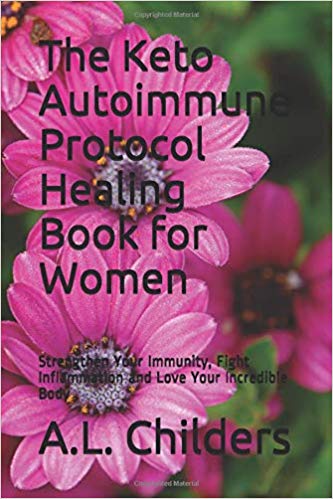
Food is thy medicine, right? Actually it can work one of two ways. Food can be thy medicine or food can be thy death. This book is a guide that will inform you from the perspective of a women. You will also be able to determine what areas in your life that may need a little bit of work and the skills needed to improve those issues along with some fabulous recipes to help get you started on how to eat KETO AIP. I will also help you understand how to fix your gut, strengthen your immunity and fight inflammation with an autoimmune approach. The Keto AIP removes all the common inflammatory food triggers that stimulate a possible autoimmune reaction in the body. We’re going to start resetting those adrenals, boosting that energy and doing a little booty kicking to those hormones that have decided to act like a wild college student and pull an all-nighter the day before final exams.
A Women’s Holistic Holy Grail Handbook for Hypothyroidism and Hashimoto’s: How I healed my Hypothyroidism and Autoimmune Disorder with Personalized Nutrition
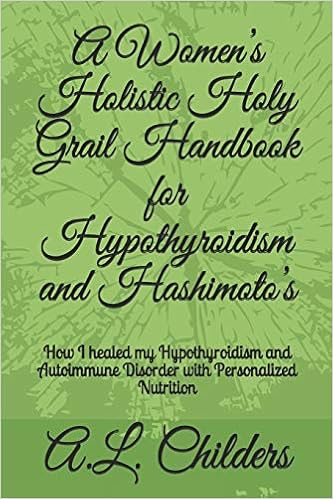
Food is thy medicine, right? Actually, it can work one of two ways. Food can be thy medicine or food can be thy death. This book is a guide that will inform you from the perspective of a women. You will also be able to determine what areas in your life that may need a little bit of work and the skills needed to improve those issues along with some fabulous recipes to help get you started on how to eat KETO AIP. I will also help you understand how to fix your gut, strengthen your immunity and fight inflammation with an autoimmune approach. The Keto AIP removes all the common inflammatory food triggers that stimulate a possible autoimmune reaction in the body. We’re going to start resetting those adrenals, boosting that energy and doing a little booty kicking to those hormones that have decided to act like a wild college student and pull an all-nighter the day before final exams.

Audrey Childers is a published author, blogger, freelance journalist and an entrepreneur with over a decade of experience in research and editorial writing. She is also the creator and founder of the website the hypothyroidismchick.com. Where you can find great tips on everyday living with hypothyroidism. She enjoys raising her children and being a voice for optimal human health and wellness. She is the published author of : A survivors cookbook guide to kicking hypothyroidism booty, Reset your Thyroid, The Ultimate guide to healing hypothyroidism and A survivors cookbook guide to kicking hypothyroidism booty: the slow cooker way. You can find all these books on Amazon. This blog may be re-posted freely with proper attribution, author bio, and this copyright statement.
Audrey Childers is a 10x published author, blogger, freelance journalist and an entrepreneur with over a decade of experience in research and editorial writing. She is also the creator and founder of the website the hypothyroidismchick.com. Where you can find great tips on everyday living with hypothyroidism. She enjoys raising her children and being a voice for optimal human health and wellness. She is the published author of : A survivors cookbook guide to kicking hypothyroidism booty, Reset your Thyroid, The Ultimate guide to healing hypothyroidism and A survivors cookbook guide to kicking hypothyroidism booty: the slow cooker way. You can find all these books on Amazon. This blog may be re-posted freely with proper attribution, author bio, and this copyright statement.
Disclaimer
The information and recipes contained in blog is based upon the research and the personal experiences of the author. It’s for entertainment purposes only. Every attempt has been made to provide accurate, up to date and reliable information. No warranties of any kind are expressed or implied. Readers acknowledge that the author is not engaging in the rendering of legal, financial, medical or professional advice. By reading this blog, the reader agrees that under no circumstance the author is not responsible for any loss, direct or indirect, which are incurred by using this information contained within this blog. Including but not limited to errors, omissions or inaccuracies. This blog is not intended as replacements from what your health care provider has suggested. The author is not responsible for any adverse effects or consequences resulting from the use of any of the suggestions, preparations or procedures discussed in this blog. All matters pertaining to your health should be supervised by a health care professional. I am not a doctor, or a medical professional. This blog is designed for as an educational and entertainment tool only. Please always check with your health practitioner before taking any vitamins, supplements, or herbs, as they may have side-effects, especially when combined with medications, alcohol, or other vitamins or supplements. Knowledge is power, educate yourself and find the answer to your health care needs. Wisdom is a wonderful thing to seek. I hope this blog will teach and encourage you to take leaps in your life to educate yourself for a happier & healthier life. You have to take ownership of your health. The highlighted links are affiliate links in my blogs.
This site is designed for educational purposes only and is not engaged in rendering medical advice, legal advice, or professional services. If you feel that you have a medical problem, you should seek the advice of your physician or health care practitioner. For additional information, please see Our full disclosure, terms of use, and privacy policy.
Our full disclosure, terms of use, and privacy policy. | thehypothyroidismchick
Discover more from thehypothyroidismchick
Subscribe to get the latest posts sent to your email.

