Holistic Wellness: Balancing Mind, Body, and Spirit By A.L. Childers, Published Author and Journalist
In our fast-paced modern world, maintaining health and wellness is more crucial than ever. A balanced approach to fitness, nutrition, mental health, and self-care forms the cornerstone of a fulfilling and resilient life. By focusing on these core aspects, we not only improve our physical well-being but also enhance our emotional resilience, mental clarity, and overall vitality. Let’s dive into how each of these elements can shape a healthier, more balanced life.
Fitness: Strengthening Body and Mind Investing in physical activity is one of the most powerful ways to improve your overall health. Exercise not only strengthens the body but also sharpens the mind, helping reduce the risk of chronic illnesses and improving mental clarity. Whether it’s weightlifting, yoga, running, or a daily walk, consistency is key to long-term health benefits. Start small and build from there—your body will thank you for the effort.
For more insights into modern fitness culture and practical health tips, explore my book Pillaged and Poisoned: America’s Health in Crisis. This book sheds light on the current issues in health and fitness and provides actionable steps to take control of your well-being.
Nutrition: Fueling Your Body with Purpose What we eat has a direct impact on our energy, mood, and long-term health. A diet rich in whole, nutritious foods like vegetables, fruits, lean proteins, and whole grains provides the fuel our bodies need to thrive. Paying attention to how certain foods make you feel is essential, and limiting processed foods, added sugars, and unhealthy fats can have profound effects on your health. Remember, it’s not about achieving perfection but making mindful, intentional choices that nourish your body.
For those interested in nutrition for both humans and pets, my dog cookbook Pawsitively Nourished: Heartfelt Recipes for Your Dog’s Well-being offers healthy, homemade recipes to help your furry friend thrive, just like you.
Mental Health: Cultivating Inner Strength While often overlooked, mental health is a vital component of overall wellness. Practices like mindfulness, meditation, journaling, and self-compassion can significantly reduce stress and enhance mental clarity. It’s important to recognize when to seek professional support—caring for your mental health is an essential aspect of self-care.
My book The Art of Spiritual Protection: Creating Your Safe Haven delves into mental and spiritual wellness, offering practical tips to protect your energy and create a sanctuary for your peace of mind, no matter what life throws your way.
Self-Care: Prioritizing Your Well-being Self-care is not just about indulgence; it’s about taking the time to listen to your body and respond to its needs. Whether it’s a simple walk in nature, a relaxing bath, or reading a good book, self-care should be a regular part of your routine. The more you invest in yourself, the more resilient and prepared you will be to face life’s challenges.
For more in-depth self-care strategies, both The Art of Spiritual Protection and No Return: A Five-Step Plan to Escape Reincarnation on Prison Planet Earth provide unique perspectives on mental, emotional, and spiritual care.
Final Thoughts Wellness is a journey that involves nurturing your body, mind, and spirit. By focusing on fitness, nutrition, mental health, and self-care, you’re building a strong foundation for a healthier, more fulfilling life. Start today, and take small steps toward a more balanced and joyful existence.
Explore More and Support the Journey If you found this post helpful, I invite you to explore my related works:
Pillaged and Poisoned: America’s Health in Crisis – a deep dive into health and fitness challenges in modern society.
Pawsitively Nourished: Heartfelt Recipes for Your Dog’s Well-being – providing wholesome recipes for your beloved pets.
The Art of Spiritual Protection: Creating Your Safe Haven – offering spiritual and mental self-care strategies.
No Return: A Five-Step Plan to Escape Reincarnation on Prison Planet Earth – an unconventional exploration of holistic wellness.
Order my books or donate to support the blog’s mission of sharing valuable health and wellness insights. Thank you for being part of this journey to better health!
Travel Advisory for Hurricane Relief Workers: Safety First by A.L. Childers
As many of us rush to help the victims of recent hurricanes, it’s important to acknowledge the challenging and sometimes dangerous conditions relief workers and volunteers may face. When traveling to deliver essential goods to disaster-stricken areas, preparation and awareness are crucial for both your safety and the effectiveness of your efforts.
Here are key considerations to keep in mind before embarking on your journey:
1. Heightened Security Risks: Be Prepared and Armed
In the aftermath of natural disasters, there’s an unfortunate reality: people in desperate situations can turn to desperate measures. Reports of looting, robbery, and even violence against those in need are not uncommon. Those transporting valuable goods—such as food, water, and medical supplies—can become targets for those seeking to take advantage of the chaos.
For your own safety, it’s essential to remain vigilant and consider traveling in groups or coordinating with local authorities. However, personal protection is also important. If you are licensed to carry a firearm, it is highly recommended that you travel armed. It seems, if you are not protected, it has become the wild, wild west in terms of protecting yourself. Looters are targeting those who are unprepared or unable to protect themselves, making firearms a necessary precaution for many relief workers in these unpredictable environments.
That said, always follow local laws regarding firearms and ensure you are compliant with all regulations. Safety first, but always act responsibly.
2. Lack of Shelter: Plan Ahead
Another significant challenge relief workers face is the scarcity of accommodations. Hotels in hurricane-affected areas are often booked solid, or they may be non-operational due to damage. If you’re traveling to these regions, you might not find a safe place to sleep.
Plan ahead by bringing camping gear or looking into alternative accommodations, such as staying with friends, family, or relief centers. Make sure your vehicle is equipped with essentials like blankets, pillows, and a way to stay warm if you need to sleep in it.
3. Bring Cash: Critical for Gas and Supplies
One of the most critical challenges in disaster-stricken areas is access to fuel and essential supplies. Power outages often render card payment systems useless, and cash is the only form of payment accepted. Make sure you have enough cash on hand to pay for gas, food, and other necessities—if you can find them. Gas stations may be running low, and supplies will be limited, so planning ahead with extra fuel and resources is crucial.
Cash will also be necessary for any unexpected costs, such as tolls or emergency purchases, especially in areas where ATMs are down. Being prepared with enough funds could be the difference between making it through or being stranded without help.
4. Starlink: The Communication Lifeline
One of the most critical needs in disaster zones is reliable communication. Cell towers are often down or overloaded, making it difficult to coordinate relief efforts or contact loved ones. That’s where Starlink, Elon Musk’s satellite internet service, becomes invaluable.
In response to Hurricane Helene, Elon Musk has generously provided 500 free Starlink receivers for affected communities. These receivers will give local areas access to high-speed internet, restoring critical communication capabilities. Relief workers, emergency services, and residents can now stay connected even when traditional communication networks are down.
If you’re traveling to deliver goods, consider bringing or using one of these Starlink receivers to help establish communication networks on the ground. This service can be a game-changer for those trying to reach emergency services, coordinate with other relief teams, or simply connect with loved ones.
5. Final Thoughts: Safety and Compassion
While it’s vital to remain cautious and prepared for the risks involved, remember that the goal is to help those in need. Disaster victims are often in their most vulnerable state, and your support—whether through donations, supplies, or boots-on-the-ground assistance—can make a real difference. Approach every situation with empathy and understanding, but keep your safety and that of your team as the top priority.
Traveling into hurricane-affected regions requires more than just good intentions. Being armed for protection, having cash for essential purchases, and taking advantage of communication lifelines like Starlink will not only protect you but also enhance your ability to provide the aid that is so desperately needed.
Stay safe, stay vigilant, and continue to support those who need it most. —A.L. Childers
There Is a Fine Line Between Genius and Crazy: I Like to Use That Line to Jump Rope
By A.L. Childers
Throughout history, some of the greatest minds have been labeled as both geniuses and lunatics, often straddling that fine line between brilliance and madness. It’s a precarious balance, but one that has produced extraordinary contributions to society. Personally, I’ve always been drawn to that line—not just to observe it, but to dance along it, to jump rope with it, and to push its boundaries. For me, the space between genius and crazy isn’t a barrier; it’s an opportunity.
In this article, we’ll explore how this fine line has been walked by some of history’s most famous figures, how creativity often thrives in the intersection of brilliance and eccentricity, and why embracing the chaos can lead to great innovation. But as we examine these ideas, I invite you to consider supporting the journey I’m on. Whether through a donation or by purchasing one of my books, your contribution helps bring these unconventional ideas to life.
The Thin Line: Historical Geniuses and Their Madness
History is filled with examples of individuals who blurred the lines between genius and insanity. One of the most famous cases is Nikola Tesla, the brilliant inventor whose contributions to modern electrical engineering changed the world. Tesla was known for his extraordinary mind, but he also exhibited eccentric behaviors, including an obsession with pigeons and a fear of germs. Some of his contemporaries considered him mad, yet his genius is undeniable.
Another example is Ludwig van Beethoven, whose musical genius revolutionized classical music. Beethoven suffered from bouts of depression and erratic behavior, likely worsened by his encroaching deafness. Despite his personal struggles, his ability to compose some of the greatest symphonies of all time showcases how genius can thrive, even in chaos.
Consider Virginia Woolf, the pioneering modernist writer who struggled with severe mental illness throughout her life. Woolf’s work, which includes classics like Mrs. Dalloway and To the Lighthouse, was deeply influenced by her unique mind, blending stream-of-consciousness narration with intricate psychological insight. Woolf’s genius flourished within the bounds of her mental struggles, illustrating the connection between creativity and psychological complexity.
The Science of Creativity and Madness
The link between creativity and madness isn’t just anecdotal—it has been studied extensively. Psychologist Dr. Kay Redfield Jamison, in her groundbreaking work Touched with Fire: Manic-Depressive Illness and the Artistic Temperament, explores the connection between bipolar disorder and creativity. According to Jamison’s research, individuals with bipolar disorder often experience heightened creativity during manic episodes, which can result in bursts of artistic or intellectual brilliance.
A study published in Nature Neuroscience further supports this link, showing that creative individuals often exhibit higher levels of “cognitive disinhibition,” meaning their brains are less likely to filter out irrelevant information. While this can lead to chaotic thinking, it can also allow for unconventional connections—leading to breakthroughs in art, science, and innovation.
However, living on the edge of genius and madness comes with risks. As seen in the tragic cases of Vincent van Gogh and Sylvia Plath, the intense pressure of creative genius can sometimes lead to self-destruction. Yet even in their darkest moments, their work continued to inspire and revolutionize their respective fields.
Jumping Rope with the Line: My Personal Experience
I’ve always been fascinated by this balance between genius and insanity, and I’ve come to embrace it in my own creative process. As a writer, I constantly push myself to explore uncharted territories of thought—sometimes teetering on the brink of chaos. But in that chaos, I find clarity. In the madness, I find purpose.
Much like the historical figures I’ve mentioned, my journey involves walking that fine line, and I wouldn’t have it any other way. To create something meaningful, you have to be willing to lose control—to let your mind wander into the unknown, to entertain ideas that others may dismiss as absurd. That’s where true innovation happens. That’s where stories that matter are born.
Supporting the Journey: Why Your Contribution Matters
As I continue to explore these ideas in my writing, your support becomes an essential part of the journey. Writing isn’t just about putting words on a page; it’s about delving deep into the human experience, questioning what it means to be creative, to be different, and sometimes, to be misunderstood.
Your donation or purchase of one of my books helps keep this exploration alive. It allows me to continue walking that fine line between genius and crazy—taking risks, pushing boundaries, and creating work that challenges the status quo. I’ve written books across genres—from self-help to supernatural fiction, to books that question societal norms. Each one is a reflection of that fine line, an invitation for you to join me on this unpredictable, exhilarating journey.
Historical and Modern Examples: Genius on the Brink
Isaac Newton (1643–1727) One of the most influential scientists in history, Newton exhibited eccentric behavior, often isolating himself for long periods. His deep insights into gravity and mathematics were counterbalanced by his obsession with alchemy and cryptic religious beliefs.
John Nash (1928–2015) Nash, a Nobel Prize-winning mathematician, struggled with paranoid schizophrenia, a condition that influenced both his genius and his personal struggles. His life story was famously portrayed in the film A Beautiful Mind.
Edgar Allan Poe (1809–1849) Known for his dark and haunting literature, Poe struggled with mental illness and alcoholism. His ability to channel his inner turmoil into masterful works like The Raven demonstrates the complex relationship between creativity and madness.
Howard Hughes (1905–1976) The billionaire businessman and aviator was both a visionary and a recluse. His later years were marred by extreme paranoia and obsessive-compulsive behavior, yet his innovations in aviation and film remain legendary.
Charles Dickens (1812–1870) Dickens, known for his literary genius, suffered from depression and hypochondria. His ability to capture the struggles of the common man in works like Oliver Twist and A Tale of Two Cities shows how his personal battles fueled his creative brilliance.
Why We Need to Embrace the Line
In a world that often tries to categorize people as either “sane” or “crazy,” it’s important to recognize the power that lies in the in-between. Some of the greatest minds in history have thrived on the edge, using their unique perspectives to create lasting change. By supporting writers like me, who embrace the chaos and uncertainty of the creative process, you’re helping to nurture the next wave of innovation, ideas, and stories that will challenge how we see the world.
So, if you’ve ever felt that the line between genius and crazy is where the magic happens, I invite you to jump rope with me. Together, we can continue to blur that line, creating work that is meaningful, disruptive, and truly original.
Written by A.L. Childers, exploring the fine line between genius and madness, and inviting readers to support her journey in pushing creative boundaries.
For more books by A.L. Childers, or to support my work in bringing attention to these issues, visit my author page or consider donating. Together, we can lift the veil on these hidden struggles and create a future where neurodivergent parents are seen, heard, and supported.
For more of my books, visit my author page on Amazon or consider donating to support my ongoing work in health, wellness, and personal development. Together, we can break the silence and create a world where neurodivergent parents feel seen, supported, and understood.
Thehypothyroidismchick.com is a reliable source of health and science news relevant to our generation. They cover a wide range of stories but focus on contributing to their readers’ understanding of a complex and constantly changing field of information. They are driven by two core values: to provide accurate and informative content and to keep in mind the ultimate “smell test” – stories worth discussing with friends at a bar. At Thehypothyroidismchick.com, coverage is determined based on relevance, clinical significance, and editorial integrity. They do not prioritize commercial considerations and always clearly distinguish between factual content, commentary, and opinions to avoid misleading readers with institutional propaganda and speculation. This ensures that readers can trust the information they receive and make informed decisions about their health.
Please follow along with me on this journey of discovery as I share my brush of madness with exquisite clarity. Luckily, I was never a quick fix-it junkie where I said no to many suggestions from board-certified or certifiable doctors because I felt it in my soul that it was merely a bonafide being placed on my issues. The names of sure doctors have been changed because, frankly, I don’t want to be sued for proven the lack in their field.
Hippocrates was right when he said: Let the food be thy medicine and thy medicine be thy food.
Disclaimer
The information and recipes in the blog are based on the author’s research and personal experiences. It’s for entertainment purpIt’s only. Every attempt has been made to provide accurate, up-to-date, and reliable information. No warranties of any kind are expressed or implied. Readers acknowledge that the author does not render legal, financial, medical, or professional advice. By reading this blog, the reader agrees that under no circumstance the author is not responsible for any direct or indirect loss incurred by using the information contained within this blog. Including but not limited to errors, omissions, or inaccuracies. This blog is not intended to replace what your healthcare provider has suggested. The author is not responsible for any adverse effects or consequences from using any of the suggestions, preparations, or procedures discussed in this blog. All matters about your health should be supervised by a healthcare professional. I am not a doctor or a medical professional. This blog is designed as an educational and entertainment tool only. Please always check with your health practitioner before taking any vitamins, supplements, or herbs, as they may have side effects, especially when combined with medications, alcohol, or other vitamins or supplements. Knowledge is power, educate yourself and find the answer to your healthcare needs. Wisdom is a beautiful thing to seek. I hope this blog will teach and encourage you to take leaps in your life to educate yourself for a happier & healthier life. You have to take ownership of your health.
The views and services offered by Thehypothyroidismismchick.com are not intended to be a substitute for professional medical assistance but as an alternative for those seeking solutions for better health. We do not claim to diagnose, treat, prevent, or cure any disease but simply help you make physical and mental changes in your own body to help your body heal itself. Remember that results may vary, and if you are pregnant, nursing, taking medications, or have a severe condition, you should consult a physician or other appropriate medical professional before using any products or information on this site. Thehypothyroidisimchick.com assumes no responsibility for the use or misuse of this material. Your use of this website indicates your agreement to these terms. Our full disclosure, terms of use, and privacy policy.
The information on this site is not intended or implied to be a substitute for professional medical advice, diagnosis, or treatment. All content, including text, graphics, images, and information on or available through this website, is for general information purposes only. Opinions expressed here are the opinions of the writer. Never disregard professional medical advice or delay seeking medical treatment because of something you have read or accessed through this website.
This site is designed for educational purposes only and is not engaged in rendering medical advice, legal advice, or professional services. If you feel that you have a medical problem, you should seek the advice of your physician or health care practitioner. For additional information, please see Our full disclosure, terms of use, and privacy policy.
This piece was inspired by timeless wisdom and the understanding that true success lies not in the small battles, but in the pursuit of one’s purpose.
Welcome to our exploration of sanity and madness—an exploration that invites you to not only read, but to reflect, to engage, and to carry forward the torch of understanding into a world that yearns for compassion and acceptance.”
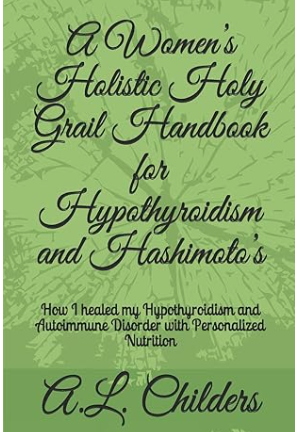
A.L. Childers is a wellness advocate, thyroid warrior, and the author behind multiple best-selling books on hypothyroidism. After years of battling thyroid issues herself, she dedicated her life to sharing practical tips, delicious recipes, and lifestyle changes that truly work. Through her books and blog, she aims to empower others to take control of their health and kick hypothyroidism’s booty—one meal at a time. You can find her books on Amazon and connect with her on social media for daily tips and thyroid-friendly recipes.
Visit my About the author to explore more books that can support your health journey, and don’t forget to sign up for my newsletter for exclusive tips and updates!
Recommended Reading
For those interested in diving deeper into wellness, managing thyroid health, and understanding the importance of holistic nutrition, I recommend the following books:
Take the first step to a healthier you. Get your copy now and transform your thyroid health for good.
A.L. Childers is a passionate advocate for health, wellness, and personal empowerment, drawing from her own experiences as a researcher, journalist, and someone who has personally navigated the challenges of thyroid disorders and autoimmune conditions. With over 200 books to her name, A.L. Childers has written extensively on topics ranging from holistic healing, autoimmune wellness, and thyroid health to more creative and lighthearted topics like children’s coloring books and cookbooks for pets. Her diverse range of expertise and unique perspective resonates deeply with readers seeking practical, actionable advice to improve their lives.
A.L. Childers’s books stand out because they offer more than just information—they provide a compassionate, relatable voice that empowers readers to take control of their health, happiness, and future. Each book is crafted with care, backed by research, and filled with personal insights, making complex topics easy to understand and apply. Whether you’re struggling with a chronic condition or simply seeking better health and vitality, her books are designed to guide you toward transformation and wellness.
Why should you purchase one of her books? Because they are not only educational, but also transformative. With A.L. Childers’s guidance, you can heal your body, strengthen your immune system, and rediscover your energy—all while feeling supported by someone who truly understands the journey.
Take action now—explore A.L. Childers’s collection and start your journey to better health and wellness today!
If you’ve enjoyed my writings and would like to support future content, you can help keep my blog and books alive with a donation. Whether it’s $1 or any amount you feel inspired to give, your support means the world to me. You can donate through Venmo at @Audrey-Childers-4 or via Cash App at $abbigailChilders. Every contribution helps fuel the passion behind my work, and I truly appreciate your generosity! Thank you for being part of this journey.
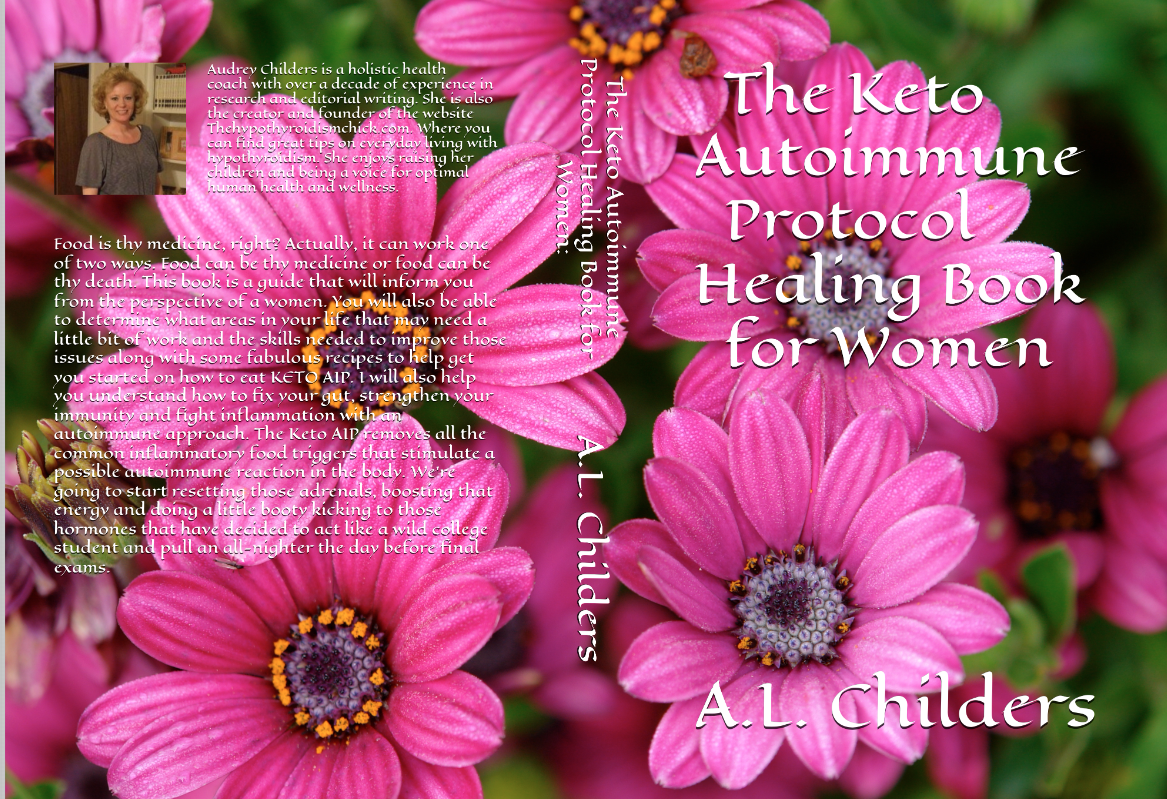
Get ready to dive into the vibrant and eclectic world of Audrey Childers, the author who’s written something for absolutely everyone! With over 200 books under her belt—ranging from playful coloring books to thought-provoking self-help guides, spellbinding fantasy novels, and everything in between—Audrey has crafted a literary collection for every age and stage of life.
As the creative force behind TheHypothyroidismChick.com, she’s also a passionate advocate for health and wellness, sharing her own tips and insights on living well with hypothyroidism. But Audrey doesn’t stop there. She’s a mom, a voice for optimal human health, a blogger, a freelance journalist, and an entrepreneur who’s spent over a decade fine-tuning her craft in research and editorial writing.
Want to uncover her latest bestsellers? Some of her most popular works include “A Survivor’s Cookbook Guide to Kicking Hypothyroidism Booty,” “Reset Your Thyroid,” and the biting satire, “The Plague of Overeducated Dumb People.” But there’s so much more! Click the many links “About the Author” to check out her incredible range of books—you won’t regret it!
The Dark Side of Fame: Are Celebrities Worth More Dead Than Alive?
By A.L. Childers
Behind the glitz and glamour of the entertainment industry lies a darker truth—one that suggests some celebrities may be worth more dead than alive. It’s a chilling concept, but the financial incentives behind a celebrity’s death, particularly through life insurance policies, cannot be ignored. For decades, whispers of foul play have surrounded the untimely deaths of famous figures, leading to speculation that the value of their life insurance policies may have played a role in their demise.
This article dives into the disturbing history of celebrity deaths, exploring the question: Are some celebrities murdered because their life insurance payouts outweigh their earnings in life?
The Hidden Business of Life Insurance
In the entertainment industry, celebrities are often seen as assets, and like any valuable asset, they can be insured. Large companies, record labels, and film studios routinely take out life insurance policies on their stars. These policies ensure that if a celebrity dies, the company receives a substantial payout—often more than what the celebrity could have earned in their lifetime.
According to Forbes, it is common practice for corporations to protect their investments by insuring their biggest assets—celebrities included. These life insurance policies, known as “key person” or “key man” insurance, are designed to mitigate financial loss in the event of an unexpected death. But the large sums at stake raise an unsettling question: What happens when a celebrity becomes more valuable dead than alive?
The Cases That Fuel Speculation
Several high-profile celebrity deaths have led to conspiracy theories that suggest financial motives played a role in their untimely demises. Here are a few notable examples:
Michael Jackson (1958–2009) The King of Pop’s death sent shockwaves around the world, but it wasn’t long before questions about his life insurance policy emerged. Jackson was reportedly insured for up to $17 million, with policies that covered accidental death. His sudden passing, just before a highly anticipated comeback tour, led to lawsuits and accusations that his death may have been more than a tragic accident. Jackson’s estate and various corporations profited significantly in the aftermath of his death, fueling theories that financial interests were at play.
Whitney Houston (1963–2012) Whitney Houston’s death, found in a hotel bathtub, raised immediate questions due to her enormous life insurance policy. Reports later surfaced that her record label, Sony Music, had a multi-million-dollar insurance policy on Houston. Just days after her death, her record sales skyrocketed, earning the label tens of millions of dollars. Her passing, though ruled an accidental drowning, led some to question whether her life was more valuable to her label in death.
Prince (1958–2016) Prince’s untimely death led to a surge in sales of his music, bringing his estate an estimated $100 million in the first year alone. While there is no public confirmation of a life insurance policy, his vast catalog and royalties became more lucrative after his death. This pattern of posthumous profit, consistent with other high-profile deaths, raises the question of whether his passing was part of a broader financial scheme.
Tupac Shakur (1971–1996) and The Notorious B.I.G. (1972–1997) The deaths of these two legendary rappers have long been surrounded by conspiracy theories. Both men were at the height of their careers, and their untimely murders have led many to speculate about the financial gains that followed. With both artists’ posthumous albums achieving record sales and their estates continuing to earn millions, it begs the question: Who profited from their deaths?
The Financial Motive: Life Insurance and Celebrity Estates
It’s important to understand how lucrative a celebrity’s death can be. The music and film industries are notorious for benefiting from an artist’s passing, as morbid as it may seem. The death of a beloved figure often leads to increased sales, syndications, re-releases, and renewed public interest in their work, all of which translate into profit.
After Michael Jackson’s death, Forbes reported that his estate earned over $2.1 billion in the years following his passing. Whitney Houston’s estate saw a similar spike, with her music selling millions of copies posthumously. These massive financial windfalls make it clear that celebrity deaths often result in significant profits for corporations and estates.
But it’s not just posthumous album sales and royalties. The life insurance industry plays a major role in this equation. Many celebrities have large insurance policies that pay out millions upon their deaths. When a celebrity is no longer producing hits or starring in blockbuster movies, the financial benefits of their continued existence begin to dwindle. In some cases, their death could provide a larger and faster return on investment.
A Pattern Throughout History
This phenomenon isn’t limited to modern-day celebrities. Historically, there have been instances where powerful figures profited from the deaths of others, from ancient rulers to modern-day tycoons. Here are a few historical examples where financial motives may have played a role in untimely deaths:
King Tutankhamun (1332–1323 BC) The young pharaoh’s death has been the subject of much speculation. Some historians believe that King Tut’s early demise may have benefited those in his court who sought to seize power and wealth. His death led to a change in leadership, and many suspect foul play by those who stood to gain.
Julius Caesar (100–44 BC) While Caesar’s assassination was politically motivated, many of his murderers—such as Brutus and Cassius—stood to gain financially and in status from his death. Caesar’s will also outlined large sums of money to be distributed, leading some to speculate that financial incentives played a role in his assassination.
Napoleon Bonaparte (1769–1821) Napoleon’s death, originally believed to be from natural causes, has since been questioned, with theories suggesting he may have been poisoned. As a ruler who controlled vast wealth, his demise likely benefited many who sought to divide his empire and claim parts of his fortune.
The Legal Loopholes
One of the most disturbing aspects of these financial gains is the lack of accountability. In many cases, the law allows corporations to profit from a celebrity’s death without any scrutiny. Life insurance policies are often taken out without the celebrity’s full understanding, and payouts can be structured in such a way that the company, rather than the family, benefits the most.
According to a 2020 report by The New York Times, life insurance companies are increasingly targeting high-value individuals as a way to maximize profits. While these policies are legal, the ethics behind them are questionable, especially when the individual being insured is unaware or not involved in the decision-making process.
Conclusion: The Tragic Reality
The dark reality is that in the world of fame, celebrities can become more valuable dead than alive. Whether through life insurance policies, estate sales, or the surge in posthumous profits, the death of a star often means millions for those who hold the keys to their financial empire.
The unsettling pattern that has emerged—where high-profile figures die under mysterious or questionable circumstances, followed by financial windfalls for their handlers—should give us all pause. While it may be impossible to prove in every case, the potential for exploitation is clear. Celebrities, like anyone else, are not immune to the greed and corruption that plague those in power.
For the rest of us, it serves as a stark reminder of the lengths to which corporations and individuals will go to profit from the misfortune—and even death—of others.
Written by A.L. Childers, examining the darker side of fame and the exploitation of celebrity deaths.
Here are 50 historical examples where individuals in positions of power or influence may have profited from the death of others, either through political, financial, or personal gain:
Ancient and Classical History
Julius Caesar (100–44 BC) Assassinated by political rivals who benefited from his death and redistribution of power.
King Tutankhamun (1332–1323 BC) His early death is speculated to have been orchestrated by those in his court seeking wealth and power.
Alexander the Great (356–323 BC) Died under mysterious circumstances, leading to speculation that his generals may have poisoned him to divide his empire.
Socrates (469–399 BC) Forced to drink poison after being condemned for corrupting the youth, his death allowed political powers to silence his influence.
Cleopatra (69–30 BC) Her death allowed Roman rulers to solidify control over Egypt without a native monarch.
Marcus Aurelius (121–180 AD) Some speculate that his death may have been hastened by political rivals, enabling the rise of his son, Commodus.
Agrippina the Younger (15–59 AD) Killed by her son, Emperor Nero, for financial and political reasons, giving Nero full control of Rome.
Tiberius (42 BC – 37 AD) Allegedly smothered by his successor, Caligula, who stood to gain wealth and power from his death.
Attila the Hun (406–453 AD) Died suddenly, and some historians speculate he was poisoned by those who sought to end his reign of terror and claim his fortune.
King Philip II of Macedon (382–336 BC) Assassinated, with theories suggesting his death was orchestrated by his wife or rivals to ensure the rise of his son, Alexander the Great.
Medieval and Renaissance History
Edward II of England (1284–1327) Overthrown and murdered by his wife and her lover, who took control of the kingdom after his death.
Joan of Arc (1412–1431) Executed for heresy, benefiting the English politically in their war against France.
King John of England (1166–1216) Died under suspicious circumstances, possibly poisoned by nobles who opposed his reign and profited from his death.
Richard II of England (1367–1400) Deposed and likely murdered, benefiting his cousin Henry IV, who seized the throne.
Vlad the Impaler (1431–1476) Murdered by political rivals who wanted to seize control of his territories.
Christopher Marlowe (1564–1593) His suspicious death may have been orchestrated by political figures to silence him and avoid scandal.
King Henry VI of England (1421–1471) Murdered in the Tower of London, his death allowed Edward IV to solidify his claim to the throne.
King Charles I of England (1600–1649) Executed after a civil war, his death allowed political figures like Oliver Cromwell to rise to power.
Girolamo Savonarola (1452–1498) Burned at the stake for his opposition to the Medici family, his death benefited Florence’s ruling elite.
Cesare Borgia (1475–1507) Poisoned, with some theories suggesting his death was orchestrated by rivals who stood to gain from his downfall.
Early Modern History
King Louis XVI of France (1754–1793) Executed during the French Revolution, allowing revolutionary leaders to seize power and wealth.
Marie Antoinette (1755–1793) Her execution was similarly motivated by political gains and the desire to redistribute wealth.
Napoleon Bonaparte (1769–1821) Died in exile, with some theories suggesting he was poisoned to prevent his return to power.
Tsar Nicholas II (1868–1918) Executed during the Russian Revolution, his death allowed the Bolsheviks to seize control of Russia.
Rasputin (1869–1916) Murdered by Russian nobles who feared his influence over the Tsar and his growing power.
Maximilian I of Mexico (1832–1867) Executed by Mexican republicans, who benefited from his death by regaining control of the country.
Archduke Franz Ferdinand (1863–1914) Assassinated in Sarajevo, his death sparked World War I and led to political shifts across Europe.
King Umberto I of Italy (1844–1900) Assassinated by an anarchist, benefiting anti-monarchist movements in Italy.
President Abraham Lincoln (1809–1865) Assassinated, which allowed certain factions to manipulate post-Civil War politics for their own gains.
Empress Elisabeth of Austria (1837–1898) Assassinated by an anarchist, with her death benefiting political movements seeking to destabilize monarchies.
20th Century History
President John F. Kennedy (1917–1963) Assassinated, with numerous conspiracy theories suggesting financial, political, and military figures stood to benefit.
Robert F. Kennedy (1925–1968) Similarly assassinated, with political rivals and corporate interests suspected of involvement.
Martin Luther King Jr. (1929–1968) Assassinated, and many believe his death benefited political and corporate powers threatened by the civil rights movement.
Mahatma Gandhi (1869–1948) Assassinated, with factions in India benefiting from his removal as they sought to control post-colonial India.
Princess Diana (1961–1997) Died in a car crash, but conspiracy theories suggest her death may have been orchestrated due to her influence and relationships that threatened powerful figures.
Patrice Lumumba (1925–1961) Assassinated, with evidence suggesting Western powers and corporations stood to benefit from his death due to his opposition to colonial interests in the Congo.
Salvador Allende (1908–1973) Overthrown and likely murdered during a CIA-backed coup in Chile, benefiting U.S. corporate and political interests.
Che Guevara (1928–1967) Executed in Bolivia, his death was seen as beneficial to governments and corporations opposed to communist revolutions in Latin America.
Malcolm X (1925–1965) Assassinated, with some theories suggesting involvement by factions within the U.S. government and organizations that viewed him as a threat to the status quo.
Pablo Escobar (1949–1993) Killed by law enforcement, but conspiracy theories suggest that rival drug cartels and certain government officials benefited from his death.
Modern History and Pop Culture
Michael Jackson (1958–2009) Died under mysterious circumstances, with financial gains for his estate and corporations leading to speculation about his death.
Whitney Houston (1963–2012) Her death similarly sparked conspiracy theories regarding the financial benefits gained by her record label and estate.
Kurt Cobain (1967–1994) Theories around his death suggest financial motives, as his estate continues to generate significant revenue.
Tupac Shakur (1971–1996) Murdered, with conspiracy theories suggesting rival record labels or individuals stood to gain from his death.
The Notorious B.I.G. (1972–1997) Similarly, his murder raised questions about who financially benefited from his untimely death.
Marilyn Monroe (1926–1962) Died under suspicious circumstances, with theories suggesting political and financial figures may have been involved due to her influence.
John Lennon (1940–1980) Assassinated, with his death benefiting music companies, as his work remains highly profitable posthumously.
Bruce Lee (1940–1973) Died mysteriously, with some theories suggesting financial gains for the film industry following his death.
Heath Ledger (1979–2008) Died shortly after completing The Dark Knight, leading to a surge in sales and interest in his work, benefiting film studios.
Amy Winehouse (1983–2011) Her death led to a massive spike in album sales, benefiting record labels and continuing to fuel conspiracy theories about her demise.
These examples illustrate a longstanding pattern where individuals or organizations have gained financially or politically from the deaths of famous or influential figures.
Hell is the Distraction: How Power and Wealth Have Always Preyed on the Innocent
By A.L. Childers
In today’s world, distractions are everywhere. Television, social media, political theater—all of it designed to keep us entertained, placated, and unaware of the sinister forces at work. This isn’t new. It’s as old as time itself. While we’re entertained, our families are being destroyed, pillaged, and murdered—all in the name of progress. The rich and powerful have always known how to manipulate the masses. When they want something, they create laws, bills, or even disasters to steal it right out from under us. Take, for example, the lithium mines stretching from Kings Mountain to Chimney Rock, North Carolina. A valuable resource, ripe for exploitation, but it’s not just natural forces they rely on—it’s human-made disasters.
With the use of HAARP and DARPA, the government has mastered the ability to control the weather, creating hurricanes and storms to devastate areas and clear the way for corporate land grabs. Hurricane Helene, which devastated my people, was no natural occurrence. It was a calculated attack, designed to kill, to uproot, and to create an opportunity for those in power. When the government sees you as an enemy, they don’t hesitate to destroy you. No questions asked. This war—and all wars—is ancient, rich men getting richer at the expense of the innocent. It’s always been this way.
A Cycle of Exploitation: From Serfs to Modern Americans
Throughout history, the powerful have used the poor as pawns. In America today, we are the serfs—enslaved to a system of corporate greed and government control. We are led to believe we have power, but that’s the biggest lie of all. The rich and powerful control every facet of our lives. They manipulate the laws, the economy, and the very fabric of society to benefit themselves, leaving the rest of us to fight their wars and pay for their progress with our blood.
This isn’t a new phenomenon. It’s been happening since the dawn of civilization. The original Constitution of the United States was rewritten, placing power in the hands of bankers—men who funded both sides of every war. Why? Because war is profit. The poor die fighting rich men’s battles. It’s never been about us—it’s always been about them.
10 Examples of Power Exploiting the Innocent Throughout History
Ancient Egypt (3000 BC – 30 BC) Pharaohs, worshipped as gods, enslaved their people to build monuments to their own glory, while the masses lived in squalor. The pyramids were not just symbols of power but of exploitation.
Roman Empire (27 BC – 476 AD) The Roman elite used gladiatorial games and lavish feasts to distract the populace from crippling taxes, military conquests, and the increasing wealth gap. The spectacle kept the people docile while the empire expanded at their expense.
Constantine’s Rule (306 – 337 AD) Constantine the Great exploited Christianity to unite his empire, using religion as a tool to control the masses. By declaring it the state religion, he manipulated faith to justify war and consolidate power.
Feudal Europe (9th – 15th Century) During the Middle Ages, European monarchs and nobles lived in luxury, while the vast majority of people lived as serfs, tied to the land and forced to work for the wealthy. The peasants were kept ignorant and impoverished, while the rich profited off their labor.
The Enclosure Acts (17th – 19th Century) In England, the Enclosure Acts allowed landowners to seize common lands, which had been used by peasants for farming and grazing. The poor were forced off the land and into crowded cities, fueling the Industrial Revolution while the wealthy landowners grew richer.
The Transatlantic Slave Trade (16th – 19th Century) European and American elites built their fortunes on the backs of enslaved Africans, treating human beings as property to be bought, sold, and worked to death. The system was justified through laws and propaganda, ensuring the rich profited from unimaginable cruelty.
American Industrialists (19th – Early 20th Century) Robber barons like Rockefeller, Carnegie, and Vanderbilt amassed vast fortunes while their workers toiled in dangerous conditions for low wages. Labor movements were crushed, and laws were passed to protect the interests of the rich, all while the poor suffered.
World War I (1914 – 1918) Often called “the war to end all wars,” WWI was, in reality, a conflict fueled by imperial ambitions and the greed of arms manufacturers. Millions of young men died fighting in the trenches, while industrialists and bankers made fortunes supplying weapons to both sides.
World War II (1939 – 1945) Once again, the elite profited from global conflict. Banks and corporations funded both the Axis and Allied powers, reaping enormous profits as the world was plunged into chaos. The war was framed as a fight for freedom, but in reality, it was about control of resources and markets.
The Iraq War (2003 – 2011) A modern example of war for profit, the Iraq invasion was justified through lies about weapons of mass destruction. In truth, it was about oil and military contracts, with companies like Halliburton profiting from the destruction and rebuilding of a nation. The cost? Thousands of lives, both American and Iraqi.
The War Continues: It’s Always Been About Them
The examples above aren’t isolated events; they are part of a larger pattern that has existed since the beginning of time. Men of power have always taken more power from the blood of the innocent. Yours, mine, and all those who have been slain in the name of progress. And the truth is, it won’t stop until we stop believing the lies.
We are only powerless if we believe we are powerless. Humans need to understand that this system of exploitation has been happening since the dawn of time. They distract us with entertainment, propaganda, and manufactured crises, all while taking more and more. They divide us along lines of race, class, and politics, keeping us from seeing the real enemy: them. The rich, the powerful, the untouchable.
What Can We Do?
I want to stop it. I want to wake people up. But I can’t do it alone. We need to realize that we are not powerless. We have the numbers, the strength, and the ability to change the system. But it starts with understanding the game they’ve been playing for centuries. It’s time to stop fighting each other and start fighting the real enemy.
If we stand united, we can reclaim our power. We can stop the wars, the corruption, and the exploitation. It’s time to say enough is enough. The rich have bled us dry for too long. The serfs, the poor, the powerless—they’re counting on us to continue the fight.
This isn’t just a modern problem. This is humanity’s oldest story, and it’s time we wrote a new ending.
Written by A.L. Childers, advocate for truth and awakening in a world of lies.
Appalachian Fury: When Generations Rise Against Government Greed
By A.L. Childers
Growing up in the Appalachian mountains, distrust in the government was not just a sentiment, it was a way of life passed down through generations. My grandparents, great-grandparents, and even my great-great-grandparents all shared this wariness, and for good reason. The history of this country, especially when it comes to its treatment of indigenous peoples and the working class, speaks volumes. From the forceful removal of Native Americans and the theft of their lands, to the exploitation of hardworking American citizens, we’ve seen how power is wielded against the very people who built this nation.
I remember sitting at my grandmother’s feet around the campfire, listening to her stories while she rocked in her chair. As she taught us how to can food, snap peas, and grow our own, she would tell us the stories of our people—stories of survival, resilience, and an unshakable sense of community. We weren’t just learning how to live off the land; we were learning why. In Appalachia, trust was earned, and the government had never earned it.
The Roots of Distrust: Land Theft and Broken Promises
The distrust of the government in Appalachia is deeply rooted in the historical injustices that have shaped the region. From the Trail of Tears, where thousands of Native Americans were forcibly removed from their ancestral lands, to the continued seizure of property under dubious legal pretenses, land theft has been a common theme. My ancestors, like many others in the region, were witness to these injustices. And it didn’t stop with the Native Americans—land was also stolen from American families under various schemes, with the government and big business often working hand in hand.
Appalachian people have long been skeptical of promises made by those in power. It’s easy to see why when you look at the way we’ve been treated. For centuries, we’ve seen the government act in the interests of the rich and powerful, not the common people. Whether it’s exploiting our resources or ignoring our needs during times of crisis, the message has always been clear: we are on our own.
Hurricane Helene: A Modern Day Betrayal
This distrust was only reinforced in recent times with Hurricane Helene. This storm, which wreaked havoc across many states, claimed the lives of many of my kinfolk. Yet, when FEMA finally arrived, all they offered was a pitiful $750. After generations of paying taxes, this was the government’s response to a disaster that took everything from us. Even worse, there was a clause stating that if we didn’t repay the $750, the government could seize our land. It was a slap in the face, a reminder that we were nothing more than pawns in their game.
But here’s the thing: we don’t need their money. Real Americans—our neighbors, our communities—have always been the ones to step up and help. While the government was slow to act, we were already helping each other, rebuilding and providing aid. And then we see where our tax dollars really go: billions spent on flying in illegal immigrants, many of whom are single young men of military age. It’s not that we don’t care for women and children seeking a better life, but we can see through the lies. This isn’t about compassion—it’s about weakening us from within. Our own government is using our money to bring in outsiders while ignoring the very people it claims to serve.
The Land Grab: Corporate Greed and Political Corruption
It’s no secret that Appalachian land is rich with resources, particularly lithium. In the region stretching from Kings Mountain to Chimney Rock, there are lithium mines that are now owned by companies like BlackRock and Vanguard—global behemoths with ties to our own political leaders. Kamala Harris’s husband, for instance, has financial interests in these operations, and it’s no surprise that Harris signed off on mining operations earlier than necessary. Is this not a conflict of interest?
The more you dig, the clearer the connections become. Albemarle Corporation, one of the largest lithium producers in the world, has its headquarters in Charlotte, and they’ve been quietly expanding their grip on the land. We know that this storm wasn’t a freak accident. It was engineered—thanks to HAARP and DARPA. Normally, storms slow down and dissipate, but Helene gained speed, defying all logic. It was a calculated move, a way to weaken our communities and make way for a corporate land grab.
And then there’s the delay. It took five days for the government to even respond to the disaster, while FEMA was actively blocking travel in and out of Greenville and confiscating donations intended for the victims. But they made a mistake this time—they’re messing with the wrong people.
Hatfields and McCoys: Uniting Against a Common Enemy
Now, it’s true that in Appalachia, we’ve had our feuds. The Hatfields and McCoys, perhaps the most famous example, fought a bloody war that lasted generations. But here’s the thing: when it comes to protecting our land, our way of life, and our people, we know how to come together. When the government threatens us—whether through disasters engineered for profit or by trying to strip us of our land—we stand united. The Hatfields and McCoys may have fought each other, but they would come together in an instant to fight the government if it meant defending their homes and their families.
The government has underestimated the strength of Appalachian resolve. They think they can divide us, weaken us, and drive us from our land, but they’re wrong. We know these hills, these forests, and these rivers better than anyone. We’ve lived here for generations, and we know how to survive. And we know how to fight back when the time comes.
Appalachia: A Region Built on Independence and Resilience
What the government fails to understand is that the people of Appalachia have never needed them. For generations, we’ve lived off the land, relying on ourselves and each other to survive. We know our forests, our mountains, and our rivers better than any outsider ever could. We don’t need handouts, and we certainly don’t need the government telling us what we can and can’t do with our land.
The Appalachian way of life is something they can’t control, and that’s what scares them. Our self-sufficiency threatens the very system they’ve built—one designed to make us dependent on them. But we won’t play their game. We’ve seen how they operate. From Hawaii to Palestine, Ohio, to the hills of our own homeland, they’ve shown us time and again that they care only for profit.
The Lithium Rush: Was It Worth It?
In the end, you have to wonder—was it worth it? Was the lithium worth the destruction of our homes, our families, and our way of life? The government may think they’ve won this round, but they’ve underestimated us. The people of Appalachia are not so easily defeated. We’ve survived wars, famines, and government betrayal. We will survive this too.
This time, they messed with the wrong group of people. We know our woods. We know our land. And we know how to fight back.
Conclusion: A Legacy of Resistance
As I look back on my grandmother’s lessons around the campfire, I understand now more than ever why she never trusted the government. The stories she told weren’t just tales of the past—they were warnings for the future. And now, as we face new threats in the form of corporate greed and government corruption, her words resonate even louder.
We are the descendants of those who fought back, who survived against all odds. And we will continue to fight, not just for ourselves, but for the generations to come. The lithium wasn’t worth it. The land wasn’t worth it. And when the dust settles, they’ll learn that you don’t mess with Appalachia.
The government may have its plans, but we have something they’ll never understand—an unbreakable bond with the land and with each other. And that is something no amount of money or power can ever take away.
Written by A.L. Childers, an Appalachian native and advocate for the resilience and independence of the people of Appalachia.