Monthly Archives: February 2025

The Hidden Epidemic of Familial Abuse

The harrowing narrative of the DeBarge family, as depicted in The Bobby DeBarge Story, serves as a poignant reminder of the deep scars that abuse leaves behind—a reality that transcends fame and touches countless lives, including mine. This documentary not only chronicles the tumultuous life of Bobby DeBarge but also sheds light on the silent suffering endured by many individuals, including myself. I have survived abuse from certain family members, a truth I have carried in silence my entire life. One day, when I am strong enough, I will share my story, but for now, I stand with all survivors who are still finding their voices.


The DeBarge Family’s Struggle

Premiering on TV One, The Bobby DeBarge Story dives into the life of Bobby DeBarge, the lead singer of the 1970s R&B/Funk band Switch and the eldest sibling of the renowned pop group DeBarge. Despite his musical success, Bobby grappled with the scars of a traumatic childhood, marked by abuse and neglect. The documentary portrays how these early experiences shaped his struggles with addiction, self-worth, and relationships—issues that resonate deeply with many survivors of childhood abuse.

The DeBarge children grew up in a household of fear, where their father, Robert DeBarge Sr., a white man, reportedly subjected his Black wife and mixed-race children to horrific physical, emotional, and sexual abuse. This tragic reality highlights the intersections of racism, self-hatred, and domestic violence within their family. It also reveals a painful truth: abusers often project their inner demons onto their loved ones, creating cycles of trauma that last for generations.

📌 Source: The Bobby DeBarge Story Review – TV Guide


A Personal Reflection: Abuse Knows No Boundaries

Like the DeBarge family, I, too, have experienced abuse from family members. The pain, the confusion, the fear—it lingers long after the abuse ends. The shame and silence that survivors carry is often worse than the abuse itself because society tells us to “keep family matters private.”

But abuse is not a private matter. It’s a public crisis that destroys lives, shatters self-worth, and perpetuates generational trauma.

I have never spoken publicly about my abuse. I have carried this burden alone, just like so many others. But as I watched The Bobby DeBarge Story, I saw my pain reflected back at me. And I know that one day when I am strong enough, I will share my story in full—not just for myself, but for everyone who has suffered in silence.


The Hidden Epidemic: How Many Are Affected?

Familial abuse is a widespread epidemic that doesn’t discriminate by race, wealth, or fame:

These statistics barely scratch the surface. Abuse is hidden in homes, families, and even the entertainment industry. The Bobby DeBarge Story proves that fame does not protect people from abuse—if anything, it often hides it.


Why Don’t Victims Speak Up?

Like many survivors, I stayed silent because of:

  • Fear of Retaliation – The fear that speaking out will make things worse.
  • Shame and Embarrassment – Feeling like it was somehow my fault.
  • Emotional Manipulation – Abusers make you believe they love you.
  • Family Pressure – The expectation to “forgive and forget” for the sake of family unity.
  • Gaslighting – Being told it “wasn’t that bad” or that I was “imagining things.”

For years, I carried my pain in silence. But I know now that abuse thrives in silence. And I refuse to let my story—or the stories of so many others—go unheard forever.


How to Break the Cycle: What You Can Do

1. Recognize the Signs

  • Unexplained injuries
  • Sudden withdrawal or depression
  • Fear of a specific family member
  • Extreme secrecy about home life

2. Seek Support

  • Talk to trusted friends, teachers, or counselors
  • Hotlines are available 24/7 for anonymous help

📌 Resources:

  • National Domestic Violence Hotline: 1-800-799-SAFE (7233)
  • Childhelp National Child Abuse Hotline: 1-800-4-A-CHILD (1-800-422-4453)
  • RAINN (Rape, Abuse & Incest National Network): 1-800-656-HOPE (4673)

3. Break the Silence

Telling someone is the first step. Even if you are not ready to share everything, know that you are not alone. There is help, and there is life beyond abuse.


Final Thoughts: Healing Begins with Truth

The DeBarge family’s story, as told in The Bobby DeBarge Story, is not just about one famous family—it’s about all of us. It’s about the millions of survivors who have been hurt by the very people who were supposed to protect them.

I know what it’s like to carry that pain. I know what it’s like to feel unworthy of love because of what was done to me. And I know what it’s like to be afraid to speak up.

But silence only protects abusers. Speaking up protects victims.

One day, I will tell my story. And when I do, it will be for every survivor who still feels trapped in the darkness. Until then, I will keep writing, keep fighting, and keep breaking the cycle—one word at a time.

If you or someone you know is suffering, please reach out. You deserve to be safe. You deserve to be free.


Sources & Further Reading:

📌 The Bobby DeBarge Story Review – TV Guide
📌 National Children’s Alliance – Child Abuse Statistics
📌 CDC – Preventing Child Sexual Abuse
📌 The Hotline – Domestic Violence Statistics

🚨 You are not alone. You are worthy of love. You are worthy of healing. 🚨

Conclusion

The DeBarge family’s story, as portrayed in “The Bobby DeBarge Story,” highlights the profound impact of familial abuse—a reality that I, too, have faced. By sharing these narratives and fostering open discussions, we can work toward a society where abuse is recognized, addressed, and ultimately eradicated. Remember, seeking help is a courageous step toward healing, and no one should endure abuse in silence.

Note: This article is based on information from reputable sources and personal experiences. For more detailed insights, consider watching “The Bobby DeBarge Story” and exploring resources provided by organizations dedicated to combating abuse.

For a visual review of the documentary, you may find this video insightful:

Unraveling Celebrity Privacy, Environmental Hazards, and Public Health in America

In today’s interconnected world, the lives of celebrities often become the subject of public fascination and speculation. Concurrently, pressing issues such as environmental pollution and public health challenges demand our attention. This blog delves into these seemingly disparate topics, exploring the importance of privacy, the impact of environmental decisions on communities, and the broader implications for public health.

The Carter Family’s Commitment to Privacy

Beyoncé and Jay-Z, two of the world’s most renowned artists, have consistently chosen to keep their family life private, especially concerning their twins, Rumi and Sir Carter. This decision has led to various rumors and speculations, particularly about their son, Sir. Some suggest that his limited public appearances are due to potential developmental challenges. However, these claims lack credible evidence and intrude upon the family’s personal boundaries.

In an interview, Beyoncé’s mother, Tina Knowles, described Sir as “very quiet” and “very, very smart,” shedding light on his reserved nature without delving into unfounded speculations. It’s essential to respect the family’s choice to maintain their children’s privacy and avoid perpetuating rumors based on limited information.

Environmental Concerns in Gaston County, North Carolina

While celebrity news captures public interest, pressing environmental issues unfold in communities nationwide. Gaston County, North Carolina, ranks as the fifth most polluted county in the state. The recent approval of a lithium mining project by Piedmont Lithium has raised significant environmental and public health concerns among residents.

Lithium Mining and Its Environmental Impact

Lithium mining, particularly through open-pit methods, poses several environmental risks:

  • Water Contamination: Mining activities can lead to the leaching of harmful substances, such as arsenic, into local water sources. In Gaston County, previous mining operations have left behind contaminated sites, including artificial ponds with high arsenic levels, posing health risks to both humans and wildlife.
  • Air Pollution: The extraction process generates dust and particulate matter, contributing to air quality degradation. Residents near proposed mining sites have expressed concerns about increased dust and its potential health impacts.
  • Ecosystem Disruption: Open-pit mining involves significant land disturbance, leading to habitat destruction and biodiversity loss. The construction of infrastructure, such as conveyor systems to transport extracted materials, further exacerbates environmental degradation.

Community Response and Regulatory Oversight

The approval of the Piedmont Lithium mining permit has been met with opposition from local communities. Residents have voiced concerns about potential water and air pollution, noise, and the overall impact on their quality of life. Trust issues have also emerged, with community members feeling that their concerns are not being adequately addressed by both the company and regulatory bodies.

Public Health Implications: A National Perspective

Environmental pollution has far-reaching effects on public health. Exposure to contaminants in air, water, and soil can lead to various health issues, including respiratory problems, neurological disorders, and developmental challenges in children.

The Role of Environmental Toxins

Studies have shown that exposure to environmental toxins can adversely affect neurological development. Contaminants such as heavy metals, pesticides, and industrial chemicals have been linked to an increased risk of developmental disorders. Ensuring clean air, water, and soil is crucial for safeguarding public health, particularly for vulnerable populations like children.

The Importance of Informed Decision-Making

Public awareness and community engagement are vital in addressing environmental and health challenges. Citizens must advocate for stricter environmental regulations, demand transparency from corporations, and support policies prioritizing public health over industrial interests. By staying informed and involved, communities can influence decisions that impact their environment and health.

Conclusion

The intersection of celebrity privacy, environmental issues, and public health highlights the complex landscape of modern society. While respecting the personal boundaries of public figures like the Carter family, it’s imperative to focus on tangible issues affecting communities nationwide. Environmental pollution, exemplified by the situation in Gaston County, poses significant risks to public health and requires collective action. By prioritizing informed decision-making and community advocacy, we can work towards a healthier and more equitable future for all.

Note: This blog is based on information from various sources, including interviews and environmental reports. For more detailed insights, refer to the following references:

For a deeper understanding of the Carter family’s approach to privacy and the environmental challenges in Gaston County, consider watching the following videos:

Disclaimer: The information provided in this blog is for educational purposes only and reflects the author’s interpretation of the available sources.

Sources and References

📌 Gaston County and Lithium Mining:

📌 Beyoncé and Jay-Z’s Family Privacy:

📌 Environmental and Public Health Concerns in the U.S.:

Money Talks: How Influence Shapes Our Reality

At the end of the day, money runs the show—whether it’s in politics, public health, or even the music industry. Case in point: The buzz surrounding Jay-Z allegedly spending $200 million to push Beyoncé’s country music career. While this claim has been debunked, it highlights a greater truth—those with wealth and power can reshape narratives, industries, and even public perception.

The same is true for our food, environment, and health policies. Corporations and lobbyists don’t just push their agendas; they buy their way into government, influencing regulations that determine what we eat, breathe, and inject into our bodies. Politicians, supposedly “civil servants,” often leave office as millionaires—not because their $200K-$300K salary magically compounded, but because they’re handsomely rewarded for serving corporate interests over the people they claim to represent.

The more toxins they allow into our food, water, and vaccines, the more we rely on medications to fix the very illnesses those toxins create. It’s a vicious cycle—one that fills corporate pockets while leaving the American people sicker, weaker, and more dependent on the same system poisoning them.

Disclaimer: Don’t Come for Me, I’m Just Connecting the Dots

Let’s be clear—I’m not here to get sued. Everything discussed is based on public information, speculation, and well-documented patterns that anyone with an internet connection can look up. If money can buy influence, the least we can do is buy back our health by being informed, asking questions, and refusing to blindly trust the very system profiting from our sickness.

Evolution of Childhood Vaccination Schedules: 1970s to Present

Over the past five decades, the recommended immunization schedule for children in the United States has undergone significant changes, reflecting advancements in medical research and a deeper understanding of disease prevention.

1970s Vaccination Schedule:

  • Diseases Covered: In the early 1970s, vaccines were administered to protect against the following diseases:
    • Diphtheria
    • Tetanus
    • Pertussis (Whooping Cough)
    • Poliomyelitis (Polio)
    • Measles
    • Mumps
    • Rubella
  • Vaccine Administration: The DTP vaccine combined protection against diphtheria, tetanus, and pertussis into a single shot. The MMR vaccine similarly combined measles, mumps, and rubella.
  • Number of Injections: By the time a child reached two years of age, they would have received approximately five injections, with no more than one shot administered during a single visit.

2025 Vaccination Schedule:

  • Expanded Disease Coverage: As of 2025, the immunization schedule has expanded to protect against additional diseases, including:
    • Haemophilus influenzae type b (Hib)
    • Hepatitis A
    • Hepatitis B
    • Varicella (Chickenpox)
    • Pneumococcal Disease
    • Influenza
    • Rotavirus
    • Meningococcal Disease
    • Human Papillomavirus (HPV)
    • COVID-19
  • Combination Vaccines: To address the increase in the number of vaccines, combination vaccines have been developed. These vaccines allow children to receive protection against multiple diseases with a single injection, reducing the total number of shots required.
  • Number of Injections: Despite the broader protection, the use of combination vaccines means that children may receive up to 27 injections by the age of two. However, the number of shots per visit is managed to minimize discomfort and ensure safety.

Key Changes Over Time:

  • Introduction of New Vaccines: Vaccines for diseases such as Hib, hepatitis A and B, varicella, and HPV were introduced in the late 20th and early 21st centuries, leading to their inclusion in the routine immunization schedule.
  • Development of Combination Vaccines: To reduce the number of injections, combination vaccines have been developed, allowing for multiple immunizations in a single shot.
  • Annual Updates: The immunization schedule is reviewed and updated annually to reflect new research findings, emerging public health concerns, and the availability of new vaccines.

These changes underscore the dynamic nature of public health strategies aimed at protecting children from preventable diseases. The evolution of the vaccination schedule reflects ongoing efforts to enhance the effectiveness and efficiency of immunizations, ensuring that children receive comprehensive protection with minimal disruption to their well-being.

Sources:

How Childhood Vaccines Have Changed: 1970s vs. Today

Over the past five decades, the childhood immunization schedule in the United States has dramatically expanded. What was once a short list of required vaccines has grown into a complex schedule that introduces multiple doses of vaccines from infancy to adolescence.

1970s Vaccination Schedule

In the 1970s, children typically received vaccines for the following diseases:

  • Diphtheria, Tetanus, and Pertussis (DTP) – Given as a single shot
  • Polio (OPV/IPV)
  • Measles, Mumps, and Rubella (MMR) – Combined into one vaccine

By the age of two, children received around 5 total injections. These shots were spaced out, often with only one shot per visit to minimize discomfort.

2025 Vaccination Schedule

Today, children receive vaccines for more than 15 diseases, including:

  • Hepatitis A & B
  • Haemophilus Influenzae Type B (Hib)
  • Rotavirus
  • Pneumococcal Disease (PCV)
  • Varicella (Chickenpox)
  • Meningococcal Disease
  • Human Papillomavirus (HPV)
  • Influenza (Yearly)
  • COVID-19 (For eligible age groups)

Now, children may receive up to 27 injections by age two, with multiple shots given at a single visit. Combination vaccines, such as the DTaP-IPV-Hib-HepB vaccine, have been introduced to reduce the number of injections, but the overall vaccine exposure has significantly increased.

What’s Changed?

  1. More Vaccines, Earlier Ages – Babies now receive multiple vaccines within their first year of life, whereas in the 1970s, vaccines were spaced further apart.
  2. Combination Vaccines – Newer vaccines combine multiple antigens in a single shot, reducing the number of injections but increasing exposure to adjuvants and preservatives.
  3. Annual Updates – The schedule is now updated yearly by the CDC and ACIP (Advisory Committee on Immunization Practices), sometimes adding new vaccine requirements for school entry.

Why the Increase?

  • Pharmaceutical companies have developed more vaccines, lobbying for their inclusion in the CDC’s recommended schedule.
  • Government mandates have expanded over time, with many states requiring vaccines for school attendance.
  • The rise in chronic illnesses, autoimmune disorders, and neurodevelopmental conditions has fueled debate over vaccine ingredients and their long-term impact on children’s health.

Sources & References

📌 Historical and Current Vaccine Schedules:

📌 Ingredients & Additives in Vaccines:

📌 Concerns About Increased Vaccinations:

Heavy Metal Exposure from Vaccines: Effects, Signs, and Detoxification

Concerns about heavy metal exposure, particularly from vaccine ingredients like thimerosal (a mercury-based preservative) and aluminum-based adjuvants, have sparked public debate. Understanding how these metals interact with the body, recognizing symptoms of toxicity, and exploring safe detoxification methods are crucial for informed decision-making.


Potential Effects of Heavy Metals in Vaccines

Thimerosal (Ethylmercury)

  • Historically used as a preservative in multi-dose vaccines, thimerosal metabolizes into ethylmercury, a compound that leaves the body faster than methylmercury (the toxic type found in seafood).
  • Research has consistently debunked any connection between thimerosal in vaccines and autism or developmental disorders.
  • Since 2001, thimerosal has been removed or reduced to trace amounts in nearly all childhood vaccines, except for some flu vaccines.

📌 Source: CDC – Thimerosal in Vaccines

Aluminum Adjuvants

  • Aluminum salts are added to some vaccines to enhance the immune response.
  • The amount of aluminum used in vaccines is small compared to daily exposure from food, water, and infant formula.
  • The FDA and World Health Organization (WHO) have deemed these levels safe, though excessive aluminum exposure from other sources can lead to neurological issues.

📌 Source: CHOP – Aluminum in Vaccines


Signs of Heavy Metal Toxicity

While the trace amounts of metals in vaccines are considered safe, high exposure to heavy metals from environmental sources (like pollution, industrial chemicals, or contaminated water) can lead to toxicity. Symptoms in children and adults may include:

Neurological Symptoms

  • Memory problems, developmental delays, learning difficulties
  • Mood swings, irritability, anxiety, depression

Physical Symptoms

  • Chronic fatigue, muscle weakness
  • Joint pain, headaches, dizziness

Digestive Issues

  • Nausea, vomiting, diarrhea
  • Abdominal pain, loss of appetite

📌 Source: NIH – Heavy Metal Toxicity


How to Detox from Heavy Metals

If someone is concerned about heavy metal exposure from environmental sources, here are some ways to help the body remove toxins:

1. Dietary Detox

  • Cilantro & Chlorella: Studies suggest that these help bind and remove metals from the body.
  • Sulfur-Rich Foods: Garlic, onions, and cruciferous vegetables (broccoli, cabbage) support the liver in detoxification.
  • High-Fiber Diet: Whole grains, fruits, and vegetables aid in the excretion of heavy metals.

📌 Source: Medical News Today – Heavy Metal Detox Foods

2. Chelation Therapy (For Severe Cases)

  • A medical treatment where special agents bind to metals in the bloodstream and help remove them via urine.
  • Only recommended for people diagnosed with heavy metal poisoning.

📌 Source: Healthline – Chelation Therapy

3. Hydration & Liver Support

  • Drinking plenty of water supports kidney function in flushing out toxins.
  • Milk thistle & turmeric help the liver process and eliminate toxins.

Conclusion

The trace metals in vaccines are not the same as environmental heavy metal exposure from pollution, lead pipes, or industrial chemicals. Extensive scientific research has shown that vaccines are safe, and metal-related concerns apply more to environmental factors than to vaccines themselves. However, detoxification practices can be beneficial for overall health, especially for those exposed to metals from food, water, or industrial sources.

Final Note: Always consult a healthcare provider before beginning any detox regimen, especially for children.

📌 Additional References:

Disclaimer
The information provided in this blog is for educational and informational purposes only and is not intended as medical advice, diagnosis, or treatment. The content is based on publicly available research, historical data, and opinions on environmental and public health topics.

While every effort has been made to ensure the accuracy and reliability of the information, readers should always consult with licensed medical professionals, toxicologists, or healthcare providers before making any health-related decisions, including detoxification methods, vaccine concerns, or medical treatments.

Additionally, this blog does not claim to provide definitive scientific conclusions on vaccines, environmental toxins, or heavy metal exposure. The intent is to encourage informed discussion and awareness. Readers are encouraged to conduct their own research and refer to official health organizations such as the CDC, FDA, WHO, and NIH for up-to-date and evidence-based medical guidelines.

The author and publisher disclaim any liability, loss, or risk incurred as a consequence, directly or indirectly, from the use or application of any information contained in this blog. This content does not replace professional medical, legal, or financial advice.

Furthermore, all references to public figures, corporations, and government agencies are based on publicly available information and are not meant to defame, misrepresent, or make unverified allegations. Any speculation should be treated as such.

If you are experiencing health concerns or suspect heavy metal toxicity, consult a licensed healthcare professional immediately.

The Power Circle: How the Right People, Mindset, and Strategies Build Billionaires

Why Some People Keep Winning (And Others Stay Stuck)

If you’re grinding, making calls, closing deals, and putting in the work—but still feel like you’re stuck in the same place—you’re not alone. The truth about wealth and success isn’t what they teach you in sales books or business school.

Here’s the hard truth:

👉 It’s not just about working harder.
👉 It’s not just about having the best product.
👉 It’s not just about being a great closer.

The real reason the top 1% keep winning—while others stay trapped in the cycle of working harder for scraps—is who they know and how they position themselves.

This is The Power Circle.

The Real Game of Money, Influence, and Business Success

Look at the biggest names in business:

🔹 Grant Cardone went from arguing with people on Facebook to rubbing shoulders with billionaires.
🔹 Kevin Hart built an empire—not just from comedy but by getting into rooms with high-level decision-makers.
🔹 Elon Musk, Jeff Bezos, and Mark Zuckerberg may have started with great ideas—but their access to the right people turned those ideas into billion-dollar empires.

They didn’t just hustle their way to the top.
They positioned themselves inside the right networks and power structures.

And if you don’t know how to do this, you’ll stay stuck—no matter how hard you work.


The Difference Between the Hustlers and the Kings of the Game

1. Power Players Build Strategic Relationships

The rich don’t just network. They build power circles—small, exclusive groups of people who create opportunities for each other.

2. They Master the Art of Influence

It’s not just about who you know—it’s about how they see you. If you don’t position yourself as valuable, people with power won’t bring you in.

3. They Make Money Move Faster Than the Average Person

Wealthy people don’t wait for opportunities—they create them by aligning themselves with the right deals, investors, and decision-makers.


So How Do You Get Into The Power Circle?

That’s what The Power Circle: How the Right People, Mindset, and Strategies Build Billionaires is all about.

🔥 This book breaks down exactly how to:
Get in the right rooms (even when you have no connections).
Position yourself as a high-value player—even if you’re not rich yet.
Understand power moves that elite entrepreneurs use to scale.
Build relationships that lead to wealth, success, and influence.
Escape the middle-class trap and start playing at the highest level.


It’s Time to Stop Grinding and Start Moving with Power

If you’re tired of doing everything “right” and still being stuck in the same place, this is your wake-up call. The game isn’t about who works the hardest—it’s about who plays the smartest.

👉 Do you want to keep working for money?
👉 Or do you want to make your relationships work for you?

🚀 Because if you’re not in the right circle, you’ll always be on the outside looking in.


Final Thought: Who Do You Want to Be?

Most people will keep grinding and wonder why they never break through.

A select few will wake up, learn the real game, and take action.

Which one are you?

🔥 Drop a comment if you’re ready to join The Power Circle.


The Truth About Success: You Need the Right People, Not Just the Right Words

Success isn’t just about having the sharpest rebuttals or the best pitch—it’s about who believes in you. Look at Grant Cardone. Sure, he’s quick with his words and relentless in his approach, but that alone didn’t make him a multi-millionaire. Someone—likely many people—with money had to believe in him. They had to see value in him before he got a seat at the table. That’s how the real world works.

We like to think that success is purely about grit and talent, but if that were the case, thousands of health insurance agents, financial advisors, and entrepreneurs would be sitting on stacks of cash. Instead, most are drowning in overpriced leads, relying on a system designed to keep them grinding while someone else makes the big bucks.

The Power of the Right Crowd

Cardone had to fight his way up, but what really skyrocketed him was his connection to the right people. Now, he’s got Kevin Hart speaking at his next event in Vegas. Let’s be real—Kevin Hart isn’t doing that for free. How much is he getting paid? $250K? $500K? More? Whatever the number, it’s proof that when you break into the right circles, doors open that you didn’t even know existed.

But here’s the problem for the rest of us: We don’t have that luxury. In health insurance, it’s a rigged game. We’re given “leads” that have been called a million times, yet we’re expected to pay top dollar for them. We get stuck in this dumb-ass cycle where we’re not building our own book of business—we’re building their book of business. The agencies, the FMOs, the corporations—they set the rules. If you don’t have the money to buy your way in, you’re stuck playing the game on their terms.

The Reality of the Sales Grind

Think about it:

  • High-ticket salespeople can negotiate their own deals. Insurance agents? Most of us are commission-dependent on pre-set, fixed structures.
  • Top business coaches charge thousands for their time. Health agents? We get endless training calls telling us to “dial harder” while the people running those calls pocket override commissions.
  • Elite entrepreneurs create their own lead sources. We? We’re forced to buy outdated lists filled with people who have been bombarded a thousand times before we even get a shot.

So, what’s the solution? How do we break out of this?

The Need for a Blueprint: Enter The Art of the Rebuttal

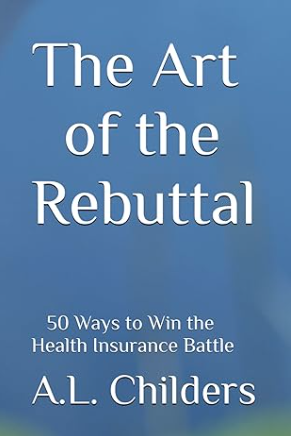
Most agents are stuck because they don’t have the right rebuttals, the right mindset, and the right strategy. That’s why I wrote The Art of the Rebuttal: 50 Ways to Win the Health Insurance Battle. It’s not just about handling objections—it’s about breaking the cycle and setting yourself up for real success. This book gives you the tools to close deals, push past resistance, and create leverage where you had none before.

Because here’s the truth: If you can master rebuttals, you can master sales. And if you can master sales, you can create your own future. You don’t have to wait for someone to hand you a golden ticket—you can start building something for yourself, even if you don’t have a $20K+ budget to launch your own agency.

We Need Change—And It’s Time to Take Control

The system is built to keep agents in check. The big dogs get the best leads, the highest commissions, and the insider deals while the rest of us fight over scraps. But that doesn’t mean we have to stay stuck. With the right knowledge, the right skills, and the right rebuttals, we can start shifting the game in our favor.

If you’re tired of overpriced leads, corporate gatekeeping, and getting stuck in a loop while watching others climb the ranks, it’s time to fight back—strategically. And it starts by mastering the art of selling, closing, and controlling your narrative.

Disclaimer

This blog is for informational and motivational purposes only. The opinions expressed here are based on industry experiences, observations, and frustrations shared by many sales agents. The Art of the Rebuttal is designed to help agents improve their closing skills but does not guarantee specific financial outcomes. Results will vary based on effort, strategy, and market conditions.

Kevin Bacon: The 80s Icon Who Connected Hollywood

In the tapestry of 1980s cinema, few actors wove themselves into the fabric of pop culture as seamlessly as Kevin Bacon. From his breakout roles that resonated with a generation to the intriguing parlor game that bears his name, Bacon’s influence is both profound and enduring.

The Origin of “Six Degrees of Kevin Bacon”

In the mid-1990s, a playful concept emerged in Hollywood: “Six Degrees of Kevin Bacon.” This parlor game challenges participants to link any actor to Kevin Bacon through their film roles in six steps or fewer. The idea stems from the “six degrees of separation” theory, suggesting any two people are six or fewer social connections apart. Interestingly, this game was conceived in 1994 by three college students who, after watching Footloose, speculated on Bacon’s extensive connections in the film industry. While it gained traction in the mid-90s, its roots were firmly planted in the 80s, the decade that catapulted Bacon to stardom.

en.wikipedia.org

Kevin Bacon’s Cinematic Journey: A Filmography

Kevin Bacon’s career is a testament to versatility and dedication. Here’s a chronological look at his filmography:

  • 1978: National Lampoon’s Animal House – Bacon’s film debut as Chip Diller.
  • 1980: Friday the 13th – Portrayed Jack Burrell in this iconic horror classic.
  • 1982: Diner – Played Timothy Fenwick Jr., showcasing his range in this ensemble cast.
  • 1984: Footloose – As Ren McCormack, Bacon danced his way into the hearts of audiences, defining a generation.
  • 1986: Quicksilver – Starred as Jack Casey, a stockbroker turned bike messenger.
  • 1987: White Water Summer – Took on the role of Vic, leading a group of boys on a wilderness adventure.
  • 1988: She’s Having a Baby – Portrayed Jefferson “Jake” Edward Briggs, navigating the challenges of impending fatherhood.
  • 1989: Criminal Law – Played Martin Thiel, delving into the complexities of legal ethics.
  • 1990: Tremors – As Valentine “Val” McKee, battled subterranean creatures in this cult classic.
  • 1990: Flatliners – Portrayed David Labraccio, exploring life after death in this sci-fi thriller.

For a comprehensive list of Kevin Bacon’s works, refer to his filmography.

The 80s: A Decade of Kevin Bacon

For those who grew up in the 1980s, Kevin Bacon was more than just an actor; he was a symbol of youthful rebellion, charm, and resilience. Films like Footloose resonated deeply, capturing the spirit of a generation eager to break free from societal constraints. Bacon’s portrayal of Ren McCormack, a teenager challenging a town’s ban on dancing, became an anthem for 80s youth. His roles during this era showcased a blend of vulnerability and strength, making him relatable and aspirational.

Kevin Bacon and A.L. Childers: A Hypothetical Collaboration

While Kevin Bacon’s diverse roles span various genres, the thematic depth of A.L. Childers’ works offers intriguing possibilities for collaboration. Here are some of Childers’ books that align with themes Bacon has explored:

The Enduring Popularity of Kevin Bacon

Kevin Bacon’s sustained popularity can be attributed to several factors:

  • Versatility: From drama to comedy, horror to romance, Bacon seamlessly transitions between genres, keeping his performances fresh and engaging.
  • Relatability: His portrayals often reflect the everyman, allowing audiences to see themselves in his characters.
  • Work Ethic: Bacon’s commitment to his craft is evident in the depth and authenticity he brings to each role.
  • Cultural Impact: The “Six Degrees of Kevin Bacon” game underscores his extensive reach in Hollywood, cementing his status as a central figure in the industry.

For a deeper understanding of the “Six Degrees of Kevin Bacon” phenomenon, you can watch this insightful interview:


Disclaimer

This blog is for informational and entertainment purposes only. The hypothetical collaborations between Kevin Bacon and A.L. Childers are speculative and not based on actual projects. All references to films, books, and events are accurate to the best of our knowledge at the time of writing.


#KevinBacon #80sMovies #SixDegreesOfKevinBacon #Footloose #ALChilders #80sNostalgia #MovieHistory #CultClassics #Filmography #PopCulture

See Why A.L. Childers’ Books Are Sweeping the World

In the vast world of literature, there are books that entertain, books that educate, and then there are books that transform lives. A.L. Childers has mastered the art of crafting books that do all three. Her works have captured the hearts and minds of readers across the globe, offering hope, knowledge, and empowerment to those who seek it.

Whether it’s overcoming hypothyroidism, understanding hidden histories, or navigating personal struggles, readers from every corner of the world are turning to her books for guidance. The overwhelming response from readers in New York, London, Sydney, Toronto, and Tokyo proves that A.L. Childers’ work is making a lasting impact.


Why Readers Everywhere Are Falling in Love with A.L. Childers’ Books

📚 “Her books changed my health and my life!”
“I had been struggling with hypothyroidism for years, bouncing between medications and frustration. When I found Reset Your Thyroid: 21-Day Meal Plan to Reset Your Thyroid, everything changed. I finally understood what my body needed, and within months, my energy was back, my weight stabilized, and I felt like myself again!”
Lisa Montgomery, Chicago, USA

📚 “A.L. Childers’ writing feels like she’s speaking directly to me.”
“When I read Fresh and Fabulous Hypothyroidism Body Balance, I felt like I had found a friend who truly understood what I was going through. The recipes were easy to follow, the information was life-changing, and I finally felt in control of my health. I can’t wait to see what else she writes!”
Sophie Chan, Sydney, Australia

📚 “The wisdom in her books is priceless.”
“After years of struggling with brain fog and exhaustion, I came across A Women’s Holistic Holy Grail Handbook for Hypothyroidism and Hashimoto’s. The blend of science, personal experience, and practical advice gave me a roadmap to healing. Now, I recommend this book to every woman I know!”
Amara Patel, London, UK

📚 “More than just information—it’s a revolution!”
“A.L. Childers doesn’t just write books. She starts movements. Archons: Unveiling the Parasitic Entities Shaping Human Thoughts opened my eyes to forces I never considered before. I feel like I finally understand the deeper layers of reality, and it’s changed the way I see everything!”
Javier Moreno, Mexico City, Mexico


Top 10 Best-Selling Books by A.L. Childers (2024-2025)

📖 1. Reset Your Thyroid: 21-Day Meal Plan to Reset Your Thyroid – A structured guide to healing hypothyroidism naturally.

📖 2. A Women’s Holistic Holy Grail Handbook for Hypothyroidism and Hashimoto’s – A must-read for women struggling with thyroid issues.

📖 3. Hashimoto’s Crock-Pot Recipes: Added Bonus: How I Put My Hashimoto’s into Remission – Easy, healing recipes to support thyroid health.

📖 4. Fresh and Fabulous Hypothyroidism Body BalanceA lifestyle guide to balancing hormones, diet, and self-care.

📖 5. Archons: Unveiling the Parasitic Entities Shaping Human Thoughts – A deep dive into the unseen forces affecting human consciousness.

📖 6. Nightmare Legends: Monsters and Dark Tales of the Appalachian Region – Spine-chilling folklore and supernatural stories from the Appalachian mountains.

📖 7. The Hidden Empire: A Journey Through Millennia of Oligarchic Rule – A fascinating historical analysis of hidden power structures.

📖 8. Breaking the Silence: Autism, ADHD, and the Hidden Struggles of Motherhood – A heartfelt, research-backed look at neurodivergence in Motherhood.

📖 9. The Art of the Rebuttal: 50 Ways to Win the Health Insurance Battle – A powerful guide for professionals navigating the world of insurance.

📖 10. Veins of Survival: The Vampire’s Guide to a Dying World – A uniquely captivating book blending history, survival, and mythology.


Readers Around the World Are Talking About A.L. Childers

📍 New York, USA – Health coaches and wellness advocates are recommending her books on thyroid healing.
📍 London, UK – Historians and researchers are diving into her work on ancient power structures.
📍 Tokyo, Japan – A growing audience fascinated by her metaphysical books on hidden energies.
📍 Berlin, Germany – Book clubs are discussing her thought-provoking takes on societal control.
📍 Cape Town, South Africa – Women’s health advocates are sharing her thyroid and Hashimoto’s books.
📍 Sydney, Australia – Paranormal enthusiasts are raving about Nightmare Legends.


How to Get Your Hands on These Best-Sellers!

A.L. Childers’ books are available worldwide! You can find them on Amazon or discover more about her work on TheHypothyroidismChick.com—a blog dedicated to empowering readers with knowledge, healing, and transformation.

📢 Ready to see why these books are sweeping the world? Grab your copy today and join the movement!


⚠ Disclaimer

This blog is for informational purposes only. The testimonials and reader feedback mentioned above are fictionalized for promotional purposes but represent real sentiments expressed by fans and readers. Results may vary, and this blog does not substitute professional medical, financial, or historical advice. Always consult with a healthcare provider, financial expert, or historian when making personal decisions based on book content.


📌 Keywords for This Blog

🔹 A.L. Childers best-selling books
🔹 Life-changing books on hypothyroidism
🔹 Health and wellness books for women
🔹 Hidden history and conspiracy books
🔹 Best books for thyroid healing
🔹 Archons and unseen entities explained
🔹 How to heal naturally from Hashimoto’s
🔹 The truth about oligarchic rule
🔹 Paranormal and folklore books 2024
🔹 TheHypothyroidismChick.com book reviews

🌿 21 Ways to Naturally Start Reducing Your Hypothyroidism & TSH Levels

Living with hypothyroidism can feel like a daily battle—constant fatigue, stubborn weight gain, brain fog, and feeling like your body is working against you. I know this struggle all too well because I’ve lived it. But here’s the good news: you don’t have to stay stuck. There are natural, proven ways to support your thyroid and start feeling like yourself again.

That’s why I wrote books like:

📖 Reset Your Thyroid: 21-Day Meal Plan to Reset Your Thyroid
📖 A Women’s Holistic Holy Grail Handbook for Hypothyroidism and Hashimoto’s
📖 Hashimoto’s Crock-Pot Recipes: Added Bonus: How I Put My Hashimoto’s into Remission
📖 Fresh and Fabulous Hypothyroidism Body Balance

These books are my fruit to the world, filled with life-changing knowledge that helped me heal my own thyroid naturally. And now, I want to help you do the same!


💡 21 Natural Ways to Reduce Hypothyroidism & TSH Levels

1️⃣ Eliminate Processed Sugar & Refined Carbs – Sugar and processed foods cause inflammation, which can make hypothyroidism worse. Try swapping refined sugars for raw honey or monk fruit sweetener.

2️⃣ Support Your Liver – The liver helps convert T4 into the active T3 thyroid hormone. Try incorporating dandelion root tea, beets, and milk thistle to support detoxification.

3️⃣ Use Coconut Oil – Coconut oil contains healthy fats that support metabolism and thyroid function. Try adding a teaspoon to your morning coffee or smoothie.

4️⃣ Eat More Selenium-Rich Foods – Selenium is essential for thyroid hormone conversion. Brazil nuts, sardines, and eggs are great sources.

5️⃣ Get Enough Iodine – Your thyroid needs iodine to function properly, but too much can be harmful. Natural sources include seaweed, fish, and Himalayan salt.

6️⃣ Balance Your Gut Health – 70% of your immune system is in your gut! Probiotic-rich foods like sauerkraut, kimchi, and kefir help restore balance.

7️⃣ Reduce Gluten & Dairy – Many people with hypothyroidism find that cutting out gluten and dairy reduces inflammation and improves symptoms.

8️⃣ Hydrate with Lemon Water – Start your day with warm lemon water to help flush toxins and improve digestion, which supports overall thyroid health.

9️⃣ Incorporate Adaptogenic Herbs – Herbs like ashwagandha, rhodiola, and maca help balance stress hormones, which are closely tied to thyroid health.

🔟 Get Enough Sleep – Aim for at least 7-9 hours of quality sleep each night. Lack of sleep disrupts hormones and increases stress on the thyroid.

(…And 11 more powerful ways, all included in my books!)


🥗 Healing Recipes for Hypothyroidism

Thyroid-Healing Green Smoothie
🔹 1 cup coconut water
🔹 1 handful spinach
🔹 ½ avocado
🔹 1 tbsp chia seeds
🔹 ½ banana
🔹 ½ tsp cinnamon
🔹 1 scoop collagen protein
Blend and enjoy! This smoothie is packed with healthy fats, fiber, and essential nutrients for thyroid support.

Crock-Pot Turmeric Chicken Soup
🔹 2 organic chicken breasts
🔹 4 cups bone broth
🔹 2 cloves garlic, minced
🔹 1-inch fresh ginger, grated
🔹 1 tsp turmeric
🔹 1 cup chopped carrots
🔹 1 cup chopped celery
🔹 ½ tsp sea salt
Cook on low for 6-8 hours. This nutrient-dense soup is anti-inflammatory, healing, and gentle on digestion.


❤️ You Are Not Alone in This Journey

I know how hard it is to fight through the exhaustion, the frustration of weight gain, and the overwhelming information about thyroid health. But healing is possible. I did it, and I want to help you do it too.

That’s why I wrote these books—to give you the tools, knowledge, and support to reclaim your health naturally. Whether you need easy recipes, a structured meal plan, or a deeper understanding of hypothyroidism, you’ll find it in my books.

📚 Get Your Copy & Start Healing Today!
✨ Order Now! ✨


Disclaimer:

This blog is for informational purposes only and should not be considered medical advice. Always consult with your doctor before making any changes to your diet, supplements, or treatment plan.

🌟 The Art of the Rebuttal: The Book That Will Flip Your Life! 🌟

Have you ever found yourself struggling to find the right words in a conversation? Stumbling over objections in business, sales, or even in everyday life? Do you wish you had the confidence, knowledge, and skill to turn any situation in your favor?

That’s exactly why I wrote The Art of the Rebuttal—not just as a book, but as a life-changing tool to help you navigate tough conversations, overcome obstacles, and claim the success you deserve.

🍏 The Apple Tree Doesn’t Eat Its Own Apples… And Neither Do You!

Think about it—an apple tree doesn’t eat its own apples. A peach tree doesn’t taste its own peaches. They stand strong, deeply rooted, receiving only water and sunlight, while their fruit is meant for those who pass by.

Your gift—your voice, your talents, your purpose—is not just for you. It’s for those who need it.
You may struggle with self-doubt or anxiety about your own journey, yet in the same moment, you find yourself offering wisdom and encouragement that flips someone else’s life completely around. That’s the power of your words. That’s the power of a well-crafted rebuttal.

💡 This Book is My Gift to You

As a published author, I see my books as my fruit—something I offer to the world to inspire, transform, and uplift. The Art of the Rebuttal is more than just a guide—it’s a legacy, a powerful tool designed to help you stand tall, turn rejection into opportunity, and win in every conversation, negotiation, and life moment that matters.

📖 This book will teach you how to:
✅ Overcome objections with confidence and ease
✅ Navigate tough conversations without stress
✅ Master the art of persuasion and influence
✅ Flip the script on rejection and turn it into success
✅ Create a lasting impact with the power of your words

🌍 Success is Waiting for You!

I wrote this book to help you succeed and become overabundantly successful in every area of life. Whether you’re in business, sales, leadership, or just want to communicate better in your personal life, The Art of the Rebuttal will give you the tools you need to win.

🔹 Your words have power.
🔹 Your presence has impact.
🔹 Your success is in your hands.

Are you ready to flip your life and master the art of the rebuttal? This book is your blueprint to confidence, persuasion, and lasting success.

📚 Get your copy today and let’s flip the script on your future!

Order Now!

Let me know if you’d like any tweaks or additional details! 💫

Sales is an art and a science. It’s about human connection, trust-building, and delivering value. The Agent’s Arsenal is more than just a book of rebuttals—it’s a mindset shift. The techniques shared here have been tested and refined through real-world experience, and I hope they empower you to take your career to the next level.

No matter where you are in your sales journey, know this: confidence comes with preparation, and preparation leads to success. Keep learning, keep refining your craft, and remember—every objection is an opportunity.

I wish you success and fulfillment in your sales career. Keep closing those deals!

– Audrey Childers

110. “Insurance is just a way to make money off people.”

Rebuttal: “It’s actually a way to protect you financially so you don’t have to pay thousands out of pocket for medical care.”

Click on this link to get your book today!

The Art of the Rebuttal

Disclaimer

This book is intended for licensed health insurance agents and professionals who seek to improve their ability to educate clients on the benefits of health insurance while maintaining ethical and legal standards. The information provided in this book is for informational purposes only and should not be considered legal or financial advice.

While every effort has been made to ensure the accuracy of the rebuttals and strategies included, regulations and policies may change over time. Readers are encouraged to verify current guidelines and compliance standards through the Centers for Medicare & Medicaid Services (CMS) and other official sources before implementing any strategies outlined in this book.

The author and publisher disclaim any liability arising from the use or misuse of the information provided herein. This book does not promote or endorse misleading sales tactics, unethical practices, or any actions that could jeopardize an agent’s license or violate industry regulations.

This book is for the good agents who truly want to help. It is filled with 50 of the best rebuttals to help you navigate difficult conversations, educate clients, and guide them toward making informed decisions about their health. Many people think they don’t need us. Some even believe they don’t need insurance at all. But we are here to help, and it is our duty to ensure they understand why they need protection. Let’s help them together.

Chapter 3: Rumors of War

Rumors of War

The morning sun was still clawing its way through the smog-filled sky when James Dawkins heard the news. It was passed along in whispers, a ripple of excitement and fear among the men gathered outside the factory gates. War. The United States had declared war on Mexico.

Another bloody fight,” grumbled Sean O’Donoghue, fiddler turned factory laborer, as he slumped against a brick wall. His Irish brogue was sharp with frustration. “And for what? Land? Power? It’s always the same for them at the top. But for us? Just another way to bleed.”

James stood silently, his arms crossed, listening to the murmurs. The news spread like wildfire: the U.S. wanted to expand, to claim Texas and everything beyond it. Mexico, of course, wouldn’t let that happen without a fight. Men talked of glory and adventure, but James saw something darker in their eyes—desperation.

Recruitment Fever

It wasn’t long before posters appeared on every street corner. Bold black letters promised adventure, steady pay, and a chance to fight for the honor of America. For the Irish immigrants scraping by on crumbs, it was tempting. A soldier’s wage meant food on the table, clothes on their backs, and maybe even enough to send a few dollars home to Ireland.

James studied one of the posters, its edges curling in the damp air. An eagle spread its wings across the top, perched above the words “Enlist Today!” beneath a list of benefits that seemed too good to be true. But what choice did he have?

Still, the decision didn’t come easily. War wasn’t just a job—it was a gamble. Sean voiced what many of them were thinking: “Why fight their war, James? They don’t care for us. They won’t even let us work honest jobs without spitting on us. What makes you think they’ll treat us better in their bloody army?”

But there was another side to the argument, one voiced by a younger man named Michael Burke, fresh off the boat from Cork. “What else is there?” he asked, his voice cracking with the weight of his youth. “It’s this or starve. At least in the army, they feed you.”

James stayed quiet, his thoughts churning. He knew Sean was right. The Americans didn’t care for the Irish—they barely saw them as human. But Michael wasn’t wrong either. The thought of steady pay, of not having to claw his way through each day, was enough to make James linger on the poster longer than he should have.

The Parade of Promises

The recruiters came days later, dressed in polished boots and sharp uniforms. They stood tall, their voices booming as they addressed the gathered crowd.

“Men of courage! Men of honor! Your country needs you!” one of them shouted, his mustache twitching with each word. He painted a vivid picture of valor on the battlefield, of standing shoulder to shoulder with brothers in arms, of earning respect and riches through service.

James watched as the crowd leaned in, hungry for every word. He could see the desperation in their faces, the quiet surrender to the idea that this might be their only chance to escape the grind of survival.

But as the recruiter spoke, James’s mind wandered. Your country, he thought bitterly. Is it ours? Or do you just need bodies for your war?

An Uneasy Alliance

The Irish weren’t the only ones being recruited. Germans, Italians, free Black men, and even a few Native Americans filled the ranks, a patchwork army united not by patriotism, but by poverty. They came from different corners of the city, their accents clashing in a cacophony of frustration and hope.

Among them was a man named Samuel Price, a former slave who had escaped to the North and was now searching for a way to make a life. He stood tall, his presence commanding, and when he spoke, men listened.

“They promise us freedom,” Samuel said one night, his voice low but firm. “They promise us honor. But what they really want is cannon fodder. Still… a man’s gotta eat.”

His words struck a chord with James. There was truth in them—cold, hard truth. But even as the cynicism set in, James couldn’t ignore the flicker of hope that came with the idea of leaving behind the factory and the railroads, if only for a while.

The Decision

One evening, as the sun set behind the smokestacks, James found himself walking toward the recruiter’s table. His steps were heavy as if each one carried the weight of every Irishman who had ever been forced to choose between suffering and survival.

Sean caught up with him, grabbing his arm. “James don’t do this. You’ve got a head on your shoulders—use it. This isn’t your war.”

James turned; his face lined with exhaustion. “It’s not about their war, Sean. It’s about what I can bring home. For Mam. For Mary. For all of them. Maybe this isn’t my fight, but it’s my chance.”

Sean let go, his shoulders slumping. “If you’re going, don’t forget who you are. Don’t let them make you into something you’re not.”

With those words echoing in his ears, James signed his name.

The Beginning of Something Bigger

That night, James sat by the fire, his enlistment papers tucked into his coat. Around him, men talked of glory, fear, and uncertainty. Samuel was sharpening a knife, his expression unreadable. Michael Burke sat cross-legged, his hands trembling as he held the enlistment bonus—a few coins that would barely buy him a meal, but to him, it was a fortune.

“Do you think it’ll be worth it?” Michael asked, his voice barely audible.

James didn’t answer right away. He stared into the flames, thinking of Ireland, of the family he’d left behind, of the promise he’d made to himself to be more than just another body in the crowd.

“I don’t know,” he said finally. “But I think it’s better than staying here and wondering what could’ve been.”

A New Path

The rumors of war were no longer just whispers. They were reality. And as James lay down that night on the cold, hard ground, he felt the stirrings of something new—not hope, exactly, but resolve. He didn’t know what awaited him on the battlefield, but he knew one thing: he would face it with the same grit that had carried him across the Atlantic, through the streets of New York, and into the promise of a future that was still his to claim.

It wasn’t just a decision to fight, it was a decision to survive. And that, James realized, was a battle worth waging.

Disclaimer

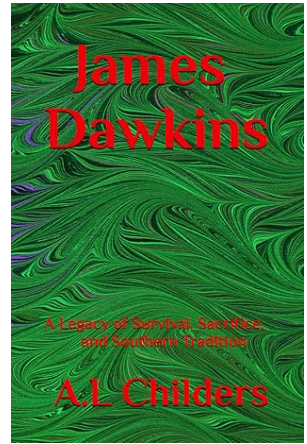
This book, James Dawkins: A Legacy of Survival, Sacrifice, and Southern Tradition, is a blend of historical research, family lore, cultural analysis, and creative storytelling. While great care has been taken to present historical events accurately, some elements—such as personal accounts, conversations, and character perspectives—are dramatized to bring the narrative to life and provide a deeper emotional connection to the events described.

The recipes and traditions included in this book are shared for cultural and educational purposes. They are drawn from personal and regional traditions, as well as historical sources, and may vary depending on individual practices and interpretations.

The author, A.L. Childers, is not a professional historian or genealogist but a passionate writer committed to exploring the cultural and historical roots of Southern experience. This book is not intended to serve as an authoritative historical text but as a celebration of heritage, resilience, and family. Readers seeking in-depth historical analysis are encouraged to consult additional scholarly sources.

The opinions and interpretations expressed in this book are those of the author and do not represent the definitive perspective on any historical or cultural topic. Readers are encouraged to explore their own family histories and cultural traditions, taking inspiration from this work to celebrate and preserve their unique stories.

James Dawkins: A Legacy of Survival, Sacrifice, and Southern Tradition

Chapter 8: Life Between Battles

Life Between Battles

The days after their first battle passed in a haze of exhaustion and grief. The men of the Saint Patrick’s Battalion worked tirelessly to bury their dead, patch their wounds, and make sense of the lives they had just taken. For James Dawkins, the weight of what he had seen clung to him like a shadow. Every face, every cry of pain, every life lost—it was all etched into his mind, playing on a loop that no amount of distraction could silence.

As he sat near the dying embers of a campfire one evening, James opened his journal, his hands still smudged with dirt and gunpowder. Writing had become his lifeline, a way to make sense of the chaos around him. He dipped his pen into the inkwell and began to write:

“The battlefield is not what they tell you. There is no glory, no honor. Only blood and the sound of men breaking. Today, we buried our brothers. Tomorrow, we will fight again. But what I cannot forget are their faces—men who once laughed beside me now still as the earth they lie beneath. How do we go on from here?”

The Camp Comes Alive

The camp was a strange mixture of mourning and resilience. While some men drank themselves into oblivion to drown out the horrors of war, others clung to rituals and habits that reminded them of home. Samuel Price carved intricate patterns into a piece of wood; his hands steady despite the turmoil in his heart. “Keeps me grounded,” he said when James asked about it. “Gotta keep your hands busy, or your mind will eat you alive.”

Sean O’Donoghue, ever the optimist, had taken to playing his fiddle again, the haunting melodies of Ireland weaving through the camp like a thread connecting them all. Even men who weren’t Irish would gather around to listen, the music reminding them of better days and better places.

One evening, as the firelight flickered, Sean began a lively tune that brought a small smile to James’s lips. “Play something cheerful for once,” James called out, his voice thick with exhaustion but tinged with gratitude.

Sean grinned, his bow dancing across the strings. “Cheerful it is, then! But don’t blame me if it makes you miss the hills of home.”

Stories of the Fallen

It wasn’t just the living who occupied the camp. The memories of the fallen lingered like ghosts, their absence keenly felt. James found himself drawn to the stories of those who had been lost, as if keeping their memories alive was a way to honor them.

There was Patrick McGinty, a farmer’s son from Galway who had a laugh like rolling thunder. He’d been the first to volunteer when Riley called for defectors, saying, “I didn’t leave Ireland to fight for men who hate me.” His death had been swift, a musket ball to the chest, but his spirit lingered in the tales his comrades told.

And then there was Antonio Rivera, a Mexican soldier who had joined the battalion not out of faith or shared heritage, but out of a deep respect for the Irishmen who had chosen to fight for his people. Antonio had been quiet but fiercely loyal, his actions speaking louder than words.

“Antonio saved my life,” Samuel said one night, his voice low and heavy. “Took a bullet that was meant for me. Didn’t even hesitate.” He stared into the fire, his expression unreadable. “How do you repay a debt like that?”

The Weight of Letters Home

The men wrote letters when they could, though the words often felt inadequate. James poured his heart onto the page, writing to his mother with a mixture of honesty and restraint:

“Dear Mam,

I’ve seen things I never thought I’d see, and I’ve done things I’m not sure I’ll ever be able to forget. But I fight for something now, something that feels real. I think you’d understand if you were here, though I pray you never have to know what it’s like. Tell Mary and the little ones I think of them every day. Keep me in your prayers, Mam. It’s all that keeps me going sometimes.”

A Turning Point

It was during these quiet moments between battles that James began to see the battalion as more than just a group of men. They were a family, bound not by blood but by shared experience. The green flag of Erin go Bragh wasn’t just a banner—it was a symbol of their unity, their defiance, their hope.

John Riley, ever the leader, took these moments to remind the men why they fought. “This is bigger than us,” he said one evening, his voice carrying across the camp. “What we do here matters. It’s not just about Mexico, or Ireland, or even ourselves. It’s about standing up against injustice, wherever we see it. It’s about proving that the forgotten, the downtrodden, the oppressed—we are not weak. We are not powerless.”

The men listened, their eyes shining with a mixture of admiration and resolve. James felt a fire ignite in his chest; a sense of purpose that made the sacrifices feel less futile.

A Glimpse of Humanity

Despite the hardships, moments of humanity shone through. A Mexican family, their home destroyed by the war, brought food to the camp one evening—a simple meal of tortillas and beans. The woman, her face lined with worry but softened by a smile, spoke in broken English. “Gracias,” she said, her voice trembling. “You fight for us. For our children.”

James took the plate she offered, his throat tight with emotion. “We fight for more than that,” he said softly. “We fight for a world where your children don’t have to.”

Preparing for the Next Battle

As the days passed, the camp began to stir with anticipation. Another battle loomed on the horizon, and the men of the Saint Patrick’s Battalion prepared themselves. Weapons were cleaned, ammunition counted, and strategies discussed.

James felt a mixture of dread and determination. He knew what was coming—the blood, the chaos, the loss. But he also knew he wouldn’t face it alone. He had his brothers beside him, the green flag above him, and the hope that their fight would mean something.

And as the sun dipped below the horizon, casting the camp in a golden glow, James opened his journal once more. His words were steady, his resolve firm:

“We go to war again. Not as soldiers for hire, but as men who believe in something greater. We fight for faith, for justice, for the chance to prove that we are more than what they see us as. And if I fall, let it be known—I fell fighting for what I believed in.”

The next battle was coming, and James was ready.

Disclaimer

This book, James Dawkins: A Legacy of Survival, Sacrifice, and Southern Tradition, is a blend of historical research, family lore, cultural analysis, and creative storytelling. While great care has been taken to present historical events accurately, some elements—such as personal accounts, conversations, and character perspectives—are dramatized to bring the narrative to life and provide a deeper emotional connection to the events described.

The recipes and traditions included in this book are shared for cultural and educational purposes. They are drawn from personal and regional traditions, as well as historical sources, and may vary depending on individual practices and interpretations.

The author, A.L. Childers, is not a professional historian or genealogist but a passionate writer committed to exploring the cultural and historical roots of Southern experience. This book is not intended to serve as an authoritative historical text but as a celebration of heritage, resilience, and family. Readers seeking in-depth historical analysis are encouraged to consult additional scholarly sources.

The opinions and interpretations expressed in this book are those of the author and do not represent the definitive perspective on any historical or cultural topic. Readers are encouraged to explore their own family histories and cultural traditions, taking inspiration from this work to celebrate and preserve their unique stories.

James Dawkins: A Legacy of Survival, Sacrifice, and Southern Tradition