Daily Archives: August 26, 2025

The Whores of Modern-Day Babylon: Fame, Power, and the Illusion of Glory

From ancient times to the digital age, societies have always exalted certain figures while condemning others. In the book of Revelation, Babylon was portrayed as “the mother of prostitutes and abominations of the earth” (Revelation 17:5). It symbolized corruption, seduction, and the entanglement of political, spiritual, and economic power.

Today, many argue that we are living in a modern-day Babylon — not a literal city, but a global culture where fame and fortune are often granted to those who embody vanity, excess, and scandal.

Who Makes Them Famous?

The answer is simple: we do.

Mass media corporations, entertainment moguls, and — increasingly — algorithms on platforms like TikTok, Instagram, and YouTube elevate people into stardom. But the fuel for their rise comes from the millions of clicks, views, and shares by everyday users. Fame is no longer reserved for kings, queens, or prophets; it is manufactured by the audience, who reward shock value and controversy with attention.

As cultural critic Neil Postman argued in Amusing Ourselves to Death (1985), our society has shifted from being defined by ideas to being dominated by entertainment. This is why scandals, affairs, and over-the-top personalities dominate headlines: they sell.

Why Are They Famous?

Modern “whores of Babylon” — whether celebrities, influencers, or reality TV stars — are not necessarily famous for virtue or talent. They are famous because they embody the spectacle.

  • Sexualization & Scandal: Just as ancient Babylon was known for indulgence, today’s culture elevates sexuality as a marketing tool. From Kim Kardashian’s rise through a leaked scandal to OnlyFans creators monetizing private lives, sexuality remains a powerful driver of fame.
  • Materialism & Wealth: The flaunting of luxury cars, mansions, and designer fashion fuels the illusion of success. As historian Thorstein Veblen described in The Theory of the Leisure Class (1899), conspicuous consumption has always been a marker of social status.
  • Rebellion & Shock Value: Figures who defy tradition, mock morality, or flaunt excess often become cult icons — not because they embody truth, but because they reflect a society craving escape and entertainment.

Why Does It Matter?

Modern Babylon thrives because people hunger for meaning but settle for distraction. These “whores” are symbols — not of individuals alone, but of a culture that worships fame over wisdom, consumption over contentment, and spectacle over substance.

The prophets of old warned that Babylon’s glory would fall (Isaiah 21:9). Whether one views this metaphorically or literally, the lesson remains: a society built on empty idols cannot endure forever.


Disclaimer

This blog is a cultural critique intended for educational and reflective purposes. The term “whores of Babylon” is used symbolically, not as a personal attack against individuals. Readers are encouraged to critically evaluate modern culture and form their own conclusions.


About the Author

A.L. Childers is a multi-genre author and social commentator who explores the intersections of history, spirituality, and modern life. From ancient scripture to contemporary pop culture, her works invite readers to uncover hidden truths beneath the noise of modern society.


SEO Keywords: modern-day Babylon, whores of Babylon meaning, why celebrities are famous, manufactured fame, social media influencers, cultural critique, celebrity scandals, Babylon prophecy.

The Collapse of Old Certainties: Why Humanity Still Hungers for Meaning

For millennia, religion offered humanity its bedrock of truth. The Torah, the Qur’an, the Bible, the Vedas — each proclaimed itself the ultimate authority on existence, morality, and purpose. For many, these sacred texts were not merely guides but absolute certainties in an uncertain world.

But the modern age shattered those certainties.

Science revealed a universe not created in an instant, but stretched across billions of galaxies and billions of years. Darwin reframed our story: humanity was not sculpted fully formed, but emerged through the grinding struggle of evolution. Nietzsche’s infamous declaration that “God is dead” was not a dismissal of the divine, but an observation that modern man had ceased to believe.

And yet, the void left by collapsing faith was never empty. The hunger for meaning remained.

Instead of dying with the gods of old, this longing migrated into new temples: ideologies, nationalism, politics, consumerism, even technology. Progress became a creed. Nations became religions. The promise of markets and machines became scripture.

As historian Yuval Noah Harari reminds us in Sapiens (2014), humans are “story-telling animals.” Our civilizations are not held together merely by laws or economics but by shared myths — whether the divine right of kings, the universality of human rights, or the invisible hand of the market.

The old certainties may have crumbled, but our search for ultimate meaning has never waned. Perhaps the question isn’t whether God is dead — but what new gods we’ve unknowingly enthroned.


Disclaimer

This blog is for educational and reflective purposes only. It is not intended to provide religious, philosophical, or scientific authority. Readers are encouraged to explore multiple perspectives and draw their own conclusions.


About the Author

A.L. Childers is a multi-genre author and researcher whose works explore the intersections of history, philosophy, spirituality, and modern life. Known for blending storytelling with investigative depth, Childers invites readers to question the narratives that shape our world while finding wisdom that endures.


A Glimpse of What’s Coming

This post is an early glimpse into my upcoming book, Principles and Symbols: A Guide to Eternal Wisdom in a Modern World. In it, I expand on how humanity’s ancient search for meaning continues to echo through philosophy, religion, science, and politics — and why the collapse of old certainties may be the key to building a more honest foundation for the future.


SEO Keywords Included: collapse of religion, meaning of life, search for truth, Nietzsche God is dead, Yuval Noah Harari Sapiens, modern spirituality, philosophy of meaning, human history myths.

🍁 The Magic of Autumn: History, Traditions, and Why We Celebrate the First Day of Fall

Autumn is almost here! With the official start of fall arriving on September 1st (meteorological autumn) and September 22nd–23rd (astronomical autumn, based on the equinox), the excitement is undeniable. Crisp air, colorful leaves, pumpkins, and cozy nights bring people together as the world transitions from summer’s heat to winter’s chill.

But have you ever wondered where our fall traditions come from—or why this season has held such symbolic meaning across cultures for centuries? Let’s dive into the history of autumn and explore why it’s one of the most beloved times of the year.


🍂 The History of Autumn Celebrations

1. Ancient Equinox Celebrations

The autumn equinox (around September 22nd–23rd in the Northern Hemisphere) has been celebrated since ancient times:

  • Druids & Celts honored Mabon, a festival marking balance between light and dark.
  • Ancient Greeks tied the equinox to the myth of Persephone’s return to the underworld, symbolizing the start of harvest decline.
  • China & East Asia celebrate the Mid-Autumn Festival, honoring the harvest moon with lanterns, family reunions, and mooncakes.

2. Harvest Festivals in Europe

Throughout medieval Europe, fall was celebrated as the harvest season. Communities gathered crops, held fairs, and gave thanks for the bounty. Traditions like apple-picking, cider-making, and communal feasts became rooted in European culture.

3. Thanksgiving & American Fall Traditions

In the United States, fall is closely tied to Thanksgiving—a harvest celebration influenced by European customs and Native American agricultural traditions. Pumpkins, corn, and cranberries became symbolic foods of the season.

4. Halloween’s Autumn Roots

Halloween (October 31st) originates from Samhain, a Celtic festival marking the end of harvest and the beginning of the darker half of the year. Pumpkins, ghosts, and costumes all stem from ancient practices of honoring ancestors and warding off spirits.


🎃 Why Autumn Still Captures Our Hearts Today

  • Natural beauty: Fiery leaves, golden sunsets, and crisp mornings remind us of the fleeting beauty of nature.
  • Seasonal foods: Pumpkin spice, apples, cinnamon, and warm stews bring comfort.
  • Symbolism: Autumn represents balance, gratitude, and preparation—both physically and spiritually.
  • Festivities: From Halloween to Thanksgiving, it’s the most celebration-filled season of the year.

📖 References

  • Hutton, Ronald. The Stations of the Sun: A History of the Ritual Year in Britain. Oxford University Press, 1996.
  • Harper, Marjorie. The Origins of Halloween and Samhain. Cambridge Historical Review, 2002.
  • Littleton, C. Scott. Mythology: The Illustrated Anthology of World Myth and Storytelling. HarperCollins, 2002.
  • Britannica. “Autumn Equinox.” Britannica.com.
  • China Highlights. “Mid-Autumn Festival History and Traditions.” Chinahighlights.com.

✍️ About the Author

Audrey L. Childers is an author, researcher, and lover of seasonal traditions who weaves history, folklore, and modern culture into her writing. Her books and blogs inspire readers to embrace life’s transitions—whether through food, history, or storytelling. Audrey is also the voice behind The Hypothyroidism Chick blog, where she shares recipes, wellness advice, and lifestyle inspiration.


⚠️ Disclaimer

This blog is for informational and educational purposes only. While cultural and historical traditions are discussed, interpretations of history and folklore may vary. Always consult reputable sources for academic research, and enjoy seasonal practices in ways that align with your beliefs and lifestyle.


SEO Keywords: history of autumn, autumn equinox traditions, fall harvest festivals, why we celebrate fall, history of Halloween, Mid-Autumn Festival, meaning of autumn.

5 Cozy Hypothyroidism-Friendly Fall Recipes You’ll Love

Fall is the season of warmth, comfort, and flavor—and if you’re living with hypothyroidism, you may be wondering if you need to give up your favorite autumn recipes. The truth is, you don’t! With just a few smart substitutions, you can still savor hearty soups, roasted veggies, and sweet seasonal treats—all while supporting your thyroid health.

That’s why I wrote The Best Little Hypothyroidism Autumn Cookbook—to bring back the joy of fall flavors without the worry. Below are 5 recipes straight from my kitchen to yours, designed to feel like inviting an old friend over for coffee.


🥣 1. Pumpkin & Coconut Milk Soup

Ingredients:

  • 2 cups pumpkin purée (fresh or canned, BPA-free)
  • 1 cup full-fat coconut milk
  • 2 cups low-sodium chicken or vegetable broth
  • 1 Tbsp olive oil
  • 1 small onion, diced
  • 2 garlic cloves, minced
  • 1 tsp turmeric
  • 1 tsp ginger (grated or ground)
  • Salt & pepper to taste

Instructions:

  1. Heat olive oil in a pot and sauté onion and garlic until fragrant.
  2. Add pumpkin, broth, turmeric, and ginger. Stir well.
  3. Simmer for 10 minutes.
  4. Add coconut milk and blend with an immersion blender until creamy.
  5. Season with salt and pepper, serve warm with fresh herbs on top.

Why it’s thyroid-friendly: Coconut milk supports healthy fats while turmeric and ginger help balance inflammation.


🥗 2. Roasted Brussels Sprouts with Apple & Pecans

Ingredients:

  • 1 lb Brussels sprouts, trimmed and halved
  • 1 medium apple, diced (Fuji or Honeycrisp work best)
  • ½ cup pecans, roughly chopped
  • 2 Tbsp olive oil
  • 1 Tbsp apple cider vinegar
  • Salt & pepper to taste

Instructions:

  1. Preheat oven to 400°F (200°C).
  2. Toss sprouts with olive oil, vinegar, salt, and pepper.
  3. Spread evenly on a baking sheet.
  4. Roast for 20–25 minutes, stirring once halfway through.
  5. Add apple and pecans, roast an additional 5 minutes.
  6. Serve warm as a side dish.

Why it’s thyroid-friendly: Cruciferous veggies are fine when cooked (not raw), apples add antioxidants, and pecans bring healthy fats.


🐟 3. Maple-Glazed Salmon with Roasted Vegetables

Ingredients:

  • 4 salmon fillets (wild-caught preferred)
  • 2 Tbsp pure maple syrup
  • 1 Tbsp coconut aminos (soy-free substitute)
  • 1 Tbsp olive oil
  • 2 sweet potatoes, diced
  • 2 carrots, sliced
  • 1 beet, diced
  • Salt & pepper to taste

Instructions:

  1. Preheat oven to 375°F (190°C).
  2. Line a baking sheet with parchment paper.
  3. Toss sweet potatoes, carrots, and beets with olive oil, salt, and pepper. Roast for 20 minutes.
  4. Meanwhile, mix maple syrup and coconut aminos. Brush over salmon fillets.
  5. Place salmon on the baking sheet with vegetables and roast another 12–15 minutes, until salmon flakes easily.
  6. Serve hot with roasted vegetables.

Why it’s thyroid-friendly: Wild-caught salmon is packed with omega-3s, while sweet potatoes provide clean carbs for steady energy.


🍏 4. Warm Cinnamon-Baked Apples

Ingredients:

  • 4 medium apples, cored (leave skins on for fiber)
  • ¼ cup walnuts, chopped
  • 2 Tbsp honey or maple syrup
  • 1 tsp cinnamon
  • ½ tsp nutmeg
  • 2 Tbsp coconut oil or ghee

Instructions:

  1. Preheat oven to 350°F (175°C).
  2. Place apples in a small baking dish.
  3. Fill each apple with walnuts, drizzle with honey, and sprinkle with cinnamon and nutmeg.
  4. Dot with coconut oil or ghee.
  5. Bake for 25–30 minutes until apples are tender.
  6. Serve warm with a spoonful of coconut yogurt if desired.

Why it’s thyroid-friendly: Naturally sweet without refined sugar, with cinnamon for blood sugar balance.


🍠 5. Sweet Potato & Lentil Stew

Ingredients:

  • 2 medium sweet potatoes, diced
  • 1 cup dry red lentils, rinsed
  • 1 small onion, chopped
  • 2 carrots, sliced
  • 2 garlic cloves, minced
  • 1 tsp cumin
  • 1 tsp smoked paprika
  • 1 bay leaf
  • 5 cups low-sodium vegetable broth
  • 1 Tbsp olive oil
  • Salt & pepper to taste

Instructions:

  1. Heat olive oil in a large pot. Sauté onion, garlic, and carrots until softened.
  2. Stir in cumin, paprika, and bay leaf.
  3. Add sweet potatoes, lentils, and broth. Bring to a boil.
  4. Reduce heat, cover, and simmer for 25 minutes until lentils and potatoes are tender.
  5. Remove bay leaf, season with salt and pepper, and serve warm.

Why it’s thyroid-friendly: Lentils provide steady plant protein, while sweet potatoes are gentle on blood sugar and packed with beta-carotene.


✨ Why You’ll Love This Cookbook

The Best Little Hypothyroidism Autumn Cookbook is more than a recipe book—it’s a companion for fall. You’ll learn how to:

  • Recreate your favorite fall comfort foods with thyroid-friendly swaps.
  • Enjoy meals your whole family will love (without cooking separate dishes).
  • Support your thyroid naturally while still indulging in cozy seasonal flavors.

Switching to a hypothyroidism diet isn’t about loss—it’s about rediscovering the joy of food that heals.


🧡 About the Author

Audrey L. Childers is a health writer, thyroid advocate, and creator of The Hypothyroidism Chick. After years of struggling with her own thyroid health, Audrey dedicated her life to helping others thrive with simple, flavorful recipes and lifestyle shifts. She believes food should be medicine and comfort—and her cookbooks reflect that philosophy.

The Best Little Hypothyroidism Autumn CookBook


⚠️ Disclaimer

This blog and cookbook are for educational purposes only. The recipes are designed with thyroid-friendly ingredients, but they are not medical advice. Always consult your healthcare provider before making dietary changes, especially if you have hypothyroidism or other medical conditions.


SEO Keywords: hypothyroidism fall recipes, thyroid-friendly cookbook, healthy fall comfort food, hypothyroidism diet recipes, hypothyroidism cookbook autumn edition, thyroid-friendly soups and stews, hypothyroidism desserts.

🐺 The Real-Life Mowgli: The Forgotten Story of Dina Sanichar, India’s Wolf Boy

When most people think of The Jungle Book, they imagine Mowgli running with wolves, talking to Bagheera the panther, and singing along with Baloo the bear. But long before Disney brought the story to life, there was a real boy in India whose life eerily mirrored the tale—though without the magic or happy ending. His name was Dina Sanichar, and he became known as the Wolf Boy of India.


🌿 Discovery in the Jungles of India

In 1872, hunters deep in the forests near Bulandshahr, India, made a shocking discovery. Inside a cave, they found a child moving swiftly among a pack of wolves—on all fours, wild, and feral. He wasn’t more than six years old. His hair was matted, his body filthy, nails claw-like, and his eyes sharp with suspicion.

The boy appeared to have been raised entirely by wolves, with no exposure to language, warmth, or human contact. This haunting scene would mark the beginning of one of the most remarkable and tragic stories of human history.


🏠 Life at the Orphanage

The boy was taken to an orphanage in Sikandra, near Agra, where missionaries gave him the name Dina Sanichar. Efforts to “civilize” him proved difficult. While he eventually learned to walk upright and wear clothing, Dina never learned to speak. He rejected cooked food, preferred raw meat, and resisted the use of utensils.

He lived in near silence—his behavior shaped by a childhood without human words. Unlike the fictional Mowgli, Dina had no animal friends offering guidance or safety—only the harsh transition from jungle survival to human society, where he never truly fit in.


⚰️ The Tragic End

Dina Sanichar’s life ended in 1895 when he died of tuberculosis at the age of roughly 35. His story remained obscure, tucked away in colonial records, yet many believe his life helped inspire Rudyard Kipling’s The Jungle Book, first published in 1894.


📚 Historical References & Legacy

  • Wolf-Children Studies: Dina’s case is one of several documented instances of “feral children” in India during the 18th and 19th centuries, studied by colonial officers and missionaries.
  • Inspiration for Kipling: While not directly confirmed, scholars widely agree that stories like Dina’s circulated in colonial India and may have shaped Kipling’s creation of Mowgli.
  • The Harsh Reality: Unlike Mowgli’s magical friendships and heroic adventures, Dina’s life illustrates the psychological and social devastation of extreme isolation and the human need for language and nurturing.

🔑 SEO Keywords

Dina Sanichar Wolf Boy, real life Mowgli, feral children in India, history of The Jungle Book inspiration, wolf boy of Agra, feral child psychology, Indian folklore feral children.


⚠️ Disclaimer

This blog is intended for educational and historical purposes only. The details presented are based on colonial records and secondary historical sources. While often cited as inspiration for The Jungle Book, Rudyard Kipling never explicitly confirmed Dina Sanichar as the model for Mowgli. Interpretations of Dina’s life should be viewed in the broader context of 19th-century accounts of feral children, which were frequently shaped by colonial bias.


📖 References

  • Singh, R. (2016). The Wolf Children and Feral Man. New Delhi: Harper Collins.
  • Hecht, J. (2003). Kingdom of Speech: Stories of Feral Children. Oxford University Press.
  • Kipling, R. (1894). The Jungle Book. London: Macmillan.
  • Contemporary colonial reports archived in the India Office Records, British Library.

Final Thought: Dina Sanichar’s story serves as a haunting reminder that behind myths and legends often lies a very human tragedy. The “real Mowgli” didn’t find joy in the jungle—he found loneliness, silence, and a world that never quite let him belong.

🎃 “68 Days to Spooktacular Thrills: The Ultimate Halloween Countdown You Can’t Miss!”

Halloween isn’t just a holiday—it’s a season. From bobbing for apples to haunted ice cream trucks that could give you chills just by rolling down your street, the countdown to October 31st is officially on. With only 68 days left until Halloween, it’s time to embrace the ghosts, goblins, skeletons, and pumpkins that make this season magical.


🕸️ Why the Countdown Matters

Halloween builds anticipation like no other holiday. The decorations go up earlier each year, the spooky memes take over social media, and families start planning costumes and parties weeks (sometimes months) in advance.

Think about it—kids are already imagining their favorite characters, adults are secretly planning group costumes, and candy aisles are screaming our names. The countdown creates that eerie but exciting energy that makes every day closer to Halloween feel like its own mini celebration.


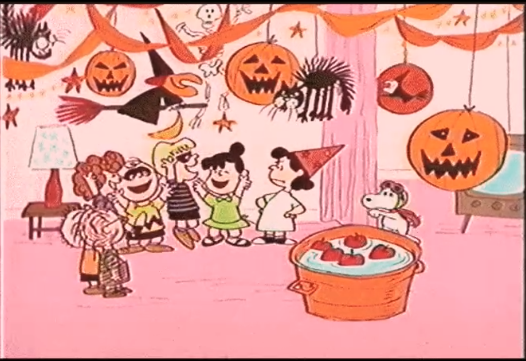
🍎 Classic Halloween Nostalgia

The first image reminds us of the timeless Halloween traditions:

  • Jack-o’-lanterns glowing in the corners
  • Bobbing for apples (a throwback that deserves a comeback!)
  • Paper bats, witches, and hanging decorations straight out of a childhood memory

These moments remind us that Halloween is as much about nostalgia as it is about scares.


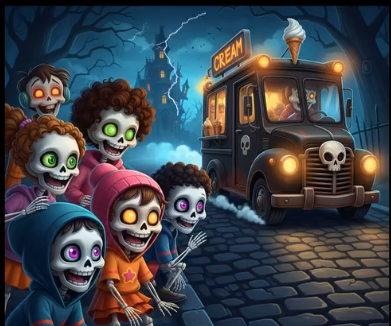
👻 Modern Frights with a Twist

Fast-forward to today’s imagination and you’ve got scenes like zombie kids running toward a haunted ice cream truck. Creepy? Yes. Fun? Absolutely. These darker twists on childhood staples are what make modern Halloween imagery so addictive—half scare, half laugh, and 100% unforgettable.


🧡 Getting Ready for Halloween 2025

With 68 days left, here are some quick ways to get in the spooky spirit:

  • Start your costume planning now (the best finds sell out fast).
  • Test-drive some DIY decorations for your porch.
  • Host a mini movie marathon with classics like It’s the Great Pumpkin, Charlie Brown and modern hits like Hocus Pocus 2.
  • Don’t forget to stock up on candy before the shelves are bare!

🎃 Final Thoughts

Halloween is more than a date on the calendar—it’s a whole vibe. From the retro Peanuts party scene to the eerie skull-faced kids craving spooky ice cream, it’s about blending the sweet with the scary. With only 68 days left, the countdown is on—so light those candles, dust off the cobwebs, and get ready for a Halloween to remember.


✍️ About the Author

This blog was written by A.L. Childers, author, blogger, and lifelong lover of all things spooky and nostalgic. Known for weaving history, folklore, and modern culture into her writing, she brings a unique mix of storytelling and insight that captures the spirit of every season.


⚠️ Disclaimer

This blog is for entertainment and informational purposes only. All countdowns, images, and ideas shared are meant to inspire Halloween fun and creativity. Any resemblance to real haunted ice cream trucks is purely coincidental… or is it? 🎃👻


✨ Suggested SEO Keywords: Halloween 2025 countdown, spooky season ideas, nostalgic Halloween, Halloween party planning, creepy Halloween fun, 68 days until Halloween