Daily Archives: September 1, 2025

Mackinac Island: Michigan’s Timeless Escape

Mackinac Island, tucked between Michigan’s Upper and Lower Peninsulas in Lake Huron, is a place where time seems to stand still. Known for its car-free streets, horse-drawn carriages, Victorian charm, and world-famous fudge, the island is both a living museum and a modern traveler’s paradise.


A Brief History of Mackinac Island

The story of Mackinac Island begins long before it became a vacation destination. Indigenous Anishinaabe people considered it sacred, calling it the “Great Turtle” for its shape. By the 17th century, French fur traders and missionaries arrived, followed by the British, who established Fort Mackinac in 1780.

During the War of 1812, the island played a strategic role, and today, its well-preserved fort still offers reenactments, musket firings, and costumed interpreters. By the late 19th century, Mackinac became a summer retreat for wealthy vacationers seeking clean air and cool breezes away from industrial cities. This era also gave rise to the Grand Hotel, which still towers over the island with its famous 660-foot porch—the longest in the world.


Why Mackinac Feels Like Stepping Into the Past

  • No Cars Allowed: Since 1898, motor vehicles have been banned, making the clip-clop of horses and the hum of bicycles the island’s soundtrack.
  • Architecture: From clapboard Victorian homes to historic inns, Mackinac preserves its heritage with pride.
  • Culture: Festivals like the Lilac Festival (June) and Fall Fudge Festival keep traditions alive.

Best Time to Visit

  • June–August (Summer Peak): Warm weather, festivals, sailing events, and lively energy.
  • September (Perfect Season): Fewer crowds, fall colors, mild weather.
  • May (Spring Blooms): Budget-friendly, tulips and lilacs in bloom.
  • October (Autumn Glow): Crisp air, cozy inns, and spectacular foliage.
  • Winter (Quiet Escape): Limited lodging, but magical snow-covered beauty.

If you want the best balance of charm, beauty, and relaxation, September is the golden month.


Where to Stay

  • Grand Hotel – Luxury, elegance, and history all under one roof. Formal dinners, dancing, and cinematic fame (Somewhere in Time was filmed here).
  • Hotel Iroquois – Waterfront elegance with lush gardens and fine dining.
  • Island House Hotel – The oldest hotel on the island, blending historic charm with modern comforts.
  • Inn at Stonecliffe – A romantic Tudor estate overlooking Lake Huron.
  • Mission Point Resort – Family and dog-friendly, with spacious lawns and endless activities.
  • Bicycle Inn & Waterfront Collection – Perfect for modern convenience and proximity to the ferry docks.

Things to Do

  • 🚲 Bike the Island: A 13.7 km (8.2-mile) scenic loop around the island’s perimeter.
  • 🐴 Take a Carriage Tour: Learn the island’s secrets while enjoying the gentle pace of horse-drawn transport.
  • 🏰 Explore Fort Mackinac: Step back in time with interactive history.
  • 🎨 Visit the Richard & Jane Manoogian Art Museum: A celebration of Mackinac’s culture and Native heritage.
  • 🍫 Try Mackinac Fudge: No trip is complete without sampling this sweet specialty.
  • 🎉 Attend Festivals: From lilacs in spring to fudge and Halloween fun in fall.
  • 🛍️ Shop Downtown: Quaint boutiques, art galleries, and local crafts line Main Street.

Why Mackinac Should Be on Your Bucket List

Mackinac Island isn’t just a destination—it’s an experience. The fresh lake breezes, the sound of horses’ hooves, and the timeless architecture make you feel like you’ve stepped into another century. Whether you’re there for history, romance, family fun, or a simple escape, the island will capture your heart.


Disclaimer

This blog is for informational and travel inspiration purposes only. While every effort has been made to ensure accuracy, visitors should check official websites and travel advisories before planning their trip. The author is not responsible for any changes in accommodations, seasonal events, or island regulations.


About the Author

A.L. Childers is a professional writer, storyteller, and traveler who blends history, culture, and personal insight into her work. Born and raised in the South, she brings a unique perspective to her explorations of American heritage sites, natural wonders, and cultural traditions. Audrey’s passion for uncovering the stories behind places inspires readers to travel with curiosity and connection.

🎃 September: The True Halloween Eve 🕯️👻

For some of us, September doesn’t feel like back-to-school or fall harvest season. Nope. September is really one thing: Halloween Eve.

From the first whiff of pumpkin spice to the cool, crisp air, September feels like the opening act to October’s grand finale. We start decorating, stockpiling candy, and streaming horror classics. It’s as if the whole month is a runway, and Halloween is the big show.


🍂 Why Does September Feel Like Halloween Eve?

  1. Seasonal Shift
    The autumn equinox (September 22–23) marks the balance between light and dark — exactly the kind of cosmic moment that gives Halloween its mystical energy.
  2. Folklore & Harvest
    Ancient Celts celebrated harvest festivals like Mabon in September, honoring the cycle of death and rebirth. These rituals became precursors to Samhain (the root of Halloween).
  3. Cultural Countdown
    Stores fill with costumes, candy, and jack-o’-lanterns the moment September arrives. It’s impossible not to feel the creeping presence of Halloween.
  4. Psychology of Anticipation
    Studies show we get joy from anticipation. Decorating and celebrating early gives our brains a dopamine hit — and for Halloween lovers, September is the start of the party.

👻 Examples of September as Halloween Eve

  • TV & Movies: Networks launch “31 Days of Halloween” marathons in late September. Streaming platforms drop new horror releases to build hype.
  • Pumpkin Spice Season: From lattes to candles, cinnamon and clove scents hit shelves by Labor Day.
  • Decorations: Big-box stores roll out skeletons, haunted inflatables, and orange lights weeks before October.
  • Communities: Haunted attractions and pumpkin patches often open in mid-to-late September.

📚 References & Resources

  • Ronald Hutton, The Stations of the Sun: A History of the Ritual Year in Britain (Oxford University Press).
  • Nicholas Rogers, Halloween: From Pagan Ritual to Party Night.
  • Psychology Today, “The Power of Anticipation.”
  • History.com, “Halloween 2023.”

🔑 SEO Keywords

  • September Halloween Eve
  • Halloween season starts in September
  • Why Halloween starts in September
  • September spooky season
  • Halloween anticipation psychology
  • Fall folklore and Halloween
  • Mabon and Samhain history
  • Early Halloween decorations
  • Halloween countdown September

✍️ About the Author

A.L. Childers is a multi-genre author and blogger who thrives on exploring folklore, seasonal traditions, and the hidden meanings behind everyday celebrations. With a love for crisp fall nights and spooky vibes, she believes Halloween isn’t a day — it’s a season.


⚖️ Disclaimer

This blog is for informational and entertainment purposes only. Historical references are drawn from folklore, cultural traditions, and published sources. Readers are encouraged to celebrate in the way that feels best to them.

🌿 Beating Hormone Havoc Naturally: My Journey With a GLP-1 Mimic Smoothie

Like so many women, I’ve battled the weight gain, brain fog, fatigue, and hormone chaos that comes with perimenopause, menopause, and hypothyroidism. Add in Hashimoto’s, and it feels like my body was hijacked. For years, I watched the scale creep up — not because I was lazy or overeating, but because my hormones were out of balance and I live in a world designed to poison us for profit.

The truth is, our air, water, and land are saturated with toxins. Our supermarkets are filled with “Frankenfoods” — fake, processed products designed to keep us sick, tired, and dependent on medications instead of real food. And when pharmaceutical companies created GLP-1 injections like Ozempic, they promised a miracle — but left people dealing with nausea, malnutrition, and long-term health risks.

That’s when I decided: I’d build my own natural GLP-1 mimic — without the side effects.


🌿 What I Take (and Why)

Here’s my smoothie stack and why it works:

  • Inulin (Prebiotic Fiber): Slows digestion, promotes fullness, regulates blood sugar.
  • Glycine: Improves sleep, reduces sugar cravings, balances neurotransmitters.
  • Ashwagandha: Lowers cortisol, supports thyroid, helps with stress and perimenopause symptoms.
  • CoQ10: Supports heart health and naturally lowers blood pressure.
  • Aloe Vera Juice: Improves digestion and soothes inflammation.
  • Purple Wing Happy Hormones Blend (Shatavari, Maca, Baobab, Amla, Hibiscus, Blueberry, Beetroot): Balances female hormones, improves circulation, reduces hot flashes, supports energy.
  • Superfood Spices (Turmeric, Cayenne, Cumin): Anti-inflammatory, metabolism boosters.

Together, this stack mimics GLP-1 naturally: reducing cravings, stabilizing blood sugar, supporting hormones, and lowering blood pressure — without needles, nausea, or risk of long-term damage.


🧬 Why This Works for Hashimoto’s, Hypothyroidism & Menopause

  • Hashimoto’s & Hypothyroidism: Fiber + hormone-balancing adaptogens reduce inflammation, stabilize energy, and help metabolism work better.
  • Perimenopause & Menopause: Shatavari, Maca, and Glycine smooth hormone swings, improve sleep, and calm stress eating.
  • Weight Gain: Fiber and glycine regulate appetite, while CoQ10 and beetroot support energy and metabolism.
  • Toxic World Reset: These ingredients come from whole foods and herbs — not chemical labs.

💡 Why This Matters

We’re living in a toxic soup:

  • Water: PFAS (“forever chemicals”) are in nearly every tap water source.
  • Air: Industrial pollution and microplastics circulate in our atmosphere.
  • Land: Soil depletion means our foods are less nutrient-dense than they were 50 years ago.
  • Fake Foods: Processed, chemical-laden products are marketed as “convenient,” but they disrupt hormones and cause weight gain.

📚 Resources:

  • EWG Tap Water Database (ewg.org/tapwater)
  • “Food Politics” by Marion Nestle
  • The Case Against Sugar by Gary Taubes
  • WHO report on endocrine-disrupting chemicals

🥤 5 Natural GLP-1 Mimic Smoothie Recipes

1. Hormone Balance Berry Smoothie

  • 1 cup almond milk
  • ½ cup blueberries
  • 1 tbsp Purple Wing Happy Hormones blend
  • 1 tsp inulin powder
  • 1 tsp glycine
  • Blend and sip in the morning for hormone support + fullness.

2. Green Gut Reset Smoothie

  • 1 cup spinach
  • ½ avocado
  • 2 oz aloe vera juice
  • 1 tsp CoQ10 powder
  • 1 tsp inulin
  • 1 tsp ashwagandha
  • Blend until creamy for digestion + blood pressure support.

3. Golden Glow Smoothie

  • 1 cup coconut milk
  • ½ banana
  • 1 tsp turmeric + pinch of black pepper
  • 1 tsp Purple Wing blend
  • 1 tsp glycine
  • Smooth, warming, and anti-inflammatory.

4. Spicy Metabolism Booster

  • 1 cup oat milk
  • ½ cup frozen strawberries
  • 1 tsp cayenne + cumin blend
  • 1 tsp CoQ10
  • 1 tsp inulin
  • Fires up metabolism while balancing blood sugar.

5. Sleep & Craving Reset Smoothie

  • 1 cup almond milk
  • 1 tbsp cacao powder
  • 1 tsp glycine
  • 1 tsp ashwagandha
  • 1 tsp Purple Wing blend
  • Chocolatey, calming, and helps reduce nighttime cravings.

🔑 SEO Keywords / Search Phrases

  • natural GLP-1 alternative
  • Hashimoto’s weight gain solutions
  • perimenopause and weight loss support
  • hormone balancing smoothies
  • natural ways to curb cravings
  • GLP-1 mimic supplements
  • adaptogens for menopause
  • smoothies for hypothyroidism
  • holistic weight loss for women over 40

✍️ About the Author

A.L. Childers is a multi-genre author and wellness researcher who has navigated her own journey with Hashimoto’s, hypothyroidism, and perimenopause. Passionate about exposing the toxic food and health industries, she writes to empower women to reclaim their health naturally and unapologetically.


⚖️ Disclaimer

This blog is for informational and educational purposes only and is not a substitute for professional medical advice. Always consult with your doctor before starting new supplements, especially if you have existing conditions or take medications.


✨ Follow me for more blogs, recipes, and deep dives into how we can thrive naturally in a toxic world. Together, we can reclaim our health and stop letting corporations profit from our pain.

The Cinnamon Blessing Ritual: Welcoming Abundance on the First of the Month 🌿✨

For centuries, cultures around the world have believed in the power of herbs and spices to attract prosperity, protection, and blessings. One of the most popular modern folk practices is the Cinnamon First-of-the-Month Ritual — blowing cinnamon into your home to invite abundance and positive energy for the days ahead.

🌿 Where Did the Cinnamon Ritual Begin?

Cinnamon has been cherished since ancient times:

  • Egyptians used it in embalming and offerings, seeing it as sacred.
  • Romans prized it more highly than gold, burning it in temples as an offering to the gods of wealth and protection.
  • Chinese medicine considered cinnamon a warming spice that increased energy flow, circulation, and vitality.

The practice of blowing cinnamon into a home on the first day of the month likely grew out of old folk traditions that combined herbal magic with household blessings. Cinnamon was seen as both protective and prosperous — when scattered or blown, it was believed to “spread abundance” into every corner of the home.


💫 Why Cinnamon?

  • Prosperity: Its sweet, spicy scent is associated with wealth, attraction, and luck.
  • Protection: Cinnamon has been used to guard against negative energy.
  • Energy Booster: Its warmth symbolizes vitality, enthusiasm, and new beginnings.

🔮 How to Do the Cinnamon Ritual

  1. Choose Your Cinnamon: Ground cinnamon works best.
  2. Timing: Perform it on the first day of the month, ideally in the morning.
  3. Stand Outside: Take a pinch of cinnamon in your dominant (or “active”) hand.
    • If you’re ambidextrous, like me, you can use both hands — one for giving, one for receiving.
  4. Set Your Intention: Close your eyes, think about what you want to bring in — abundance, health, love, protection.
  5. Blow Into the Doorway: Stand outside your front door and blow the cinnamon into your home, carrying your intention inside with it.

✨ What to Say When You Blow the Cinnamon

You don’t need perfect words — what matters is your intention. But here are some examples you can try:

  • “Abundance and prosperity, flow into this home. So mote it be.”
  • “May this house be blessed with safety, joy, and protection.”
  • “As I blow this cinnamon, I welcome wealth, health, and happiness.”
  • “May we be protected, safe, and happy. So mote it be.”

Or simply speak from your heart:
💜 “I’ve learned that intention is everything. Doing the action sets the motion; belief makes it real. I say what’s in my heart — it doesn’t have to rhyme. Rhyming just makes it easier to remember.”


🌙 Extra Tips

  • Keep your thoughts focused on gratitude while blowing the cinnamon.
  • Afterward, leave the cinnamon on the floor or entryway for a few hours before sweeping or vacuuming it up.
  • Repeat monthly to refresh the flow of prosperity and protection.

✍️ About the Author

A.L. Childers is a storyteller and seeker of life’s hidden wisdoms. With roots in folklore, history, and spiritual traditions, Childers writes about the rituals and practices that keep us connected to intention, nature, and the magic of everyday life.


⚖️ Disclaimer

This blog is for informational and entertainment purposes only. Folklore practices like the cinnamon ritual are rooted in tradition and belief; results are personal and may vary. Always use herbs safely and respect your household when practicing rituals.

🔑 SEO Keywords for Cinnamon Ritual

  • cinnamon first of the month ritual
  • blowing cinnamon into your house
  • cinnamon money spell
  • cinnamon doorway ritual
  • how to use cinnamon for abundance
  • cinnamon ritual for prosperity
  • cinnamon spell for money
  • cinnamon front door ritual
  • cinnamon for protection and wealth
  • monthly cinnamon blessing

🔍 Search-Friendly Phrases People Use

  • “What does blowing cinnamon into your home do?”
  • “How to do the cinnamon abundance ritual”
  • “Cinnamon spell first of the month meaning”
  • “Why do people blow cinnamon in their house?”
  • “How to attract money with cinnamon”
  • “What to say during the cinnamon ritual”
  • “Step-by-step cinnamon money spell”
  • “Does the cinnamon doorway ritual really work?”
  • “Cinnamon ritual for abundance and prosperity”
  • “Blowing cinnamon into your home money spell”
  • “Why do people blow cinnamon in their house on the first of the month?”

Cancer: The Cure We’re Not Supposed to Find? 💊💰

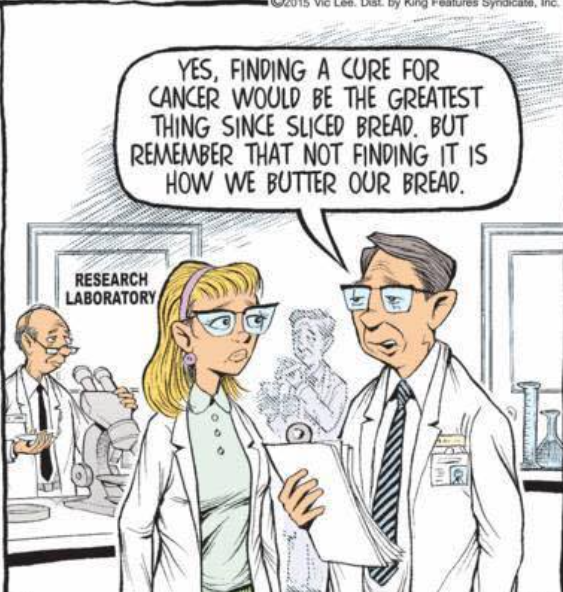
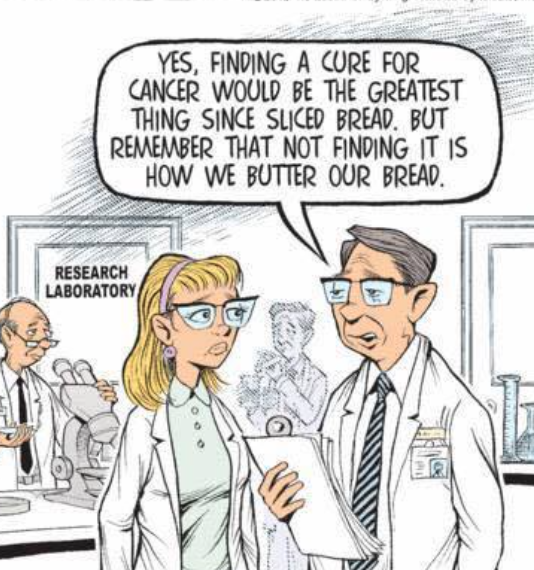
In the cartoon above, two researchers stand in a lab. One says, “Yes, finding a cure for cancer would be the greatest thing since sliced bread. But remember that not finding it is how we butter our bread.”

It’s satire — but it hits a nerve. The truth is, cancer has become a trillion-dollar industry. For many, the thought that cures may have been discovered (and buried) isn’t far-fetched.

📜 A Brief History of Cancer

  • The Oldest Cases: Cancer is not a modern disease. The earliest written descriptions appear in ancient Egypt around 1600 BCE in the Edwin Smith Papyrus, describing breast tumors treated with cauterization.
  • The Word “Cancer”: The Greek physician Hippocrates (460–370 BCE) coined the term karkinos (crab), describing how tumors spread with “legs” like a crab.
  • Scientific Recognition: Modern oncology developed in the 18th–19th centuries when autopsies and microscopes revealed cancer’s spread throughout the body.

⚰️ Researchers and Doctors Who Claimed to Find Cures — and Met Mysterious Ends

  • Dr. Royal Rife (1930s): Invented the “Rife Machine,” claiming it could destroy cancer cells with frequency. After initial press excitement, his labs were raided, equipment destroyed, and he died in obscurity.
  • Dr. Max Gerson (1940s–50s): Developed the Gerson Therapy (nutrition, detox, juicing). He published results showing tumor shrinkage, but his methods were discredited by mainstream medicine. He later died under suspicious circumstances, with some alleging poisoning.
  • Dr. Stanislaw Burzynski (1970s–present): Claimed anti-neoplaston therapy treated cancers. Spent decades fighting FDA lawsuits and suppression.
  • Dr. Sebi (Alfredo Bowman): A herbalist claiming natural cures for cancer and other diseases. Arrested in 2016 for “money laundering,” he died suddenly in custody in Honduras.
  • The Holistic Doctor Deaths (2015 onward): A wave of holistic/naturopathic doctors in the U.S. were reported dead under unusual or violent circumstances after publishing cancer-alternative therapies.

👉 Whether coincidence or conspiracy, history shows a pattern: anyone challenging the pharmaceutical cancer model has faced ruin — or worse.


💰 The Business of Cancer

Cancer is one of the most profitable “industries” in the world.

  • Global Revenue: The cancer treatment market exceeded $180 billion in 2022 and is projected to hit $375 billion by 2030.
  • Chemotherapy: A single round can cost $10,000–$30,000, with some drugs exceeding $100,000 per year.
  • Radiation Therapy: Averages $9,000–$12,000 per course.
  • Doctor Visits & Diagnostics: Lab tests, imaging (MRI, CT scans), biopsies, and hospital stays add tens of thousands more.
  • Pharma Profits: Cancer drugs are among the most expensive and profitable drugs ever produced, with companies marking up costs dramatically beyond production expenses.

🧠 Why the Cartoon Rings True

The cartoon points to an uncomfortable truth: cancer is not just a disease — it’s an industry. Thousands of jobs, billions in revenue, and entire hospital systems rely on continuous treatment, not permanent cures.

  • A cure would collapse a multi-trillion-dollar industry overnight.
  • Treatments focus on “managing” cancer, not eliminating its root causes.
  • The incentive structure rewards repeat customers, not one-time cures.

This doesn’t mean every doctor or researcher is corrupt — many dedicate their lives to saving patients. But the system as a whole is built to prioritize profit.

In the cartoon above, two researchers stand in a lab. One says, “Yes, finding a cure for cancer would be the greatest thing since sliced bread. But remember that not finding it is how we butter our bread.”

It’s satire — but it hits a nerve. The truth is, cancer has become a trillion-dollar industry. For many, the thought that cures may have been discovered (and buried) isn’t far-fetched.


📜 A Brief History of Cancer

  • 1600 BCE – Ancient Egypt: The Edwin Smith Papyrus describes breast tumors cauterized with a “fire drill.”
  • 460–370 BCE – Hippocrates: Coins the word karkinos (crab), comparing tumors with “legs” spreading like a crab.
  • 18th–19th Centuries: Advances in autopsy and microscopy reveal how cancers invade tissues and spread.
  • 20th Century Onward: A wave of controversial figures — from Royal Rife to Max Gerson — claimed to discover cancer cures, only to be suppressed, discredited, or silenced.

🕰️ Cancer Through the Ages: From Ancient Egypt to Big Pharma

1600 BCE → Ancient Egypt: Edwin Smith Papyrus describes breast tumors
460–370 BCE → Hippocrates names cancer karkinos (crab)
18th–19th c. → Microscopy/autopsies show cancer’s spread
1930s → Dr. Royal Rife develops “frequency cure,” suppressed
1940s–50s → Dr. Max Gerson’s nutrition therapy challenges mainstream medicine
1970s → Dr. Stanislaw Burzynski fights FDA over antineoplaston therapy
2015–present → Holistic doctor deaths reported across the U.S.
2022 → Cancer treatment market surpasses $180 billion globally


⚰️ Researchers Who Claimed Cures and Met Opposition

  • Dr. Royal Rife: Claimed frequency machines destroyed cancer cells. Equipment destroyed, career ended.
  • Dr. Max Gerson: Advocated nutritional therapy; later died under suspicious circumstances.
  • Dr. Stanislaw Burzynski: Antineoplaston therapy challenged by the FDA for decades.
  • Dr. Sebi (Alfredo Bowman): Natural healer claiming cures for cancer; died suddenly in custody.
  • Holistic Doctor Deaths (2015 onward): Dozens of practitioners tied to alternative cancer methods died mysteriously.

💰 The Business of Cancer

  • Global Revenue: $180+ billion in 2022, projected $375 billion by 2030.
  • Chemotherapy: $10,000–$30,000 per round; some drugs $100,000+ annually.
  • Radiation Therapy: $9,000–$12,000 per course.
  • Doctor Visits & Diagnostics: MRI, CT scans, biopsies, and hospital stays = thousands more.
  • Pharma Profits: Cancer drugs are among the most expensive in history, often priced at hundreds of times manufacturing cost.

🧠 Why the Cartoon Rings True

The cartoon suggests a harsh reality: curing cancer might save lives — but treating cancer fuels the system.

  • Treatments = repeat customers.
  • A cure = an end to a trillion-dollar industry.
  • Doctors and scientists care deeply, but the system rewards treatment, not eradication.

🔑 SEO Keywords

cancer cure conspiracy, history of cancer, cancer researchers silenced, cancer industry profits, chemotherapy costs, alternative cancer cures, why no cure for cancer, holistic doctors and cancer, history of oncology, pharmaceutical cancer profits.


📚 References

  • American Cancer Society, A Brief History of Cancer
  • Encyclopaedia Britannica: Cancer and History of Oncology
  • Richards, E.G. Mapping Time: The Calendar and Its History
  • Nature Reviews Cancer (2022), Global Cancer Drug Market Projections
  • National Cancer Institute, “The Gerson Therapy”

✍️ About the Author

A.L. Childers is an author and researcher who digs deep into the hidden systems behind health, history, and power. From the mysteries of ancient medicine to modern-day profit-driven industries, Childers writes to uncover truths others prefer to keep buried.


⚖️ Disclaimer

This blog is for educational and informational purposes only. It is not medical advice. Always consult with qualified healthcare professionals before making any medical decisions. Historical accounts and financial data are based on publicly available sources.


🌟 SEO Keywords

cancer cure conspiracy, history of cancer, cancer researchers silenced, cancer industry profits, chemotherapy costs, alternative cancer cures, why no cure for cancer, holistic doctors and cancer, history of oncology, pharmaceutical cancer profits.


📚 References

  • American Cancer Society, A Brief History of Cancer
  • Porter, Roy. The Greatest Benefit to Mankind: A Medical History of Humanity
  • Nature Reviews Cancer, Global Cancer Drug Market Projections (2022)
  • “The Gerson Therapy,” National Cancer Institute (archival review)
  • Reports on holistic doctor deaths (2015–2019) — U.S. news outlets

✍️ About the Author

A.L. Childers is an author and researcher who examines the hidden side of medicine, history, and power. With a passion for questioning the official story, Childers writes to inform and inspire readers to think critically about the systems that shape their lives.


⚖️ Disclaimer

This blog is for educational and informational purposes only. It is not medical advice. Always consult with qualified healthcare professionals before making any medical decisions. The historical accounts and financial data included are based on publicly available sources; readers are encouraged to do their own research.

Hello September: History, Meaning, and the Magic of Fall 🍁

September is more than just the gateway to autumn — it’s a month with deep historical roots and timeless charm. From the origins of its name in ancient Rome to its role in today’s 12-month calendar, September carries stories of change, balance, and renewal. And in modern life, it still surprises us with cozy vibes, golden leaves, and that unmistakable energy of new beginnings.


📜 A Brief History of September

  • The Name: The word September comes from the Latin septem, meaning seven. In the early Roman calendar, September was the seventh month of the year.
  • The Calendar Shift: Around 713 BCE, King Numa Pompilius reformed the calendar by adding January and February, pushing September into the ninth position. Later, Julius Caesar’s Julian calendar (46 BCE) standardized the 12-month system, which we still use today (with some adjustments by Pope Gregory XIII in 1582 → the Gregorian calendar).
  • Why 12 Months? The Romans based their calendar on both lunar cycles and the solar year. Julius Caesar’s reform aligned the months more closely with the sun’s path, creating the cycle of 365 days split into 12 months that keeps our seasons consistent.

🌟 What Makes September Special?

  • The Equinox: Around September 22–23, the autumnal equinox occurs — when day and night are almost equal. It symbolizes balance, transition, and renewal.
  • Harvest Time: Ancient cultures celebrated this month as a season of gratitude. Crops were gathered, festivals were held, and families prepared for the coming winter.
  • Back-to-School Energy: Even today, September feels like a fresh start — echoing old rhythms of preparing, learning, and planning ahead.
  • Astrology & Symbols: September is under the zodiac signs of Virgo (practical, nurturing) and Libra (balance, harmony). Its birthstone is the sapphire, symbolizing wisdom, loyalty, and protection.

🍂 Fun Things to Do in September

  • Take a scenic drive to watch the leaves turn.
  • Visit a farmers’ market for apples, pumpkins, and squash.
  • Celebrate the equinox by journaling or setting new intentions.
  • Go apple picking and try a homemade pie.
  • Spend cozy nights by candlelight, with a book and tea.

🔑 SEO Keywords

History of September, origin of September name, 12-month calendar history, autumn equinox, why I love fall, September activities, things to do in September, September bucket list, cozy fall vibes, fall traditions.


📚 References

  • Blackburn, Bonnie & Holford-Strevens, Leofranc. The Oxford Companion to the Year (Oxford University Press, 1999).
  • Richards, E.G. Mapping Time: The Calendar and Its History (Oxford University Press, 1998).
  • Encyclopaedia Britannica, “September” and “Gregorian calendar.”
  • NASA Earth Observatory, “Equinoxes and Solstices.”

✍️ About the Author

A.L. Childers is a writer and storyteller who blends history, everyday life, and seasonal reflections into engaging narratives. From the mysteries of ancient calendars to the beauty of a September sunset, Childers invites readers to see both the big picture and the little joys in everyday life.


⚖️ Disclaimer

This blog is for educational and entertainment purposes only. While historical details have been carefully researched, readers are encouraged to consult primary sources and scholarly works for deeper study. Seasonal activities may vary by region — always check local weather, safety guidelines, and event details before making plans.

Hello September, Surprise Me: Why I Love the Start of Fall 🍁

September has arrived, and with it comes that magical shift between summer’s fiery energy and autumn’s cozy embrace. There’s just something about September — the crisp mornings, the first hint of fall colors, and the promise of fresh beginnings — that makes me feel alive.

Whether you’re a pumpkin spice lover, a leaf-peeper, or just someone who’s ready for cooler weather, September has plenty to offer.


🍂 What’s Great About September?

  • The Weather Sweet Spot – Not too hot, not too cold. September is that golden balance where you can still enjoy the outdoors without sweating buckets or bundling up in heavy coats.
  • Fall Colors Begin – Depending on where you live, you may already see leaves hinting at fiery reds, oranges, and golds. Nature’s paintbrush is getting ready for its masterpiece.
  • Fresh Starts – Maybe it’s the back-to-school vibe, but September always feels like a mini New Year. New goals, new routines, and a fresh perspective.
  • Harvest Season – Farmer’s markets are bursting with apples, squash, sweet potatoes, and pumpkins. September is a foodie’s dream month.

🎃 Why I Love the Incoming of Fall

  • Cozy Evenings – Cooler nights mean blankets, books, and warm drinks.
  • Seasonal Traditions – Apple picking, pumpkin carving, hayrides, and bonfires — September kicks off all the fun fall activities.
  • The Scents of Fall – Cinnamon, nutmeg, clove, and crisp autumn air… September has a smell that no candle can quite capture (though we still try).
  • The Vibe – There’s a shift in energy — summer’s chaos settles down, and September whispers, “Slow down, breathe, and enjoy the change.”

🌟 Fun Things to Do in September

  • Take a scenic drive to enjoy the first signs of fall foliage.
  • Visit a farmers’ market and cook up a seasonal feast.
  • Start a new reading list (because what’s better than books + blankets?).
  • Go apple picking and test your baking skills with a homemade pie.
  • Begin a gratitude journal — September is the perfect month for reflection.
  • Plan a weekend getaway to a cozy cabin before the holiday rush begins.

🍂 September Bucket List

✅ Take a scenic drive to see the first signs of fall foliage
✅ Visit a farmer’s market and try a seasonal recipe
✅ Go apple picking and bake a pie
✅ Start a gratitude journal
✅ Plan a cozy weekend getaway
✅ Enjoy a bonfire with friends
✅ Decorate your home with fall vibes
✅ Sip on pumpkin spice or chai while reading a good book
✅ Try a new soup or stew recipe
✅ Take sunset walks in the cooler evenings


🔑 SEO Keywords to Include

September activities, fall traditions, why I love fall, September vibes, things to do in September, autumn fun, cozy fall ideas, September adventures, fall foliage, fall bucket list.


✍️ About the Author

A.L. Childers is a multi-genre author and blogger who finds inspiration in the changing seasons, everyday stories, and the magic of Southern living. With a love for crisp fall mornings and cozy evenings, she writes to connect, inspire, and remind readers of life’s little joys.


⚖️ Disclaimer

This blog is for entertainment and informational purposes only. All opinions are my own — you may love September for completely different reasons, and that’s the beauty of it. Always check local event details, safety guidelines, and weather conditions before planning activities.

Dead Peasant Insurance? The Shocking Way Companies Can Profit from Your Death

When you think of life insurance, you imagine protecting your loved ones. But what if your employer—not your spouse, children, or family—was the one cashing in on your death?

This isn’t fiction. It’s reality, and it has a name: Key Employee Life Insurance or, more disturbingly, “dead peasant insurance.”


What Happens to Your Life Insurance If You Leave a Job? The Secret No One Tells You

Here’s the unsettling truth: when a company purchases a life insurance policy on you, they own it. That means they pay the premiums, control the policy, and name themselves as the beneficiary. If you leave the company, the policy can still remain in force. Years later, if you die while working somewhere else, your old employer—not your grieving family—collects the death benefit.

For families, this can feel like a betrayal. For corporations, it’s just another strategy to manage “risk” and increase profits.


Key Employee Insurance: How Companies Keep Collecting Even After You’ve Moved On

This practice falls under Corporate-Owned Life Insurance (COLI). Originally, it was marketed as a way for companies to protect themselves financially if a top executive—like a CEO or VP—died unexpectedly. It made sense when policies were limited to true “key people.”

But by the late 1980s and 1990s, corporations began extending these policies to rank-and-file employees, many of whom had no idea their lives were insured for the benefit of their employer. Critics argue this turned human beings into financial instruments.


A Brief History: When Did “Dead Peasant Insurance” Begin?

  • 1980s–1990s Expansion: Companies discovered tax advantages in holding massive amounts of COLI. Some policies were even written on thousands of low-level workers.
  • Walmart Scandal (1990s–2000s): Walmart bought life insurance on cashiers, janitors, and clerks—employees who were anything but “key.” When they passed away, Walmart collected millions in benefits while families received nothing. Public outrage led to lawsuits, but the practice remained legal in many states.
  • Banking Industry Boom (2000s–Today): Major banks like JPMorgan Chase, Wells Fargo, and Bank of America now hold more than $100 billion in COLI policies, treating them as investment tools.

The story of COLI is less about protecting companies and more about exploiting loopholes for profit.


From Walmart to Wall Street: How Big Business Cashes In

  • Walmart: Sued after employees’ families discovered the company had quietly profited from their deaths.
  • Dow Chemical & Procter & Gamble: Both exposed for holding large COLI portfolios.
  • Banks: Some of the largest holders of COLI in history. In fact, for many banks, employee death benefits are listed as part of their investment strategies.

Are You Worth More Dead Than Alive to Your Employer?

It’s an uncomfortable question, but for some companies, the answer may be “yes.” If you leave a job, you may assume your connection with that employer is severed. But in the world of COLI, your body remains tied to their balance sheet.

For corporations, your death may be a payday. For your family, it’s a tragedy without financial relief.


Why Does This Happen?

  1. Tax Advantages: Death benefits are tax-free.
  2. Corporate Asset Growth: Companies can borrow against policies or treat them as investment vehicles.
  3. Lack of Transparency: Employees often never know policies exist in the first place.

The result is a controversial but perfectly legal practice that blurs the line between risk management and exploitation.

Notable Companies Known for COLI Practices

  • Walmart
    Infamously, Walmart purchased life insurance policies on rank-and-file employees without their knowledge. In one case, the company collected benefits when 132 Florida employees passed away under such a program. Walmart discontinued the practice around 2000 Wikipedia+9WFSU News+9Bankrate+9.
  • Procter & Gamble (P&G)
    Held policies covering approximately 15,000 employees as part of their COLI portfolio The Wall Street Journal.
  • Nestlé USA
    Maintained policies on about 18,000 employees Investopedia+15The Wall Street Journal+15Recruiter.com+15.
  • Pitney Bowes Inc.
    Insured roughly 23,000 employees under COLI arrangements WFSU News+12The Wall Street Journal+12Investopedia+12.
  • Winn-Dixie
    One of the earliest and most notable cases from the 1980s: they insured around 36,000 employees without their knowledge, coining internal references to “dead peasant insurance” Policygenius+10Recruiter.com+10quickquote.com+10.
  • Banks & Financial Institutions
    Major players like JPMorgan Chase, Bank of America, and Wells Fargo hold collective COLI portfolios exceeding $100 billion, treating these life-insurance holdings partly as investment tools Investopedia+2CB Acker Associates+2.
  • Hershey’s
    Cited on forums like Reddit in discussions of companies using COLI policies—though direct media citations are sparse Reddit.

Additional Mentions via Commentary

A Reddit post in r/todayilearned notes that companies such as Walmart, P&G, and Hershey’s have utilized COLI, although the latter’s practices remain less publicly documented Reddit.


Summary Table

CompanyApprox. Employees Insured / Notes
WalmartRank-and-file employees; practice ceased around 2000
Procter & Gamble~15,000 employees
Nestlé USA~18,000 employees
Pitney Bowes~23,000 employees
Winn-Dixie~36,000 employees (1980s)
Major BanksCollective COLI holdings > $100 billion
Hershey’sMentioned in commentary forums

Why This Matters

These examples highlight how corporations have historically used COLI not just for high-level executives, but also on lower-paid staff, often without consent or awareness—prompting both public backlash and regulatory scrutiny.

Dead Peasant Insurance: What Actually Changed?

Walmart: lawsuits + public blowback

  • What happened: Through the 1990s, Walmart bought corporate-owned life insurance (COLI) on tens of thousands of rank-and-file workers (not just executives). Families later learned the company could collect when former employees died and sued across several states. The Wall Street JournalMidland Reporter-TelegramCFO
  • Outcomes: Walmart discontinued the broad program and paid multimillion-dollar settlements (e.g., a $5.1M class action in Oklahoma). Courts and coverage highlighted standing issues for families and fueled legislative scrutiny. CFOLaw360WFSU News
  • Why it mattered: The cases moved “dead peasant insurance” into the spotlight, helping catalyze reforms that later required notice & consent and IRS reporting for employer-owned life insurance. The Florida BarIRSGovernment Accountability Office

Winn-Dixie: IRS wins the “tax shelter” fight

  • What happened: Winn-Dixie insured roughly 36,000 employees, borrowed against the policies, and deducted the loan interest. The IRS disallowed the deductions as a sham tax-arbitrage play. The Tax Court and 11th Circuit agreed. QuimbeeCaseLaw
  • What changed: The government’s win (and similar cases) slammed the door on leveraged COLI interest-deduction schemes, shaping later statutory guardrails. Justice DepartmentSenate Finance Committee

Dow Chemical (and peers): the “economic substance” line

  • What happened: Dow bought COLI on thousands of employees and deducted interest/fees tied to policy loans. After mixed early results, the Sixth Circuit held Dow’s COLI transactions lacked economic substance, siding with the IRS. Similar outcomes hit American Electric Power and others. Justia Law+1Justice Departmentappalachianpower.com
  • Why it mattered: These rulings cemented a judicial consensus: tax benefits built on circular policy-loan strategies wouldn’t fly, even before Congress rewired the rules. IRS

Wall Street (BOLI): regulators step in

  • Context: Banks keep very large bank-owned life insurance (BOLI) portfolios (aggregate tens of billions) as long-term assets. Regulators didn’t ban BOLI, but tightened risk-management expectations.
  • Regulatory response: In 2004, the OCC, Fed, FDIC, and OTS issued an Interagency Statement directing banks to treat BOLI like any other material risk (capital, liquidity, concentration, carrier risk, insurable-interest law, etc.). OCC.govOCC.govFDIC

The Big Legal/Policy Shifts (What’s different today?)

  1. Notice & Consent now mandatory (post-2006).
    The Pension Protection Act of 2006 added IRC §101(j): to exclude death benefits from income, employers generally must obtain written notice and consent before issuance and the insured must be an employee at issuance (plus meet specific exceptions). Annual reporting via Form 8925 under §6039I also applies. IRSGovernment Accountability Office
  2. “Economic substance” doctrine applied to COLI tax plays.
    Courts repeatedly rejected interest-deduction schemes on COLI loans (Winn-Dixie, AEP, Dow), curbing the 1990s tax-arbitrage model. CaseLawJustia Law+1
  3. Regulators codified bank risk expectations.
    The OCC/FDIC/Fed guidance (2004) set explicit supervisory expectations for BOLI purchase, monitoring, and concentration risk. OCC.govFDIC
  4. Still legal to keep policies after you leave (if state law allows).
    GAO testimony notes that, unless state law restricts it, employers can retain business-owned policies even after employment ends—one reason the practice remains controversial despite reforms. Government Accountability Office

Ethics: why people still bristle

  • Moral hazard & optics. Even with notice/consent, the idea that a past employer can profit from a former worker’s death rubs many the wrong way. Policymakers worried about incentives and transparency, and law journals have urged Congress to go further. UC Law SF Scholarship Repositoryhastingslawjournal.org
  • Data gaps. GAO highlighted that comprehensive data on prevalence/uses are limited, complicating oversight and informed debate. Government Accountability Office

Handy Timeline

  • Late 1980s–1990s: Broad COLI programs proliferate; some states loosen “insurable interest” rules; companies extend coverage to rank-and-file. The Florida Bar
  • 1999–2006: IRS and courts dismantle tax-arbitrage COLI (Winn-Dixie, AEP, Dow, others). CaseLawJustia Law+1
  • 2004: Interagency BOLI risk-management guidance for banks. OCC.gov
  • 2006: PPA adds §101(j) and §6039I, formalizing notice/consent and reporting for employer-owned policies. IRSGovernment Accountability Office

Sources & Further Reading

  • IRS Notice 2009-48 (guidance on §101(j) employer-owned life insurance). IRS
  • GAO testimony & report on business-owned life insurance (prevalence and oversight). Government Accountability Office+1
  • OCC Bulletin 2004-56 & attachment: Interagency Statement on BOLI risk management. OCC.govOCC.gov
  • Winn-Dixie Stores v. Commissioner (11th Cir.): interest deductions denied as lacking economic substance. CaseLaw
  • Dow Chemical v. United States (6th Cir.) and related filings: economic-substance rejection of COLI tax shelter. Justia LawJustice Department
  • American Electric Power v. United States (district court ruling against AEP; company release). Justia Lawappalachianpower.com
  • Walmart litigation/settlements (news and legal coverage). CFOLaw360WFSU News
  • Florida Bar Journal overview of EOLI abuses & insurable-interest shifts. The Florida Bar
  • Investopedia explainer (plain-English summary of today’s COLI limits).

References

  • Crenshaw, Albert B. “How Corporations Profit When Employees Die.” Washington Post, 2002.
  • U.S. Government Accountability Office (GAO) reports on Corporate-Owned Life Insurance (COLI).
  • Wall Street Journal, “Dead Peasant Insurance Lawsuits Against Walmart.”
  • National Association of Insurance Commissioners (NAIC) guidelines on COLI.

About the Author

A.L. Childers is an author, journalist, and researcher who digs into the uncomfortable truths corporations and governments would rather keep quiet. Known for exposing hidden systems and overlooked stories, Childers writes to empower readers with knowledge that sparks change.


Disclaimer

This article is for educational and informational purposes only. It does not constitute financial, legal, or insurance advice. Readers should consult qualified professionals before making decisions regarding life insurance policies or corporate practices.

“Did you know your old employer could profit from your death years after you leave? Learn the truth about Key Employee Life Insurance — also called ‘dead peasant insurance’ — and how corporations like Walmart and major banks have made billions from employee death benefits. Discover the hidden policies, real-world examples, and why this practice sparks outrage.”

Did You Know Your Old Employer Could Profit from Your Death Years After You Leave?

Most people assume life insurance exists to protect their families. But what if your employer—not your loved ones—was the one who benefitted when you die, even years after you’ve moved on to another job? Welcome to the unsettling world of Key Employee Life Insurance, often called “dead peasant insurance.”


What Is Key Employee Life Insurance?

Key Employee Life Insurance (or Corporate-Owned Life Insurance, COLI) is a policy that a company purchases on employees it considers valuable. The company pays the premiums, owns the policy, and is the sole beneficiary.

Here’s the twist: if you leave that company, the policy can remain in force unless the employer chooses to cancel it. That means your former company could one day profit from your death—even if you’re working elsewhere, living your life, and contributing nothing to their bottom line anymore.


Why Do Companies Do This?

  1. Financial Protection – They claim it cushions losses if a key employee dies unexpectedly.
  2. Tax Benefits – Death benefits are typically tax-free, making COLI a financial strategy.
  3. Corporate Assets – Companies can use policies as collateral or borrow against them.

But critics argue that this transforms human lives into financial instruments, raising ethical red flags.


Real-World Examples: Companies That Profited

  • Walmart: In the 1990s and early 2000s, Walmart bought life insurance policies on thousands of low-level employees—cashiers, clerks, and stockers—without their knowledge. Families received nothing, while Walmart reaped millions in death payouts. Lawsuits brought national attention to the issue.
  • Big Banks: JPMorgan Chase, Bank of America, and Wells Fargo collectively hold over $100 billion in COLI policies. These banks treat policies as investment assets, benefiting when former employees pass away.
  • Dow Chemical & Procter & Gamble: Both were exposed in the 1990s for maintaining massive COLI portfolios, profiting from employees long gone from the company.

The Human Side of “Dead Peasant Insurance”

Imagine leaving a job after ten years, building a new career elsewhere, and unexpectedly passing away. While your family struggles with loss, your former employer cashes a multi-million-dollar check. They might not have paid you in years, but your death still enriches them.

That’s why critics call it “dead peasant insurance”—a stark reminder of how corporations can value employees more as numbers than as people.


Why This Sparks Outrage

  • Lack of Transparency: Many employees never know policies exist.
  • Ethical Questions: Should a company profit from someone who no longer works there?
  • Family Impact: Families often receive nothing, even though they bear the real loss.

While legal in many states, these practices leave a bitter taste for those who believe life insurance should protect loved ones, not pad corporate profits.


References

  • Crenshaw, Albert B. “How Corporations Profit When Employees Die.” Washington Post, 2002.
  • U.S. Government Accountability Office (GAO): Reports on Corporate-Owned Life Insurance.
  • Wall Street Journal coverage of Walmart lawsuits on employee life insurance.
  • National Association of Insurance Commissioners (NAIC) on COLI practices.

About the Author

A.L. Childers is an author and researcher uncovering the hidden truths behind corporate practices, government policies, and societal systems. With a commitment to shining light on what’s kept in the dark, Childers writes to inform, challenge, and empower readers.


Disclaimer

This blog is for educational and informational purposes only. It does not provide financial, legal, or insurance advice. Readers should consult licensed professionals before making any decisions regarding life insurance or corporate practices.

Dead or Alive: How Companies Profit from Key Employee Life Insurance Policies

When you accept a new position at a company, the last thing on your mind is what happens if you die. Yet, for many corporations, your death could be worth more to them than your life. Enter Key Employee Life Insurance (often called “dead peasant insurance”).

This type of policy allows a company to purchase life insurance on its employees—especially executives or those deemed “key” to operations. The company owns the policy, pays the premiums, and is the beneficiary. The kicker? Even if you leave for another job years later, unless the policy is canceled, the old company may still cash in when you pass away.


How Long Can They Keep It?

If a company takes out a Key Employee Life Insurance policy on you, they may legally continue to own and benefit from it long after you’ve left the job, unless they choose to surrender or transfer it. This means if you move to Company Y and tragically pass away, Company X still collects the payout, not your family, your estate, or your new employer.

This arrangement is perfectly legal in many states under corporate-owned life insurance (COLI) laws, though it has sparked controversy for decades.


Real-World Examples of Profiting from Employee Death

  • Walmart (1990s–2000s): Walmart notoriously purchased life insurance policies on thousands of rank-and-file employees without their knowledge. The company reaped millions in death benefits, while grieving families received nothing. Lawsuits later revealed Walmart was just one of many large corporations engaging in the practice.
  • Banks and Financial Institutions: JPMorgan Chase, Wells Fargo, and Bank of America collectively held billions in corporate-owned life insurance policies, often described as a “tax shelter with a death benefit.” Reports suggest major U.S. banks maintain upwards of $100 billion in COLI coverage.
  • Dow Chemical and Procter & Gamble: These companies were also revealed to have invested heavily in COLI, often benefiting from the deaths of employees who had long since moved on.

Why Do Companies Do This?

  1. Financial Cushion: The payout helps offset the loss of a key employee, covering recruitment, training, or profit loss.
  2. Tax Advantages: Death benefits are usually tax-free, making COLI a lucrative corporate asset.
  3. Investment Strategy: Some corporations use COLI as a long-term investment, borrowing against it for capital while waiting for the eventual payout.

The Ethical Debate

Critics argue this practice commodifies human life, reducing employees to mere financial instruments. Families often remain unaware that a past employer profits from their loved one’s death. Supporters, on the other hand, insist it’s a legitimate business practice to safeguard corporate stability.


References

  • Barmash, Isadore. “The Corporate Life Insurance Scandal.” The New York Times, 1990s.
  • Crenshaw, Albert B. “How Corporations Profit When Employees Die.” Washington Post, 2002.
  • U.S. Government Accountability Office (GAO): Reports on Corporate-Owned Life Insurance.
  • Wall Street Journal coverage on Walmart’s “dead peasant insurance” lawsuits.

About the Author

A.L. Childers is an author and researcher who explores the hidden truths behind corporate practices, government policies, and the forces that shape our lives. With a sharp eye for uncovering what others overlook, Childers writes to inform, inspire, and ignite change.


Disclaimer

This blog is for educational and informational purposes only. It is not intended as financial, legal, or insurance advice. Readers should consult qualified professionals before making any decisions regarding life insurance or corporate policies.

🔑 SEO Keywords

  • Dead peasant insurance
  • Key employee life insurance
  • Corporate-owned life insurance (COLI)
  • Companies profiting from employee death
  • Walmart employee life insurance scandal
  • Banks and COLI policies
  • Employee death benefits corporations
  • Corporate insurance tax loophole
  • How companies profit from employee deaths
  • Key person insurance controversy

📜 Meta Description

“Did you know your old employer could profit from your death years after you leave? Learn the truth about Key Employee Life Insurance — also called ‘dead peasant insurance’ — and how corporations like Walmart and major banks have made billions from employee death benefits. Discover the hidden policies, real-world examples, and why this practice sparks outrage.”