
Daily Archives: September 25, 2025

Tired, Foggy, and Frustrated? The Hidden Struggle of Hypothyroidism (and How I Fought Back)

If you’ve ever felt like you’re dragging yourself through life on an empty battery, you’re not alone. Millions of people live with hypothyroidism — often without even knowing it. The symptoms sneak up: fatigue, weight gain, brain fog, brittle hair, depression, anxiety, even digestive issues.

I know this struggle personally, because it was my life for years.


🧩 Why Hypothyroidism Is So Hard to Spot

Doctors love numbers. If your TSH lab comes back “normal,” you’re often told you’re fine — even when you feel anything but fine. For me, that meant years of being dismissed. “It’s just stress,” “You’re a busy mom,” “Try more exercise.”

But hypothyroidism is rarely simple:

  • Blood tests don’t always tell the full story.
  • The root causes can be autoimmune (like Hashimoto’s), nutritional, environmental, or all three.
  • Symptoms overlap with dozens of other conditions, which is why so many people never get answers.

🌱 My Real-World Thyroid Reset

I eventually stopped waiting for someone else to fix me. I started testing, researching, and experimenting. Over time, I learned that healing my thyroid wasn’t about one pill — it was about rebuilding my lifestyle.

Here’s what worked for me:

  • Healing Foods: Cutting out inflammatory junk and adding whole, healing recipes. That’s how my book Hashimoto’s Crock-Pot Recipes was born — I needed meals that fit into my life and calmed my thyroid.
  • Detoxing My Life: Hidden chemicals in my skincare, cleaning supplies, and even cookware were messing with my hormones. My book Fresh and Fabulous Hypothyroidism Body Balance shares the swaps I made that gave my body a chance to heal.
  • 21 Days of Change: I laid out my exact 3-week blueprint in Reset Your Thyroid. It’s the same plan I used to put my Hashimoto’s into remission.
  • The Deeper Why: I pulled all of it together in A Women’s Holistic Holy Grail Handbook for Hypothyroidism and Hashimoto’s — food, stress, environment, hormones, mindset.

It wasn’t easy, but it was possible.


🧠 The Emotional Weight We Carry

Nobody talks enough about the emotional side of hypothyroidism:

  • The shame of feeling like you’re “lazy” when your body is just drained.
  • The guilt of snapping at your family because brain fog makes you irritable.
  • The grief of missing the person you used to be before this illness stole your energy.

This isn’t weakness — it’s biology. Your thyroid hormones run your metabolism, mood, and even memory. When they’re low, your whole world feels heavy.


⚡ Why Natural + Medical Works Together

This isn’t about choosing between meds and natural healing. For many of us, it’s about blending both:

  • Taking the right medication (at the right dose).
  • Eating to support hormone balance.
  • Managing stress and sleep like your life depends on it — because it does.

The key? Stop treating hypothyroidism like a one-size-fits-all diagnosis. It’s a puzzle. And you deserve all the pieces.


📚 Helpful Resources

  • American Thyroid Association – Evidence-based research
  • Hypothyroid Mom – Community + personal stories
  • Hashimoto’s Crock-Pot Recipes – By A.L. Childers
  • Reset Your Thyroid: 21-Day Meal Plan to Reset Your Thyroid – By A.L. Childers
  • Fresh and Fabulous Hypothyroidism Body Balance – By A.L. Childers
  • A Women’s Holistic Holy Grail Handbook for Hypothyroidism and Hashimoto’s – By A.L. Childers

⚠️ Disclaimer

This blog is based on personal experience. It is not medical advice. Always consult with your healthcare provider before making changes to your thyroid care.


✍️ About the Author

A.L. Childers (The Hypothyroidism Chick) is an author and thyroid health advocate who reversed her autoimmune Hashimoto’s through food, lifestyle, and environmental detox. She has written multiple books to help others reclaim their health, including Reset Your Thyroid, Hashimoto’s Crock-Pot Recipes, Fresh and Fabulous Hypothyroidism Body Balance, Roots to Health, and A Women’s Holistic Holy Grail Handbook for Hypothyroidism and Hashimoto’s.


“Struggling with fatigue, brain fog, or weight gain? Learn how one woman fought back against hypothyroidism and put Hashimoto’s into remission.”

👉 Suggested SEO Keywords:

  • hypothyroidism fatigue
  • Hashimoto’s thyroiditis natural healing
  • hypothyroidism brain fog solutions
  • thyroid food plan
  • reset your thyroid naturally
  • everyday hypothyroidism struggles
  • A.L. Childers hypothyroidism books
🌿 Living with Hypothyroidism: Lessons, Struggles, and Hope

For years, I thought I was just tired. I thought my brain fog, brittle hair, constant weight struggles, and emotional ups and downs were “normal.” Doctors told me I was just stressed, just a mom, just getting older. But deep down, I knew something wasn’t right.

What I didn’t know then was that I was living with hypothyroidism — a condition where your thyroid doesn’t produce enough hormones to keep your body balanced. And if you’re reading this, maybe you’ve felt it too: the exhaustion that sleep doesn’t fix, the scale that won’t budge, the frustration of feeling “off” no matter what you do.


🌸 My Turning Point

When I finally got diagnosed, I thought the hardest part was over. But anyone with hypothyroidism knows the diagnosis is just the beginning. I was handed prescriptions, told to “try this and see,” and sent on my way.

But I didn’t want to just mask symptoms. I wanted to heal.

So, I did what many of us do when doctors can’t give us the whole picture — I started researching, experimenting, and listening to my own body. From there, I discovered:

  • Food matters more than we think. Certain foods inflame the thyroid, while others (like selenium-rich Brazil nuts, clean proteins, and anti-inflammatory herbs) can calm it.
  • Stress is toxic. Cortisol spikes throw the thyroid off balance. Learning boundaries, breathing techniques, and cutting toxic influences became medicine in its own right.
  • Environment is sneaky. Endocrine disruptors in our water, plastics, and even cosmetics quietly sabotage thyroid health. Detoxing my environment changed everything.

🍲 The Power of Real Food

When I shifted my meals to whole, nourishing foods, I noticed something incredible: my symptoms didn’t just “lighten” — they began to reverse.

I started making my own non-toxic recipes at home — everything from crock-pot meals that reset my thyroid to natural skin-care remedies that skipped the chemicals. That’s how books like Hashimoto’s Crock-Pot Recipes and Roots to Health were born. They’re not just cookbooks — they’re part of my survival guide.

Food isn’t a cure-all, but it’s a foundation. And when your thyroid is struggling, the foundation matters more than anything.


💬 The Silent Struggles We Don’t Talk About

Living with hypothyroidism isn’t just about blood tests and medication. It’s about:

  • Feeling like you’re failing when you can’t get out of bed.
  • Arguing with doctors who dismiss your symptoms.
  • Explaining (again and again) why you’re not “lazy” — you’re sick.
  • Battling guilt, shame, and the weight of being misunderstood.

These are the conversations we need to normalize. You’re not alone in this fight, and you don’t have to carry the weight in silence.


🛠 What’s Helped Me (and Might Help You)

  • Routine labs (but deeper testing too). TSH isn’t the whole story. Ask about Free T3, Free T4, Reverse T3, and antibodies.
  • Targeted supplements. Selenium, zinc, vitamin D, B12 — but always under guidance.
  • Movement with compassion. Some days are yoga days, some days are rest days. And that’s okay.
  • Community. Finding others who understand has been as healing as any supplement.

📚 Resources & References

  • American Thyroid Association – Science-backed info on thyroid disorders
  • Hypothyroid Mom – Real stories & resources
  • Reset Your Thyroid by A.L. Childers (my 21-day plan that put my Hashimoto’s into remission)
  • Roots to Health (my journey into food-based healing)

⚠️ Disclaimer

I’m not a doctor. I’m sharing my personal journey and what has worked for me. Always consult with your healthcare provider before making changes to your health routine.


✍️ About the Author

A.L. Childers (a.k.a. The Hypothyroidism Chick) is an author, blogger, and health advocate who put her autoimmune thyroid disease into remission through natural healing, clean living, and a lot of trial and error. She’s the author of multiple thyroid and holistic health books available on Amazon, including Reset Your Thyroid, Hashimoto’s Crock-Pot Recipes, and Roots to Health. Her mission: to help others take back their health and feel human again.


“Living with hypothyroidism is exhausting, but healing is possible. Discover real-life lessons, natural thyroid tips, and food-based strategies for balance.”

  • hypothyroidism symptoms
  • natural hypothyroidism treatment
  • Hashimoto’s healing story
  • thyroid food recipes
  • hypothyroidism lifestyle tips
  • reset your thyroid naturally
  • North Carolina thyroid author

Some Women Fear the Fire. Others Become It.

There are quotes that flicker like sparks, and then there are quotes that roar like a bonfire. “Some women fear the fire. Others become it.” This is one of those phrases that burns its way into your soul.

It’s not just about courage. It’s about transformation. It’s about choice. It’s about deciding whether you will let fear shrink you—or let power expand you.


Fire as a Universal Symbol

Throughout human history, fire has been both feared and revered. It can destroy, but it also gives warmth, light, and renewal. Ancient cultures saw it as sacred. In Greek mythology, Prometheus stole fire from the gods to give humanity knowledge and power. In Native traditions, fire often represents life itself—the heartbeat of ceremony and survival.

For women, fire has long been connected to both condemnation and liberation. Historically, powerful women were feared. Some were even literally burned at the stake—witches, healers, women who refused to bow to societal rules. Fire was the punishment for being too bold.

But the very same fire also became a metaphor for resistance, strength, and rebirth. Like the Phoenix, women rise again, stronger and brighter, every time someone tries to reduce them to ashes.


When Women Fear the Fire

So, what does it mean to fear the fire?

  • Silence in Rooms That Need Your Voice – How many times have women been told to “smile more,” “say less,” or “don’t rock the boat”? The result? Voices swallowed in the name of keeping peace.
  • Shrinking Instead of Expanding – When society tells women they’re “too much”—too loud, too ambitious, too emotional—many dim their light to make others comfortable.
  • Settling for Safety – Choosing comfort zones over opportunities because failure feels like a bigger threat than stagnation.

Fear of the fire isn’t weakness—it’s conditioning. For centuries, women have been taught that stepping too close to the flame will get them burned.


When Women Become the Fire

And then there are the women who don’t run. They don’t hide. They don’t beg permission. They become the flame itself.

Becoming the fire looks like:

  • Unapologetic Ambition – Pursuing dreams, careers, or leadership roles without shrinking for anyone else’s ego.
  • Authenticity as Armor – Speaking truths that make others uncomfortable, but refusing to lie about who you are.
  • Turning Pain Into Power – Instead of letting heartbreak, rejection, or failure destroy them, fiery women use it as fuel.

Becoming the fire doesn’t mean becoming destructive. It means becoming unstoppable. Fire clears the way for new growth—it burns away what no longer serves, so something stronger can emerge.


Historical and Modern Examples

  • Joan of Arc – A teenage girl who led armies, defying gender roles in medieval France. They tried to destroy her with fire, but she became a legend that still inspires today.
  • Rosa Parks – One quiet act of resistance lit a fire that spread across America, fueling the Civil Rights Movement.
  • Malala Yousafzai – A young girl who faced violence for seeking education, yet turned her story into a flame of advocacy that burns worldwide.
  • Serena Williams – Redefined what it means to be powerful, unapologetic, and dominant in a field that often tried to dismiss her strength.

Each of these women embodies fire—not as destruction, but as transformation.


How to Step Into Your Fire

Here’s the truth: every woman has fire inside her. The question is whether she’ll fear it or embrace it. If you’re ready to step into yours, here are a few sparks to get you started:

  1. Know Your Worth – Stop apologizing for existing too boldly. You are not “too much.” You are exactly enough.
  2. Set Boundaries Without Guilt – Fire doesn’t apologize for burning—it just does. You’re allowed to protect your energy the same way.
  3. Take Risks That Scare You – Growth never comes from staying comfortable. Step into the flame. Try, fail, rise, repeat.
  4. Speak Even When Your Voice Shakes – Silence keeps rooms dark. Your fire is the light.
  5. Inspire Others – Fire spreads. When you become it, you light the path for others who are still afraid.

Balancing the Flame

Becoming fire isn’t about burning out. It’s about learning to balance heat with light. Too much flame without care can exhaust you. But a well-tended fire—a woman who knows when to rest, when to burn bright, and when to let her embers glow—becomes unstoppable.


Final Thought

“Some women fear the fire. Others become it.”

Every generation has its fire-starters—the women who refuse to bow, who spark change, who light the way. And now, it’s our turn. The world doesn’t need more people afraid of burning. It needs women who understand their fire is not a flaw—it’s their greatest strength.

So ask yourself: Are you fearing the fire, or are you becoming it?


Disclaimer

This blog is for inspiration and empowerment. Fire here is used as a metaphor for inner strength, resilience, and personal power. Please do not set actual fires—unless you’re roasting marshmallows.


About the Author

I’m A.L. Childers, a writer who believes in the power of women’s voices and stories. Through humor, history, and heartfelt truths, I aim to spark conversations that empower women to stop fearing their fire—and start becoming it.


👉 SEO Keywords: women empowerment, become the fire, fearless women quotes, women resilience blog, strength of women, inspirational fire quotes.

The Exhausted, Pampered Life of a Cattle Dog

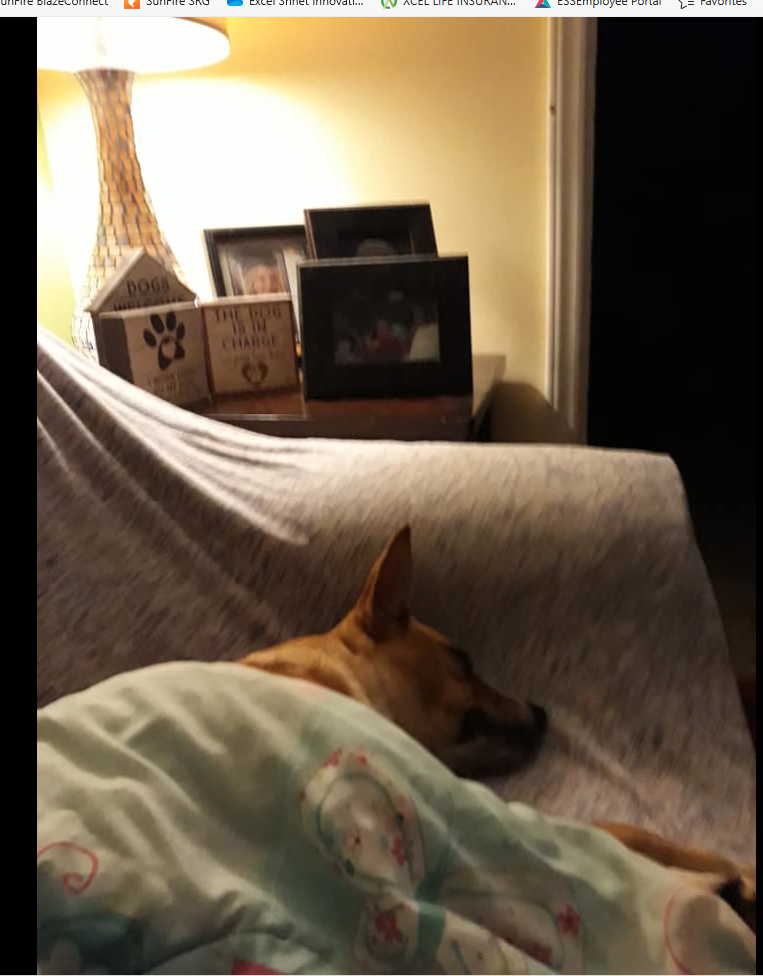
There’s working cattle dogs—the ones you see in videos herding sheep across rolling fields in Australia—and then there’s my cattle dog: tucked under a blanket, snoring like a grown man after Thanksgiving dinner.

Yes, this is the same breed the American Kennel Club (AKC) describes as “alert, curious, and remarkably intelligent.” Mine? She’s currently alert to exactly one thing: how warm and cozy her blanket is.

From Herding Cows to Herding Pillows

Australian Cattle Dogs, also known as Blue Heelers or Queensland Heelers, are famously energetic. They’re bred to run, jump, and outsmart livestock. In fact, studies in the Journal of Veterinary Behavior show they need hours of mental stimulation and exercise each day.

But here’s the funny truth: even the most tireless breeds crash eventually. And when they do, it’s glorious. My pup doesn’t just nap—she goes full diva mode. Blanket tucked, head on a pillow, lights low, and preferably near a lamp that says “Dogs leave pawprints on your heart” (because yes, she’s that spoiled).


Signs Your Cattle Dog Is Living Their Best Pampered Life

  1. The Blanket Demand: They won’t settle for just the couch. No, they need to be tucked in like royalty.
  2. The Lamp Mood Lighting: Forget candles. A soft lamp glow turns their nap into a spa session.
  3. The “I Work Hard, I Nap Hard” Face: You’d think they just herded 500 cows. In reality, they barked at one squirrel and called it a day.
  4. The No-Disturbance Rule: Move them at your own risk. A side-eye from a cattle dog mid-nap could curdle milk.

Why Pampering Is Actually Good for Them

Here’s the kicker—pampering your pup isn’t just adorable, it’s healthy. According to the American Veterinary Medical Association (AVMA), dogs who feel safe, relaxed, and bonded with their humans show lower stress markers and live healthier lives. Translation: those naps under blankets might just be adding years to her life.

And honestly, isn’t that what we want? A happy, healthy, blanket-thief who knows how much they’re loved.


Resources


Disclaimer

This blog is based on personal experience with my own very pampered cattle dog. While cattle dogs are known for their boundless energy and working spirit, individual personalities vary. Always ensure your pup is getting enough exercise, stimulation, and love—even if they prefer the couch to the pasture.


About the Author & Owner

I’m A.L. Childers, writer and storyteller who finds humor and heart in everyday life—especially through the antics of my four-legged family. This pampered cattle dog isn’t just my pet; she’s my partner in crime, blanket hog, and daily reminder that joy can be found in the simplest things… like a good nap.


👉 SEO Keywords: pampered cattle dog, Australian Cattle Dog humor, funny dog naps, spoiled cattle dog blog, working dog vs pampered dog, happy dog life.

The Universal Struggle: When Your Poop Refuses to Flush at Someone Else’s House

We’ve all been there. You’re visiting a friend, maybe a family member, or worse—a date’s house—and nature calls. You handle your business, wash your hands, and then it happens. The toilet betrays you.

You flush once. Nothing.
You flush again. The water swirls, the poop twirls, and suddenly you’re bargaining like you’re at a flea market in Marrakech.

And this meme sums it up perfectly:

  • You: desperately pleading, whispering sweet nothings to porcelain like it’s listening.
  • The poop: floating in the bowl like an unbothered spa guest, absolutely refusing to leave.

The Psychology of Toilet Anxiety

Yes, there’s actually a thing called toilet anxiety (or paruresis), often studied in psychology. According to the Journal of Environmental Psychology, embarrassment about bathroom noises, smells, or “malfunctions” is one of the most common forms of social discomfort.

Translation: You’re not alone. Millions of people have experienced the horror of flushing failures.


Funny Solutions People Have Tried

  1. The “Flush Midway” Trick: Some experts on Reddit swear by flushing during the process to minimize risks. (Warning: this requires timing and commitment.)
  2. The Toilet Paper Raft: Create a buffer of paper before you go so it doesn’t stick or skid. Engineers call this “preventative maintenance.”
  3. The Sneaky Shower Head: Desperate times call for desperate measures. I won’t elaborate, but some bathroom MacGyvers have… gotten creative.
  4. The Vanishing Act: If all else fails—fake a phone call, sprint out, and blame the plumbing later.

Why Toilets Betray Us

Plumbing experts (yes, I Googled this) say low-flow toilets are often the culprit. They’re designed to save water, but sometimes that means sacrificing power. According to the U.S. Environmental Protection Agency (EPA), modern WaterSense toilets use about 1.28 gallons per flush, compared to older models that used 3–7 gallons. Great for the planet—terrible for awkward house visits.


Resources for the Bathroom-Challenged


Disclaimer

This blog is for humor and entertainment purposes only. If your toilet genuinely won’t flush, please don’t blame your poop for having a strong will. Call a plumber. And remember: laughter is the best bathroom air freshener.


About the Author

I’m A.L. Childers, a writer with a knack for finding humor in life’s most awkward situations. Whether it’s history, health, or poop memes, I believe everything has a story worth telling.


👉 SEO Keywords: toilet humor blog, funny poop meme, poop won’t flush, toilet anxiety, awkward bathroom stories, plumbing humor, hilarious bathroom fails.

When Your Cattle Dog Just Isn’t Impressed by Your Antics

We’ve all been there: you’re feeling a little silly, having some fun with filters, snapping selfies, maybe even channeling your inner Snapchat superstar. You turn the camera, add the fuzzy ears, big glasses, and think, This is adorable!

And then there’s your Australian Cattle Dog.

Mine, as you can see in the photo, is passed out cold behind me. Not a glance, not a tail wag, not even the courtesy of opening one eye to acknowledge my brilliance. Nope—just a snoring pile of fur on the blanket.

The Great Divide: Humans vs. Heelers

Australian Cattle Dogs are known for their intensity. They’re herders, workers, energy-packed geniuses who thrive on exercise, training, and mental stimulation. According to the American Kennel Club (AKC), they are “alert, curious, and remarkably intelligent.” Translation: they usually don’t miss a beat.

But apparently, when I’m in full selfie mode with cartoon ears, my dog could not care less. His “mental stimulation” at that moment was limited to dreaming about chasing squirrels or herding shadows across the backyard.


What He Was Probably Thinking

Let’s be honest—dogs may not speak our language, but they definitely have opinions. If my cattle dog could talk during this moment, it probably would’ve gone something like this:

  • “Oh great, she’s doing the filter thing again. Wake me up when dinner’s ready.”
  • “These ears aren’t fooling anyone. You’re not part of the pack.”
  • “Yeah, yeah, blog about me, but keep it down—I’m trying to nap.”

Why This Is So Relatable

Every dog owner has had a moment where they want to share something funny, exciting, or Instagram-worthy, and their dog just… doesn’t care. They’re not here for your antics, your TikToks, or your experiments with puppy filters. They’re here for food, belly rubs, walks, and naps. Lots of naps.

And maybe that’s why we love them so much—they remind us to stop taking ourselves too seriously.


Disclaimer

This blog is based on personal experience with my own dog. Your mileage may vary, especially if your pup is more cooperative with selfies (lucky you!). Always remember, cattle dogs are energetic working breeds that require plenty of exercise, training, and patience—just don’t expect them to double as your Instagram hype squad.


About the Author

I’m A.L. Childers—writer, storyteller, and lifelong dog lover. Whether I’m writing books, blogs, or just documenting the antics of my four-legged family members, my mission is to bring a little humor, honesty, and heart into everyday life.


👉 SEO Keywords: Australian Cattle Dog humor, funny cattle dog stories, dog unimpressed by selfies, cattle dog personality, Australian Cattle Dog blog, funny dog moments, selfie fails with dogs.

When Your Australian Cattle Dog Just Wants to Chill

There’s something oddly hilarious about an Australian Cattle Dog (also called a Blue Heeler or Queensland Heeler) just… sitting still. If you’ve ever owned one, you know exactly why: these dogs were bred for herding cattle across the rough terrain of Australia. They are high-energy, whip-smart, and often labeled as “workaholics in fur coats.”

So when mine decided to plop down in the middle of the yard, ignoring the world, the birds, and even the boat across the street—let’s just say I grabbed a picture fast. Because this is as rare as spotting Bigfoot.

The High-Energy Breed That Sometimes Surprises You

Australian Cattle Dogs are famously energetic. According to the American Kennel Club (AKC), they rank among the most active dog breeds, needing both physical and mental exercise daily. This is a dog that will happily herd your kids, chase the lawnmower, or bark at a leaf blowing down the street.

Yet, here mine is—sitting like a philosopher, probably pondering the meaning of life… or just watching the neighbor’s cat walk by.

It’s a reminder that even the most driven dogs need downtime, just like us humans.


Why They Chill (Sometimes)

  • Exercise Finally Paid Off: After hours of fetch, tug-of-war, or backyard zoomies, they’ve burned enough energy to actually sit still.
  • Guard Duty in Progress: Don’t let the calm fool you. He’s probably still watching the yard, the street, and the entire neighborhood like a furry security camera.
  • Age & Wisdom: As cattle dogs get older, they sometimes mellow out. Notice the emphasis on sometimes.
  • The “I Just Can’t Anymore” Mode: Every now and then, the stubborn streak kicks in and they just decide, “I’m not moving, and you can’t make me.”

Funny Truths Only Cattle Dog Owners Know

  1. They herd everything. Kids, chickens, ducks, lawn chairs… and yes, even other dogs.
  2. Their “chill time” usually lasts about as long as it takes you to grab your phone for a picture.
  3. They’ll sit and relax… but their ears are always on full alert.
  4. They’d probably herd a boat if they could figure out how.

Resources for Australian Cattle Dog Owners


SEO Keywords

Australian Cattle Dog, Blue Heeler, Queensland Heeler, funny cattle dog stories, high-energy dog breeds, chilling dog moments, herding dogs, best dogs for active families, Australian Cattle Dog personality.


Final Thoughts

The truth is, when you have a cattle dog, “chill” isn’t usually part of the vocabulary. But when it does happen, it’s not just funny—it’s golden. So take the picture, enjoy the peace, and know it won’t last long. Because in five minutes, he’ll probably be herding shadows again.

When Play Turns Dangerous: The Hidden Risks of Cheap Backyard Playhouses

There’s nothing like sitting around a fire pit on a crisp evening, watching the flames dance while the kids play nearby. That’s exactly what I imagined when I purchased a little wooden toy playhouse for my grandson—the perfect backyard setup. Unfortunately, what should have been a safe and joyful purchase turned into a terrifying lesson on product safety.

The Playhouse That Almost Became a Trap

When the box first arrived, it took forever to put together. My husband is a builder by trade—he knows his way around construction, tools, and proper assembly. But even with his experience, this so-called “kid-friendly” playhouse was a nightmare to assemble.

After we finally got it standing, another problem became immediately obvious: the smell. The chemical odor coming from the wood and paint was so overwhelming that we had to leave it sitting outside for weeks before even letting my grandson near it. This raised major concerns about volatile organic compounds (VOCs) and off-gassing, which are often linked to cheap paints and materials. According to the EPA, VOCs can cause everything from headaches to long-term health issues if children are exposed to them indoors or at high concentrations.

But the real scare came later. As my grandson played, we noticed the structure was wobbly. Within days, parts of it started to loosen, shift, and give way. If we hadn’t been watchful, it could have collapsed right on top of him.

And here’s the most concerning part—it wasn’t just our experience. After doing some digging, I found that many other parents and grandparents had reported the same thing: unstable design, poor-quality screws, hazardous smells, and panels that fall apart under normal use. Several reviews even mentioned injuries when pieces gave way.

The Danger of Cheaply Made Children’s Structures

What happened with our playhouse isn’t just a one-off story. Cheap backyard playhouses, whether made of thin wood or plastic, are often rushed to market without proper safety testing. Common issues include:

  • Structural Instability: Thin panels and weak screws that can’t withstand play.
  • Toxic Materials: Paints, glues, and plastics that release dangerous fumes.
  • Sharp Edges & Gaps: Poorly cut wood or plastic that can cause cuts or pinched fingers.
  • False Advertising: Promises of “sturdy design” that don’t match the product reality.

Consumer watchdogs like Safe Kids Worldwide and the Consumer Product Safety Commission (CPSC) have repeatedly warned about unsafe children’s products. In fact, the CPSC recalled over 3 million child-related items in 2023 alone, many for structural and chemical hazards.

Reviews and Reports from Other Parents

Browsing through product reviews, the pattern is alarming. Parents repeatedly mention:

  • “Toxic smell, had to leave outside for weeks.”
  • “Panels don’t line up, everything wobbles.”
  • “Unsafe for toddlers, could tip over.”
  • “Horrible instructions—took hours and still unsafe.”

These aren’t isolated complaints—they’re a trend. And when multiple families say the same thing, it’s a red flag that needs to be taken seriously.

What Parents Should Do

If you’re considering buying a backyard playhouse, here are a few steps to keep your little ones safe:

  1. Research Before You Buy – Look up not just reviews on the store’s website, but also on independent review platforms like Consumer Reports, Trustpilot, and Reddit parenting communities.
  2. Check for Recalls – Use the CPSC recall database (cpsc.gov/recalls) to see if the item has a history of problems.
  3. Smell Test – If the product reeks of chemicals, don’t let your child use it until it’s fully aired out—or better yet, return it.
  4. Inspect Stability – Even if assembled correctly, push and shake the playhouse yourself before allowing children inside.
  5. Supervision – Never assume “kid-friendly” means safe. Always supervise play, especially with larger toy structures.

Final Thoughts

What was meant to be a sweet gift for my grandson turned out to be a potential death trap. Thankfully, we caught the warning signs early. But not all families are so lucky. As parents and grandparents, we must hold manufacturers accountable and share our stories so others don’t face the same risks.

Disclaimer

This post is based on personal experience and research into consumer safety reports. I am not affiliated with any company or review platform. Always check with official sources like the Consumer Product Safety Commission (CPSC) before purchasing or assembling play equipment.

About the Author

I’m A.L. Childers, a writer, researcher, and grandmother who believes in shining light on hidden dangers—whether in history, health, or everyday products. When I’m not writing books or blogs, you’ll find me around a fire pit, creating memories with my family and making sure the little ones can play safe.


👉 Suggested SEO keywords: unsafe children’s playhouse, backyard playhouse reviews, toxic toy materials, dangerous kids toys, consumer safety playhouse recall, wobbly playhouse danger

All the King’s Presidents: How U.S. Leaders Changed the Rules on Propaganda


“From Truman to Obama, U.S. presidents shaped propaganda laws. Discover how Truman blocked it, Reagan bent it, Clinton weakened it, Bush blurred it, and Obama modernized it.”


When people ask, “Which president made propaganda legal in America?” the easy answer often thrown around is Obama. But the truth is far more complicated. The ability for government-produced media to reach American citizens was shaped over decades, with multiple presidents playing a role.

This is the story of how propaganda laws evolved, from Truman’s 1948 firewall to Obama’s 2012 modernization. It’s a timeline of presidential decisions, Cold War fears, terrorism narratives, and globalization, all of which chipped away at the wall between foreign propaganda and domestic media.


Truman: The Firewall Builder (1948)

  • Law: The Smith–Mundt Act of 1948
  • What it did: Allowed U.S. international broadcasting (like Voice of America) to counter Soviet propaganda.
  • What it banned: Dissemination of that propaganda inside the U.S. — a firewall against domestic influence.
  • Why it mattered: Americans would not become targets of their own government’s messaging.

👉 SEO Keywords: Truman propaganda law, Smith–Mundt Act 1948, U.S. propaganda firewall.


Reagan: The Firewall Tester (1980s)

  • Action: Expanded U.S. Information Agency (USIA) and foreign propaganda efforts during the Cold War.
  • Blurred lines: Content created for foreign audiences often slipped into U.S. media coverage.
  • Pushback: Congress resisted formal domestic propaganda, but Reagan’s team argued that Americans had a right to see what their tax dollars funded.

👉 SEO Keywords: Reagan propaganda Cold War, U.S. Information Agency, Voice of America Reagan.


Clinton: The Firewall Weakener (1999)

  • Action: Signed legislation that abolished the USIA and merged it into the State Department.
  • Effect: By putting propaganda under the State Department umbrella, the barrier between diplomacy and domestic media thinned.
  • Why it matters: It centralized power, giving propaganda campaigns a direct tie to official U.S. foreign policy.

👉 SEO Keywords: Clinton propaganda law, USIA abolished 1999, Smith–Mundt weakening.


Bush: The Firewall Blur (2001–2008)

  • Post-9/11 Era: Bush created the Office of Strategic Influence to spread pro-U.S. messaging abroad.
  • Backlash: Officially shut down after criticism, but many of its functions quietly continued under different names.
  • Domestic spillover: The “War on Terror” messaging campaign was aimed globally but inevitably saturated American media too.

👉 SEO Keywords: Bush propaganda War on Terror, Office of Strategic Influence, post-9/11 propaganda.


Obama: The Firewall Remover (2012)

  • Action: Signed the Smith–Mundt Modernization Act, part of the NDAA 2012.
  • Effect: Allowed government-produced foreign propaganda to be accessible domestically upon request.
  • Why it mattered: It officially ended the firewall, though Obama’s defenders argue the material was already available online.
  • Misconception: This did not authorize lying or take over private media — it was about transparency, not control.

👉 SEO Keywords: Obama propaganda law 2012, Smith–Mundt Modernization Act, Obama media propaganda.


All the King’s Presidents: A Relay of Power

  • Truman (1948): Built the firewall — propaganda abroad only.
  • Reagan (1980s): Tested it — foreign propaganda bled into domestic news.
  • Clinton (1999): Weakened it — abolished USIA, folded propaganda into State Dept.
  • Bush (2001–2008): Blurred it — War on Terror messaging reached Americans.
  • Obama (2012): Modernized it — officially made foreign-facing content legal to access at home.

Each president moved the needle. None acted alone, and none can take full blame or credit. Instead, the story of propaganda in the U.S. is one of incremental shifts across decades, shaped by wars, fear, and global communication.


Why It Matters Today

The evolution of these laws reminds us of one truth: information is power. Whether it’s countering Soviet propaganda, promoting American ideals during the Cold War, rallying citizens after 9/11, or explaining foreign policy in the internet age, U.S. presidents have always tried to shape narratives.

The real question isn’t whether propaganda is legal — it’s how much influence government narratives have on media, and how aware we are as consumers of information.


📚 References & Resources


⚖️ Disclaimer

This blog is for educational and informational purposes only. It does not provide legal advice. All interpretations are based on publicly available sources.


✍️ About the Author

Audrey Childers (A.L. Childers) is a multi-genre author and researcher who uncovers hidden truths in history, politics, and culture. She writes to empower readers with knowledge and has published works ranging from health and wellness to socio-political analysis. Find more at TheHypothyroidismChick.com and on Amazon.


✅ SEO Keywords for Backend:
U.S. propaganda laws, Smith–Mundt Act, Smith–Mundt Modernization Act 2012, Truman propaganda law, Reagan Cold War propaganda, Clinton propaganda law, Bush propaganda War on Terror, Obama propaganda law, is propaganda legal in the U.S., media propaganda history.

Did Obama Really Make Propaganda Legal? The Real Story of the Smith–Mundt Act

Did a U.S. president really make it legal for the media to propagandize Americans? It’s a question that’s been circulating online for years, and for good reason—our trust in media and government messaging has been shaken more than once. The truth is a little more complex than a simple yes or no. To understand it, we need to rewind to 1948, when President Harry S. Truman signed the original Smith–Mundt Act, and then jump ahead to 2012, when President Barack Obama signed the Smith–Mundt Modernization Act.

This isn’t just a story about laws—it’s a timeline of how the U.S. has handled propaganda, who changed what, and why it still matters today.


Truman and the Smith–Mundt Act of 1948

After World War II, the Cold War was heating up, and the United States wanted to win hearts and minds around the world. President Truman signed the Smith–Mundt Act, officially known as the U.S. Information and Educational Exchange Act of 1948.

Here’s what it did:

  • It authorized U.S. international broadcasting, such as Voice of America, to counter Soviet propaganda abroad.
  • It banned government-produced materials from being distributed inside the U.S., so Americans wouldn’t be targeted by their own government’s messaging.
  • It built a firewall between foreign propaganda and domestic audiences.

This law reflected a clear concern: America wanted to promote democracy overseas, but not manipulate its own citizens at home.


The Cold War Years

For decades, that firewall held. The U.S. Information Agency and Voice of America became staples of Cold War propaganda—but always aimed overseas. Occasionally, content slipped into U.S. libraries or academic circles, but the law stood as a guardrail.

The underlying message was simple: the government could promote its ideals abroad but should not propagandize its own people.


Obama and the Smith–Mundt Modernization Act of 2012

Fast forward to the 21st century. The internet blurred borders, and government-produced content was already accessible online whether lawmakers liked it or not. In 2012, Congress passed—and President Obama signed—the Smith–Mundt Modernization Act, tucked into the National Defense Authorization Act.

This is where things shifted:

  • The update allowed U.S. government-funded media, originally created for foreign audiences, to be available domestically.
  • The change meant that if Americans wanted to access materials from Voice of America, Radio Free Europe, or other outlets, they could legally do so.
  • Supporters argued this was about transparency, not manipulation, since anyone with an internet connection could already see the content.

But here’s what didn’t change:

  • The law didn’t give the government the right to lie to Americans.
  • It didn’t authorize control over private media.
  • It didn’t legalize “propaganda” in the sense of forced manipulation.

Still, the optics of the change fueled public suspicion.


What Happened Next?

Once the firewall came down, government-funded media became more openly accessible inside the U.S. Critics feared it was a slippery slope—was this the start of domestic propaganda campaigns?

Fact-checkers clarified that this was more about availability than authorization to deceive. Americans could now access what foreign audiences had always seen, but it didn’t give the government a free pass to manipulate its citizens.

Still, in a time when people already distrust the media, the words “propaganda” and “Obama” in the same sentence made waves.


Quick FAQ: Clearing the Confusion

Did Obama make propaganda legal?
Not exactly. He signed the 2012 update that allowed government-funded media to be shared domestically, but it did not authorize lying or co-opting private media.

What is the Smith–Mundt Act?
Passed in 1948, it authorized international broadcasting but prohibited domestic propaganda.

Is propaganda legal in the U.S. today?
Private media can and does produce bias and spin. Government-funded content can be accessed domestically since 2012, but intentional disinformation campaigns by the government are still restricted.


Why It Matters Today

This history shows a clear timeline:

  • Truman (1948): Built the firewall—propaganda abroad, not at home.
  • Obama (2012): Modernized the law—foreign-focused media became accessible domestically.

The reality is more nuanced than the viral claims suggest. No president handed over a blank check to propagandize Americans. But the shift from secrecy to accessibility raised fair questions about trust, influence, and who controls the narrative in an age of constant information.


References & Resources


Disclaimer

This blog is for educational and informational purposes only. It does not provide legal advice. All interpretations are based on publicly available sources.


About the Author

Audrey Childers (A.L. Childers) is a multi-genre author, blogger, and researcher who dives deep into history, politics, and hidden truths. She has written books on everything from health and wellness to socio-political movements. Audrey writes to empower readers with knowledge and spark conversations that matter.