Tag Archives: #books

The Girl in the Mirror Is Thirteen Again

The House That Yelled and the Woman Who Finally Heard Herself

By A.L. Childers


💌 Dedication

For the women who stopped explaining themselves,
the daughters who carried their mothers’ bruised silence,
and the little girls who survived homes that never felt like home.

You are not broken.
You are the story that refused to die.


⚖️ Disclaimer

This book is a work of creative nonfiction, inspired by real emotional experiences that countless women share.
Some stories have been fictionalized or merged for narrative flow, but the feelings, lessons, and truths are universal.

This is not a substitute for professional therapy, counseling, or medical advice.
If you are in an unsafe relationship or environment, please reach out to:
National Domestic Violence Hotline (U.S.): 1-800-799-SAFE (7233) or text START to 88788.

You are not alone.
There is always a way out — and a way home.


🌙 Introduction — “The House That Yelled”

The house had a heartbeat — not the kind you hear, but the kind you feel beneath your skin.
It pulsed through the walls, through the slammed doors, through the way she learned to tiptoe across her own life.

Most days, the air was heavy with silence. Other days, it wasn’t silent at all — it was shouting, cursing, demanding, blaming.
He said she used him for money, but the truth was, they were always poor — rich only in chaos.
She stayed, not because she was weak, but because she believed love was endurance.
She thought if she could just keep the peace, hold the home together, her children would grow up knowing stability instead of storms.

But storms have a way of seeping through cracks, even the ones sealed with prayer.

One night, after another argument that felt like an autopsy of her soul, she stood before the mirror.
And there she was — not the woman with lines of fatigue and eyes full of restraint,
but a thirteen-year-old girl staring back at her.

The girl who had been told to hush when she cried.
The girl who learned that survival meant silence.
The girl who hid in corners of houses that yelled.

In that reflection, time folded.
Two lifetimes — the child who endured and the woman who adapted — faced each other.
For the first time, she realized they were both waiting to be rescued by the same person.

The walls didn’t stop yelling that night.
But she did something different — she listened to herself.
And that tiny act of rebellion became the beginning of everything.


🪞 Who This Book Is For

This book is for every woman who has:

  • Ever mistaken control for love.
  • Ever silenced her truth to keep the peace.
  • Ever looked in the mirror and didn’t recognize who she had become.
  • Ever carried the echoes of a childhood that never stopped repeating itself.

It’s also for the daughters and sons who grew up watching love through walls that yelled.
For the healers, the helpers, the ones who smile so others won’t worry.
For the readers searching for meaning in their pain — and proof that healing is not weakness but evolution.

This is your mirror.
Look closely. You might see yourself — and the girl you left behind.


✍️ About the Author

A.L. Childers is a prolific author and truth-teller whose words blend poetic honesty with social insight.
Known for books such as Silent Chains, A Hug That Changed Nothing, and The Seven Trials of the Soul,
her work bridges trauma and transcendence — illuminating the hidden resilience within ordinary lives.

A.L. Childers writes for those who have been silenced, shamed, or forgotten, weaving stories that heal by revealing what society prefers to keep quiet.
Her voice stands as both witness and warrior — transforming pain into poetry, survival into song, and silence into strength.

🧟‍♀️ Savannah Is Screwed: The One American City You Don’t Want to Be In When the Dead Rise

Ghosts, zombies, and statistics that prove Savannah, Georgia is the worst place to survive the apocalypse.

By A.L. Childers


💀 Welcome to the City Where the Dead Outnumber the Living

If the veil between life and death ripped open tonight, there’s one city you absolutely wouldn’t want to call home—Savannah, Georgia.

It’s beautiful, it’s historic… and it’s absolutely crawling with the dead. Between its colonial cemeteries, plague burials, and unmarked graves, Savannah’s population of restless souls makes the living look like a rounding error.

Let’s look at the numbers (because even the undead deserve data).


📊 The Bone-Chilling Stats Behind Savannah’s Charm

  • Over 10,000 people buried in Colonial Park Cemetery alone… but fewer than 1,000 gravestones remain. That’s a lot of ghosts without name tags.
  • During Savannah’s Yellow Fever epidemic, around 666 souls were dumped into a single mass grave (no symbolism there at all).
  • One Civil War battle—the Siege of Savannah, 1779—left 800+ dead in one night.
  • In total, Savannah’s “underground population” likely exceeds 150,000 souls, compared to only about 150,000 living residents.

That’s a 1:1 ratio of dead to living. So if the Night of the Living Dead crossed into reality tonight, every living person would have their own ghostly partner—or zombie rival.


👻 Why Savannah Would Be Zombie Ground Zero

Savannah isn’t just haunted—it’s a perfect storm for a supernatural uprising.

  • Burial grounds under buildings: Churches, hotels, and historic homes were all built right on top of graves.
  • Water and humidity: Swampy weather helps preserve bodies… and makes for great undead skincare.
  • Spanish moss camouflage: Zombies would blend right in with the trees.
  • Cobbled streets: Beautiful for tourists, terrible for running when you’re being chased.
  • Historic tours: You’d never know if that person behind you on the ghost walk is a guide… or a ghost.

Savannah is literally a southern gothic buffet of the dead—and you’re on the menu.


🧠 What to Do When the Veil Lifts

Because let’s face it—you’re not surviving this without a plan.

🪓 1. Gear Up Like You Mean It

  • Flashlight with backup batteries (because ghosts are petty about electricity).
  • Salt, sage, or your favorite cleansing herbs. (The power of belief matters more than logic here.)
  • A solid melee weapon—crowbars, shovels, and fireplace pokers are Savannah’s new status symbols.

🏚️ 2. Know Your Safe Zones

  • Forsyth Park Fountain: high visibility, open area, and good escape routes.
  • The Cathedral of St. John the Baptist: beautiful sanctuary… until the statues start moving.
  • Modern hotels: better plumbing, fewer bones under the floorboards.

🫣 3. Know When to Hide

  • Avoid basements. Too many “old friends” waiting.
  • Stay off River Street—it’s practically a zombie cruise terminal.
  • Never go near the cemeteries after dark. This isn’t bravery—it’s stupidity.

😂 4. Keep Your Sense of Humor

Because when you’re surrounded by 200-year-old ghosts whispering “bless your heart,” you might as well laugh before you scream.


🧂 “Survival Shopping List” for the Southern Undead Apocalypse

If Walmart’s still open (big if), grab these before the screaming starts:

  • Bug spray (mosquitos don’t die either)
  • Holy water (or tequila—same thing in a pinch)
  • Duct tape (because even zombies respect DIY)
  • Mirror (helps spot ghosts over your shoulder)
  • Caffeine (you’re not sleeping through this anyway)

🌕 Final Thought: You Can Leave Savannah… But Savannah Won’t Leave You

Savannah’s charm lies in its ghosts—its history, its hauntings, its whispered names carved into the walls of time.
But if the veil lifted tonight, the city would transform from hauntingly beautiful to beautifully haunting.

And in that moment, you’d realize:
The dead were never gone.
They were just waiting for you to notice them.


📚 If You Survive, Read These by A.L. Childers

Perfect for your post-apocalyptic book club:

Because when reality gets spooky, fiction feels like home.


⚠️ Disclaimer

This blog is a fictional-horror exploration inspired by Savannah’s real history, statistics, and haunted reputation. The numbers are estimates blended with imagination for entertainment. Please don’t actually fight zombies—or ghost tourists—without a signed waiver.


✍️ About the Author

A.L. Childers writes with one foot in history and the other in the afterlife. Her books bridge the gap between the seen and unseen, revealing how power, mystery, and memory shape the human experience. Whether she’s decoding ancient myths or exploring haunted truths, she brings the same message: fear is just curiosity wearing a costume.

Visit TheHypothyroidismChick.com for more spellbinding blogs, eerie truths, and glimpses beyond the veil.


Savannah, Georgia—America’s most haunted city—is the worst place to be if the veil between life and death ever lifted. Discover ghost-to-human ratios, zombie survival tips, and chilling real-life stats in this darkly funny blog by author A.L. Childers (Bloodline of the Forsaken, Nightmare Legends).

SEO Keywords: haunted Savannah Georgia, most haunted city in America, zombie apocalypse survival guide, Savannah ghost tours, Savannah cemetery facts, dead-to-living ratio, Savannah paranormal activity, A.L. Childers spooky books, what to do in a zombie outbreak, ghost sightings Savannah

🧟‍♀️ If the Dead Rose Tonight, How Many Zombies Would You Have to Fight?

A terrifyingly real look at cemeteries, ghosts, and the living—through numbers that’ll haunt your sleep.

By A.L. Childers


💀 The Math of the Macabre: Are You Outnumbered by the Dead?

If you’ve ever walked past a cemetery and felt that strange pull—the one that whispers, you’re not alone—you’re not imagining it. The numbers say so.

Since humanity began, roughly 109 billion people have died. With only 8 billion alive today, that’s 13.6 dead for every living person.
In other words: if ghosts had voting rights, you’d already be outnumbered before breakfast.

Now imagine every one of those souls clawing their way back through the soil tonight. Would you survive the first hour?


⚰️ Counting Cemeteries: Who Really Rules Your Town?

There are over 144,000 cemeteries in the United States alone. With about 340 million living Americans, that’s roughly one cemetery for every 2,360 people—but most cemeteries hold thousands of bodies.

Do the math, and you’ll realize your neighborhood isn’t built near a graveyard… it’s built on one.

If each grave birthed a zombie, the average American town would have two undead for every living person.
Some towns? More like ten.


👻 Ghosts Per Capita: The Unseen Majority

Take the global death count and spread it across the living: you get about 13 ghosts per person.
So when you wake up at 3 AM, that whisper you heard isn’t your imagination—it’s just one of the 13 checking in.

Earth, in essence, is the world’s largest haunted house. And if the veil between life and death ever tore open? The living wouldn’t stand a chance.


🌍 The Top 5 Deadliest Cities to Be in When the Veil Breaks

If the Night of the Living Dead spilled over into reality, these five global cities would be ground zero for chaos:

  1. Paris, France 🇫🇷
    Beneath the romantic streets lies a mass grave of over six million skeletons in the Catacombs of Paris.
    The dead literally outnumber the living underground. When the veil rips open, they’d rise from subway tunnels, crypts, and cryptic cafés. You wouldn’t hear them coming—you’d feel them.
  2. Cairo, Egypt 🇪🇬
    The City of the Dead is a vast necropolis where hundreds of thousands of living residents actually dwell among tombs. If the dead awoke, they’d already know the address.
  3. London, England 🇬🇧
    London is layered with plague pits and forgotten crypts. If the veil thinned, every Underground station could become a zombie metro.
  4. Beijing, China 🇨🇳
    Thousands of years of continuous burials, royal tombs, and ancient dynasties buried under urban sprawl—if resurrection began, it’d look like an army rising from history itself.
  5. Rome, Italy 🇮🇹
    Catacombs, mummified popes, and imperial crypts… Rome has more bones than blessings. When the dead rise, they’ll march straight down the Appian Way.

The Top 5 American Cities You’d Never Survive in a Zombie Uprising

Now let’s bring it home—literally. Here are the five U.S. cities you’d never want to live in if the veil shattered tonight:

  1. Savannah, Georgia
    The “Most Haunted City in America.” Built on Native burial grounds, Civil War graves, and layered hauntings. Every square, every home, every oak-draped street holds secrets. When the dead rise, Savannah will glow ghost-white under the Spanish moss.
  2. New Orleans, Louisiana
    Cemeteries built above ground, voodoo roots, and restless spirits—this city would be an undead carnival. You’d hear the trumpets before the screams.
  3. Charleston, South Carolina
    Colonial graveyards under cobblestone streets, hurricanes, and hauntings dating back to the 1600s. Zombies here would know how to navigate a flood.
  4. Boston, Massachusetts
    One of the oldest burial cities in the U.S.—and home to crypts older than the country itself. Paul Revere might be ringing a different kind of warning bell tonight.
  5. St. Augustine, Florida
    The oldest continuously inhabited city in America—home to ancient Spanish burial sites, pirate graves, and the restless dead of centuries past.

If you live in any of these cities, keep your doors locked and your salt handy. When the night goes silent, it won’t stay that way for long.


🧠 Why These Numbers Matter

Because this isn’t just math—it’s memory.
Every inch of land we call “home” is borrowed from the dead. Our schools, churches, highways, and homes are layered atop generations who never truly left.

If the veil ever tears, it won’t be about them coming for us. It’ll be about them reclaiming what was theirs all along.


📚 For Readers Who Crave the Truth Behind the Terror

If you love haunting statistics and the eerie dance between fact and fear, step into my darker worlds:

Each title unearths another layer of the unseen—where myth, math, and mystery collide.


⚠️ Disclaimer

This blog is a fictional and statistical blend, created for entertainment and eerie exploration.
The cities and numbers mentioned are based on historical data, population ratios, and creative interpretation—not verified paranormal records (though you might wish they were).
Proceed with curiosity… and maybe a flashlight.


✍️ About the Author

A.L. Childers is a bestselling author and researcher who turns history into haunting. Her works explore the thin veil between science and superstition, revealing the stories buried beneath our world—sometimes literally.

When she isn’t digging into historical conspiracies or decoding ancient myths, she’s writing late into the night, where the only sound is the whisper of the past.

Find her books on Amazon under A.L. Childers or visit TheHypothyroidismChick.com for more haunting truths and enchanted storytelling.


If the dead rose tonight, how many zombies would you have to fight? Discover the shocking dead-to-living ratios, haunted cities, and terrifying cemetery stats that prove the dead already outnumber us. A chilling blog by A.L. Childers, author of Bloodline of the Forsaken and Nightmare Legends.

🏴 The Blood-Red Terror: The Secret History of the Jolly Roger

by A.L. Childers

Since the early 18th century, few symbols have stirred more fear on the high seas than the infamous Jolly Roger. Today, we picture it as a black flag bearing a white skull and crossbones, but the truth is far darker—and far more fascinating.

⚓ A Symbol That Spoke Without Words

Sailors once said that when the black Jolly Roger rose over the horizon, there was still a chance to live—if you surrendered quickly. But when the red flag unfurled, it was a message written in blood: no quarter given, no mercy shown.

This crimson banner wasn’t merely for theatrics. In the code of the 18th-century pirate, red meant total warfare. It warned that the pirates intended to take no prisoners—a psychological tactic designed to break a crew’s resolve before the first cannon fired.

⚓ Beyond the Skull and Crossbones

Not all Jolly Roger flags bore skulls at all. Some displayed hourglasses, swords, or bleeding hearts, each conveying its own promise of doom. Blackbeard’s flag, for example, portrayed a skeleton stabbing a heart with a spear while raising a glass to the devil. Every design was a language of fear, crafted to strike before battle ever began.

The red Jolly Roger, however, was the most dreaded. Sailors knew it meant they were out of time—and that negotiation was no longer an option. Only two of these original red flags are known to survive today, both preserved as haunting relics of a brutal era when piracy ruled the waves.

⚓ The Psychology of Power and Fear

In a world without radio or radar, imagery was everything. Flags were the pirates’ branding—their version of modern psychological warfare. The Jolly Roger united outlaws from different crews under one terrifying promise: chaos without compromise.

That red flag’s impact endures even now, echoed in movies, video games, and literature. Its meaning has shifted from terror to legend, reminding us that symbols are only as powerful as the fear—or fascination—they command.


🧭 Why the Red Flag Still Captures Our Imagination

  • It embodies rebellion, courage, and absolute freedom.
  • It’s a reminder that history’s villains can become pop-culture icons.
  • It reflects how fear, identity, and storytelling shape every era—from pirate ships to social media feeds.

⚠️ Disclaimer

This article is for educational and historical purposes only. All research and commentary presented herein are based on documented sources and scholarly interpretations available at the time of publication. No part of this article promotes or romanticizes violence or piracy.


📚 References

  • Cordingly, David. Under the Black Flag: The Romance and the Reality of Life Among the Pirates. Random House, 1995.
  • Konstam, Angus. Piracy: The Complete History. Osprey Publishing, 2008.
  • British National Maritime Museum Archives, “Flags of the Golden Age of Piracy.”
  • Smithsonian Magazine, “The Real History Behind the Jolly Roger,” 2019.

✍️ About the Author

A.L. Childers is a historian and author whose works explore the forgotten corners of history, myth, and culture. With over 200 published titles, Childers blends factual research with storytelling flair to bring the past to life for modern readers. Her work spans folklore, social commentary, and hidden histories—each written with curiosity and heart.


Discover the shocking truth behind the red Jolly Roger pirate flag—the blood-stained symbol that struck terror into 18th-century sailors. Learn how this rare version of the Jolly Roger meant no prisoners, no mercy, and total fear. Written by A.L. Childers.


Jolly Roger history, red pirate flag meaning, origins of the Jolly Roger, Blackbeard flag, pirate symbolism, 18th century pirates, no quarter flag, pirate folklore, A.L. Childers

You’ll never find justice in a world where criminals make the rules.” Did Bob Marley really say that?

Short answer: this line is widely attributed to Bob Marley online—but I couldn’t find a reliable primary source (song lyric, interview, book, or filmed speech) that proves he said it. It circulates on social media without citation, which usually means it’s apocryphal. Instead of repeating a maybe-fake quote, let’s anchor in what Marley definitely said about justice—and why the spirit of the line resonates today. Encyclopedia Britannica


Did Marley actually say it?

  • I searched for the phrase in published lyrics, interviews, and reputable biographies. It doesn’t show up in Marley’s documented songs or major reference bios. The line mostly appears on reposts and quote images without an original source. That’s a classic sign of a misattribution. Encyclopedia Britannica

What Marley did say (with sources)

If you want authentic Marley on justice and power, go to the songs:

  • “War” (1976) quotes Emperor Haile Selassie’s 1963 U.N. address: “Until the philosophy which holds one race superior and another inferior is finally and permanently discredited and abandoned…” Marley put the anti-racism, pro-human-rights message front and center. Wikipedia+1
  • “Get Up, Stand Up” (1973) is a direct call to defend your rights—Marley’s most explicitly militant anthem. Wikipedia
  • “Redemption Song” (1980) carries Marcus Garvey’s famous line: “Emancipate yourselves from mental slavery; none but ourselves can free our minds.” (Garvey’s words, echoed by Marley.) Wikipedia+1

These are on-record, fully sourced statements of Marley’s worldview: justice requires truth, equality, and everyday courage, not passive hope. Encyclopedia Britannica


Why the viral line still hits

Even if the line isn’t traceable to Marley, people share it because it feels true: when systems are shaped by self-interested actors, everyday people don’t experience justice by default. That’s exactly why Marley’s real lyrics still matter—they demand action and integrity in the face of power.


Use it well (and accurately)

If you love the sentiment, try this wording in posts or merch:

  • “You won’t find justice in systems built by injustice—you have to make it.”
    Then, if you want a Marley connection, pair it with verifiable lines from “Get Up, Stand Up” or “Redemption Song,” and cite them properly. Wikipedia+1

References & resources

  • Bob Marley – biography & context: Encyclopedia Britannica. Encyclopedia Britannica+1
  • “War” (lyrics source & origin in Selassie’s 1963 speech): Wikipedia entry for “War”; full UN text on Wikisource. Wikipedia+1
  • “Get Up, Stand Up” (release & status): Wikipedia entry; background features. Wikipedia+1
  • “Redemption Song” (Garvey link): Wikipedia entry; AAIHS article on Garvey’s words in Marley’s lyric. Wikipedia+1

Note: Quote images on social platforms often lack sources and should be treated as unverified unless backed by a primary record (lyrics, audio/video, interview transcript, or printed book).


Disclaimer

This post blends documented music history with commentary. I’m not claiming legal or scholarly authority—sources are linked so you can verify and read more. If you publish, stream, or sell anything referencing Marley, follow fair-use rules and cite original sources.


About the Author

Audrey Childers writes about history, culture, and the hidden wiring of power—with a side of kitchen-witch coziness. She’s the author of:

  • Healing Stews & Enchanted Brews: A Witchy Crockpot Cookbook
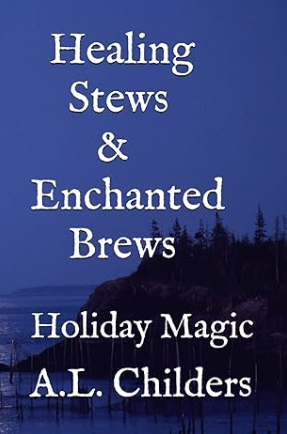
  • Healing Stews & Enchanted Brews: Holiday Magic

Perfect for moonlit reading sessions, ritual nights, and nourishing your body while you nourish your spirit.

Healing Stews & Enchanted Brews: Holiday Magic Paperback – October 2, 2025

by A.L. Childers (Author)


✨ Discover the Magic of Seasonal Living — One Simmering Pot at a Time.

Healing Stews & Enchanted Brews: Holiday Magic by A.L. Childers is a one-of-a-kind winter cookbook and ritual guide that blends clean eatingpagan seasonal traditionsYuletide magic, and ancestral kitchen wisdom.

This book invites you to slow down, gather around the hearth, and embrace the spirit of the season from October through January. Through warming recipes, simple rituals, and rich historical storytelling, you’ll rediscover the joy of living in harmony with the seasonal wheel.

🌿 Inside You’ll Find:
• 75+ clean, seasonal recipes — including stews, breads, desserts, teas, and festive drinks
• Candlelight rituals, hearth blessings, and ancestral table traditions
• A historical journey through Samhain, Saturnalia, Yule, and the Twelve Days celebrations
• Practical kitchen witchery — from setting seasonal altars to everyday magical habits
• Herbal correspondences, conversion charts, and holiday checklists for easy reference

Whether you’re celebrating the winter holidays through pagan, spiritual, or simply mindful traditions, this book is a gentle companion — helping you bring intention, nourishment, and enchantment into your home.

🕯 Perfect for:
• Kitchen witches and spiritual practitioners
• Clean eating & seasonal living enthusiasts
• Folklore and history lovers
• Home cooks seeking meaningful holiday traditions

Cook with purpose. Bless your home. Celebrate the season.

✨ Because food is never just food — it’s memory, medicine, and magic.

Healing Stews & Enchanted Brews: Holiday Magic

The Universal Struggle: When Your Poop Refuses to Flush at Someone Else’s House

We’ve all been there. You’re visiting a friend, maybe a family member, or worse—a date’s house—and nature calls. You handle your business, wash your hands, and then it happens. The toilet betrays you.

You flush once. Nothing.
You flush again. The water swirls, the poop twirls, and suddenly you’re bargaining like you’re at a flea market in Marrakech.

And this meme sums it up perfectly:

  • You: desperately pleading, whispering sweet nothings to porcelain like it’s listening.
  • The poop: floating in the bowl like an unbothered spa guest, absolutely refusing to leave.

The Psychology of Toilet Anxiety

Yes, there’s actually a thing called toilet anxiety (or paruresis), often studied in psychology. According to the Journal of Environmental Psychology, embarrassment about bathroom noises, smells, or “malfunctions” is one of the most common forms of social discomfort.

Translation: You’re not alone. Millions of people have experienced the horror of flushing failures.


Funny Solutions People Have Tried

  1. The “Flush Midway” Trick: Some experts on Reddit swear by flushing during the process to minimize risks. (Warning: this requires timing and commitment.)
  2. The Toilet Paper Raft: Create a buffer of paper before you go so it doesn’t stick or skid. Engineers call this “preventative maintenance.”
  3. The Sneaky Shower Head: Desperate times call for desperate measures. I won’t elaborate, but some bathroom MacGyvers have… gotten creative.
  4. The Vanishing Act: If all else fails—fake a phone call, sprint out, and blame the plumbing later.

Why Toilets Betray Us

Plumbing experts (yes, I Googled this) say low-flow toilets are often the culprit. They’re designed to save water, but sometimes that means sacrificing power. According to the U.S. Environmental Protection Agency (EPA), modern WaterSense toilets use about 1.28 gallons per flush, compared to older models that used 3–7 gallons. Great for the planet—terrible for awkward house visits.


Resources for the Bathroom-Challenged


Disclaimer

This blog is for humor and entertainment purposes only. If your toilet genuinely won’t flush, please don’t blame your poop for having a strong will. Call a plumber. And remember: laughter is the best bathroom air freshener.


About the Author

I’m A.L. Childers, a writer with a knack for finding humor in life’s most awkward situations. Whether it’s history, health, or poop memes, I believe everything has a story worth telling.


👉 SEO Keywords: toilet humor blog, funny poop meme, poop won’t flush, toilet anxiety, awkward bathroom stories, plumbing humor, hilarious bathroom fails.

Falling Two Miles and Surviving the Jungle: The Extraordinary Story of Juliane Koepcke

In December 1971, 17-year-old Juliane Koepcke boarded LANSA Flight 508 with her mother, Maria, flying over the dense Peruvian rainforest. What started as a routine journey turned into one of the most incredible survival stories in modern history.

During the flight, the plane was struck by lightning, breaking apart mid-air. Juliane fell nearly two miles (10,000 feet) from the sky—still strapped to her seat—into the Amazon jungle. Miraculously, she survived the fall with a broken collarbone, a deep gash on her arm, and other minor injuries.


Surviving the Impossible

When Juliane awoke, dazed and alone, her first instinct was to search for her mother. Tragically, she found no sign of her. With limited resources, she scavenged what she could—most notably, a small bag of candy from the crash site.

Juliane remembered her father’s teachings: in the rainforest, follow the water. Streams lead to rivers, and rivers eventually lead to people. For the next 11 days, she walked, swam, and drifted along waterways, battling exhaustion, injuries, infections, and the ever-present dangers of the Amazon—snakes, insects, and hunger.

Her shoes were lost in the crash, so she trudged barefoot, her wounds crawling with maggots. At one point, she used gasoline she found in a moored boat to clean her infected cuts, showing both courage and resourcefulness.


Rescue at Last

On the tenth day, Juliane stumbled upon a small shelter used by lumber workers. She spent the night there before being discovered by locals who cared for her until she could be reunited with her father. Tragically, she later learned that her mother had initially survived the crash but succumbed to her injuries days later.


Life After Survival

Despite unimaginable trauma, Juliane refused to let her story end in despair. Inspired by her scientist parents, she pursued a career in biology, specializing in mammalogy, with a focus on bats. She earned her doctorate in biology from the Ludwig Maximilian University of Munich and returned to Peru for research.

In 2011, she shared her journey in the memoir When I Fell from the Sky (Als ich vom Himmel fiel), offering a firsthand account of survival, grief, and resilience.


Lessons in Resilience

Juliane’s story is more than a tale of survival—it is a testament to the human spirit’s resilience. With courage, memory, and instinct as her guides, she endured one of the harshest environments on earth. Her story continues to inspire, reminding us that even in the darkest circumstances, determination and knowledge can be lifesaving.


References & Resources

  • Koepcke, Juliane. When I Fell from the Sky. Nicholas Brealey, 2011.
  • Smithsonian Channel Documentary: Miracle in the Jungle.
  • “Juliane Koepcke: How I survived a plane crash.” BBC News, 2012.
  • Ancient History Encyclopedia.

Disclaimer

This article is for educational and inspirational purposes only. It shares Juliane Koepcke’s true survival story, based on published accounts and documented resources. The content is not intended as survival training or medical advice.


About the Author

A.L. Childers (Audrey Childers) is a multi-genre author and blogger who blends history, resilience, and human spirit into her work. Drawing on her background in health, research, and storytelling, she creates compelling narratives that inspire and educate readers across the globe.

Her latest book, The Hidden Empire: A Journey Through Millennia of Oligarchic Rule, dives deep into history, unveiling the forces that have shaped human civilization and power structures for thousands of years.


Juliane Koepcke’s survival story reminds us that life, even when shattered by tragedy, can be rebuilt with courage, knowledge, and perseverance.

Author’s Note

As an author, I approach true survival stories with both reverence and responsibility. When I write about real people who have endured trauma, I don’t just collect facts — I live their lives on the page as I read and research. I feel their fear, their courage, and their resilience.

That’s what makes me different from other authors: I don’t treat survivor stories as headlines. I write with compassion, dignity, and a trauma-informed lens, making sure their humanity is honored above all else.

I believe in ethical storytelling — sharing true stories responsibly, with sensitivity and integrity, so readers can understand both the tragedy and the triumph without exploitation. My goal is to protect survivors while reminding readers that behind every survival miracle is a human being with a beating heart and a story worth respecting.


The Curious Case of Rosemary Kennedy: A Life Stolen by a Lobotomy

When people think of the Kennedy family, they picture American royalty — charm, power, tragedy, and influence. But hidden in the family’s glittering history is the heartbreaking story of Rosemary Kennedy, a woman whose life was forever altered by an inhumane medical procedure: the lobotomy.

Her story is not just about a single act of cruelty; it’s a cautionary tale about how women — even those born into wealth and privilege — were silenced and controlled when they didn’t fit the mold.


Who Was Rosemary Kennedy?

Born in 1918, Rosemary was the eldest daughter of Joseph P. Kennedy Sr. and Rose Fitzgerald Kennedy. Unlike her famous siblings — John F. Kennedy, Robert Kennedy, and Ted Kennedy — Rosemary struggled with developmental delays and learning difficulties.

Despite this, those who knew her described her as bubbly, affectionate, and eager to please. She loved children and dreamed of becoming a kindergarten teacher. Friends recalled her as someone who loved to dance and laugh, often the heart of social gatherings in her youth.

Yet, in a family obsessed with perfection, her uniqueness was seen not as a gift, but as a liability.


The Kennedy Family’s Dilemma

By her late teens and early twenties, Rosemary’s challenges became harder for her family to manage. Reports say she had mood swings and occasional outbursts. At the time, such behavior — especially in women — was stigmatized as “unladylike” or “dangerous.”

Joseph Kennedy Sr., deeply concerned about the family’s public image (and perhaps his sons’ political futures), sought what doctors claimed would be a revolutionary procedure: the prefrontal lobotomy.


The Lobotomy: An Inhumane “Solution”

In 1941, at age 23, Rosemary underwent the procedure. Accounts describe how doctors inserted sharp instruments through her skull to sever connections in her brain’s frontal lobe. During the surgery, she was asked to recite the alphabet and sing songs — until she could no longer continue. That was considered the point of “success.”

But the outcome was devastating. Rosemary was left unable to walk, speak coherently, or care for herself. Once a vibrant young woman, she became dependent on lifelong institutional care, hidden away from the public eye.


What People Said About Her Personality Before

  • Friends and relatives remembered Rosemary as “sweet and shy, with a loving smile.”
  • Journal entries and letters showed she longed to be included in her siblings’ lives, writing of parties, dresses, and dances.
  • She reportedly adored children and worked briefly as a teaching assistant at a school for girls, where she thrived in the role.

Her personality was not one of danger or threat — but of longing for belonging.


Why They Did It

The lobotomy craze of the 1930s–1950s was sold as a miracle cure for everything from depression to “rebellious behavior.” But in Rosemary’s case, historians argue it was not about medicine — it was about control.

  • Gender norms of the time: A woman’s independence or sexuality was often pathologized.
  • Family image: Joseph Kennedy Sr. feared scandal or anything that could jeopardize his children’s political ambitions.
  • Medical hubris: Surgeons like Dr. Walter Freeman promoted lobotomies as quick fixes, despite their horrifying risks.

In truth, Rosemary’s “treatment” was less about her well-being and more about preserving appearances.


Aftermath: A Life in the Shadows

Following the operation, Rosemary was institutionalized for the rest of her life. For decades, the Kennedys kept her existence quiet. Only later did the truth emerge, shining light on the darker side of both psychiatry and patriarchal family control.

Though her siblings rarely spoke of her publicly, her story eventually inspired Eunice Kennedy Shriver, her sister, to found the Special Olympics in 1968 — a movement that honored Rosemary’s spirit and advocated for inclusion.


Why Rosemary’s Story Still Matters

Rosemary Kennedy’s life is a stark reminder of how far society has come — and how fragile progress can be.

  • It shows the dangers of stigmatizing difference.
  • It exposes how medicine has been used as a tool of control.
  • And it calls us to recognize the humanity of those who don’t conform to narrow definitions of “normal.”

Her story helps us remember that every person deserves dignity, voice, and choice.


Disclaimer

This article is intended for educational and informational purposes only. It is not meant to provide medical, psychiatric, or legal advice. The historical examples and case studies referenced are based on documented sources, public records, and published works. Readers are encouraged to explore the suggested resources for further study. Any opinions expressed are those of the author and are not a substitute for professional advice.


References & Resources

  • El-Hai, Jack. The Lobotomist: A Maverick Medical Genius and His Tragic Quest to Rid the World of Mental Illness. Wiley, 2005.
  • Larson, Edward J. A Flame of Pure Fire: Jack Dempsey and the Roaring ’20s. (Context on the Kennedy era and social expectations.)
  • Dully, Howard, and Charles Fleming. My Lobotomy: A Memoir. Crown, 2007.
  • Scull, Andrew. Madness in Civilization: A Cultural History of Insanity. Princeton University Press, 2015.
  • Primary accounts and Kennedy family biographies archived at the John F. Kennedy Presidential Library.

About the Author

A.L. Childers (Audrey Childers) is a writer, researcher, and storyteller whose works uncover hidden histories and challenge accepted narratives. Raised in the South, she combines personal experience with in-depth research to shed light on the forgotten, the silenced, and the misunderstood.

Her latest book, The Hidden Empire: A Journey Through Millennia of Oligarchic Rule, explores how power structures have shaped society throughout history — and how those echoes still affect us today.

Author’s Note

As an author, I approach true survival stories with both reverence and responsibility. When I write about real people who have endured trauma, I don’t just collect facts — I live their lives on the page as I read and research. I feel their fear, their courage, and their resilience.

That’s what makes me different from other authors: I don’t treat survivor stories as headlines. I write with compassion, dignity, and a trauma-informed lens, making sure their humanity is honored above all else.

I believe in ethical storytelling — sharing true stories responsibly, with sensitivity and integrity, so readers can understand both the tragedy and the triumph without exploitation. My goal is to protect survivors while reminding readers that behind every survival miracle is a human being with a beating heart and a story worth respecting.


🔑 SEO Keywords naturally included: ethical storytelling, trauma-informed writing, survivor stories told with dignity, storytelling with compassion and integrity.

When Silence Was a Sentence: How Women Were Lobotomized for Being “Different”

Imagine living in a world where being outspoken, curious, emotional, or simply “different” as a woman could earn you a sentence worse than prison — a life in a mental asylum, or worse, a lobotomy.

This was not fiction. From the 1800s through the mid-1900s, countless women — wives, daughters, sisters, aunts — were institutionalized not because they were insane, but because they were inconvenient. A husband who wanted control, a father ashamed of a rebellious daughter, or even a doctor with a pen and political connections could seal a woman’s fate. What is chilling is how ordinary this practice once was.


The Rise of Asylums in the 1800s

By the 19th century, mental asylums had become common in Europe and the United States. What started as places of reform often became warehouses for anyone society considered “troublesome.”

  • Women who were too independent were diagnosed with “hysteria.”
  • Symptoms of hysteria included everything from mood swings, menstrual cramps, or sexual desire to simply “nagging one’s husband.”
  • Families could have women committed without much evidence — a simple signature was often enough.

According to medical historian Andrew Scull (Madness in Civilization, 2015), asylum records are filled with cases where women were admitted for reasons like “religious excitement,” “novel reading,” or “disobedience.”


The Era of Lobotomies

Fast-forward to the 20th century, and the invention of the lobotomy brought a new, brutal solution. Dr. Walter Freeman, infamous for his “ice pick lobotomies,” performed thousands across the U.S. between the 1930s and 1950s. The procedure involved severing connections in the brain’s frontal lobe, often leaving patients docile, childlike, or permanently impaired.

The Case of Rosemary Kennedy

Perhaps the most well-known victim was Rosemary Kennedy, sister of President John F. Kennedy. Unlike her siblings, Rosemary struggled academically and socially. After attempts to “control” her at a convent failed, her father, Joseph Kennedy Sr., approved a lobotomy in 1941.

The result was devastating: the once lively young woman who dreamed of teaching became unable to speak coherently, reduced to grunts and shrieks, requiring institutional care for the rest of her life.

Rosemary’s story reflects the thousands of unnamed women whose lives were erased because they did not conform.


A Culture of Control

Women were often punished for traits celebrated in men: independence, ambition, passion, or even sexuality. Married women had little legal power; a husband could have his wife institutionalized with shocking ease.

In the 1950s, psychiatric journals still listed “rebellion against traditional roles” as a cause for treatment. What was seen as “madness” in women was often nothing more than frustration at systemic oppression.


From Then to Now: What Has Changed?

While lobotomies have been outlawed in most countries, and mental health care has advanced, echoes of these injustices remain.

  • Women’s pain is still often dismissed in medicine — studies show women wait longer for pain treatment in ERs compared to men.
  • Women with ADHD or autism are still underdiagnosed, their struggles mislabeled as “stress” or “emotional problems.”
  • Until recently, women’s reproductive and sexual health was stigmatized in similar ways hysteria once was.

Today, we look back in horror at lobotomies, yet the broader issue remains: who gets to decide what is “normal”?


Why This History Matters

It’s easy to say, “That was then, this is now.” But the control of women’s bodies, voices, and choices has never been just history. It shifts shape — from hysteria diagnoses, to lobotomies, to modern debates about reproductive rights and gender roles.

The lesson is clear: societies that silence women under the guise of medicine or morality inevitably rob themselves of innovation, compassion, and truth.


References & Resources

  • Andrew Scull, Madness in Civilization: A Cultural History of Insanity (2015)
  • Jack El-Hai, The Lobotomist: A Maverick Medical Genius and His Tragic Quest to Rid the World of Mental Illness (2005)
  • Howard Dully & Charles Fleming, My Lobotomy: A Memoir (2007)
  • Medical archives of the 19th and 20th centuries documenting asylum admission criteria

About the Author

A.L. Childers (Audrey Childers) is a writer, researcher, and storyteller whose works uncover hidden histories and challenge accepted narratives. Raised in the South, she combines personal experience with in-depth research to shed light on the forgotten, the silenced, and the misunderstood.

Her latest book, The Hidden Empire: A Journey Through Millennia of Oligarchic Rule, explores how power structures have shaped society throughout history — and how those echoes still affect us today.

From asylums to lobotomies, women were silenced for being “different.” Learn how history shaped women’s rights — and why it still matters today.

About the Author

A.L. Childers (Audrey Childers) is a writer, researcher, and storyteller whose works uncover hidden histories and challenge accepted narratives. Raised in the South, she combines personal experience with in-depth research to shed light on the forgotten, the silenced, and the misunderstood.

Her latest book, The Hidden Empire: A Journey Through Millennia of Oligarchic Rule, explores how power structures have shaped society throughout history — and how those echoes still affect us today.

Disclaimer

This article is intended for educational and informational purposes only. It is not meant to provide medical, psychiatric, or legal advice. The historical examples and case studies referenced are based on documented sources, public records, and published works. Readers are encouraged to explore the suggested resources for further study. Any opinions expressed are those of the author and are not a substitute for professional advice.


References & Resources

  • Scull, Andrew. Madness in Civilization: A Cultural History of Insanity. Princeton University Press, 2015.
  • El-Hai, Jack. The Lobotomist: A Maverick Medical Genius and His Tragic Quest to Rid the World of Mental Illness. Wiley, 2005.
  • Dully, Howard, and Charles Fleming. My Lobotomy: A Memoir. Crown, 2007.
  • Pressman, Jack D. Last Resort: Psychosurgery and the Limits of Medicine. Cambridge University Press, 1998.
  • Parry, Manon S. Broadcasting Birth Control: Mass Media and Family Planning. Rutgers University Press, 2013. (for cultural context around women’s control and “hysteria”)
  • Historical records: National Library of Medicine digital archives; U.S. asylum admission records, 19th–20th century.

Author’s Note

As an author, I approach true survival stories with both reverence and responsibility. When I write about real people who have endured trauma, I don’t just collect facts — I live their lives on the page as I read and research. I feel their fear, their courage, and their resilience.

That’s what makes me different from other authors: I don’t treat survivor stories as headlines. I write with compassion, dignity, and a trauma-informed lens, making sure their humanity is honored above all else.

I believe in ethical storytelling — sharing true stories responsibly, with sensitivity and integrity, so readers can understand both the tragedy and the triumph without exploitation. My goal is to protect survivors while reminding readers that behind every survival miracle is a human being with a beating heart and a story worth respecting.


🔑 SEO Keywords naturally included: ethical storytelling, trauma-informed writing, survivor stories told with dignity, storytelling with compassion and integrity.