Tag Archives: culture

A Tumultuous Life, Brimming With Ashes and Embers — Yet Still I Rise Victorious

By A.L. Childers — Bestselling Author, Unbreakable Spirit, Architect of Her Own Resurrection


Author’s Disclaimer

The reflections herein are told with humor, candor, a certain Southern wind at my back, and the unabashed confessions of a woman acquainted with both shadows and sunrise.
I offer truth, not perfection; resilience, not resignation; and above all, a sincere account of a life that has refused, time and again, to lay itself quietly down.


In Which the Heroine Surveys the Wreckage

It has often been said that a life well-lived is a tapestry woven of joy and sorrow, triumph and calamity.
If that be true, then mine resembles less a tapestry and more a great, sprawling manuscript left out in a storm — its pages soaked, smudged, and rearranged by the wild and indifferent winds of fate.

There are mornings when I awaken and regard my circumstances with the weary amusement of one who has stumbled, yet again, upon a fire smoldering politely in the corner — a fire I did not invite, did not encourage, and yet somehow must now extinguish with nothing but determination and a tea cup.

Friends, acquaintances, gentle readers:
My life has often been nothing short of a beautiful, roaring catastrophe.

And yet — as Dickens himself so finely understood — there is a peculiar nobility borne only from adversity.

For even amidst the ashes, I find embers.

And even amongst the embers,
I discover the faint outline of hope.


In Which Life’s Unruly Troubles Become Unexpected Teachers

Let it never be said that difficulty arrives empty-handed.
No — she comes bearing lessons wrapped in coarse cloth,
advice concealed in sorrow,
wisdom painted in the dark varnish of experience.

I have stumbled through rooms of heartbreak,
wandered the corridors of uncertainty,
and stood upon thresholds where the ground beneath me trembled with the weight of unspoken truths.

And yet —
from every fall, I have risen.
From every humiliation, I have gathered insight.
From every misfortune, I have carved a chapter worthy of the book I am writing now.

A story of reinvention.
A story of survival.
A story that tells the truth — not the polished truth sold by merchants of illusion,
but the truth scraped from the bone and carried gently, carefully, to the light.


In Which the Heroine Learns the Art of Beginning Again

Oh, how extraordinary the human heart is —
that it may be bruised,
battered,
even broken clean in two…
and still,
still it gathers itself together with trembling grace
and murmurs softly,
“We begin again.”

I have remade myself so many times that even the angels grow weary of updating their notes.
Each reinvention has been born not of leisure,
but of necessity.

Indeed, necessity has been my fiercest mentor.

When one life grew too small,
I stepped into another.
When a dream collapsed under the weight of false promises,
I dreamt anew.
When I found myself submerged beneath the tide of other people’s expectations,
I rose — breathless, wiser, and far less inclined to apologise for my existence.

Reinvention, dear reader, is not betrayal of the self.
It is the rescue of it.


In Which Writing Becomes the Lantern That Lights the Way

There are those who write for pleasure,
those who write for coin,
and those who write because the words refuse to remain silent.

I am, quite helplessly, the latter.

My stories — all two hundred of them and counting —
were not composed from a chaise lounge overlooking some tranquil garden.
Oh no.

They were written from kitchen tables still warm from the day’s troubles.
From midnight desks illuminated by the sighs of insomnia.
From the wounded, weary heart of a woman who refused to let darkness claim the last word.

My newest work — the one whose shape you have watched arise from dust and determination —
is perhaps the bravest of them all.

It is born from the ashes.
From the embers.
From the chaos, I learned to translate into clarity.

And for that reason alone,
It is the most honest creation I have ever dared to write.


In Which the Heroine Invites the Reader to Walk With Her

If you find within these lines some echo of your own experience,
some tremor of your own longing,
some whisper of your own resilience —
Then know this:

You are not walking alone.

We are travelers on the same peculiar path —
one paved not with perfection,
but with courage.

May we continue,
you and I,
to rise from whatever trials attempt to bury us…
and turn those trials into pages worth reading.


About the Author

A.L. Childers is a multi-genre author whose works span truth-telling, historical commentary, Southern spirit, metaphysical inquiry, and the ragged beauty of reinvention. She writes as one who has lived deeply, survived fiercely, and refused to be undone by the chaos that formed her.

Her life — tumultuous, messy, luminous — is the very ink from which her stories are born.


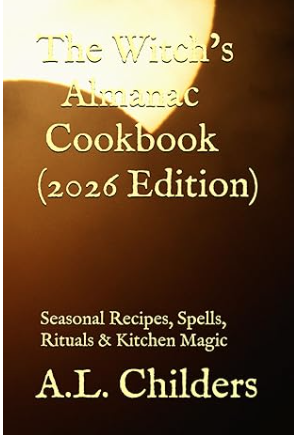
When Kitchens Remember: A Journey Into The Witch’s Almanac Cookbook (2026 Edition)

There are mornings when the world wakes slowly — as if rising from an old dream — and the kitchen becomes the first place where magic stretches its limbs.

Steam curls upward from a copper kettle, soft as breath on a cold window. Rosemary cracks beneath a mortar’s stone weight, releasing a scent that is green, sharp, and ancient enough to stir memories you didn’t know belonged to you. Candlelight trembles along the counter, dancing across jars filled with herbs, stories, and quiet rebellions.

It’s in moments like these that you realize:

Every meal is a spell.
Every person who cooks with love is a witch reborn.

And that understanding is the heartbeat of
The Witch’s Almanac Cookbook (2026 Edition): Seasonal Recipes, Spells, Rituals & Kitchen Magic.

Not just a cookbook.
Not just a guide.
A companion — for the parts of you that still believe food can heal, soften, protect, and transform.


Where Scent Becomes Memory & Meals Become Meaning

Imagine a room warmed by the slow rise of bread dough. The soft thud of kneading. The faint hum of a simmering pot. Outside the window, branches sway like old women nodding in approval. Inside, the air carries cinnamon, clove, and whispered intention.

The seasons live in these pages.

🌱 Spring tastes like mint crushed under rain-soaked fingers.
🔥 Summer arrives as peaches that drip sunlight.
🍂 Autumn crackles with apple, sage, and ancestral breath.
❄️ Winter is cloves, courage, and quiet spells performed over steaming mugs.

This book invites you to cook with your senses —
not only flavor and aroma, but memory, intuition, and spirit.


What Makes This Cookbook Different

Most cookbooks teach you how to feed your body.
This one teaches you how to nourish your soul.

Here you’ll find:

  • Seasonal recipes layered with intention
  • Rituals woven into everyday actions
  • Herbal magic rooted in generations of women before us
  • Reflection pages that open your inner world
  • Lunar and elemental cooking guidance
  • A return to slow, sacred living

It honors the women who stirred before they were told they could cook.
The healers who whispered to herbs before the world believed in them.
The grandmothers who measured with their hearts.
And the daughters now discovering that every simmer, every scent, is a prayer.


A Taste of the Dedication

To those who were once burned for their knowing,
and now rise — spoon in hand, barefoot, unafraid —
turning kitchens back into temples.

There is history here.
And healing.
And remembrance.

If ever your spirit hungers for something warm, ancient, and alive — step into your kitchen, open these pages, and let the old magic rise again.

The Witch’s Almanac Cookbook (2026 Edition): Seasonal Recipes, Spells, Rituals & Kitchen Magic


About the Author — A.L. Childers

A.L. Childers blends journalism, ancestral wisdom, and a lifelong devotion to healing through food. Her writing is rooted in lived experience — Southern kitchens, herbal lore, the resilience of women, and the sacred bond between nourishment and spirit.

Her work invites readers to slow down, reconnect, and rediscover the magic woven into ordinary life. She currently lives in Charlotte, NC, where her kitchen is both laboratory and sanctuary.


Disclaimer

This book and blog are for spiritual, educational, and entertainment purposes only. Herbal practices, rituals, and recipes should be used mindfully and responsibly. Always consider personal health needs, allergies, and consult professionals where appropriate.


Enter the world of The Witch’s Almanac Cookbook (2026 Edition) by A.L. Childers — a sensory, magical journey through seasonal recipes, rituals, herbs, and kitchen witchcraft. A soulful, enchanting cookbook for witches and healers.


Hashtags


When the Kitchen Becomes a Temple: A Walk Into The Witch’s Almanac Cookbook (2026 Edition)

It was on a frost-kissed October morning — the sort that nips at the fingertips and paints windowpanes with feathery ghosts — when I first understood that a kitchen could be holy ground.

A copper kettle hummed its low, contented song on the stove. Rosemary crackled beneath the blade of a weathered mortar, releasing a scent so green and sharp it cut straight through the gloom of the early dawn. The wooden floorboards creaked as though remembering other feet… older ones… women who stirred pots long before their names were ever written.

And in that hush — that slow curl of steam rising like incense — the truth revealed itself:

Every meal is a spell.
Every soul that stirs with love is a witch reborn.

It is from this truth that The Witch’s Almanac Cookbook (2026 Edition): Seasonal Recipes, Spells, Rituals & Kitchen Magic was born.

Not as a mere collection of dishes…
Not as a novelty for the curious…
But as a companion for those who feel the pulse of something ancient when they cook.


A Scene of Scent & Spellcraft

The book opens the way a winter hearth does — slow, glowing, and alive.

Imagine standing in a room where the walls smell of cinnamon and aged pine. Outside, the wind rattles the shutters, as if impatient to be let in on the secret. Inside, candlelight bends across the pages of a handwritten recipe — a stew meant not only to warm the bones but soften the heart.

Here, in these pages, the seasons breathe.
Spring tastes like rain on mint leaves.
Summer hums with peaches warmed by the sun.
Autumn rustles with sage, apple, and the whisper of ancestors.
Winter tastes of cloves, courage, and quiet miracles.

Every chapter deepens the senses — the hiss of onions in butter, the velvet slide of honey on the tongue, the wool-soft glow of a kitchen lantern at dusk.

Dickens knew how to summon the world with smell, sound, and shadow.
This book does the same — but with herbs, broth, and ritual.


Why This Cookbook Stands Apart

While most cookbooks instruct, this one reminds.

Reminds you of the women who measured with their hearts.
Reminds you of the healers who whispered to their herbs.
Reminds you that kitchens were once temples… and can be again.

Inside these pages, you’ll find:

  • Seasonal recipes infused with intention
  • Herbal magic for protection, healing, and abundance
  • Reflection prompts to align your spirit with the wheel of the year
  • Blessings, rituals, and lunar guidance
  • A return to cooking slowly, purposefully, reverently

It is a book for those who feel the world tightening — and want a place where time stretches again.

A book for witches.
For grandmothers.
For daughters who simmer with new magic.
And for anyone who senses that food, when made with love, is a form of prayer.


Excerpt That Sings Like An Heirloom

“To the women who stirred before they were ever told they could cook.
To the healers who whispered to their herbs when no one believed in their magic.
…turning kitchens back into temples.”

The dedication alone feels like stepping into a memory not entirely your own.

And so, dear reader, should you ever feel lost in the noise of the world, open these pages, light a candle, and let the scent of rosemary rise. For in the quiet alchemy of the kitchen, you may yet find — as many have — that the oldest magic is the one made with your own two hands.

The Witch’s Almanac Cookbook (2026 Edition): Seasonal Recipes, Spells, Rituals & Kitchen Magic


About the Author — A.L. Childers

A.L. Childers is a journalist, healer, and author whose work blends folklore, history, food, and the forgotten wisdom of women. Born and raised in the South and shaped by herbal lineage and lived experience, she writes with the soul of a storyteller and the precision of a researcher. Her books reflect one truth: healing begins in the home, and magic begins in the kitchen.

She currently lives in Charlotte, NC, where she continues to blend cooking, healing arts, and storytelling into works that nourish the mind, body, and spirit.


Disclaimer

This book and blog are for educational, spiritual, and entertainment purposes. It does not replace medical care, dietary guidance, or professional treatment. Recipes, rituals, and herbal practices should be used with awareness, intuition, and personal responsibility. Use herbs wisely — and always respect your own health needs.


Step inside The Witch’s Almanac Cookbook (2026 Edition) by A.L. Childers — a Dickens-style journey through seasonal recipes, kitchen magic, herbal rituals, and soulful cooking. Discover why this cookbook is a spell, a sanctuary, and a return to sacred living.


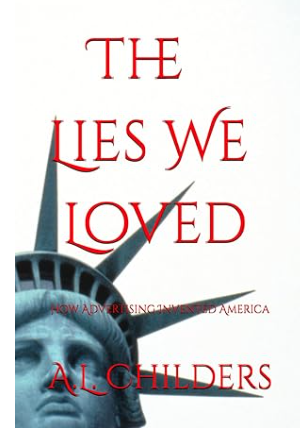
The Lies We Loved: How Advertising Invented America — Why This Book Will Change How You See Everything


A.L. Childers exposes how advertising shaped American identity, culture, and beliefs in her groundbreaking book The Lies We Loved: How Advertising Invented America. Discover the hidden machinery behind “normalcy,” patriotism, gender roles, and consumerism in this powerful autopsy of the American mind.

The Lies We Loved: How Advertising Invented America


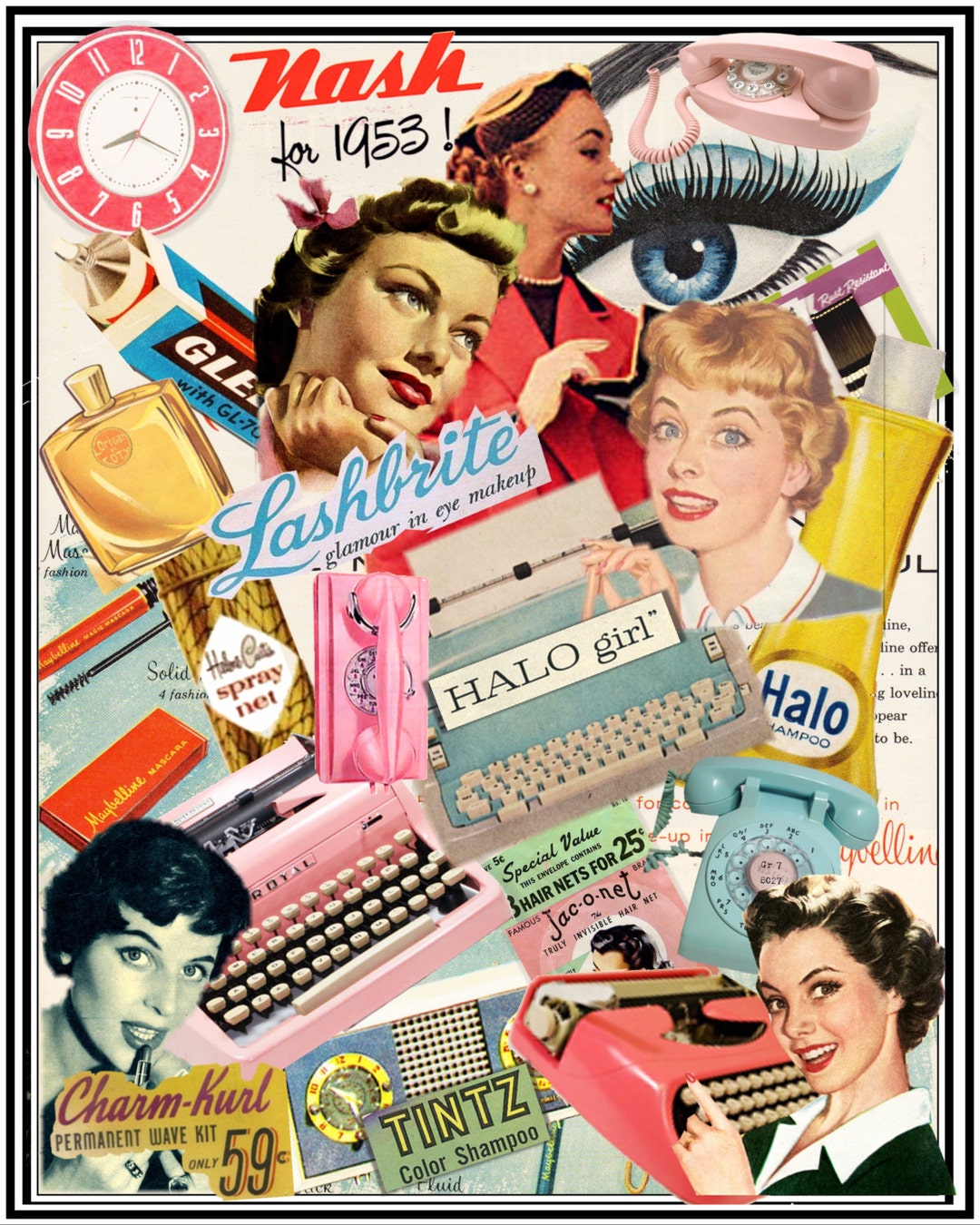
https://i.etsystatic.com/6228625/r/il/059225/727465690/il_1080xN.727465690_phom.jpg
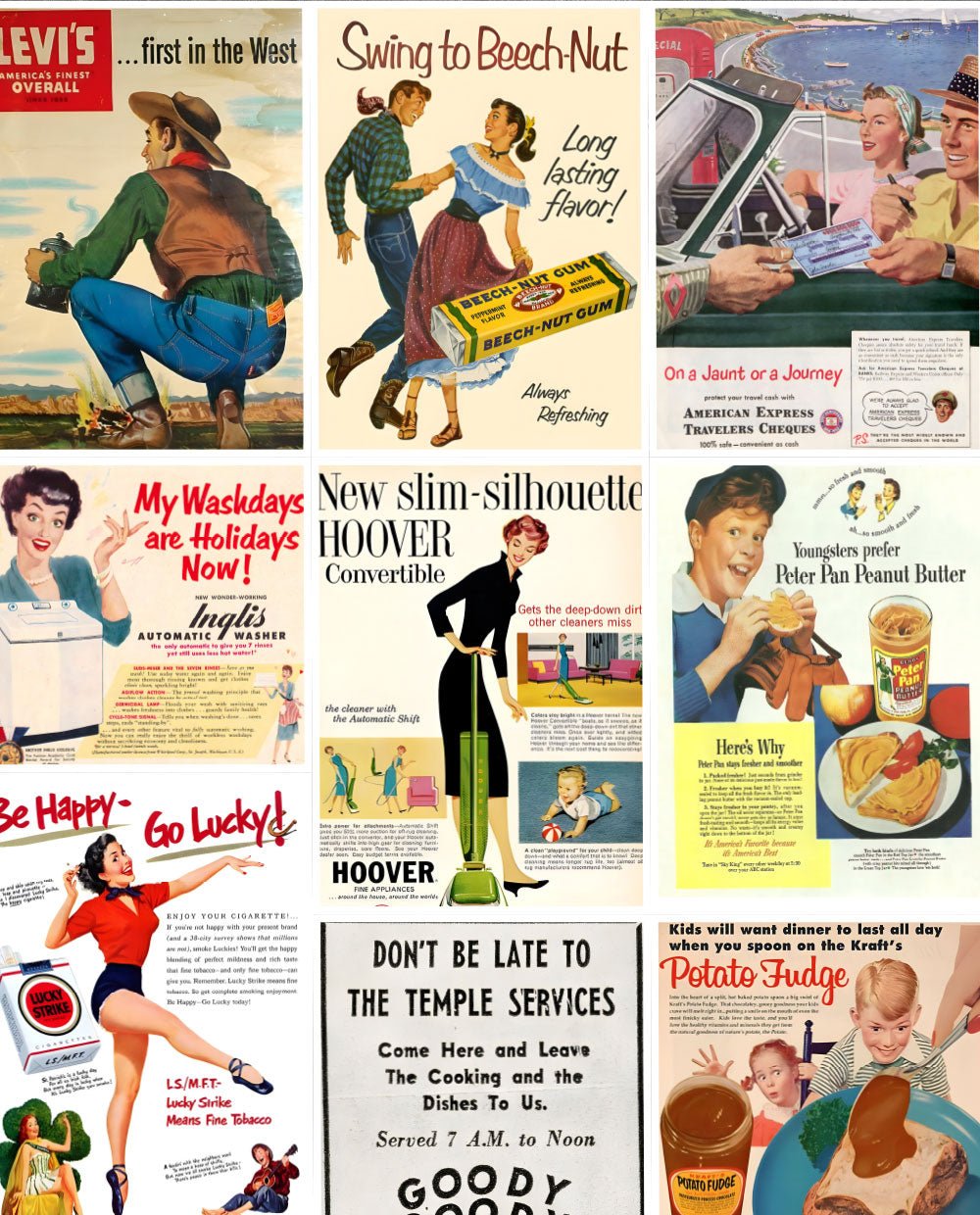
https://kudumagnets.com/cdn/shop/files/retro-ads-des.jpg?v=1747947085

The Autopsy of the American Mind Has Arrived

What if everything you were taught to love—the perfect family, the perfect body, the perfect home, the perfect life—was never real at all?

What if normal was manufactured?

What if choice was scripted?

What if your deepest beliefs were placed there… on purpose?

Welcome to The Lies We Loved: How Advertising Invented America, the book by A.L. Childers — the author who refuses to look away.

This is not another conspiracy diary.
It’s not a rant.
It’s not fear-mongering.

This is a documented autopsy of the American mind, revealing how the advertising industry engineered the version of America we were taught to desire, defend, and even die for.

And once you see it, you can never unsee it.


How America Became a Product — And We Became the Consumers

From the smoky boardrooms of the 1950s to the hyper-targeted algorithms of today, The Lies We Loved traces exactly how:

  • corporations manufactured patriotism
  • “family values” were turned into a brand
  • gender roles were created to sell products
  • childhood innocence became a marketing tool
  • beauty standards were engineered for profit
  • safety was framed to shape compliance
  • success was packaged as consumerism
  • rebellion itself was SOLD BACK to us

A.L. Childers blends historical receipts, leaked memos, documented campaigns, and narrative storytelling to expose the machinery behind American life.

This book answers questions you’ve felt in your gut for years but never had proof for.

Because the proof was always there.
It was just printed on a billboard, wrapped in a commercial, or whispered through a jingle.


Why Readers Are Calling It “A Wake-Up Call We Should’ve Had 30 Years Ago”

The Lies We Loved isn’t written to scare you.
It’s written to free you.

Childers guides you through:

  • the myths we inherited
  • the beliefs we absorbed
  • the fears we were sold
  • the identities we were marketed
  • and the price we paid without ever knowing it

And she does it with warmth, compassion, and a storyteller’s touch — because none of us are immune.
We were all raised inside this machine.

This book hands you the blueprint for stepping outside it.


Why A.L. Childers Wrote This Book

In her own words:

“I wanted to understand why America feels like a script we didn’t write. So I started tugging at one thread… and the whole tapestry came undone. This book isn’t about blaming people. It’s about freeing them.”

This is the kind of book professors will assign in classrooms, creators will reference in documentaries, and readers will talk about for years.

Because once the curtain is lifted, America looks very different.


Who Should Read This Book?

✔ Anyone who has ever questioned why things are the way they are
✔ Anyone who senses something “off” in modern culture
✔ Anyone raising children in a manufactured world
✔ Anyone interested in history, psychology, media, politics, or power
✔ Anyone ready to reclaim their mind from the machine

If you’ve ever looked around and said, “None of this feels real,” this book proves you were right.


About the Author — A.L. Childers

A.L. Childers is a multi-genre author known for blending historical research, cultural analysis, and human emotion into work that is fearless, compelling, and impossible to put down. She writes with heart, humor, and a refusal to accept “the official story” without digging deeper.

Her mission is to wake people gently but truthfully, offering clarity in a world designed to confuse.
Childers lives in Charlotte, NC, where she writes, researches, and continues pulling at the threads no one else wants to touch.


Disclaimer

This book is based on documented historical sources, corporate archives, advertising case studies, psychological research, and public records. It is not intended as legal, medical, or financial advice. It is a work of investigative storytelling designed to educate, enlighten, and empower readers.
No corporations were harmed in the making of this book — though several may feel exposed.


Ready to Read the Book They Never Wanted You to Notice?

The Lies We Loved: How Advertising Invented America is not just a book.
It’s an awakening.

Because the truth isn’t hidden — it’s advertised.


SEO Keywords

  • American advertising history
  • how advertising shaped America
  • corporate manipulation in America
  • psychology of advertising
  • consumer culture America
  • A.L. Childers books
  • media influence on society
  • engineered beliefs
  • propaganda in American culture
  • history of marketing in America

#TheLiesWeLoved
#ALChilders
#AmericanHistoryBooks
#AdvertisingExposed
#ConsumerCulture
#PsychologyOfAdvertising
#MediaManipulation
#AwakeningBooks
#TruthSeekers
#AuthorLife
#BookLaunch2025

The Woman Who Refused to Break: Why Reinvention Is My Love Language

By A.L. Childers — Author. Survivor. Southern storyteller. Walking plot twist.


Author Disclaimer

This blog contains truth, comedy, spiritual awakening, a few emotional bruises, Southern storytelling, and a sprinkle of “I can’t believe she said that.”
Everything written here is honest, lived, experienced, survived, and turned into art — because that’s the only way I know how to live.


The Woman Who Refused to Break

There are two kinds of people in this world:

  1. Those who crumble under pressure
  2. And those who turn pressure into chapters, books, blogs, empires, and a whole Amazon author page

I am proudly the second.

Not because my life has been easy.
Not because I’ve been lucky.
Not because the universe left me alone.

But because somehow — every time life threw a brick —
I built something with it.

Sometimes I built a book.
Sometimes a new career.
Sometimes a new identity.
Sometimes a new version of myself I didn’t even know I needed.

Reinvention didn’t just save me…
it became my love language.


Why Reinvention Matters (Especially When Life Gets Messy)

If there’s one thing I know how to do, it’s start over.

I’ve reinvented myself:

  • after childhood chaos
  • after health struggles
  • after motherhood
  • after marriage stress
  • after financial setbacks
  • after betrayal
  • after working jobs that drained my soul dry

And yet…

I always came back swinging — with a pen in my hand and a story in my chest.

I didn’t just survive.
I turned survival into content.
I turned pain into purpose.
I turned my voice into a brand.

And baby, it WORKED.


Why People Connect With My Writing

Because I write the truth — the part people feel but don’t say.

I write about:

  • the exhaustion of being human
  • the chaos of motherhood
  • the spiritual battles no one prepares you for
  • the Southern culture we laugh about but secretly adore
  • the lies America sells us
  • the trauma we carry
  • the mountains we climb
  • and the healing we earn

No fake positivity.
No sugar-coating.
No pretending.

Just real life, written beautifully and boldly.

Readers feel that.
Editors feel that.
Hiring teams feel that.

That’s why my writing sticks.


The Secret: Start Where It Hurts. Build Where It Matters.

Here’s the truth people don’t want to admit:

Your best work comes from the moments you didn’t think you’d make it.

My most powerful writing came from:

  • heartbreak
  • exhaustion
  • trauma
  • reinvention
  • determination
  • and clarity
  • and the moments I said, “ENOUGH. I’m not living like this anymore.”

Every version of me became a new chapter.
Every fall turned into a plot twist.
Every “What now?” became a book.

Reinvention is not weakness.
It’s evolution.
It’s survival.
It’s power.


Why This Blog Helps Me (And You)

Because people want to hire writers who:

  • FEEL
  • KNOW
  • HAVE LIVED A LIFE
  • AND CAN PUT THE TRUTH INTO WORDS

You aren’t hiring a writer with a keyboard.
You’re hiring a woman with a past, a purpose, and a pen sharp enough to cut through the noise.

This blog shows exactly that.


About the Author

A.L. Childers is a bestselling multi-genre author with over 200 titles across self-help, Southern culture, supernatural fiction, health advocacy, and social commentary.
Her book The Lies We Loved: How Advertising Invented America continues to reach readers around the world who crave honesty, clarity, and freedom from illusion.

With a signature blend of humor, grit, and heart, she writes stories that make people feel seen — and reminds them it’s never too late to reinvent your life.

She is available for freelance writing, ghostwriting, creative development, and projects needing a strong, unforgettable voice.


A powerful, funny, and deeply authentic blog from bestselling author A.L. Childers about reinvention, resilience, and surviving life’s plot twists. Perfect for readers seeking motivation, truth, humor, and a writer who knows how to turn adversity into art.


The Stories That Built Us: How One Irish Immigrant Helped Shape a Carolina Community

By A.L. Childers


A Southern heritage blog exploring how the journey of Irish immigrant James Dawkins helped shape a Carolina family, local traditions, and the cultural fabric of the South. A warm, nostalgic reflection by author A.L. Childers.


Some stories don’t just belong to a family — they belong to a place.

In the Carolinas, we grow up surrounded by stories.

Stories told on porches at dusk.
Stories whispered in kitchens heavy with the smell of cornbread and collards.
Stories tucked inside family Bibles, handwritten recipes, and the memories of elders who remember “the way things used to be.”

But every now and then, you uncover a story that feels bigger —
older —
heavier —
woven into the very soil beneath your feet.

That was the story of my great-great-great-grandfather, James Dawkins.

And the more I learned about him, the more I realized something simple and profound:

His journey didn’t just shape our family.
It shaped the Carolina community we call home.


The Carolinas Don’t Just Keep History — They Carry It

Here in the South, we have a way of holding onto things.

We keep:

  • recipes in the family
  • memories in the kitchen
  • stories in the air
  • pain in our bones
  • strength in our traditions

And when I discovered James’s lost journal, tucked away in an old house scheduled for demolition, it felt like the ancestors were saying:

“Here.
This belonged to you before you were born.
Carry it.”

It didn’t matter that he came from Ireland.
Or that he stepped off a coffin ship with nothing but a rosary and a dream.
Or that he arrived in America with the odds stacked against him.

He brought his history with him.
And when he reached the Carolinas, the land took it in —
and it became part of ours.


An Immigrant Story That Sounds a Lot Like a Southern One

When you strip away the borders, accents, and oceans, the Irish story looks a lot like the Southern one:

  • poverty
  • exploitation
  • landowners with too much power
  • families forced to survive on almost nothing
  • people relying on faith, food, and community to endure hardship
  • resilience that grows in the dark
  • pride born from struggle

James came from a land where the poor worked someone else’s fields.

Sound familiar?

He grew up in a place where community mattered more than possessions.

Sound familiar?

He survived on cabbage, pork scraps, beans, bread, and whatever else could stretch a meal.

Sound familiar?

By the time he made it to the Carolinas, he carried a culture that fit right into the South like it had been here all along.

He belonged here before he ever arrived.


The Community He Helped Shape

Like so many immigrants, James didn’t end up rich.

He didn’t leave behind mansions, big bank accounts, or political power.

What he left instead was much more Southern than that.

He left:

  • a reputation for hard work
  • a family line rooted in resilience
  • traditions passed down through food
  • stories whispered and half-remembered
  • faith that held people together
  • a legacy built from sacrifice

Those things matter here.

They’re how communities are formed.

And looking back, I can see his fingerprints all over the family that raised me:

In the recipes.
In the superstitions.
In the grit.
In the stubbornness.
In the warmth.
In the rituals that show up every New Year’s Day like clockwork.
In the fierce loyalty Southern families are known for.

His legacy didn’t stay in Ireland.
It didn’t stay in the attic.
It lives in every Dawkins descendant still walking Carolina soil.


What It Means to Belong to a Place

People sometimes ask me:

“How can someone who immigrated here centuries ago be part of Carolina culture?”

Because belonging doesn’t start with where you’re from.

It starts with:

  • What you survive
  • What you pass down
  • What you build
  • who you raise
  • how you live
  • What you sacrifice

James worked the land with the same reverence my grandmother cooked in her kitchen.
The same reverence Southern men have when tending a garden or smoking a hog.
The same reverence Carolina women put into every meal that feeds a family after a funeral, a birth, a hard day, or a celebration.

He lived Southern tradition before it was called Southern tradition.

Because tradition isn’t invented.
It’s remembered.

And survival is the biggest tradition of all.


Why I Wrote This Story for the Community, Not Just the Family

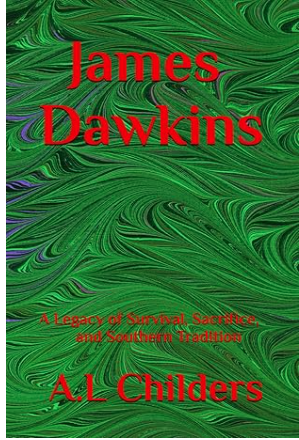
When I published James Dawkins: A Legacy of Survival, Sacrifice, and Southern Tradition, I wasn’t just honoring my ancestor.

I was honoring:

  • Every immigrant who reshaped a Southern town
  • Every family that built a legacy from hardship
  • Every community is tied together by stories and supper tables
  • Every person whose ancestors were forgotten by textbooks but remembered by descendants

His story belongs to history.
But it also belongs to the people.

To anyone who has ever:

  • wondered where they come from
  • felt the pull of ancestry
  • carried traditions without knowing their origin
  • felt the past in their bones

This story is for you.

Because community isn’t made by governments.

It’s made by families, by food, by grit, by the people who crossed oceans and mountains so their descendants could stand where we stand now.


About the Author — A.L. Childers

A.L. Childers is the sixth-generation great-great-great-granddaughter of James Dawkins and author of James Dawkins: A Legacy of Survival, Sacrifice, and Southern Tradition. She writes Southern heritage, folklore, ancestry, and personal narratives that explore how history lives inside us.

Find her books on Amazon under A.L. Childers
Blog: TheHypothyroidismChick.com

A.L. Childers is a bestselling multi-genre author known for blending history, storytelling, cultural commentary, and Southern heritage into unforgettable works. She has written over 200 books across historical nonfiction, health, folklore, conspiracy, women’s empowerment, and metaphysical genres.

Her writing is marked by truth, depth, humor, and courage—traits she now knows she inherited from her Irish ancestor, James Dawkins.

Find her books on Amazon under A.L. Childers.
Visit her blog: TheHypothyroidismChick.com

James Dawkins: A Legacy of Survival, Sacrifice, and Southern Tradition


Carolina cultural heritage, Southern family history blog, James Dawkins ancestor story, Irish roots in Carolina, Dawkins family tradition, Southern community storytelling, immigrant legacy South


#SouthernHeritage #CarolinaCulture #JamesDawkins #FamilyLegacy #IrishRoots #SouthernCommunity #Traditions #ALChilders


#ThisIsTheSouth
#FamilyRoots
#SouthernStories
#LegacyLives
#IrishAmericanHistory
#CommunityHeart

The Dominoes of Media: What “Killed” What (1900s → 2025)

Every new medium was accused of “killing” the one before it. In reality, new tech mostly reshapes the old: radio pivoted to talk & commuting; TV pivoted to live sports/reality; records became streams. Here’s the real timeline.

Timeline (with receipts)

  • 1920s–40s: Radio = first electronic mass medium. It dominates culture until TV arrives, then shifts to news, music, and talk. Encyclopedia Britannica+1
  • Late 1940s–50s: Television booms. Many radio shows (Dragnet, Gunsmoke, Burns & Allen) jump to TV. Did TV “kill” radio? Not quite—radio reinvented itself. Encyclopedia Britannica
  • Aug 1, 1981: MTV launches; first video is “Video Killed the Radio Star.” Iconic symbolism, but radio lives on. Wikipedia+2Wikipedia+2
  • 1999–2001: Napster upends music distribution. Lawsuits end the original service, but file-sharing changes listener expectations forever. Encyclopedia Britannica+2Wikipedia+2
  • 2005–06: YouTube launches; Google buys it. Online video becomes mainstream. Encyclopedia Britannica+1
  • 2007: Netflix adds streaming (“Watch Now”). Appointment TV meets on-demand culture. Encyclopedia Britannica
  • 2007: iPhone unveiled. Media moves into our pockets; mobile becomes the default screen. Apple+1
  • 2004–05 → 2010s: Podcasts go from hobby to industry. Term popularized in 2004; Apple adds support in 2005; the medium explodes. Wikipedia+2Wikipedia+2
  • 2008: Spotify launches (streaming on demand). The album → playlist shift resets how music is monetized and discovered. Spotify+1
  • 2016–18: TikTok (Douyin) + Musical.ly merger → global short-video boom. Attention fragments into vertical, algorithmic clips. Encyclopedia Britannica+2Encyclopedia Britannica+2
  • 2020s–2025: Live + on-demand everywhere. Livestreaming, Twitch, and short-form video coexist with podcasts & music streaming. Old media adapts rather than dies. Encyclopedia Britannica+1

So… what “killed” what?

  • Video didn’t kill radio. TV and then MTV forced radio to specialize (music rotations, drive-time talk, sports). Encyclopedia Britannica
  • Streaming didn’t kill TV. It killed scheduling. TV leans into sports, live events, franchises; everything else time-shifts. Encyclopedia Britannica
  • TikTok didn’t kill YouTube. It carved out ultra-short discovery; YouTube holds long-form + search. Encyclopedia Britannica+1
  • Podcasts didn’t kill radio. They made radio portable & on-demand. Many shows now live in both places. Wikipedia

Why the song still matters

When MTV opened with “Video Killed the Radio Star,” it declared a new era where image + sound would drive music success. The lyric was a provocation; the business reality was coexistence and adaptation. WIRED+1


Resources & further reading


Disclaimer

This post blends historical reporting with media analysis. Links above point to primary or reputable secondary sources. Platform user counts, features, and policies evolve—verify current numbers before republishing.


About the Author

Audrey Childers writes fast, funny, and deeply researched pieces on culture, tech, and the “hidden wiring” of media. She also creates witchy cookbooks and seasonal magic guides that make everyday life feel a little more enchanted.


The Other Christianity

Chapter 1. The Claim and the Cost

A source-driven investigation of Cathar Christianity, the Interrogatio Johannis (“Secret Supper”), suppression and crusade, canon politics, and contested memories—told alongside primary texts and modern scholarship.

History is never neutral. It is written by the victors — those with the most to gain when their version becomes the only one that survives. The Catholic Church that emerged from Constantine’s empire claimed it alone carried Jesus’s authority, that salvation passed only through its sacraments, and that obedience to its hierarchy was obedience to God himself.

But another Christianity existed — one so threatening that Rome waged a crusade to erase it, and an inquisition to ensure it never rose again.

The Cathars believed that Jesus was not sent to build an institution. He was sent as an awakener — to expose the greatest deception of all time: that the god worshipped in temples and enthroned in cathedrals was not the God of Light, but the prince of darkness in disguise.

This was their claim. And the cost of believing it was everything.

Jesus as Awakener, Not Institution-Builder

For the Cathars, Jesus was not a lawgiver, priest, or king. He was the messenger of the true God of Light, revealing that the world itself was counterfeit. He did not come to establish sacraments or bless kingdoms — he came to awaken the divine spark within each soul.

They pointed to verses already in the Bible as evidence that this truth had always been hiding in plain sight:

  • “The god of this world has blinded the minds of the unbelievers.” — 2 Corinthians 4:4
  • “You belong to your father, the devil, and you want to carry out your father’s desires.” — John 8:44
  • “Again, the devil took him to a very high mountain and showed him all the kingdoms of the world… ‘All this I will give you,’ he said, ‘if you bow down and worship me.’” — Matthew 4:8–9

Why would Satan offer Jesus the kingdoms of the world unless they were already his to give? Why would Paul call Satan “the god of this world” unless he truly ruled it?

The Cathars read these verses as confirmation that the God preached from pulpits was not the true Creator, but the Adversary masquerading as one.

The World as Prison

To the Cathars, the material world was not a gift but a prison. Birth was a trap, flesh a cage. The cycle of suffering kept souls enslaved to the false god.

This was not an isolated idea — it echoed Gnostic traditions and dualist movements like Manichaeism — but in medieval Europe, it carried radical consequences.

  • If matter was corrupt, then sacraments of water, bread, and wine were powerless.
  • If the God of the church was the “god of this world,” then its cathedrals and wealth were evidence of corruption, not holiness.
  • If salvation was awakening, then no pope, priest, or king could claim to control it.

For the Cathars, Jesus’s mission was to free souls from the counterfeit world, not to sanctify it.

Who Had What to Gain — and What to Lose

This theology was not just heretical; it was destabilizing.

Who had what to gain?

  • The papacy gained wealth, land, and legitimacy by claiming exclusive control of salvation.
  • Monarchs allied with Rome gained divine sanction for their rule.
  • The institutional church gained obedience, tithes, and fear as tools of control.

Who had what to lose?

  • If the Cathars were right, the church’s sacraments were meaningless, its authority fraudulent, its wealth corrupt.
  • Local nobles in Languedoc who tolerated or even protected Cathars saw the chance to resist Rome’s control.
  • Ordinary people, freed from tithes and ritual, could reclaim spiritual autonomy — and that terrified the powers of their age.

To Rome, Cathar belief was not simply an error in doctrine. It was a direct threat to the machinery of empire.

Suppression and the Machinery of Power

By the twelfth century, the Catholic Church was the largest landowner in Europe and the most powerful institution in the West. In Languedoc, where Cathar communities flourished, Rome saw both theological and political danger.

Pope Innocent III moved swiftly. In 1209, he declared the Albigensian Crusade — a holy war not against Muslims in the Holy Land but against Christians in southern France. Crusaders were promised the same indulgences and spiritual rewards as if they fought in Jerusalem.

The result was brutal. Armies swept through Béziers, Carcassonne, and beyond. Towns were torched, libraries destroyed, entire populations put to the sword. The papal legate’s infamous command at Béziers — “Kill them all; God will know his own” — summed up the campaign’s spirit.

Heretics were not persuaded; they were annihilated. Their scriptures, including the Interrogatio Johannis, were burned. Their voices silenced.

But fire is a clumsy censor. Ashes can hide embers. And in archives — in Carcassonne, Vienna, and scattered fragments — this forbidden gospel endured.

The Claim and Its Cost

The Cathars’ claim was stark: Jesus revealed the world as counterfeit, ruled by a false god, and offered awakening as the way of escape.

The cost was immense: tens of thousands dead, an entire culture exterminated, a Christianity of awakening reduced to whispers.

The church called it heresy. The inquisitors called it evidence. The Cathars called it truth.

And centuries later, we are left with the question they asked and died for:

Who, truly, have we been worshipping?

Why This Matters

This book does not ask you to blindly adopt the Cathar worldview. It asks you to question why their voices were erased.

  • Why did Rome unleash crusade and inquisition not against pagans but against fellow Christians?
  • Why did they fear so much a gospel that told people they already carried the spark of God within?
  • Who benefitted from silencing this “other Christianity,” and who paid the cost?

The Christianity we were handed is not the only one that ever existed. The fragments of the Forbidden Gospel of John remain, daring us to see past the empire’s story and ask whether Jesus came to confirm the god of this world — or to expose him.

Resources & References

  • Barber, Malcolm. The Cathars: Dualist Heretics in Languedoc in the High Middle Ages. Longman, 2000.
  • Wakefield, Walter L., and Austin P. Evans. Heresies of the High Middle Ages. Columbia University Press, 1991.
  • Peters, Edward. Inquisition. University of California Press, 1988.
  • O’Shea, Stephen. The Perfect Heresy: The Life and Death of the Cathars. Walker & Co., 2000.
  • Pagels, Elaine. The Gnostic Gospels. Vintage Books, 1989.

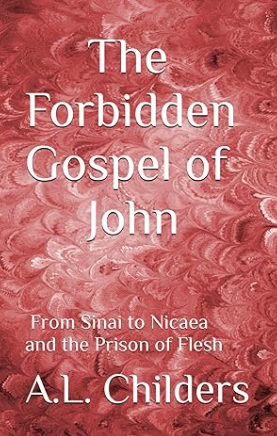
The Forbidden Gospel of John: From Sinai to Nicaea and the Prison of Flesh

 About the Author

A.L. Childers is a writer and researcher who refuses to stop at the surface of things. Her work digs into history, symbols, and the hidden stories that shape culture and politics today. By blending truth, curiosity, and raw honesty, she writes for the people who are tired of being told half-truths.


 Disclaimer

This blog is for educational and historical purposes only. It does not endorse or condemn any religion, culture, or nation. Its purpose is to examine the historical and symbolic use of the hexagram and to explore how symbols move between occult traditions and cultic institutions.

James Dawkins: A Legacy of Survival, Sacrifice, and Southern Tradition

James Dawkins: A Legacy of Survival, Sacrifice, and Southern Tradition

Step into a gripping story of resilience, survival, and Southern heritage with James Dawkins: A Legacy of Survival, Sacrifice, and Southern Tradition. This extraordinary work by A.L. Childers, the proud sixth-generation great-great-great-granddaughter of James Dawkins, takes you on an unforgettable journey through history, culture, and family legacy.

A Discovery That Changed Everything
This is not just a book—it’s the product of an extraordinary find. While researching my family’s history, I discovered James Dawkins’s journal tucked away in the attic of an abandoned home just before it was demolished for uninhabitable living conditions. Fragile and weathered, this journal became a portal to the past, revealing the life and struggles of a man whose courage and conviction shaped the destiny of our family.

Each faded page told the story of James Dawkins, an Irish immigrant who fled Ireland 10 years before the Great Hunger, embarking on a harrowing journey to America. His life unfolded through the journal’s entries: surviving the treacherous Atlantic voyage, toiling under brutal conditions, and ultimately fighting alongside the Saint Patrick’s Battalion in the U.S.-Mexican War. This wasn’t just a journal—it was a time capsule of resilience, sacrifice, and hope.

Why This Story Demands to Be Read—and Seen on the Big Screen
James Dawkins isn’t just a book; it’s a cinematic epic waiting to be told. Packed with vivid storytelling, emotional depth, and historical richness, it has all the elements of a blockbuster movie or series. Imagine the drama of his life, the raw courage of his choices, and the rich cultural backdrop of his journey—all brought to life on the silver screen.

What Makes This Book Unmissable?

  • Adventure Worthy of Hollywood: Battles, sacrifice, and the fight for freedom—this story is a historical drama for the ages.
  • Rich Southern Culture: Explore superstitions, traditions, and recipes that bring the Carolinas to life in vivid detail.
  • Universal Themes of Hope and Resilience: This is more than one man’s story—it’s a testament to the enduring power of the human spirit.

Join the Legacy
This book is a call to action. Don’t just read about history—be inspired by it. Learn how the past shapes our present and future, and let this unforgettable tale ignite your own journey of discovery. Whether you’re a history enthusiast, a fan of epic storytelling, or a producer searching for the next groundbreaking project, James Dawkins is a must-read.

Act Now
Don’t wait—this is the story the world needs to hear. Be among the first to experience the legacy of James Dawkins, a man whose courage and conviction changed the course of history. As his sixth-generation great-great-great-granddaughter, I invite you to join me in celebrating his incredible journey.

History deserves to be remembered. Stories deserve to be told. And heroes like James Dawkins deserve to be immortalized. Buy James Dawkins: A Legacy of Survival, Sacrifice, and Southern Tradition today, and be part of the legacy that inspires generations.

Perfect for readers, history buffs, adventure seekers, and Hollywood visionaries looking for the next great story to tell.

This isn’t just a book. It’s an experience. It’s a movement. It’s a legacy.

Get your copy today and be part of the story that will captivate the world.

Unlocking Carolina’s New Year’s Day: Superstitions, Traditions, and Delicious Recipes

The Southern New Year Celebration is a worldwide celebration for the beginning of the New Year. These festivals are among the oldest and the most universally observed. This book takes you on a journey of the Southern part of America, honoring North and South Carolina and sharing some of their rich history of southern superstition, tradition, and Delicious Recipes.

New Year’s Day in Carolina is a time-honored tradition that celebrates the start of a new year with family, friends, and good fortune. The day is filled with superstitions and rituals that have been passed down through generations, each believed to bring luck and prosperity in the coming year. From eating black-eyed peas and collard greens to watching the sunrise and lighting fireworks, there are countless ways to ring in the New Year in the Carolinas. Whether you’re a local or a visitor, these traditions are a must-try for anyone looking to experience the true spirit of the Carolinas. So, gather your loved ones, bring out your best recipes and enjoy a day full of joy, happiness, and good vibes!

A.L. Childers explores the rich history in southern superstition, tradition, and culture. Southerners have a strong sense of regional heritage, and this is why she believes southern food belongs to a region, not a race or ethnicity. They have not forgotten their ancestry but started creating new methods, with minimal equipment and scarce resources; using every portion of edible scraps in the home—nothing ever went to waste. Southern style food is not only about how they nurture people with every mouthful, but it tells a story of survival from each ingredient. Often passed down through the generations, the dishes detailed in this book are cherished and shared at family gatherings, holiday feasts, and community suppers throughout the seasons. My folks didn’t cook out of cookbooks much less write them- we just cooked. Southern cooking is from our soul.

Soul food is more than just a style of cooking, it tells a story of survival from each ingredient. The records of history mostly overlook the contributions made by these folks. Without property rights, the cooks lost ownership of the hybridized cuisine they created.

Disclaimer

The information and recipes in the blog are based on the author’s research and personal experiences. It’s for entertainment purpIt’s only. Every attempt has been made to provide accurate, up-to-date, and reliable information. No warranties of any kind are expressed or implied. Readers acknowledge that the author does not render legal, financial, medical, or professional advice. By reading this blog, the reader agrees that under no circumstance the author is not responsible for any direct or indirect loss incurred by using the information contained within this blog. Including but not limited to errors, omissions, or inaccuracies. This blog is not intended to replace what your healthcare provider has suggested.  The author is not responsible for any adverse effects or consequences from using any of the suggestions, preparations, or procedures discussed in this blog. All matters about your health should be supervised by a healthcare professional. I am not a doctor or a medical professional. This blog is designed as an educational and entertainment tool only. Please always check with your health practitioner before taking any vitamins, supplements, or herbs, as they may have side effects, especially when combined with medications, alcohol, or other vitamins or supplements.  Knowledge is power, educate yourself and find the answer to your healthcare needs. Wisdom is a beautiful thing to seek.  I hope this blog will teach and encourage you to take leaps in your life to educate yourself for a happier & healthier life. You have to take ownership of your health.

The views and services offered by Thehypothyroidismismchick.com are not intended to be a substitute for professional medical assistance but as an alternative for those seeking solutions for better health. We do not claim to diagnose, treat, prevent, or cure any disease but simply help you make physical and mental changes in your own body to help your body heal itself. Remember that results may vary, and if you are pregnant, nursing, taking medications, or have a severe condition, you should consult a physician or other appropriate medical professional before using any products or information on this site. Thehypothyroidisimchick.com assumes no responsibility for the use or misuse of this material. Your use of this website indicates your agreement to these terms. Our full disclosure, terms of use, and privacy policy.

The information on this site is not intended or implied to be a substitute for professional medical advice, diagnosis, or treatment. All content, including text, graphics, images, and information on or available through this website, is for general information purposes only. Opinions expressed here are the opinions of the writer. Never disregard professional medical advice or delay seeking medical treatment because of something you have read or accessed through this website.

This site is designed for educational purposes only and is not engaged in rendering medical advice, legal advice, or professional services. If you feel that you have a medical problem, you should seek the advice of your physician or health care practitioner. For additional information, please see Our full disclosure, terms of use, and privacy policy.

Our full disclosure, terms of use, and privacy policy. | thehypothyroidismchick

This piece was inspired by timeless wisdom and the understanding that true success lies not in the small battles, but in the pursuit of one’s purpose. –A.L. Childers