Tag Archives: insurance

“Did you know your old employer could profit from your death years after you leave? Learn the truth about Key Employee Life Insurance — also called ‘dead peasant insurance’ — and how corporations like Walmart and major banks have made billions from employee death benefits. Discover the hidden policies, real-world examples, and why this practice sparks outrage.”

Did You Know Your Old Employer Could Profit from Your Death Years After You Leave?

Most people assume life insurance exists to protect their families. But what if your employer—not your loved ones—was the one who benefitted when you die, even years after you’ve moved on to another job? Welcome to the unsettling world of Key Employee Life Insurance, often called “dead peasant insurance.”


What Is Key Employee Life Insurance?

Key Employee Life Insurance (or Corporate-Owned Life Insurance, COLI) is a policy that a company purchases on employees it considers valuable. The company pays the premiums, owns the policy, and is the sole beneficiary.

Here’s the twist: if you leave that company, the policy can remain in force unless the employer chooses to cancel it. That means your former company could one day profit from your death—even if you’re working elsewhere, living your life, and contributing nothing to their bottom line anymore.


Why Do Companies Do This?

  1. Financial Protection – They claim it cushions losses if a key employee dies unexpectedly.
  2. Tax Benefits – Death benefits are typically tax-free, making COLI a financial strategy.
  3. Corporate Assets – Companies can use policies as collateral or borrow against them.

But critics argue that this transforms human lives into financial instruments, raising ethical red flags.


Real-World Examples: Companies That Profited

  • Walmart: In the 1990s and early 2000s, Walmart bought life insurance policies on thousands of low-level employees—cashiers, clerks, and stockers—without their knowledge. Families received nothing, while Walmart reaped millions in death payouts. Lawsuits brought national attention to the issue.
  • Big Banks: JPMorgan Chase, Bank of America, and Wells Fargo collectively hold over $100 billion in COLI policies. These banks treat policies as investment assets, benefiting when former employees pass away.
  • Dow Chemical & Procter & Gamble: Both were exposed in the 1990s for maintaining massive COLI portfolios, profiting from employees long gone from the company.

The Human Side of “Dead Peasant Insurance”

Imagine leaving a job after ten years, building a new career elsewhere, and unexpectedly passing away. While your family struggles with loss, your former employer cashes a multi-million-dollar check. They might not have paid you in years, but your death still enriches them.

That’s why critics call it “dead peasant insurance”—a stark reminder of how corporations can value employees more as numbers than as people.


Why This Sparks Outrage

  • Lack of Transparency: Many employees never know policies exist.
  • Ethical Questions: Should a company profit from someone who no longer works there?
  • Family Impact: Families often receive nothing, even though they bear the real loss.

While legal in many states, these practices leave a bitter taste for those who believe life insurance should protect loved ones, not pad corporate profits.


References

  • Crenshaw, Albert B. “How Corporations Profit When Employees Die.” Washington Post, 2002.
  • U.S. Government Accountability Office (GAO): Reports on Corporate-Owned Life Insurance.
  • Wall Street Journal coverage of Walmart lawsuits on employee life insurance.
  • National Association of Insurance Commissioners (NAIC) on COLI practices.

About the Author

A.L. Childers is an author and researcher uncovering the hidden truths behind corporate practices, government policies, and societal systems. With a commitment to shining light on what’s kept in the dark, Childers writes to inform, challenge, and empower readers.


Disclaimer

This blog is for educational and informational purposes only. It does not provide financial, legal, or insurance advice. Readers should consult licensed professionals before making any decisions regarding life insurance or corporate practices.

Dead or Alive: How Companies Profit from Key Employee Life Insurance Policies

When you accept a new position at a company, the last thing on your mind is what happens if you die. Yet, for many corporations, your death could be worth more to them than your life. Enter Key Employee Life Insurance (often called “dead peasant insurance”).

This type of policy allows a company to purchase life insurance on its employees—especially executives or those deemed “key” to operations. The company owns the policy, pays the premiums, and is the beneficiary. The kicker? Even if you leave for another job years later, unless the policy is canceled, the old company may still cash in when you pass away.


How Long Can They Keep It?

If a company takes out a Key Employee Life Insurance policy on you, they may legally continue to own and benefit from it long after you’ve left the job, unless they choose to surrender or transfer it. This means if you move to Company Y and tragically pass away, Company X still collects the payout, not your family, your estate, or your new employer.

This arrangement is perfectly legal in many states under corporate-owned life insurance (COLI) laws, though it has sparked controversy for decades.


Real-World Examples of Profiting from Employee Death

  • Walmart (1990s–2000s): Walmart notoriously purchased life insurance policies on thousands of rank-and-file employees without their knowledge. The company reaped millions in death benefits, while grieving families received nothing. Lawsuits later revealed Walmart was just one of many large corporations engaging in the practice.
  • Banks and Financial Institutions: JPMorgan Chase, Wells Fargo, and Bank of America collectively held billions in corporate-owned life insurance policies, often described as a “tax shelter with a death benefit.” Reports suggest major U.S. banks maintain upwards of $100 billion in COLI coverage.
  • Dow Chemical and Procter & Gamble: These companies were also revealed to have invested heavily in COLI, often benefiting from the deaths of employees who had long since moved on.

Why Do Companies Do This?

  1. Financial Cushion: The payout helps offset the loss of a key employee, covering recruitment, training, or profit loss.
  2. Tax Advantages: Death benefits are usually tax-free, making COLI a lucrative corporate asset.
  3. Investment Strategy: Some corporations use COLI as a long-term investment, borrowing against it for capital while waiting for the eventual payout.

The Ethical Debate

Critics argue this practice commodifies human life, reducing employees to mere financial instruments. Families often remain unaware that a past employer profits from their loved one’s death. Supporters, on the other hand, insist it’s a legitimate business practice to safeguard corporate stability.


References

  • Barmash, Isadore. “The Corporate Life Insurance Scandal.” The New York Times, 1990s.
  • Crenshaw, Albert B. “How Corporations Profit When Employees Die.” Washington Post, 2002.
  • U.S. Government Accountability Office (GAO): Reports on Corporate-Owned Life Insurance.
  • Wall Street Journal coverage on Walmart’s “dead peasant insurance” lawsuits.

About the Author

A.L. Childers is an author and researcher who explores the hidden truths behind corporate practices, government policies, and the forces that shape our lives. With a sharp eye for uncovering what others overlook, Childers writes to inform, inspire, and ignite change.


Disclaimer

This blog is for educational and informational purposes only. It is not intended as financial, legal, or insurance advice. Readers should consult qualified professionals before making any decisions regarding life insurance or corporate policies.

🔑 SEO Keywords

  • Dead peasant insurance
  • Key employee life insurance
  • Corporate-owned life insurance (COLI)
  • Companies profiting from employee death
  • Walmart employee life insurance scandal
  • Banks and COLI policies
  • Employee death benefits corporations
  • Corporate insurance tax loophole
  • How companies profit from employee deaths
  • Key person insurance controversy

📜 Meta Description

“Did you know your old employer could profit from your death years after you leave? Learn the truth about Key Employee Life Insurance — also called ‘dead peasant insurance’ — and how corporations like Walmart and major banks have made billions from employee death benefits. Discover the hidden policies, real-world examples, and why this practice sparks outrage.”

Can I Still Work and Get Medicare? What Every Woman Over 50 Needs to Know

By Audrey Childers
Founder of TheHypothyroidismChick.com | Licensed Medicare Agent | Author & Wellness Advocate


If you’re approaching 65 and still working, you might be asking: “Do I need to enroll in Medicare if I still have health insurance through my job?”

Short answer? Maybe.

Long answer? It depends on the size of your employer, your coverage type, and your future health needs. And if you’re a woman navigating thyroid issues, hormone shifts, or chronic illness—you really can’t afford to get this wrong.

Let’s make it simple.


📊 Do I Have to Enroll in Medicare at 65 If I’m Still Working?

If your employer has fewer than 20 employees, YES. Medicare becomes your primary insurance, and you must enroll in Part A and Part B to avoid penalties and coverage gaps.

If your employer has 20+ employees, you may be able to delay enrolling in Part B (and D) without penalty if your group coverage is considered “creditable” (meaning it meets Medicare’s standards).


🏋️ What If I Have Thyroid or Autoimmune Issues?

Here’s where it gets real: most employer plans don’t prioritize ongoing hormone care, comprehensive thyroid panels, or specialist access like endocrinologists or functional medicine doctors.

💡 Audrey’s Tip: Medicare often offers broader access to specialists and lower out-of-pocket costs on certain prescriptions if you choose the right plan.

If your thyroid meds aren’t covered well under your employer plan, it might be time to do a side-by-side comparison.


📕 How to Know When It’s Time to Switch

Ask yourself:

  • Are your prescriptions getting more expensive?
  • Are you being denied referrals or labs you need?
  • Is your coverage making you jump through hoops just to see the right provider?
  • Are you planning to retire in the next 6-12 months?

If the answer is yes to any of these, it might be time to transition into Medicare now—or at least create a plan for a smooth switch.


🚑 My Health Isn’t “Average”. What Should I Do?

You need a Medicare plan that reflects your reality:

  • Thyroid dysfunction
  • Autoimmune triggers
  • Hormonal shifts
  • Mental health ups and downs

Not all plans are created equal—and none are built specifically for women 50+ with complex wellness needs.

That’s why I created TheHypothyroidismChick.com.


📖 Books by Audrey Childers

Want more clarity, guidance, and wellness wisdom?

Check out my books:

  • Reset Your Thyroid: 21-Day Meal Plan to Reset Your Thyroid
  • Hashimoto’s Crock-Pot Recipes
  • A Women’s Holistic Holy Grail Handbook for Hypothyroidism
  • Fresh & Fabulous Hypothyroidism Body Balance
  • Available now on Amazon (Search: Author A.L. Childers )

🎁 Get the Free Survival Guide

Don’t leave your Medicare or thyroid care to chance.

Download your Free Thyroid & Insurance Survival Guide for Women 50+:
Click to access thyroid_insurance_survival_guide_audrey_childers-1.pdf

Click to access thyroid-insurance-survival-guide.pdf

Includes:

  • Labs to request
  • Questions to ask your doctor or insurance agent
  • Medicare vs ACA comparison
  • A checklist to help you transition with confidence

Join my email list and get access to future freebies, books, and guides just for women like you!


🚀 Want More?

📬 Check out my article on TheHypothyroidismChick.com
🔎 Search Audrey Childers Medicare blog
📖 Find my book on Amazon by searching ‘Audrey Childers Medicare’
🔍 Google ‘Medicare for thyroid disease + The Hypothyroidism Chick’


📌 Disclaimer:

This article is for educational purposes only and is not a substitute for personalized advice from a licensed agent or healthcare provider. Coverage options vary by state, employer size, and plan availability. Audrey Childers is not affiliated with Medicare or any government agency.


“For more, visit TheHypothyroidismChick.com

Let’s make Medicare make sense—even while you’re still working.
👩‍🎓 Audrey Childers

Easy-to-Understand Medicare Guidance

Because healthcare shouldn’t feel like homework

By Audrey Childers | TheHypothyroidismChick.com


Navigating Medicare can feel like reading a foreign language—Parts A, B, C, and D, enrollment windows, networks, deductibles—it’s enough to make your head spin.

But here’s the truth: It doesn’t have to be confusing.

As a licensed Medicare agent and wellness advocate, I help real people every day understand how Medicare works without jargon or scare tactics. This guide is here to help you feel empowered, informed, and at peace—because everyone deserves healthcare that makes sense.


🧩 What Is Medicare, Really?

Medicare is a federal health insurance program primarily for:

  • People age 65 or older
  • Some younger people with disabilities
  • People with End-Stage Renal Disease (ESRD)

There are 4 parts:

PartWhat it Covers
AHospital stays, hospice, skilled nursing
BDoctor visits, outpatient care, preventive services
CMedicare Advantage (combines A & B, often D)
DPrescription drug coverage

💡 Think of it like a puzzle—your job is to find the pieces that fit your needs and budget best.


📅 When Should I Enroll in Medicare?

Initial Enrollment Period (IEP) is your first window:

  • Begins 3 months before your 65th birthday
  • Ends 3 months after your birthday month (7 months total)

Missing this can result in penalties, so don’t wait too long!

✅ Already retired? You’ll likely sign up for both Parts A and B.

✅ Still working? You may qualify for a delay if your employer coverage meets certain criteria.


🛒 Do I Need All the Parts?

That depends on:

  • Your health conditions
  • Your medications
  • Your preferred doctors
  • Your financial situation

For example, many people pair Original Medicare (Parts A & B) with:

  • A Part D plan (prescriptions)
  • A Medigap policy (to help with out-of-pocket costs)

Others choose a Medicare Advantage (Part C) plan, which bundles coverage and often includes extras like dental, vision, and gym memberships.

⚠️ Warning: Not all doctors accept Advantage plans. Always check your provider’s network!


💊 What About Prescriptions? (Part D)

Even if you’re not taking meds now, signing up for Part D on time avoids lifetime penalties.

💡 Tip: Choose a low-cost plan just to stay protected.


💰 Is Medicare Free?

Part A is usually free if you or your spouse worked and paid taxes for 10+ years.

Part B has a monthly premium (around $174.70 in 2024), and you may pay more based on income.

💊 Part D and Medigap or Advantage plans also come with their own costs—but many people find options that work within their budget.


❤️ What If I Have Chronic Conditions Like Hypothyroidism or Hashimoto’s?

Then choosing the right plan becomes even more important.

✅ Make sure your doctors, specialists, and lab work are covered.
✅ Check if your prescriptions are on the plan’s formulary.
✅ Look for extra perks like telehealth, nutritional counseling, and wellness support.

As someone who lives with thyroid disease, I built TheHypothyroidismChick.com to help you combine wellness with smart insurance choices. You deserve care that actually works for your life.


🤝 Need Help Picking a Plan?

Most people don’t know this, but working with a licensed Medicare agent is 100% free to you—and it can save you thousands in the long run.

If you’d like help:

  • Understanding your options
  • Avoiding penalties
  • Finding the plan that fits your real-life health needs

📩 Visit me at TheHypothyroidismChick.com and join my blog list for free Medicare checklists, enrollment reminders, and clear, compassionate guidance.


💌 Subscribe for Free Medicare Support

Want easy-to-understand info sent to your inbox?

✔️ No spam
✔️ No pressure
✔️ Just real answers from someone who gets it

🎁 Click here to join the list and get access to:

  • Enrollment timelines
  • Plan comparison cheat sheets
  • Thyroid health and Medicare tips
  • Exclusive guides and wellness resources

👩‍💼 About the Author

Audrey Childers is a licensed Medicare agent and the founder of TheHypothyroidismChick.com. After managing her own autoimmune conditions and health frustrations, Audrey became passionate about helping others—especially women 50+—cut through the confusion of Medicare and chronic care with warmth, wisdom, and real talk.


📜 Disclaimer

This article is for educational purposes only and does not replace personalized advice from a licensed agent or official Medicare sources. Medicare policies change frequently and vary by location. Audrey Childers is an independent agent not affiliated with or endorsed by the U.S. government or Medicare.

5 Medicare Mistakes to Avoid (and How to Make Smarter Choices Instead)

By Audrey Childers, Licensed Insurance Agent & Health Advocate
Visit me at TheHypothyroidismChick.com for more support on Medicare, thyroid health, and everyday wellness.


Medicare can feel like alphabet soup—Parts A, B, C, D—and one wrong turn can cost you more than money. Whether you’re approaching 65 or helping a loved one navigate their options, understanding the most common Medicare mistakes can save you stress, time, and hard-earned cash.

Here are 5 costly Medicare mistakes to avoid—and what to do instead.


Mistake #1: Missing Your Initial Enrollment Window

Q: What happens if I miss my Medicare enrollment deadline?

A: If you don’t sign up for Medicare during your Initial Enrollment Period (three months before and after your 65th birthday), you may face late penalties that stick with you for life—especially on Part B and Part D.

Tip: Even if you’re still working, it’s essential to understand whether your current employer coverage qualifies you for delayed enrollment without penalty.

Solution: Put a reminder in your calendar to review Medicare options at least 6 months before you turn 65. Better yet, speak to a licensed agent who can walk you through it. (Want help? Visit TheHypothyroidismChick.com to connect.)


Mistake #2: Choosing the Wrong Plan Without Comparing Options

Q: Should I just stick with Original Medicare or go with Medicare Advantage?

A: That depends on your budget, health needs, and doctor preferences. Many people make the mistake of choosing a plan because it sounds familiar—without comparing benefits, costs, or networks.

Solution: Review all your options—Original Medicare (Parts A & B), Part D for prescriptions, Medigap, or Medicare Advantage (Part C). Use tools like Medicare.gov or connect with a trusted agent.


Mistake #3: Ignoring Prescription Drug Coverage (Part D)

Q: I’m not taking medications now—do I need a Part D plan?

A: Yes! If you skip Part D when you’re first eligible and try to enroll later, you may pay a permanent late-enrollment penalty.

Solution: Even if you take no medications, choose a low-cost Part D plan to avoid penalties and protect yourself from future expenses.


Mistake #4: Assuming Your Doctor Is Covered Without Checking

Q: My doctor takes Medicare, so I’m covered, right?

A: Not always. Some providers don’t accept all Medicare Advantage plans, and others opt out of Medicare altogether.

Solution: Always check your provider’s network status before choosing a Medicare Advantage plan. And confirm with your doctor’s office—not just the insurance company.


Mistake #5: Not Getting Help from a Licensed Agent

Q: Can’t I just do this myself online?

A: You can, but Medicare is full of small print, changing rules, and hidden costs. Working with a licensed agent is 100% free to you and helps ensure you’re getting the best plan for your needs.

Solution: Connect with a local Medicare expert who will explain the fine print, help you compare plans, and make sure you’re not leaving money or benefits on the table.


💡 Bonus Tip: Your Health Conditions Matter—A Lot

If you live with conditions like hypothyroidism, Hashimoto’s, or other chronic health issues, it’s critical to choose a Medicare plan that covers the specialists, medications, and lab work you need without surprise costs.

👉 That’s why I created TheHypothyroidismChick.com—to give real people real answers about health, hormones, and Medicare. I share insights, checklists, and support that can help you make smarter healthcare decisions every year.


📬 Stay Informed — Stay Empowered

Avoiding these five Medicare mistakes can make all the difference in how confident and covered you feel. If you’re looking for help with Medicare enrollment, understanding plan changes, or simply want to feel seen in a healthcare world that often overlooks people with complex needs—I’ve got your back.

Visit TheHypothyroidismChick.com for:

  • Personalized Medicare support
  • Wellness tips for women 50+
  • Help navigating chronic health issues
  • Free resources & updates

👩‍💼 About the Author:

Audrey Childers is a licensed insurance agent, wellness advocate, and the voice behind TheHypothyroidismChick.com. After facing her own battles with hypothyroidism and navigating the complex world of healthcare and insurance, Audrey made it her mission to empower others with the knowledge they need to make informed decisions—especially when it comes to Medicare, thyroid health, and chronic wellness issues.

With a warm, down-to-earth style, Audrey blends professional insight with personal experience to help others take control of their health and their future. She is passionate about supporting women 50+, simplifying Medicare, and sharing holistic wellness resources that actually work.

💌 Stay Connected & Informed

Want free email newsletters packed with vital Medicare updates, thyroid health tips, and real-life wellness advice you can trust?

Join my blog list at TheHypothyroidismChick.com to get:
✔️ Easy-to-understand Medicare guidance
✔️ Updates on enrollment deadlines & plan changes
✔️ Wellness hacks for women 50+
✔️ Free resources, printables, and cheat sheets
✔️ Personal insights from someone who’s walked this road

It’s free to join, and I’ll only send you content that matters—no fluff, no spam, just support.

🔗 Subscribe now at TheHypothyroidismChick.com

🖥️ Learn more and get support at: www.TheHypothyroidismChick.com
📬 For questions, collaborations, or speaking inquiries, contact Audrey through the site.


📜 Disclaimer:

The information provided in this blog is for educational and informational purposes only. It is not intended as legal, financial, or medical advice and should not be relied upon as such. Medicare rules and policies are subject to change, and plan availability varies by location. Please consult with a licensed insurance agent or the official Medicare website (Medicare.gov) before making decisions about your healthcare coverage.

Audrey Childers is a licensed insurance agent and wellness writer but is not affiliated with or endorsed by the U.S. government or Medicare.

“ACA Crackdown or Agent Showdown? How Honest Agents Are Getting Squeezed Out by the System They Protected”

There was a time when ACA agents were warriors — waking up every morning to navigate broken leads, stubborn technology, and clients who thought “Obamacare” meant free cash. I was one of them.

And now?
After years of defending the integrity of the ACA, I might be let go this week — not because I don’t care, not because I didn’t study, but because I couldn’t magically turn disconnected phone numbers into commissions.

I’m dialing their book of business. People hang up. Don’t answer. Or they’ve already been burned by agents before. But management doesn’t want to hear that. They want sales. No excuses.

To add insult to injury?
This week, they finally updated the automated voice system to say:

“Your subsidy pays for your health insurance and is not money given to you.”

Oh really?
We only needed that three years ago, when desperate clients were calling demanding money because some rogue agent promised them a check. That lie spread like wildfire. It poisoned the system. And now honest agents like me are being burned alive for what shady agents started.

Fast-forward to now —
It’s 2025, and new regulations are being stacked high. More coming in 2026. And while the system gets tighter on paper, the scammers are getting smarter. They’ll just:

  • Shift to new platforms
  • Use fake enrollments
  • Exploit language barriers
  • Launder applications through shady “marketing firms” disguised as agent groups

Meanwhile, the real ones — the ones who stayed through the chaos — are being cut loose.

We’ve become disposable.
Not because we lack skill.
But because we won’t sell our soul for a quota.


🧠 Keywords:

ACA agent crackdown, honest health insurance agents, ACA fraud, marketplace enrollment 2025, Printful for authors, Freckled Oracle, The Freckled Oracle t-shirts, freelance income for women, how to survive being laid off, toxic insurance job


👤 About the Author:

Audrey Childers, writing as A.L. Childers, is an ACA-licensed health insurance agent turned full-time truth-teller. With over 200 books published, she’s building a creative empire fueled by fire, freckles, and the freedom to never be silenced again. She’s the voice for the ones who got burned but still showed up. And when she glows, egos burn.

The Freckled Oracle™

Author + Truth Teller @TheFreckledOracle™

“Designed by The Freckled Oracle™ — Truth, Wit & Wearable Wisdom”

The Freckled Oracle™ is a protected brand identity representing the creative works and commercial goods of A.L. Childers. All designs, content, and products are original and not to be copied, reproduced, or resold without express permission.

My Parents Worked Their Whole Lives for This House — Now Medicaid Wants to Take It?”

By A.L. Childers | Blogger | Advocate | Daughter of Fighters

Let’s talk about something most families don’t know — until it’s too late.

Your parents work their entire lives for their home. They finally retire. They get sick. And suddenly, the government can come in after they pass and take the house — to pay back what Medicaid spent on their care.

It’s called Medicaid Estate Recovery — and unfortunately, it’s real.
And it’s legal.
And in most cases, avoidableif you plan ahead.

I posted about this and was met with dozens of comments like:

❌ “This is a lie.”
❌ “You don’t owe Medicaid anything!”
❌ “They can’t take your house unless you sign it over!”
❌ “This only happens with Medicare!”
❌ “Just put your kid’s name on the account.”
❌ “If you set up a trust, you’re safe.”
❌ “That’s a scam. They tried it on me and I told them off.”

And while these comments come from a place of experience and emotion, many are dangerously misinformed.

So let’s break this down — with truth, compassion, and receipts.


💡 What Is Medicaid Estate Recovery?

The Medicaid Estate Recovery Program (MERP) is a federal mandate (42 U.S. Code § 1396p) that requires states to recover the costs of long-term care paid for by Medicaid from the estate of a deceased recipient who was 55 or older.

That includes:

  • Nursing home costs
  • Home health services
  • Hospitalizations
  • Even medications in some cases

If your loved one received Medicaid benefits after age 55, their estate — including their house, land, vehicles, bank accounts, etc. — can be legally claimed by the state to recover those costs after they die.


✅ What’s True (and What’s Not) from the Facebook Comments

✅ “It depends on the state.” – TRUE

Each state administers Medicaid slightly differently, but all are required to recover long-term care costs from the estate unless specific exemptions apply.

🔗 Source: Medicaid.gov – Estate Recovery


❌ “You don’t sign anything, so they can’t take anything.” – FALSE

Medicaid recipients don’t need to “sign away” their house. Federal law authorizes recovery regardless of what you sign. Your house is fair game unless properly protected beforehand.


✅ “A POD (Payable on Death) account can protect assets.” – SOMETIMES TRUE

A POD account can bypass probate — but only for that account. It doesn’t protect homes or other assets from estate recovery.


❌ “Medicare takes your stuff, not Medicaid.” – FALSE

Medicare doesn’t recover anything. Medicaid does. Huge difference.


✅ “You can protect your assets by using a trust or planning in advance.” – TRUE (with a catch)

Revocable trusts do not protect homes from Medicaid recovery. But irrevocable trusts — if set up at least 5 years before applying for Medicaid — can shield property from the state.


🛑 Why So Many Families Lose the House

Because they didn’t know the rules.

Because they waited until Mom or Dad was already in the nursing home.

Because no one told them that the state can file a claim against their parent’s estate — and force the sale of the family home to cover care costs.

And because “just putting your name on the deed” often disqualifies your parent from Medicaid benefits altogether if not done carefully.


🛡 How to Protect Your Parents’ Home (Before It’s Too Late)

1. Talk to an Elder Law Attorney

They can help you create an irrevocable Medicaid asset protection trust, which removes the house from your parent’s estateif done 5 years before needing care.

2. Avoid DIY Deeds or Joint Ownership Without Legal Guidance

Putting your name on the house may seem easy, but it can trigger gift taxes, Medicaid penalties, or even cause disqualification from benefits.

3. File a “Transfer on Death” (TOD) deed where allowed

Some states (like Missouri, Ohio, Texas) allow you to file a TOD deed, which passes property directly to heirs upon death, bypassing probate and recovery. North Carolina does not currently offer TOD deeds for real estate, but stay updated with state law.

4. Set up PODs for bank accounts

For smaller assets, Payable on Death designations can help bypass estate recovery — but this won’t protect your house.


❤️ Final Thoughts

If your loved one needs Medicaid, that doesn’t make them a failure.
But if your loved one worked their whole life to leave you something — their home, their peace, their legacy — you owe it to them to protect it.

Please don’t wait until they’re already in a hospital bed.
Plan ahead.
Ask questions.
And for the love of all things Southern and sacred — don’t take legal advice from Facebook comments. 😅


📌 TL;DR: Medicaid can take your parents’ house after they die — unless you plan properly.
Protect your legacy. Protect their memory. And please, do your research from credible sources — not rumors.


📢 Share this blog if you want to help protect another family from losing everything they’ve worked for.

#EstateRecovery #MedicaidTruth #ProtectYourLegacy #ElderLaw #FamilyFirst #TruthOverRumors #MedicaidFacts #MedicaidEstateRecovery #ALChildersWrites

Disclaimer

The information and recipes in the blog are based on the author’s research and personal experiences. It’s for entertainment purposes. It’s only. Every attempt has been made to provide accurate, up-to-date, and reliable information. No warranties of any kind are expressed or implied. Readers acknowledge that the author does not render legal, financial, medical, or professional advice. By reading this blog, the reader agrees that under no circumstance is the author responsible for any direct or indirect loss incurred by using the information contained within this blog. Including but not limited to errors, omissions, or inaccuracies. This blog is not intended to replace what your healthcare provider has suggested.  The author is not responsible for any adverse effects or consequences from using any of the suggestions, preparations, or procedures discussed in this blog. All matters about your health should be supervised by a healthcare professional. I am not a doctor or a medical professional. This blog is designed as an educational and entertainment tool only. Please always check with your health practitioner before taking any vitamins, supplements, or herbs, as they may have side effects, especially when combined with medications, alcohol, or other vitamins or supplements.  Knowledge is power; educate yourself and find the answer to your healthcare needs. Wisdom is a beautiful thing to seek.  I hope this blog will teach and encourage you to take leaps in your life to educate yourself for a happier & healthier life. You have to take ownership of your health.

The views and services offered by Thehypothyroidismismchick.com are not intended to be a substitute for professional medical assistance but as an alternative for those seeking solutions for better health. We do not claim to diagnose, treat, prevent, or cure any disease but simply help you make physical and mental changes in your own body to help your body heal itself. Remember that results may vary, and if you are pregnant, nursing, taking medications, or have a severe condition, you should consult a physician or other appropriate medical professional before using any products or information on this site. Thehypothyroidisimchick.com assumes no responsibility for the use or misuse of this material. Your use of this website indicates your agreement to these terms. Our full disclosure, terms of use, and privacy policy.

The information on this site is not intended or implied to be a substitute for professional medical advice, diagnosis, or treatment. All content, including text, graphics, images, and information on or available through this website, is for general information purposes only. Opinions expressed here are the opinions of the writer. Never disregard professional medical advice or delay seeking medical treatment because of something you have read or accessed through this website.

This site is designed for educational purposes only and is not engaged in rendering medical advice, legal advice, or professional services. If you feel that you have a medical problem, you should seek the advice of your physician or health care practitioner. For additional information, please see our full disclosure, terms of use, and privacy policy.

Our full disclosure, terms of use, and privacy policy. | thehypothyroidismchick

Don’t Wait—Why Now Is the Time to Secure ACA Health Coverage (Before It’s Too Late)

Hello friends,

As someone who cares deeply about our community and helps people find affordable health coverage every day, I want to share something urgent: Major changes are coming to the ACA Marketplace. If you qualify for zero-premium health insurance right now, this is a window of opportunity that may be closing soon—and I don’t want anyone to miss out on vital protection.

You may be thinking, “I’m healthy—I’ll be fine.” Or maybe you’ve had coverage before and didn’t use it much. I get it. But here’s the truth: Having health insurance is not just a box to check off. It’s a safety net for your health, your finances, and your peace of mind.

Let’s talk about why it matters—especially right now.


Why Having Health Insurance Is Essential (Even If You Think You’ll Never Need It)

1. Life Can Change in a Heartbeat

Accidents, sudden illnesses, and emergencies don’t make appointments. No one wakes up expecting to need the ER, but it happens to people just like us, every single day. Health insurance means you don’t have to face these moments alone or risk financial ruin.

2. Healthcare Costs Keep Climbing

Even a short hospital visit or minor surgery can cost thousands, sometimes tens of thousands, out of pocket. Medical debt is one of the leading causes of bankruptcy in the U.S. Protect your savings, your credit, and your family from bills that could follow you for years.

3. Prevention Saves Lives (and Money)

ACA Marketplace plans cover preventive care—like annual physicals, cancer screenings, and vaccines—at no extra cost. Early detection can mean the difference between a small health hiccup and a life-changing crisis.

4. Protect Your Loved Ones

Health coverage isn’t just about you. Spouses, children, and dependents count on you to keep them safe. A health plan makes sure everyone in your household has access to care—when it matters most.

5. Not Everyone Has “Perfect” Coverage

Let’s be real: not everyone is lucky enough to have job-based insurance, VA benefits, Medicare, or Medicaid. And even those who do know there can be gaps or frustrations. No plan is perfect, but having coverage—any coverage—is far better than going without.

6. Changes Are Coming—Don’t Get Left Behind

With upcoming changes to the ACA Marketplace, zero-premium plans may not be available much longer, and qualifying for affordable coverage could become tougher. If you’ve been waiting, don’t put it off any longer—these days are truly numbered.

7. It’s Your Financial Safety Net

Health insurance is about more than just medical bills. It’s about protecting everything you’ve worked for from the unpredictable—and giving you the freedom to focus on living, not just surviving.

8. Peace of Mind You Can’t Put a Price On

The relief of knowing you’re protected—no matter what life brings—is worth everything. It’s one less thing to worry about, and right now, we could all use a little more peace of mind.


Don’t Miss Your Chance: I’m Here to Help

I know everyone’s situation is unique. Maybe you’re not sure what you qualify for, or you’ve had bad experiences in the past. That’s exactly why I’m here. Whether you need to enroll, review your options, or just ask a few questions, I promise a no-pressure, caring approach. My goal is to make sure you—and your family—are protected before these changes take effect.

Call me directly and ask for Audrey:
888-835-8730 ext 34113

Even if you already have coverage through another source, it’s worth making sure it’s the best fit for your needs. Not everyone is blessed with employer coverage, VA benefits, Medicare, or Medicaid—and even those who are can still find value in reviewing their options.

Your health, your finances, and your family’s well-being are too important to leave to chance. Let’s make sure you’re protected.

With warmth and care,
Audrey Childers
Your Trusted ACA Advisor


Feel free to share this blog post or reach out with any questions—your peace of mind is my top priority.

A.L. Childers
Published Author, Advocate, and Your Partner in Thyroid Health

Disclaimer

The information and recipes in the blog are based on the author’s research and personal experiences. It’s for entertainment purposes. It’s only. Every attempt has been made to provide accurate, up-to-date, and reliable information. No warranties of any kind are expressed or implied. Readers acknowledge that the author does not render legal, financial, medical, or professional advice. By reading this blog, the reader agrees that under no circumstance is the author responsible for any direct or indirect loss incurred by using the information contained within this blog. Including but not limited to errors, omissions, or inaccuracies. This blog is not intended to replace what your healthcare provider has suggested.  The author is not responsible for any adverse effects or consequences from using any of the suggestions, preparations, or procedures discussed in this blog. All matters about your health should be supervised by a healthcare professional. I am not a doctor or a medical professional. This blog is designed as an educational and entertainment tool only. Please always check with your health practitioner before taking any vitamins, supplements, or herbs, as they may have side effects, especially when combined with medications, alcohol, or other vitamins or supplements.  Knowledge is power; educate yourself and find the answer to your healthcare needs. Wisdom is a beautiful thing to seek.  I hope this blog will teach and encourage you to take leaps in your life to educate yourself for a happier & healthier life. You have to take ownership of your health.

The views and services offered by Thehypothyroidismismchick.com are not intended to be a substitute for professional medical assistance but as an alternative for those seeking solutions for better health. We do not claim to diagnose, treat, prevent, or cure any disease but simply help you make physical and mental changes in your own body to help your body heal itself. Remember that results may vary, and if you are pregnant, nursing, taking medications, or have a severe condition, you should consult a physician or other appropriate medical professional before using any products or information on this site. Thehypothyroidisimchick.com assumes no responsibility for the use or misuse of this material. Your use of this website indicates your agreement to these terms. Our full disclosure, terms of use, and privacy policy.

The information on this site is not intended or implied to be a substitute for professional medical advice, diagnosis, or treatment. All content, including text, graphics, images, and information on or available through this website, is for general information purposes only. Opinions expressed here are the opinions of the writer. Never disregard professional medical advice or delay seeking medical treatment because of something you have read or accessed through this website.

This site is designed for educational purposes only and is not engaged in rendering medical advice, legal advice, or professional services. If you feel that you have a medical problem, you should seek the advice of your physician or health care practitioner. For additional information, please see our full disclosure, terms of use, and privacy policy.

Our full disclosure, terms of use, and privacy policy. | thehypothyroidismchick

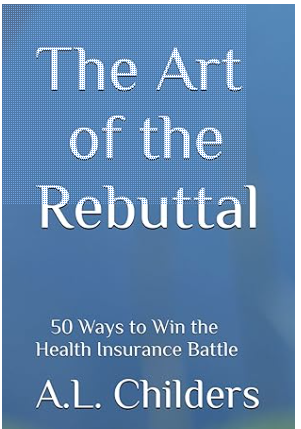
🔥 The Art of the Rebuttal: 50 Ways to Win the Health Insurance Battle (PLUS 50 MORE!) 🔥

💰 Master the Power of Persuasion, Close More Deals, and Build a Lucrative Career as an Ethical Insurance Agent! 💰

Let’s be real—selling health insurance isn’t for the faint of heart. Clients hit you with objections faster than a toddler saying “no” at bedtime. But what if you had the ultimate playbook to turn those objections into commission checks?

🎯 Introducing The Art of the Rebuttal: 50 Ways to Win the Health Insurance Battle (oh, and surprise—there are 100 in total, but who doesn’t love a bonus?) 🎯

What You’ll Get Inside This Power-Packed Guide:
50 (actually 100) battle-tested rebuttals to handle objections like a pro—because “I need to think about it” is just another way of saying, “Convince me!”
Sales psychology hacks that break down how clients think, why they hesitate, and how to guide them toward “yes” (without sounding like a pushy used-car salesman).
Advanced negotiation techniques so you can close deals ethically and effectively—no pressure, no gimmicks, just results.

Who Needs This Book?
💼 New agents who want a crash course in rebuttals and confidence-boosting strategies.
💰 Experienced pros looking for fresh, effective ways to increase their close rate.
🏢 Agency owners who want their team to stop fumbling objections and start sealing deals like pros.

This isn’t your generic, outdated sales book. This is a health insurance agent’s secret weapon—packed with real-world examples, industry-specific strategies, and insider knowledge that you won’t find anywhere else.

🚀 If you’re tired of hearing “I’ll get back to you” and ready to start dominating the insurance game, this book is your golden ticket.

📖 Get your copy today and start closing more deals—ethically, effectively, and with the confidence of a seasoned pro!

📜 DISCLAIMER 📜

The Art of the Rebuttal: 50 Ways to Win the Health Insurance Battle (Plus 50 More!) is designed as a professional resource for health insurance agents looking to improve their objection-handling skills, communication strategies, and ethical sales techniques.

This book does not guarantee specific sales results, commissions, or employment success. Sales outcomes depend on individual effort, experience, industry regulations, and client interactions. The strategies provided are meant to be guidelines, not rigid scripts, and should always be adapted to fit compliance regulations and ethical business practices within your agency or company.

Additionally, while every effort has been made to ensure the accuracy of the content, insurance laws, policies, and regulations may vary by state and are subject to change. Readers are encouraged to verify any legal or compliance-related information with their employer, state insurance department, or legal advisor before applying it in practice.

The author and publisher assume no responsibility for any business decisions, financial losses, or regulatory issues that may arise from the use of this book. Your success is in your hands—this book is just your secret weapon to make it happen! 🚀

Navigating Uncertainty as a Licensed Health Insurance Agent: Insights and Opportunities

Navigating Uncertainty as a Licensed Health Insurance Agent: Insights and Opportunities
By Audrey Childers


As a licensed health insurance agent, I’ve dedicated my career to helping individuals and families navigate the complexities of health insurance. Whether it’s Medicare, Medicaid, or Affordable Care Act (ACA) plans, my mission is to provide clarity and support in an ever-changing landscape. However, recent changes to healthcare funding and policy have left many agents and clients wondering what lies ahead. Here’s what you need to know and how we can move forward together.


The Current Landscape: Medicare, Medicaid, and ACA

Healthcare in the U.S. is undergoing significant shifts:

  • Medicare and Medicaid Cuts: Proposed budget reductions could impact access to healthcare for low-income and rural populations. These cuts may also strain providers, leading to fewer options for care.
  • Affordable Care Act (ACA) Funding Changes: Federal decisions about ACA subsidies and Medicaid expansion could lead to increased premiums and out-of-pocket costs, making it harder for many to afford coverage.

These changes create uncertainty for both agents and clients, but they also present opportunities to explore alternative solutions and broaden our expertise.


How These Changes Affect Clients and Agents

  • For Clients: Rising healthcare costs and reduced funding for subsidies mean many may lose access to affordable coverage. Low-income families and individuals are at the highest risk of being left without options.
  • For Agents: As an ACA agent, my role becomes more challenging as I work to identify affordable solutions for my clients in a shrinking market. I remain committed to staying informed and offering personalized guidance.

How I’m Preparing for the Future

In light of these changes, I’ve taken proactive steps to ensure I can continue to serve my clients effectively while securing my own financial future:

  1. Expanding Expertise: To better serve clients, I’m pursuing certifications in additional areas of insurance, including:
    • Medicare Advantage and Supplement Plans: These provide stable demand and renewal commissions.
    • Life and Final Expense Insurance: High demand and cross-selling opportunities make these excellent additions to my portfolio.
  2. Staying Updated: I keep a close eye on federal and state healthcare policy changes to ensure I provide the most current advice and options.
  3. Building Relationships: Strong client relationships are the backbone of my business. I focus on retention and renewals to maximize benefits for both clients and my practice.

Why Diversification Matters

For agents, relying solely on ACA enrollments is no longer sustainable. Diversifying into other insurance areas not only stabilizes income but also allows us to offer comprehensive solutions for our clients’ needs. Here are the areas I recommend for fellow agents looking to expand:

  • Medicare Plans: With an aging population, this market is growing and offers predictable work schedules.
  • Life Insurance: High commissions and flexible hours make this a great choice for agents balancing work and family life.
  • Property and Casualty Insurance: While more demanding during peak times, this field offers steady income opportunities.

How I Can Help You

Whether you’re looking for an ACA plan, Medicare coverage, or exploring other insurance options, I’m here to guide you through the process. My goal is to ensure you understand your choices and find a plan that meets your needs and budget.

📞 Contact me today at 888-835-8730 ext. 34113 for personalized assistance. Together, we’ll navigate these challenges and find solutions that work for you and your family.


A Message to My Fellow Agents

If you’re an agent feeling the pressure of these uncertain times, remember that adaptation is key. Pursuing additional certifications and diversifying your portfolio can open doors to new opportunities and a more stable future. Let’s continue to support our clients and each other as we navigate the evolving world of health insurance.


Looking Ahead

The healthcare industry is changing, but with change comes opportunity. By staying informed, adapting to new challenges, and focusing on what truly matters—helping our clients—we can thrive in this industry.

Let’s connect and make a difference together!
📞 Contact: 888-835-8730 ext. 34113


Thank you for trusting me to guide you through your healthcare journey. Together, we’ll create a brighter, healthier future.

Disclaimer

The information provided in this blog is for general informational purposes only and is based on the personal and professional opinions of Audrey Childers, a licensed health insurance agent. While every effort has been made to ensure the accuracy and reliability of the information presented, it is not intended as legal, financial, or professional advice.

Health insurance policies, regulations, and guidelines are subject to change and vary by state and federal law. Readers are encouraged to consult with a qualified insurance professional or healthcare provider for advice tailored to their specific situation.

Audrey Childers and associated parties are not responsible for any actions taken based on the information in this blog. All inquiries regarding insurance policies or personal healthcare should be directed to the appropriate licensed professionals.

For personalized guidance or questions, please contact Audrey Childers directly at 888-835-8730 ext. 34113.