Tag Archives: life

When Independence Cost a Dollar and a Dream


There are moments in motherhood that arrive quietly but land like thunder.

This was one of them.

My youngest twin—twenty-seven years old—has purchased a home. In this economy. In a time so unforgiving that even the word starter feels like a relic from another century. It is an accomplishment that deserves to be spoken aloud, admired, honored. I am proud of her in the way that fills the chest and tightens the throat at the same time.

And yet—there it is—the ache.

Because pride and grief sometimes share the same chair.

This economy is ruthless. Not difficult. Not inconvenient. Ruthless. It does not reward youth the way it once did. It does not offer freedom cheaply. It does not allow mistakes without punishment. Housing is no longer a milestone—it is a miracle. And watching your child secure something so rare feels like witnessing both victory and loss in a single breath.

When I was sixteen, I left home.

Not dramatically. Not ceremoniously. I simply went. I had my own apartment. A used car. Paid my electric bill. My car insurance. My groceries. I even attended community college. I was free in the way only the young and unafraid can be—free because the world had not yet learned how to price every inch of air.

It wasn’t because I was wealthy. It wasn’t because I was protected. It was because the numbers made sense back then. They no longer do.

Today, a young person can work endlessly and still remain trapped. Rent devours paychecks. Insurance eats ambition. Groceries demand negotiation. Independence has been turned into a luxury item, and no one pretends otherwise.

So her father and I did what parents are rarely praised for doing anymore—we let our children stay.

No rent. No utilities. No pressure—except the kind that builds, not breaks. The only bills they paid were the ones they chose. The rest went into savings. Into preparation. Into a future we knew the world would not hand them gently.

They also went to work where their father works—a union job that pays more than most four-year degrees promise anymore. Thirty-five dollars an hour. Time-and-a-half after eight hours in a day, not forty in a week. Double time after ten. Triple pay on holidays. The kind of structure that once built the middle class and now survives like a rare species.

And because of that—because of planning, patience, and opportunity—she bought a home.

I should be celebrating without pause.

But there’s a part of me that wishes she would stay just a little longer. Stay in the good life. The one I never had offered to me, even though I somehow managed to afford it anyway. Stay in the safety that took generations of trial and error to learn how to provide.

My childhood was… complicated.

My mother was a single parent doing the best she could with the tools she had. But there were too many men passing through the house. Too much instability. Too much responsibility placed on shoulders still learning how to carry themselves. By the time I was ten, I was caring for my younger sister—five years my junior—cleaning the house, feeding her, managing tasks that children should not have to manage.

If I failed, I was punished. If I succeeded, it was expected.

And yet—those years shaped me.

They gave me skills. Grit. Awareness. Independence sharpened early. I learned how to survive before I learned how to rest. I became a true Gen Xer—resourceful, skeptical, self-reliant, allergic to nonsense.

A Scorpio. A free spirit. A wild child who wasn’t taking anyone’s shit.

And I wouldn’t trade it. Not for anything.

How many people can say they were sixteen in the 1980s, paying their own bills, driving their own car, answering to no one but themselves—and still felt free? The eighties were a strange kind of golden hour. Not perfect. Not fair. But possible.

That world is gone.

So when my daughter closes the door on her own home, I stand in the doorway of memory. Proud beyond words. Tender beyond reason. Grateful that she has what I never did—and quietly mourning the simplicity of a time when independence didn’t require permission from a bank, a union contract, and perfect timing.

This is what parenting looks like in an unforgiving economy.

You don’t push them out.
You build a runway.
You give them what you never had.
And when they finally fly, you wave—even as your heart asks them to circle once more.


Disclaimer

This blog reflects personal experience and generational observation. It is not intended to diminish the struggles of any generation or romanticize hardship. Economic conditions vary widely, and individual outcomes are shaped by many factors. This piece is offered as reflection, not prescription.


References & Context

  • U.S. Bureau of Labor Statistics – Historical wage comparisons
  • Federal Reserve Economic Data (FRED) – Housing affordability index
  • Pew Research Center – Generational economic mobility
  • National Association of Realtors – First-time homebuyer trends
  • Economic Policy Institute – Wage growth vs. cost of living (1980s–present)

About the Author

A.L. Childers is a Gen X writer, researcher, and storyteller whose work blends lived experience with cultural reflection. Raised in an era of latchkeys and learned independence, she writes about family, economics, power systems, and the quiet emotional truths that live beneath major life transitions. Her work honors resilience without glorifying struggle and believes deeply in giving the next generation what many never received.


ABOUT THE AUTHOR — A.L. Childers

Audrey Childers is a published author, thyroid advocate, wellness writer, and founder of TheHypothyroidismChick.com.
After years of misdiagnosis, exhaustion, weight gain, and “your labs are normal,” she rebuilt her health — and now helps other women do the same.

Books include:

The Keto Autoimmune Protocol Healing Book for Women

Hashimoto’s Crock-Pot Recipes

 Reset Your Thyroid: 21-Day Meal Plan

A Women’s Holistic Holy Grail Handbook for Hypothyroidism

Fresh & Fabulous Hypothyroidism Body Balance

The Witch’s Almanac Cookbook (2026)

The Lamp of Christmas Eve

The Lamp at the End of the Corridor: A Story of Rejection, Redirection, and Resurrection for the Misfit Soul

The Girl the Darkness Raised: A Memoir of Scarcity, Survival, and Becoming

The Girl in the Mirror Is Thirteen Again: The House That Yelled and the Woman Who Finally Heard Herself 

 Healing Stews & Enchanted Brews (Original Edition)

Healing Stews & Enchanted Brews: Holiday Magic

My Grandmother’s Witchy Medicine Cabinet

Enchanted Realms: A Comprehensive Guide to Witchcraft & Sorcery

Enchanted Realms: A Comprehensive Guide to Witchcraft & Sorcery

Hashimoto’s Crock-Pot Recipes

 Reset Your Thyroid: 21-Day Meal Plan

A Women’s Holistic Holy Grail Handbook for Hypothyroidism

Fresh & Fabulous Hypothyroidism Body Balance

The Lies We Loved : How Advertising Invented America

Archons: Unveiling the Parasitic Entities Shaping Human Thoughts

The Hidden Empire

Nightmare Legends
The Girl the Darkness Raised: A Memoir of Scarcity, Survival, and Becoming

Whispers in the Wires

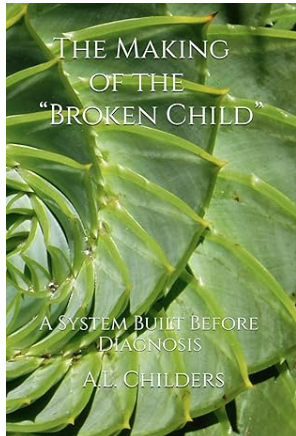
The Making of the “Broken Child”: A System Built Before Diagnosis
Don’t Wait—Why Now Is the Time to Secure ACA Health Coverage (Before It’s Too Late)

Hello friends,

As someone who cares deeply about our community and helps people find affordable health coverage every day, I want to share something urgent: Major changes are coming to the ACA Marketplace. If you qualify for zero-premium health insurance right now, this is a window of opportunity that may be closing soon—and I don’t want anyone to miss out on vital protection.

You may be thinking, “I’m healthy—I’ll be fine.” Or maybe you’ve had coverage before and didn’t use it much. I get it. But here’s the truth: Having health insurance is not just a box to check off. It’s a safety net for your health, your finances, and your peace of mind.

Let’s talk about why it matters—especially right now.


Why Having Health Insurance Is Essential (Even If You Think You’ll Never Need It)

1. Life Can Change in a Heartbeat

Accidents, sudden illnesses, and emergencies don’t make appointments. No one wakes up expecting to need the ER, but it happens to people just like us, every single day. Health insurance means you don’t have to face these moments alone or risk financial ruin.

2. Healthcare Costs Keep Climbing

Even a short hospital visit or minor surgery can cost thousands, sometimes tens of thousands, out of pocket. Medical debt is one of the leading causes of bankruptcy in the U.S. Protect your savings, your credit, and your family from bills that could follow you for years.

3. Prevention Saves Lives (and Money)

ACA Marketplace plans cover preventive care—like annual physicals, cancer screenings, and vaccines—at no extra cost. Early detection can mean the difference between a small health hiccup and a life-changing crisis.

4. Protect Your Loved Ones

Health coverage isn’t just about you. Spouses, children, and dependents count on you to keep them safe. A health plan makes sure everyone in your household has access to care—when it matters most.

5. Not Everyone Has “Perfect” Coverage

Let’s be real: not everyone is lucky enough to have job-based insurance, VA benefits, Medicare, or Medicaid. And even those who do know there can be gaps or frustrations. No plan is perfect, but having coverage—any coverage—is far better than going without.

6. Changes Are Coming—Don’t Get Left Behind

With upcoming changes to the ACA Marketplace, zero-premium plans may not be available much longer, and qualifying for affordable coverage could become tougher. If you’ve been waiting, don’t put it off any longer—these days are truly numbered.

7. It’s Your Financial Safety Net

Health insurance is about more than just medical bills. It’s about protecting everything you’ve worked for from the unpredictable—and giving you the freedom to focus on living, not just surviving.

8. Peace of Mind You Can’t Put a Price On

The relief of knowing you’re protected—no matter what life brings—is worth everything. It’s one less thing to worry about, and right now, we could all use a little more peace of mind.


Don’t Miss Your Chance: I’m Here to Help

I know everyone’s situation is unique. Maybe you’re not sure what you qualify for, or you’ve had bad experiences in the past. That’s exactly why I’m here. Whether you need to enroll, review your options, or just ask a few questions, I promise a no-pressure, caring approach. My goal is to make sure you—and your family—are protected before these changes take effect.

Call me directly and ask for Audrey:
888-835-8730 ext 34113

Even if you already have coverage through another source, it’s worth making sure it’s the best fit for your needs. Not everyone is blessed with employer coverage, VA benefits, Medicare, or Medicaid—and even those who are can still find value in reviewing their options.

Your health, your finances, and your family’s well-being are too important to leave to chance. Let’s make sure you’re protected.

With warmth and care,
Audrey Childers
Your Trusted ACA Advisor


Feel free to share this blog post or reach out with any questions—your peace of mind is my top priority.

A.L. Childers
Published Author, Advocate, and Your Partner in Thyroid Health

Disclaimer

The information and recipes in the blog are based on the author’s research and personal experiences. It’s for entertainment purposes. It’s only. Every attempt has been made to provide accurate, up-to-date, and reliable information. No warranties of any kind are expressed or implied. Readers acknowledge that the author does not render legal, financial, medical, or professional advice. By reading this blog, the reader agrees that under no circumstance is the author responsible for any direct or indirect loss incurred by using the information contained within this blog. Including but not limited to errors, omissions, or inaccuracies. This blog is not intended to replace what your healthcare provider has suggested.  The author is not responsible for any adverse effects or consequences from using any of the suggestions, preparations, or procedures discussed in this blog. All matters about your health should be supervised by a healthcare professional. I am not a doctor or a medical professional. This blog is designed as an educational and entertainment tool only. Please always check with your health practitioner before taking any vitamins, supplements, or herbs, as they may have side effects, especially when combined with medications, alcohol, or other vitamins or supplements.  Knowledge is power; educate yourself and find the answer to your healthcare needs. Wisdom is a beautiful thing to seek.  I hope this blog will teach and encourage you to take leaps in your life to educate yourself for a happier & healthier life. You have to take ownership of your health.

The views and services offered by Thehypothyroidismismchick.com are not intended to be a substitute for professional medical assistance but as an alternative for those seeking solutions for better health. We do not claim to diagnose, treat, prevent, or cure any disease but simply help you make physical and mental changes in your own body to help your body heal itself. Remember that results may vary, and if you are pregnant, nursing, taking medications, or have a severe condition, you should consult a physician or other appropriate medical professional before using any products or information on this site. Thehypothyroidisimchick.com assumes no responsibility for the use or misuse of this material. Your use of this website indicates your agreement to these terms. Our full disclosure, terms of use, and privacy policy.

The information on this site is not intended or implied to be a substitute for professional medical advice, diagnosis, or treatment. All content, including text, graphics, images, and information on or available through this website, is for general information purposes only. Opinions expressed here are the opinions of the writer. Never disregard professional medical advice or delay seeking medical treatment because of something you have read or accessed through this website.

This site is designed for educational purposes only and is not engaged in rendering medical advice, legal advice, or professional services. If you feel that you have a medical problem, you should seek the advice of your physician or health care practitioner. For additional information, please see our full disclosure, terms of use, and privacy policy.

Our full disclosure, terms of use, and privacy policy. | thehypothyroidismchick

Forget the Table—What Do You Bring to the Revolution?

By A.L. Childers

In an era where artificial intelligence is replacing jobs, corporations are monopolizing basic human needs, and the cost of living has spiraled beyond reason, the question many men are still asking women is, “What do you bring to the table?”

But let’s be real—what table?

In a world where homeownership is unattainable, wages stagnate while inflation skyrockets and even our food is poisoned for profit, the idea of a “table” is laughable. We don’t have a table anymore. None of us do. And if we did, where exactly would we put it?

A World Where The Table No Longer Exists

The traditional markers of stability—homeownership, fair wages, access to real food, and reliable healthcare—are slipping further out of reach. The average home price in 2000 was around $119,600. Today, the median home price in the U.S. exceeds $400,000, with houses in major cities reaching $750,000+—a 525% increase in just two decades. Interest rates are at their highest in years, making homeownership a pipe dream for most.

And renting? Hedge funds and private equity firms like BlackRock and Invitation Homes have purchased entire neighborhoods, turning potential homeownership into a renter’s prison, jacking up prices by as much as 60% in some cities. The average rent for a one-bedroom apartment, once $1,000, is now $3,000 or more, pricing out working-class Americans.

So, tell me again: what table?

A Livable Wage? Not in This Economy.

The federal minimum wage in America remains a staggering $7.25 an hour, unchanged since 2009. Meanwhile, the cost of living has risen nearly 40% in the last decade, with wages failing to keep pace. Over 61% of Americans now live paycheck to paycheck, with many working two or three jobs just to afford basic necessities.

Even in fields with “livable” wages, the squeeze is real. Nurses, teachers, and service workers—once considered middle-class careers—are now struggling to afford homes in the cities they work in. In San Francisco, you need a salary of at least $104,000 just to afford a modest one-bedroom apartment. In New York City, that number jumps to $130,000.

Again, where is this table going?

Poison for Profit: The Food We Can’t Afford is Killing Us

Let’s talk about what actually goes on this imaginary table.

The American food supply is so toxic that many ingredients legally sold in the U.S. are banned in over 30 countries. Red dye No. 3, brominated vegetable oil, potassium bromate—these are carcinogens illegal in the EU, China, and Japan but are still FDA-approved in the U.S. because food corporations lobby Congress to keep them in circulation.

Fast food, ultra-processed junk, and chemical-laden groceries aren’t just making us overweight—they’re making us sick. Heart disease, diabetes, and cancer rates have skyrocketed, largely due to the food industry prioritizing profit over public health. The U.S. now leads the world in diet-related illnesses, and even when people want to eat healthy, organic options remain financially out of reach for most.

Healthcare: Pay or Die

Let’s say we make it to the table despite the poisoned food, the unaffordable housing, and the soul-crushing work conditions. What happens when we get sick?

America’s healthcare system is the most expensive in the world, yet ranks dead last among high-income nations in accessibility and outcomes. The U.S. spends over $12,500 per person on healthcare annually, yet 66% of all bankruptcies are due to medical debt. A simple ambulance ride can cost $1,200—more than a mortgage payment.

And if we’re really lucky, we can sit at the table and reminisce about the family members we lost too soon because they couldn’t afford treatment. We can raise a glass to the 53-year-old mothers who died of heart disease, not because of genetics, but because they were fed toxic food, overworked, and denied proper medical care.

The Education System: Preparing Kids for a Broken Future

While we’re at this nonexistent table, maybe we can talk to our kids about their education—if they survive school.

With mass shootings now a regular occurrence, students aren’t just learning math; they’re learning how to barricade doors and hide under desks. Speaking of math, let’s talk about Common Core—an education model so convoluted that parents can’t even help their kids with homework. Instead of fostering critical thinking, American schools are training kids to memorize and regurgitate, leaving them ill-prepared for the future in an economy where AI and automation are rapidly replacing jobs.

But sure, let’s discuss gender roles. Let’s focus on whether women should cook and clean while we all collectively drown in a system that requires two incomes just to survive.

The Real Question: What Do You Bring to the Revolution?

So, let’s stop asking what women bring to the table.

Let’s start asking: What do you bring to the revolution?

Because this isn’t about gender roles anymore. This is survival. The world we inherited is no longer the world we were promised. The American Dream has been turned into a rigged casino, where the house always wins and the players—us—are left empty-handed.

The real question isn’t about what we contribute individually—it’s about what we are going to do collectively to reclaim our future.

Because the table is gone.

And if we want one, we’ll have to build it ourselves.


Sources & Statistics:

  • Housing Crisis: National Association of Realtors, Federal Reserve, Zillow Reports
  • Minimum Wage & Inflation: U.S. Bureau of Labor Statistics, Pew Research Center
  • Food Safety & Toxic Ingredients: U.S. FDA, European Food Safety Authority, Center for Science in the Public Interest
  • Healthcare Crisis: The Commonwealth Fund, Kaiser Family Foundation, American Journal of Public Health
  • Education & School Safety: National Center for Education Statistics, FBI Crime Report