There are stories we inherit long before we ever learn to speak. Stories whispered in classrooms, stitched into report cards, folded into the sighs of overwhelmed moms, and reinforced by a world that measured children with rulers too small to capture the size of their souls.
For so many of us—especially those walking through adulthood with undiagnosed neurodivergence in adults—these quiet stories became the architecture of who we believed we were. Stories of deficiency. Stories of failure. Stories of “almost,” “if only,” and “why can’t you just…”
Yet none of those stories were truly ours. They belonged to a system built before diagnosis, before understanding, and before compassion found its way into the language of human development.
And so children—sensitive, intuitive, creative, overwhelmed children—were sorted, shaped, corrected, or quietly cast aside. Not because they were broken, but because the machinery evaluating them could not recognize anything beyond its own blueprints.
My newest book, The Making of the “Broken Child”, is not a tale of disorder but a tale of misalignment— a cultural autopsy of how a society mistook brilliance for misbehavior, emotional depth for defiance, and sensory wisdom for weakness.
It is a story told not through blame, but through clarity. Not through anger, but through awakening. Not through shame, but through truth.
🌑 The Shadow That Followed Us Into Adulthood
Adults who never received names for their differences often describe life not as a journey, but as a long corridor of quiet misunderstandings.
They speak of emotional dysregulation and sensory overload that was never labeled as such… only punished, silenced, or dismissed.
They remember the confusion of neurodivergent parenting struggles, trying to raise children with needs that mirrored their own when they still carried no language for their past.
They describe overstimulation and burnout for women long before the world admitted such exhaustion was real.
And for many, the late diagnosed ADHD journey or autism discovery came not as an epiphany—but as a vindication. A final exhale. A whispered, “So it was never my fault.”
This book does not diagnose. It reveals. It walks readers through the machinery—the classrooms, the expectations, the generational scripts, the quiet punishments disguised as guidance—to show how a child becomes mislabeled, misunderstood… and eventually, convinced of their own brokenness.
But the truth is simpler, softer, and infinitely more liberating:
A child is not broken simply because the world did not know how to read them.
🌤️ A System Built Before Language, and Before You
This book is a lantern held to the past. It illuminates the forgotten rooms of childhood where the early warnings were misread, where emotional overwhelm was called defiance, where sensory sensitivities were treated as dramatic flare, and where intuition was trained out of children for the sake of “fitting in.”
It is a story for the mothers who cried in bathrooms, for the daughters who learned to shrink, for the sons who learned to mask, and for the grown adults now piecing together the architecture of their own becoming.
It is a testament to every person who has ever whispered:
“I was not built for that system.” And finally learned— “The system was not built for me.”
🔥 Why This Book Matters
Because it answers the questions society dismissed.
Because it gives language to the childhoods no one understood.
Because it gently dismantles the illusion that struggling children were ever the problem.
Because it offers compassion where the world offered criticism.
Because it whispers what so many have needed to hear:
You were never broken. You were unrecognized.
“Awakening begins where conditioning ends.” This book is the doorway to that awakening.
⚠️ Disclaimer
This work is not a substitute for medical or psychological diagnosis. It exists to illuminate cultural patterns, validate lived experiences, and explore the history of a system that mislabeled generations of children long before understanding existed.
✨ About the Author – A.L. Childers
A.L. Childers is a revolutionary whisper—an author who uncovers systems with the gentleness of a storyteller and the precision of an investigator. With more than 200 published works, Childers blends emotional intelligence, historical insight, and sensory-rich narrative to illuminate the unseen machinery shaping human lives. Her writing is compassionate, haunting, and unforgettable…and always guided by the question: Who did you become before you ever had a choice?
There comes a moment — quiet as a breath, soft as dust settling in an abandoned classroom — when the old story begins to crack. It does not shatter all at once; no great revolution ever begins with noise. Instead, it begins with noticing. A parent notices their child shrinking beneath a label. A teacher notices their brightest students are the ones they’ve been told to tame. An adult notices that the wound they carried since childhood does not belong to them. A society notices the cracks in the walls it once believed were indestructible.
And from these fragile moments of noticing, something long buried begins to rise.
It begins with a question whispered not in anger, but in clarity: What if the children were never the problem?
That single question — simple, unadorned, unthreatening — carries the power of a thousand revolutions. It is the lantern held up to the machinery in the dark, revealing gears that were never meant to be part of childhood. It is the key that unlocks every assumption we were taught to worship. It is the truth that sweeps through the hallways of the past, lighting up every desk, every file, every diagnosis, every pill bottle, every childhood that bent beneath a story that was never theirs.
As the question spreads, a new picture appears — faint at first, but gaining shape.
You see the factory blueprint of the school system, still clinging like ash to the bones of education. You see the medical empire rising on the remains of natural healing. You see the pharmaceutical industry waiting in the wings, its pockets open for profit. You see the timeline — the cage built before the diagnosis. You see the brilliance of children mislabeled as dysfunction. You see the adults who carried the shame of a wound they never caused. You see the truth behind the disorder that was engineered, not discovered. You see the spirit of every “problem child” still flickering beneath the weight of decades.
And then — slowly, almost tenderly — you see the story begin to rewrite itself.
A parent kneels beside their child at homework time, noticing that the restlessness is not disobedience but energy asking to be expressed. A teacher pauses before writing another note home, suddenly aware of the world that note might create. A pediatrician, once quick to diagnose, hesitates and asks instead: “Tell me about your child’s environment.” A grown man, tapping his foot in a boardroom, suddenly realizes he is not broken — he is alive.
This is how awakenings begin — not with battles, but with clarity.
The truth is that the system never feared disorder. It feared children who could not be subdued into conformity. It feared the spark. It feared the imagination. It feared the ungoverned mind. But nothing — not diagnoses, not labels, not medications — can extinguish the truth of human spirit.
And once that truth is seen, it cannot be unseen.
We begin to understand that ADHD was never a flaw in the child — it was a flaw in the structure surrounding the child. We understand that the unnatural environment created unnatural responses. We understand that the human body, mind, and soul were never meant to thrive in institutions built for control. We understand that the system wrote a false narrative and forced children to memorize it at the cost of their identity.
And now — in this final chapter — we understand something else:
The story belongs to us now. Not to the system. Not to the DSM. Not to the pharmaceutical giants. Not to the industrial blueprint.
To us.
To the parents who are waking up. To the adults reclaiming their childhoods. To the teachers who are breaking their own training. To the children whose spirits refused to die. To the ones who knew all along that something was off — not with them, but with the world.
And this is where the story breaks. This is where the lie dissolves. This is where the narrative changes hands.
We step forward, holding the truth like a lantern in a fog thick with centuries of assumption:
Children were never meant to be controlled — they were meant to be understood. They were never meant to be silenced — they were meant to be heard. They were never meant to be labeled — they were meant to be supported. They were never meant to be subdued — they were meant to unfold. They were never meant to be medicated into compliance — they were meant to be met with compassion.
And as this truth spreads, quietly at first, then fiercely, every old structure begins to tremble.
The classroom of the future will not resemble the cage of the past. The medicine of tomorrow will not pathologize the very traits that built civilization. The parent of tomorrow will not surrender their child’s brilliance for the comfort of a system. The adult of tomorrow will no longer carry the shame of a label that never belonged to them.
This is not hope — this is inevitability.
Because you cannot suppress the human spirit indefinitely. You cannot extinguish curiosity. You cannot cage imagination. You cannot medicate away destiny. You cannot silence the children who came here to change the world.
And once a society recognizes the truth, the story collapses like a house built on rot.
The “abnormal children” were never abnormal. The system that invented them was.
This is the ending and the beginning. The closing of the false narrative and the opening of the real one. The moment where we hand the pen back to the children — the ones who were mislabeled, misunderstood, underestimated, and underestimated again.
This is where they rise. This is where they reclaim their fire. This is where they step into the world not as patients, not as problems, not as diagnoses — but as the very force the system feared:
Children who cannot be controlled because they were never meant to be.
In this awakening, the story becomes whole. And so does the child. And so does the adult they became. And so do we.
DISCLAIMER
This series is written for educational, historical, and personal reflection purposes. It is not medical advice, nor does it diagnose, treat, or replace consultation with a licensed medical professional. All historical references are based on documented sources, public records, and widely published research.
A.L. Childers is a multi-genre author known for blending investigative research with storytelling that cuts straight to the bone. Raised in the American South and forged by lived experience, Childers exposes uncomfortable truths about systems, institutions, and the hidden machinery shaping modern life. Her work spans history, health, psychology, spirituality, and cultural critique — always with a warm, human voice that refuses to look away.
A powerful, historically documented Childers-meets-modern exposé revealing how the American school system was engineered for obedience, not learning — and how ADHD was later invented to pathologize normal childhood behavior. This multi-part series examines who built the system, who profits from it, and how millions of children were mislabeled as “disordered” while the real disorder lived inside the institution itself.
There has always been a certain kind of child who unsettles the world — not through disobedience alone, but through a deeper, older kind of defiance that cannot be taught, tamed, silenced, or medicated into submission. These children arrive carrying something the system cannot measure and does not know how to absorb: a spirit that refuses to bow. A mind that refuses to dim. A will that refuses to be carved into the shapes demanded by institutions. These children do not break under pressure — they ignite under it. And that ignition terrifies the system more than anything else.
To understand the system’s fear, one must walk through history as if walking through a corridor lined with closed doors. Behind each door lies an era, and behind each era lies the same recurring theme: institutions fear the individuals they cannot control. Empires fear thinkers. Armies fear dissenters. Churches fear questioners. Governments fear visionaries. And school systems fear children whose spirits run wild with imagination, curiosity, and rebellion.
You can feel this fear in the design of the classroom itself. Everything in the room exists to constrain the child who might one day challenge it. The rows of desks like tiny coffins for creativity. The bells like command whistles. The rules stacked like bricks to build a wall between the child and their nature. The fluorescent lights casting a pallor over young faces, washing away the glow of wonder that should live in their eyes. It is all part of the silent architecture of control.
Because nothing threatens a control-based system more than a child who listens to their own inner voice instead of the one coming from the front of the room.
Children who cannot be controlled ask too many questions — real questions, unsettling questions, questions that make adults stare into distances they have spent years avoiding. These children expose hypocrisy without meaning to. They see through pretense as easily as breathing. They challenge rules that were never meant to be questioned. They refuse to sit still not because they are disobedient, but because stillness feels like a kind of spiritual death.
The system fears these children because they behave like life behaves — erratic, messy, unpredictable, vibrant, unstoppable. And institutions depend on predictability. Predictability fuels efficiency. Efficiency fuels order. Order fuels control. Control fuels power. And anything outside that chain threatens the entire structure.
This is why schools, governments, and industries have always feared the children who cannot be molded. Because one child with an unbreakable spirit can become an adult capable of dismantling entire systems.
You can see this fear in the way the system responds to these children. First comes the concern. Then the monitoring. Then the meetings. Then the labels. Then the specialists. Then the medication. And beneath each step, you will find the same silent truth: the system is trying to subdue what it cannot understand.
In another century, these children might have been explorers, inventors, sailors, wanderers, shamans, architects, poets, prophets. The world once relied on them. Civilization once advanced because of them. New continents were discovered by them. Scientific revolutions were sparked by them. Social movements were led by them.
But in a modern industrial society that values uniformity over humanity, these children are treated as malfunctions — errors in need of correction.
A child who cannot be controlled grows into an adult who cannot be easily manipulated, and that is precisely what the system fears. Because uncontrolled adults become whistleblowers. They become entrepreneurs who refuse corporate chains. They become activists who challenge laws. They become creators who expose illusions. They become thinkers who unravel the architecture of deception. They become leaders who recognize when power is being abused — and say so out loud.
So when a child like this enters a classroom, the system does not see possibility. It sees risk.
The risk that the status quo will be questioned. The risk that compliance will not be learned. The risk that authority will not be obeyed. The risk that the child will one day grow into someone who dismantles the very structure built to contain them.
This fear is why the system rushes to label these children. Labels make complexity manageable. Labels turn humans into categories. Categories turn categories into diagnoses. Diagnoses turn diagnoses into markets. And markets turn spirited, untamed children into long-term customers obeying a narrative they never wrote.
But here is the truth hidden beneath the system’s cold machinery: children who cannot be controlled carry the very spark that keeps humanity from falling into tyranny. They are the balance. The counterweight. The disruption that prevents stagnation. They are reminders that life expands despite pressure — and often because of it.
You can feel their presence even now. The child who climbs instead of walks. The child who laughs too loud. The child who builds towers and knocks them down just to see how they fall. The child who turns a worksheet into a story. The child who sees patterns no one taught them. The child who interrupts because their thoughts cannot wait their turn. The child whose body shivers with too much life for a world designed for too little.
The system names them “hyperactive.” But nature calls them “alive.”
The system names them “impulsive.” But history calls them “courageous.”
The system names them “distracted.” But visionaries call them “expansive.”
The system names them “noncompliant.” But movements call them “leaders.”
The system names them “difficult.” But truth calls them “necessary.”
These children are not here to obey. They are here to evolve us.
And the system knows it.
That is why it fears them. That is why it labels them. That is why it medicates them. That is why it tries to quiet them, contain them, and tame them.
Because if even one of these children grows into the adult they were meant to be, the system must answer for the damage it caused — and the illusion it maintained.
The greatest irony is that the children who cannot be controlled are the ones the future depends on. They are the innovators, the rebels with cause, the artists who redraw the maps, the thinkers who rebuild the world from the ashes of outdated ideas. They are the ones who show us where the system has failed — and where humanity must rise.
The problem was never that these children could not be controlled. The problem was that the system should never have tried to control them at all.
DISCLAIMER
This series is written for educational, historical, and personal reflection purposes. It is not medical advice, nor does it diagnose, treat, or replace consultation with a licensed medical professional. All historical references are based on documented sources, public records, and widely published research.
A.L. Childers is a multi-genre author known for blending investigative research with storytelling that cuts straight to the bone. Raised in the American South and forged by lived experience, Childers exposes uncomfortable truths about systems, institutions, and the hidden machinery shaping modern life. Her work spans history, health, psychology, spirituality, and cultural critique — always with a warm, human voice that refuses to look away.
A powerful, historically documented Childers-meets-modern exposé revealing how the American school system was engineered for obedience, not learning — and how ADHD was later invented to pathologize normal childhood behavior. This multi-part series examines who built the system, who profits from it, and how millions of children were mislabeled as “disordered” while the real disorder lived inside the institution itself.
The story of the “problem child” has been told so many times that it has become folklore — whispered in hallways, written in school records, murmured in parent-teacher conferences, cemented into medical charts, carried like an invisible tag into adulthood. It is a story rooted not in truth, but in convenience; not in understanding, but in misunderstanding; not in science, but in systems. And yet, generations of children grew up believing it, folding themselves small beneath its weight, shrinking their brilliance to fit a narrative they never wrote.
But every story — even a false one — can be rewritten.
To begin rewriting it, we must return to the first image: a child fidgeting in a chair too small for their spirit, legs alive with kinetic electricity, fingers itching for something to touch or build, mind racing ahead of the lesson like a horse spooked into freedom. For decades, this child was cast as the villain of the classroom, the disruption, the inconvenience, the one who “couldn’t behave.” But what if the story began differently? What if the first line said:
Here is a child whose nature refuses to be tamed by environments too small for the human soul.
Imagine how differently the world would have treated that child.
Rewriting the story requires peeling back the layers of judgment that once coated their existence. It means recognizing that the so-called “problem” was never within the child but within a system designed to restrain them. The child who couldn’t sit still was not broken — they were responding exactly as a healthy organism responds when confined. The child who talked too much was not disruptive — they were communicating the way human beings were meant to. The child who asked too many questions was not annoying — they were practicing curiosity, one of the highest forms of intelligence.
And the child who daydreamed was not unfocused — they were imagining worlds beyond the cage.
To rewrite the story is to acknowledge the tragedy of the original version: that society mistook vitality for disorder, mistook imagination for distraction, mistook intensity for defiance, mistook movement for malfunction. But the greater tragedy is that these misunderstandings were not accidental — they were engineered.
Schools, built on industrial blueprints, valued predictability over humanity. Medicine, shaped by monopolies, valued diagnosis over understanding. Pharmaceutical companies valued profit over childhood. And parents, raised in the same system, unknowingly passed down the inherited script.
The “problem child” was never a problem. They were a misfit in a world built for conformity.
Rewriting the story also means reclaiming the child’s lost language — the one they were fluent in before adults translated their behavior into pathology. Children speak in movement, in noise, in impulsive bursts of creativity, in questions that tumble over each other, in emotions so wide and deep they cannot be contained in a straight-backed chair. A child’s natural language is chaotic, beautiful, vibrant, and alive — and society mistook that language for dysfunction.
In rewriting the narrative, we return to that language and treat it not as a disorder but as a native tongue.
Picture the “problem child” not in a classroom but in a forest, where the wind is their instructor and curiosity is their compass. Their fidgeting becomes exploration. Their impulsivity becomes courage. Their talking becomes storytelling. Their daydreaming becomes vision. Their “inattention” becomes attention to what truly matters. Their movement becomes learning in its purest form — through the body, through the senses, through the world.
Now ask: Was this child ever the problem? Or was the environment simply too artificial to support the ways nature designed them to thrive?
Rewriting the story means telling the truth that was intentionally buried: that the traits labeled as symptoms are actually strengths — strengths that systems could not contain, so they labeled them instead. It means acknowledging that the “problem child” was a gift the world did not know how to receive. It means naming the truth loudly, without apology:
There are no problem children. There are only children placed in environments that misunderstand them.
But rewriting the story does not stop at childhood. It stretches into the adult who still carries echoes of the old script — the adult who feels “less than,” “too much,” or permanently out of sync with the world. Rewriting the childhood story rewrites the adult’s identity. It replaces the shame with clarity, the doubt with compassion, the confusion with recognition. It allows the adult to look in the mirror and see not the remnants of failure but the survivor of a flawed system.
It allows them to say, perhaps for the first time: There was nothing wrong with me. There was something wrong with the story.
Rewriting the story also means confronting the systems that continue to shape children today. It means questioning the blueprint that prioritizes compliance over curiosity, uniformity over imagination, quiet obedience over active engagement with the world. It means recognizing that the world has changed while schools have not — and that children continue to inherit a story written before any of us were born.
And finally, rewriting the story means giving the “problem child” a new ending.
Not one where they grow into an adult forever carrying the scars of a childhood mislabeled, but one where they reclaim their potential, their fire, their originality. One where they discover that their traits were never obstacles — they were compass points. One where they rise above the narrative that once confined them and become architects of their own lives.
Because the greatest truth of all is this: A child who threatened the system was never a problem. They were a promise. A signpost of change. A spark too bright to be dimmed by institutions built on obedience.
The story of the “problem child” was written by systems that feared what that child represented. Rewriting it means returning that child to their rightful place — not as a diagnosis, not as a patient, not as a disruption, but as a being of boundless potential whose spirit refused to be crushed.
This is where the new story begins. This is where the healing begins. This is where the “problem child” becomes the hero.
DISCLAIMER
This series is written for educational, historical, and personal reflection purposes. It is not medical advice, nor does it diagnose, treat, or replace consultation with a licensed medical professional. All historical references are based on documented sources, public records, and widely published research.
A.L. Childers is a multi-genre author known for blending investigative research with storytelling that cuts straight to the bone. Raised in the American South and forged by lived experience, Childers exposes uncomfortable truths about systems, institutions, and the hidden machinery shaping modern life. Her work spans history, health, psychology, spirituality, and cultural critique — always with a warm, human voice that refuses to look away.
A powerful, historically documented Childers-meets-modern exposé revealing how the American school system was engineered for obedience, not learning — and how ADHD was later invented to pathologize normal childhood behavior. This multi-part series examines who built the system, who profits from it, and how millions of children were mislabeled as “disordered” while the real disorder lived inside the institution itself.
The transformation from child to patient does not happen in a hospital bed, nor does it begin in a doctor’s office. It begins in a classroom — a place where the hum of fluorescent lights creates a steady, unnatural pulse, where the air smells faintly of eraser dust and cafeteria starch, where the unspoken rules weigh heavier than the textbooks stacked like bricks on every desk. And it begins with small moments. A tap of a pencil. A restless leg. A question asked out of turn. A child rising from their chair because their body moves at the speed of curiosity while the room moves at the speed of bureaucracy.
The teacher’s eyes flicker — there it is again, that “behavior.” A note is made. A file begins. The slow march toward medicalization starts long before anyone admits it.
In the blueprint of obedience we uncovered earlier, the system measured a child’s worth by their stillness, their silence, their compliance. But what happens when a child cannot fold themselves into the predetermined shape assigned to them? The system cannot bend — so the child must. And when bending turns into breaking, the institution reaches for a label, because labels offer relief. Not relief for the child — but relief for the adults burdened with maintaining a system too rigid to accommodate the human spirit.
The first step in turning a child into a patient is not diagnosis — it is the slow erosion of confidence.
“You need to try harder.” “You need to listen better.” “Stop fidgeting.” “Why can’t you be like the other kids?” “These are simple instructions.”
These words, spoken casually, soak into a child’s skin like winter cold under a thin coat. They seep into places no adult ever sees. And soon the child begins to observe themselves the way the system observes them — as a disruption, a deviation, an inconvenience. By the time the first parent-teacher conference is held, a narrative has already formed around the child’s existence. Words like “concern” and “monitoring” and “evaluation” flutter around the room like anxious birds, and the adults — who were raised in the same cage — nod along as if all of this is natural.
But nothing about it is natural. It is procedural. Predictable. Engineered.
As more notes accumulate in the child’s folder, the system begins its escalation. “Have you considered speaking with your pediatrician?” the teacher says, her tone soft but her meaning unmistakable. “I see signs,” she adds, tapping the folder where the evidence — fragments of misunderstood childhood — has been compiled into something resembling a case file.
The mother’s heart clenches. The father stares at the floor. The child listens from the hallway, feeling something dark and formless tightening around their identity. It is not misbehavior anymore. It is not restlessness. It is not curiosity or energy or the natural wildfire of childhood. No — it is becoming something else.
A symptom.
Schools are not subtle in this transformation. The child who once saw themselves as simply “different” now hears echoes of a medical vocabulary: “attention issues,” “hyperactive tendencies,” “impulsivity,” “behavioral challenges.” Each term pulls the child further away from humanity and deeper into pathology. The shift is so quiet that most parents never realize the magnitude of what is happening. They think they are seeking help. They think they are doing the right thing. The system is designed to make them feel that way.
But the truth is colder. The truth is structural. The truth is that schools turn children into patients because they are built to produce compliance, not accommodate variation.
When the bell rings and twenty-five children rise to march to their next class, everything must move smoothly for the system to function. There is no room for a child whose mind wanders like a loose kite string or whose body trembles with uncontainable movement. No room for the child who questions, explores, or needs more motion than the desk allows. The system cannot slow down for one child — so the child is sped up, slowed down, medicated, molded, or managed until they no longer disrupt the machinery.
And here lies the quiet tragedy: the moment a teacher suggests evaluation, the child becomes a potential patient in the eyes of everyone involved.
Doctors, guided by checklists built from behaviors observed in unnatural environments, begin their assessments. Pediatricians glance at school notes more than they glance at the child. Entire diagnoses are formed on the foundation of a classroom structure the child was biologically never meant to thrive in. The report grows thicker. The prescription pad appears. A bottle of stimulants replaces recess. And without anyone meaning harm, a lively, radiant, impulsively brilliant child becomes a medical case.
The school sighs with relief. The classroom gets quieter. The notes to home decrease. The system praises the parents for “taking action.” The teacher reports improvement. The grades rise. The child sits still.
But stillness is not always success. Sometimes stillness is surrender.
What no one sees is the shadow produced by this process — the identity wound carved into a child who internalizes the belief that something is wrong with them. They do not see the quiet humiliation of being pulled aside for “special testing,” or the shame that settles in their stomach like a stone when they swallow their first pill. They do not hear the whisper that begins to play in the child’s mind: I am not enough on my own. They do not notice how the child’s laughter dulls, how their spark flickers, how their raw, unfiltered aliveness gets traded for something more palatable to an institution, more convenient for adults, more manageable for the system.
The school calls this progress. The pharmaceutical companies call it market expansion. Society calls it treatment. But children call it many things — though rarely out loud.
What we must understand is that schools were never neutral. They were built for order, predictability, uniformity, and control. When a child does not conform to that blueprint, the system does not adjust — it refers. It assesses. It diagnoses. It intervenes. It prescribes.
Thus, the school becomes the gateway through which children are funneled into lifelong patienthood.
And as the cycle continues generation after generation, society forgets that children were once allowed to be wild, imaginative, kinetic, loud, curious, adventurous — alive. Instead, we accept a world where childhood is compressed into worksheets, where movement is called hyperactivity, where imagination is called distraction, where emotional intensity is called dysregulation, where resistance is called defiance, where differences are called disorders.
This is not the evolution of medicine. It is the evolution of control.
A school cannot diagnose ADHD. But it can create the conditions that manufacture it. And it does. Every single day.
Not because teachers are cruel — most are doing their best — but because they are working inside a system that was designed long before they were born, a system that rewards conformity and punishes divergence, a system that confuses normal childhood behavior with pathology.
And where there is pathology, there is profit.
Where there is profit, there is expansion. Where there is expansion, there are patients. Where there are patients, there are prescriptions. Where there are prescriptions, there is a growing darkness behind every fluorescent-lit classroom door.
Because the truth — the painful, urgent, inconvenient truth — is that schools do not merely educate.
They diagnose. They define. They label. They pathologize. They turn children into patients. And then they call the process “help.”
The school system cannot heal what it breaks. It can only label the brokenness it creates.
And until we confront the machine itself, the next generation will inherit the same cage — and the same medications — that muffled the spirits of the generations before them.
DISCLAIMER
This series is written for educational, historical, and personal reflection purposes. It is not medical advice, nor does it diagnose, treat, or replace consultation with a licensed medical professional. All historical references are based on documented sources, public records, and widely published research.
A.L. Childers is a multi-genre author known for blending investigative research with storytelling that cuts straight to the bone. Raised in the American South and forged by lived experience, Childers exposes uncomfortable truths about systems, institutions, and the hidden machinery shaping modern life. Her work spans history, health, psychology, spirituality, and cultural critique — always with a warm, human voice that refuses to look away.
A powerful, historically documented Childers-meets-modern exposé revealing how the American school system was engineered for obedience, not learning — and how ADHD was later invented to pathologize normal childhood behavior. This multi-part series examines who built the system, who profits from it, and how millions of children were mislabeled as “disordered” while the real disorder lived inside the institution itself.
“GenX – The only generation that became 30 at the age of 10 and still is 30 at 50.”
If you’ve seen this meme floating around, you probably laughed—and then nodded in agreement. For Generation X, it’s not just a joke. It’s the truth of our lives.
We were forced to grow up early, but we also managed to stay forever young. That unique combination is what makes Gen X different from every generation before and after us.
Why Gen X Is Built Different
Gen X (born roughly between 1965 and 1980) grew up in a world that was less padded, less protected, and way more hands-on. While Millennials and Gen Z had helicopter parents, instant internet answers, and endless safety nets, Gen X kids had grit, independence, and a do-it-yourself mentality.
Things We Had in the 70s–80s That No One Will Ever Experience Again
Being Gen X meant living through a childhood that was raw, simple, and unforgettable. Here are just a few things that defined our era:
1. Saturday Morning Cartoons
There was no Disney+, Netflix, or YouTube Kids. If you missed He-Man, Smurfs, or Looney Tunes on Saturday morning, too bad—you waited until the next week. It made those hours feel magical.
2. Riding Bikes Without Helmets
We built ramps out of plywood, rode through neighborhoods until the streetlights came on, and drank water straight from the garden hose. No one tracked us with a smartphone—freedom was our GPS.
3. Mix Tapes & Boom Boxes
Recording songs off the radio (and praying the DJ wouldn’t talk over the intro) was an art form. Our mix tapes were personal time capsules—something streaming will never capture.
4. Real Phone Calls & Busy Signals
You wanted to talk to your best friend? You called their house phone. If their sibling was already on the line, you heard the dreaded busy signal. That tiny moment of disappointment is an experience no one else will know.
5. Manual Entertainment
Etch-a-Sketch, Lite-Brite, and Simon Says.
Atari and Nintendo with cartridges you had to blow into to get working.
Roller-skating rinks, arcades, and malls as the center of social life.
6. MTV When It Was Music
We didn’t have TikTok dances—we had the birth of music videos. Seeing Madonna’s “Like a Virgin” or Michael Jackson’s “Thriller” for the first time was a cultural event.
7. Cars With No Seatbelts (Sometimes)
We rode in the back of station wagons, lying on the floor or facing out the back window. It wasn’t safe, but it was freedom.
8. The Sears Catalog & Arcade Tokens
We circled Christmas wish lists in giant catalogs and begged for quarters to play Pac-Man. Today’s kids will never know the thrill of saving up tokens to win a lava lamp from the prize counter.
Why Gen X Still Resonates Today
These experiences weren’t just fun—they shaped who we are. They gave us independence, toughness, creativity, and adaptability. Gen X lived at the crossroads of old-school survival and modern technology, which is why we can roll our eyes at TikTok trends while still knowing how to set up Wi-Fi routers.
We are the analog kids who grew into digital adults. And while every generation has its quirks, only Gen X can say we lived in a world with no helmets, no filters, no smartphones—and somehow, we made it through.
Resources & References
Pew Research Center – Defining Generations: Where Millennials End and Generation Z Begins
Jean M. Twenge – Generations: The Real Differences Between Gen Z, Millennials, Gen X, Boomers, and Silents
Howe & Strauss – Generations: The History of America’s Future, 1584 to 2069
Psychology Today – The Resilient Spirit of Generation X
Disclaimer
This article is intended for cultural commentary and entertainment. Generational experiences may vary based on location, upbringing, and personal circumstances.
About the Author
A.L. Childers is a Gen X storyteller, author, and cultural commentator who blends humor, nostalgia, and critical insight into blogs and books that spark conversation. Known for weaving personal experience with social observation, she writes to preserve the unique spirit of her generation while inspiring others to embrace authenticity.
✅ SEO Keywords integrated: Gen X, Generation X, latchkey kids, 70s childhood, 80s childhood, 90s nostalgia, Gen X memes, MTV generation, Saturday morning cartoons, mix tapes, Gen X vs Millennials.
Simple, everyday tools to bring more calm into your home
🧩 1. The 3–2–1 Reset
When emotions run high, pause and try this together:
3 deep breaths
2 things you can see and name
1 thing you are grateful for This helps reset the nervous system and shift focus.
🧩 2. Sensory-Friendly Morning Routine
Lay out clothes the night before
Use soft lighting instead of bright overheads
Keep breakfast predictable (rotate 2–3 favorite meals) Reduces overstimulation first thing in the day.
🧩 3. The “Calm Corner”
Create a space in your home with:
Noise-cancelling headphones
A weighted blanket
A basket of fidgets or sensory toys This gives both kids and parents a safe space to regulate before things escalate.
🧩 4. Micro-Breaks for Parents
5 minutes with headphones and calming music
A quick walk outside
A simple grounding mantra: “I am safe. I can reset. This moment will pass.” Your nervous system sets the tone — caring for yourself helps your kids too.
🧩 5. The “Visual To-Do” List
Use whiteboards or sticky notes with simple icons/words for daily tasks. Neurodivergent kids (and parents!) often thrive with visual reminders over verbal instructions.
💜 From My Family to Yours
As a mom and grandmother who has walked this path of undiagnosed neurodivergence, I know the feelings of overwhelm, shame, and exhaustion. These quick hacks aren’t about being perfect — they’re about making life just a little easier and more connected each day.
📘 Want More Support?
Discover tools, research, and real-life stories in my book:
Silent Struggles: Navigating Parenthood with Undiagnosed Neurodivergence by A.L. Childers — available on Amazon.
I am not a medical professional. These parenting hacks are based on lived experience, research, and practical application. Always consult with a licensed professional for medical or therapeutic advice specific to your family’s needs.
When we look back on our lives, the things we once thought were important—money, cars, and clothes—fade into the background. In 30 years, our children won’t remember what brand of jeans we wore or whether we drove the newest SUV. What they will remember is how we made them feel, the lessons we taught them, and whether they felt loved unconditionally.
Motherhood is not measured by material success but by the quiet, everyday choices we make. The late-night feedings, the comforting hugs after a scraped knee, the patience during tantrums, and the words we speak when no one else is listening—these are the moments that shape a child’s sense of self-worth and security.
Why Love Lasts Longer than Luxury
In today’s world, we’re constantly bombarded by messages that tell us we need to “have it all.” Social media highlights expensive vacations, picture-perfect homes, and wardrobes straight out of magazines. But studies show that what truly impacts a child’s long-term happiness and emotional well-being is not wealth—it’s connection, stability, and love.
A child who grows up knowing they are valued for who they are, rather than what they achieve or possess, carries that confidence into adulthood. They don’t remember the toys we couldn’t afford; they remember the warmth of a bedtime story or the comfort of knowing we were always there.
Motherhood Is a Legacy, Not a Lifestyle
Our legacy isn’t built on material possessions but on the memories and values we leave behind. Long after the money is spent and the fashions have changed, the bond between a mother and her child remains.
When your children reflect on their childhood, what do you want them to say? Do you want them to recall stress, busyness, and chasing “the next best thing”? Or do you want them to remember peace, laughter, and the security of unconditional love?
Motherhood isn’t about being perfect—it’s about being present. Even when we’re tired, overwhelmed, or unsure, showing up with love makes all the difference.
Daily Affirmation for Mothers
If you’re struggling with the weight of expectations, try this simple affirmation each morning:
“I release all that no longer serves me. I step boldly into new beginnings, aligned with my highest purpose. My path is clear, my energy is renewed, and abundance flows freely to me. I am a mother who loves unconditionally, and that love is my greatest legacy.”
This daily ritual reminds us that our energy matters more than the things we own.
Conclusion: A Love That Outlives Everything Else
In the end, what matters most is not the size of our bank account but the size of our hearts. Our children won’t remember the car we drove or the clothes we wore—but they will always remember whether we were a source of love, security, and encouragement. That’s the true gift of motherhood.
Disclaimer
This article is for inspirational and educational purposes only. It is not intended to provide medical, psychological, or professional parenting advice. Each family’s circumstances are unique, and readers should use their own judgment and seek professional guidance when needed.
About the Author
Audrey L. Childers (A.L. Childers) is an author, blogger, and advocate for women navigating the challenges of motherhood, health, and self-discovery. Drawing from her personal experiences, she writes heartfelt and thought-provoking works that inspire others to embrace authenticity, healing, and unconditional love. Audrey is the creator behind TheHypothyroidismChick.com and has published multiple books across health, history, and personal empowerment.
✅ SEO Keywords included naturally in the blog: motherhood, unconditional love, parenting, legacy, raising children, family values, positive parenting, mother-child bond, mindful motherhood.
From an early age, many of us learn to mask our neurodivergence in order to fit into a world that wasn’t designed for us. Whether it’s suppressing the need to fidget, hiding emotional overwhelm, or forcing ourselves to maintain eye contact when it feels uncomfortable, masking becomes a survival mechanism to navigate societal expectations. But as parents, the stakes are even higher. We’re expected to be the backbone of the family—calm, composed, and always in control—while suppressing our own needs and struggles.
Masking is exhausting, and over time, it leads to burnout, anxiety, and feelings of inadequacy. For many neurodivergent parents, it can feel like living two lives: the one where you appear to have it all together, and the one where you’re barely holding on. In Chapter 2: The Masking Phenomenon from Silent Struggles: Navigating Parenthood with Undiagnosed Neurodivergence, I dive into how and why masking occurs, the damage it causes, and the larger systemic failures that contribute to these struggles.
The Origin of Masking
Masking stems from societal pressures to conform to neurotypical norms. For generations, traits associated with neurodivergence—such as emotional sensitivity, difficulty focusing, or sensory overwhelm—were dismissed as personal failings. Women, especially mothers, were expected to suppress these traits and uphold the image of the patient, nurturing caretaker. This pressure to fit the mold leads many neurodivergent parents to mask their true selves, forcing them into cycles of burnout and mental exhaustion.
The Medical System: A Quick Fix Approach
Instead of addressing the root of our struggles, the medical system often offers quick fixes—most commonly, medication. While medication can be helpful for some, it is rarely paired with tools that teach parents how to cope with neurodivergence. The system prioritizes short-term solutions rather than addressing the societal factors that exacerbate neurodivergence, leaving both parents and children dependent on medications without the proper support.
Toxic Corporations, Food, and Environmental Factors
Our struggles don’t exist in a vacuum. The food we eat, the chemicals in our environment, and even the vaccines we receive all contribute to a larger issue. Corporations continue to profit from toxic additives, preservatives, and chemicals that have been linked to worsening symptoms of ADHD, autism, and other neurodivergent conditions. The corporate-political agenda shields these companies from accountability, allowing them to poison our food supply and our health.
How I Cope with the Masking Phenomenon
Personally, I’ve learned that masking isn’t sustainable. It’s not healthy for me, and it’s not a good example for my children. Over time, I’ve begun to unmask, allowing myself to express my needs and take breaks when I’m overstimulated. I’ve also worked hard to create a home environment that reduces triggers, promotes mindfulness, and encourages open expression of emotions.
By teaching my children to embrace their neurodivergence, we’ve created a space where we can thrive without hiding who we are. Together, we are learning to navigate our challenges and find strength in our differences.
Teaching My Kids to Cope
It’s important to me that my children learn how to cope with their neurodivergence without shame or pressure to fit in. I’ve taught them that it’s okay to need breaks, to step away from overwhelming situations, and to express their feelings. By encouraging them to embrace their true selves rather than mask their traits, I hope to give them the tools they need to succeed in a world that may not always understand them.
Call to Action
If you’re a parent who has been masking your neurodivergence and struggling to keep it all together, you’re not alone. Silent Struggles: Navigating Parenthood with Undiagnosed Neurodivergence is a compassionate guide designed to help you understand the effects of masking, find ways to cope, and start living authentically. This book offers practical insights, backed by research, to help you and your children navigate neurodivergence with greater awareness and confidence.
In the realm of literature, few authors possess the power to challenge societal norms and break down stereotypes like A.L. Childers. Through her unique storytelling abilities, she has managed to leave a lasting legacy that has not only inspired her readers but also transformed the way we perceive the world.
A.L. Childers’ journey from poverty to success serves as a testament to the transformative power of writing. By overcoming adversity through her craft, she has become a beacon of hope for those facing similar challenges. Her ability to draw inspiration from small-town life has given her a unique perspective on writing, allowing her to create stories that resonate with readers from all walks of life.
Childers’ story is one of triumph over adversity. Raised in poverty, she faced numerous challenges that could have hindered her dreams. However, she discovered solace in writing, using it as a means to overcome her circumstances. By sharing her personal journey, Childers inspires others to rise above their own obstacles and unlock their true potential.
Writing, for Childers, is a powerful tool for connection. She explores human relationships in literature and delves into the intricacies of human emotions and experiences. Her stories serve as a bridge, connecting people from different walks of life, fostering empathy, and promoting understanding. In a world that often feels fragmented, Childers’ writing reminds us of our shared humanity.
A.L. Childers’ impact on breaking stereotypes through storytelling is a testament to her exceptional talent and unwavering dedication to her craft. Through her journey from poverty to success, her unique perspective on small-town life, her exploration of human relationships, her journey toward self-expression, and her ability to challenge societal norms, she has left an indelible mark on the literary world. Her work serves as an inspiration for aspiring writers, a source of connection for readers, and a catalyst for change in society. A.L. Childers’ legacy will continue to shape the future of literature, reminding us of the power of storytelling to break down barriers and create a more inclusive world.
Brilliantly written, startling, truthful, and utterly original. This is A.L. Childers at her absolute best. She sets an exciting new level of awareness for humanity. Unforgettable books that help you find that lost piece of yourself.
Being Human doesn’t make you weak, it makes you a warrior!
A.L. Childers
Discover the incredible breadth of work by Audrey Childers, a prolific author who has written over 200 books across a variety of genres. From engaging coloring books and insightful self-help guides to captivating fantasy novels and thoughtful journals, Audrey’s collection truly offers something for everyone in the family.
Her dedication to health and wellness, highlighted through her work as the creator of TheHypothyroidismChick.com, complements her diverse literary contributions. Audrey has spent more than a decade mastering the art of research and editorial writing, making her an authoritative voice across multiple fields.
Click on the “About the Author” link to explore the full range of Audrey Childers’ incredible works and discover your next favorite book!
About Me
Hello, I’m Audrey Childers, the heart and mind behind this blog, where I explore thought-provoking topics that challenge societal norms, expose hidden truths, and dive into the mysteries of our world. From historical analysis and government control to supernatural phenomena and personal stories, my blog is a space for deep thinkers, seekers of truth, and anyone who enjoys reading content that goes beyond the surface.
As a passionate writer with over 200 books across various genres, my mission is to educate, entertain, and inspire. But running a blog requires time, energy, and resources. That’s why I’ve decided to offer my readers the opportunity to support my work through Patreon. By becoming a patron, you’re not just helping to keep this blog alive—you’re helping me dedicate more time to creating exclusive content, ensuring higher-quality posts, and even allowing me to advertise and promote my best-selling books to a wider audience.
Why Support Me?
Your support will allow me to:
Cover the basic hosting costs of maintaining the blog, ensuring that it’s always accessible and that I can keep publishing thought-provoking content for you.
Dedicate more time to producing high-quality blog posts, exclusive newsletters, and insightful videos.
Promote my best-selling books, which delve even deeper into the topics I write about, helping to spread the knowledge and engage with more readers.
By reaching these goals, I’ll be able to provide more frequent content, introduce exclusive insights for my patrons, and significantly enhance the quality of the materials you receive.
What You Get
In return for your support, you’ll gain access to a variety of perks based on the membership level you choose. Whether it’s early access to blog posts, behind-the-scenes looks at my writing process, exclusive content, or even voting on future blog topics, I aim to create a closer, more engaging relationship with you, my valued supporters.
Membership Model: Monthly Subscription
I’ve chosen the Monthly Subscription model to provide ongoing value and support. With this model, you’ll be able to subscribe at different levels, depending on how much you’d like to contribute. This steady support allows me to plan ahead, create more engaging content, and ensure the blog continues to grow.
If you’ve enjoyed my writings and would like to support future content, you can help keep my blog and books alive with a donation. Whether it’s $1 or any amount you feel inspired to give, your support means the world to me. You can donate through Venmo at @Audrey-Childers-4 or via Cash App at $abbigailChilders. Every contribution helps fuel the passion behind my work, and I truly appreciate your generosity! Thank you for being part of this journey.
Get ready to dive into the vibrant and eclectic world of Audrey Childers, the author who’s written something for absolutely everyone! With over 200 books under her belt—ranging from playful coloring books to thought-provoking self-help guides, spellbinding fantasy novels, and everything in between—Audrey has crafted a literary collection for every age and stage of life.
As the creative force behind TheHypothyroidismChick.com, she’s also a passionate advocate for health and wellness, sharing her own tips and insights on living well with hypothyroidism. But Audrey doesn’t stop there. She’s a mom, a voice for optimal human health, a blogger, a freelance journalist, and an entrepreneur who’s spent over a decade fine-tuning her craft in research and editorial writing.
Want to uncover her latest bestsellers? Some of her most popular works include “A Survivor’s Cookbook Guide to Kicking Hypothyroidism Booty,” “Reset Your Thyroid,” and the biting satire, “The Plague of Overeducated Dumb People.” But there’s so much more! Click the many links “About the Author” to check out her incredible range of books—you won’t regret it!
Throughout history, unseen forces known as Archons have manipulated humanity’s collective consciousness, perpetuating a cycle of control and suppression. These parasitic entities have cunningly exploited our vulnerabilities, feeding off our fears, doubts, and insecurities. As a result, we have been unwittingly enslaved to their agenda, disconnected from our true potential as human beings.
But there is hope. In “Archons: Unveiling the Parasitic Entities Shaping Human Thoughts,” A.L. Childers takes you on a riveting journey through extensive research and historical analysis to uncover the profound influence of Archons on human society. This meticulously researched book delves into ancient texts, historical events, and contemporary practices to reveal how these entities have shaped our world.
Drawing from years of dedicated study, Childers provides compelling evidence of Archonic manipulation throughout history. From the fall of the Roman Republic to the modern-day influence of media and technology, this book uncovers the hidden forces that have steered human affairs. By understanding the nature of these parasitic entities, we can begin to break free from their grip.
To liberate ourselves from Archonic influence, we must first recognize their presence in our lives. We must question the thoughts and beliefs that have been implanted within us, discerning between genuine inspiration and Archonic manipulation. By cultivating awareness, we can begin to dismantle their control over our minds and emotions.
Food is thy medicine, right? Actually it can work one of two ways. Food can be thy medicine or food can be thy death. This book is a guide that will inform you from the perspective of a women. You will also be able to determine what areas in your life that may need a little bit of work and the skills needed to improve those issues along with some fabulous recipes to help get you started on how to eat KETO AIP. I will also help you understand how to fix your gut, strengthen your immunity and fight inflammation with an autoimmune approach. The Keto AIP removes all the common inflammatory food triggers that stimulate a possible autoimmune reaction in the body. We’re going to start resetting those adrenals, boosting that energy and doing a little booty kicking to those hormones that have decided to act like a wild college student and pull an all-nighter the day before final exams.
Food is thy medicine, right? Actually, it can work one of two ways. Food can be thy medicine or food can be thy death. This book is a guide that will inform you from the perspective of a women. You will also be able to determine what areas in your life that may need a little bit of work and the skills needed to improve those issues along with some fabulous recipes to help get you started on how to eat KETO AIP. I will also help you understand how to fix your gut, strengthen your immunity and fight inflammation with an autoimmune approach. The Keto AIP removes all the common inflammatory food triggers that stimulate a possible autoimmune reaction in the body. We’re going to start resetting those adrenals, boosting that energy and doing a little booty kicking to those hormones that have decided to act like a wild college student and pull an all-nighter the day before final exams.
The information and recipes contained in blog is based upon the research and the personal experiences of the author. It’s for entertainment purposes only. Every attempt has been made to provide accurate, up to date and reliable information. No warranties of any kind are expressed or implied. Readers acknowledge that the author is not engaging in the rendering of legal, financial, medical or professional advice. By reading this blog, the reader agrees that under no circumstance the author is not responsible for any loss, direct or indirect, which are incurred by using this information contained within this blog. Including but not limited to errors, omissions or inaccuracies. This blog is not intended as replacements from what your health care provider has suggested. The author is not responsible for any adverse effects or consequences resulting from the use of any of the suggestions, preparations or procedures discussed in this blog. All matters pertaining to your health should be supervised by a health care professional. I am not a doctor, or a medical professional. This blog is designed for as an educational and entertainment tool only. Please always check with your health practitioner before taking any vitamins, supplements, or herbs, as they may have side-effects, especially when combined with medications, alcohol, or other vitamins or supplements. Knowledge is power, educate yourself and find the answer to your health care needs. Wisdom is a wonderful thing to seek. I hope this blog will teach and encourage you to take leaps in your life to educate yourself for a happier & healthier life. You have to take ownership of your health. The highlighted links are affiliate links in my blogs.
This site is designed for educational purposes only and is not engaged in rendering medical advice, legal advice, or professional services. If you feel that you have a medical problem, you should seek the advice of your physician or health care practitioner. For additional information, please see Our full disclosure, terms of use, and privacy policy.
Motherhood is often painted as a joyful, fulfilling experience, but there’s an unspoken reality many of us live with daily: the challenge of parenting while managing undiagnosed neurodivergence, such as autism, OCD, anxiety, or ADHD. It’s a reality filled with guilt, overstimulation, and the constant feeling that you’re failing as a parent—no matter how hard you try. I’ve struggled with this myself, and it’s time we talk about it.
The Undiagnosed Generation
So many of us grew up in households where our parents were likely neurodivergent but never diagnosed. They couldn’t teach us how to manage emotions, overstimulation, or executive dysfunction because they didn’t know how to manage their own. This has led to a generation of parents who are now realizing that they, too, might be living with undiagnosed autism or ADHD, and we’re trying to break that cycle with our own children.
Our brains are wired differently, and while that brings creativity and unique problem-solving skills, it also means overstimulation can feel unbearable. The sound of toys clattering, the chaos of after-school activities, and the endless barrage of “Mom, can I…?” leaves us frayed, emotionally raw, and constantly in fight-or-flight mode. It’s not rage—it’s survival.
The Impact of Overstimulation
For me, the hardest part is explaining to my children that what looks like anger is really just me being overwhelmed and overstimulated. Parenting requires so much flexibility, yet my brain craves structure and routine. When things deviate from that, I spiral. I’ve taught my children to recognize when they feel overstimulated, encouraging them to take a step back and find a quiet space. But it doesn’t erase the guilt that weighs on me when I can’t do the same for myself. I apologize, I say, “You deserve better,” but the shame is still there.
And then there’s the additional layer of OCD and anxiety. I like things in their place, organized, clean. When my home feels overcrowded, it disrupts my entire sense of well-being. Unfortunately, my husband and I don’t see eye-to-eye on this. He tends to accumulate things—sometimes it feels like he’s hoarding—and I respond by throwing things away when he won’t put them where they belong. This constant battle only fuels my anxiety, and the result is a house that feels like a battleground.
The Science Behind It All
Neurodivergence isn’t just a matter of behavior; it’s deeply rooted in the way our brains process information. ADHD, for instance, affects the brain’s executive functioning, which includes working memory, emotional regulation, and impulse control. Autism can make sensory input overwhelming, leading to meltdowns or shutdowns when things become too much.
Research shows that environmental toxins and food additives can exacerbate these symptoms. Many of the foods we consume daily contain additives, preservatives, and chemicals that disrupt brain function, especially in neurodivergent individuals. Studies have linked artificial dyes and high-sugar diets to worsening ADHD symptoms . The prevalence of toxic chemicals in our environment also plays a role, with increasing evidence that exposure to heavy metals like lead and mercury can contribute to neurological issues .
It’s not just in what we eat but in the very air we breathe. Our government, through lax regulation of industrial pollution and food safety standards, positions us in a toxic environment that worsens these conditions without offering meaningful support. Neurodivergent parents, who are already struggling to meet the needs of their children, are left to fend for themselves in a system that barely acknowledges their challenges.
Perimenopause and Parenthood
On top of everything, perimenopause has brought a new layer of emotional upheaval to my life. Mood swings, irritability, and fatigue now combine with the overstimulation of daily parenting. The hormonal changes of perimenopause can mimic or exacerbate symptoms of neurodivergence, leaving many of us feeling even more out of control. The overlap is under-researched, but there’s a growing recognition that these issues are deeply intertwined.
Breaking the Cycle for Our Children
Despite all the chaos, I am determined to break this cycle for my children. I’ve taught them to recognize their own needs and emotions, to express when they’re feeling overwhelmed, and to step away when necessary. When I lose my temper, I always apologize and explain that it’s not their fault—that I’m the one who needs to manage my emotions better. The mom guilt is real, and it’s heavy, but the love I have for them pushes me to keep going.
Parenting isn’t one-size-fits-all, and it doesn’t come with a manual. For those of us navigating neurodivergence, it’s about finding ways to cope, learning to forgive ourselves, and striving to be better, even when the world around us feels unbearable. We are the children of undiagnosed parents, but we can choose to do better for our own kids.
Final Thoughts
If you’re a parent struggling with undiagnosed autism, ADHD, OCD, or anxiety, know that you’re not alone. This journey is hard, and the shame can be suffocating, but we are all doing the best we can with the tools we have. It’s time to break the silence and talk about the realities of neurodivergence in motherhood—without judgment or shame. Let’s start the conversation.
Pillaged and Poisoned: America’s Health in Crisis – A deep dive into how our toxic food system is failing us and what we can do about it.
Archons: Unveiling the Parasitic Entities Shaping Human Thoughts – Explore the hidden forces influencing human behavior and society.
Bloodline of the Forsaken – A supernatural thriller about a woman discovering her powerful, ancient lineage while battling unseen forces.
For more of my books, visit my author page on Amazon or consider donating to support my ongoing work in health, wellness, and personal development. Together, we can build a better future—one story at a time.
In the realm of literature, few authors possess the power to challenge societal norms and break down stereotypes like A.L. Childers. Through her unique storytelling abilities, she has managed to leave a lasting legacy that has not only inspired her readers but also transformed the way we perceive the world.
A.L. Childers’ journey from poverty to success serves as a testament to the transformative power of writing. By overcoming adversity through her craft, she has become a beacon of hope for those facing similar challenges. Her ability to draw inspiration from small-town life has given her a unique perspective on writing, allowing her to create stories that resonate with readers from all walks of life.
Childers’ story is one of triumph over adversity. Raised in poverty, she faced numerous challenges that could have hindered her dreams. However, she discovered solace in writing, using it as a means to overcome her circumstances. By sharing her personal journey, Childers inspires others to rise above their own obstacles and unlock their true potential.
Writing, for Childers, is a powerful tool for connection. She explores human relationships in literature and delves into the intricacies of human emotions and experiences. Her stories serve as a bridge, connecting people from different walks of life, fostering empathy, and promoting understanding. In a world that often feels fragmented, Childers’ writing reminds us of our shared humanity.
A.L. Childers’ impact on breaking stereotypes through storytelling is a testament to her exceptional talent and unwavering dedication to her craft. Through her journey from poverty to success, her unique perspective on small-town life, her exploration of human relationships, her journey toward self-expression, and her ability to challenge societal norms, she has left an indelible mark on the literary world. Her work serves as an inspiration for aspiring writers, a source of connection for readers, and a catalyst for change in society. A.L. Childers’ legacy will continue to shape the future of literature, reminding us of the power of storytelling to break down barriers and create a more inclusive world.
Brilliantly written, startling, truthful, and utterly original. This is A.L. Childers at her absolute best. She sets an exciting new level of awareness for humanity. Unforgettable books that help you find that lost piece of yourself.
Being Human doesn’t make you weak, it makes you a warrior!
A.L. Childers
Discover the incredible breadth of work by Audrey Childers, a prolific author who has written over 200 books across a variety of genres. From engaging coloring books and insightful self-help guides to captivating fantasy novels and thoughtful journals, Audrey’s collection truly offers something for everyone in the family.
Her dedication to health and wellness, highlighted through her work as the creator of TheHypothyroidismChick.com, complements her diverse literary contributions. Audrey has spent more than a decade mastering the art of research and editorial writing, making her an authoritative voice across multiple fields.
Click on the “About the Author” link to explore the full range of Audrey Childers’ incredible works and discover your next favorite book!
About Me
Hello, I’m Audrey Childers, the heart and mind behind this blog, where I explore thought-provoking topics that challenge societal norms, expose hidden truths, and dive into the mysteries of our world. From historical analysis and government control to supernatural phenomena and personal stories, my blog is a space for deep thinkers, seekers of truth, and anyone who enjoys reading content that goes beyond the surface.
As a passionate writer with over 200 books across various genres, my mission is to educate, entertain, and inspire. But running a blog requires time, energy, and resources. That’s why I’ve decided to offer my readers the opportunity to support my work through Patreon. By becoming a patron, you’re not just helping to keep this blog alive—you’re helping me dedicate more time to creating exclusive content, ensuring higher-quality posts, and even allowing me to advertise and promote my best-selling books to a wider audience.
Why Support Me?
Your support will allow me to:
Cover the basic hosting costs of maintaining the blog, ensuring that it’s always accessible and that I can keep publishing thought-provoking content for you.
Dedicate more time to producing high-quality blog posts, exclusive newsletters, and insightful videos.
Promote my best-selling books, which delve even deeper into the topics I write about, helping to spread the knowledge and engage with more readers.
By reaching these goals, I’ll be able to provide more frequent content, introduce exclusive insights for my patrons, and significantly enhance the quality of the materials you receive.
What You Get
In return for your support, you’ll gain access to a variety of perks based on the membership level you choose. Whether it’s early access to blog posts, behind-the-scenes looks at my writing process, exclusive content, or even voting on future blog topics, I aim to create a closer, more engaging relationship with you, my valued supporters.
Membership Model: Monthly Subscription
I’ve chosen the Monthly Subscription model to provide ongoing value and support. With this model, you’ll be able to subscribe at different levels, depending on how much you’d like to contribute. This steady support allows me to plan ahead, create more engaging content, and ensure the blog continues to grow.
If you’ve enjoyed my writings and would like to support future content, you can help keep my blog and books alive with a donation. Whether it’s $1 or any amount you feel inspired to give, your support means the world to me. You can donate through Venmo at @Audrey-Childers-4 or via Cash App at $abbigailChilders. Every contribution helps fuel the passion behind my work, and I truly appreciate your generosity! Thank you for being part of this journey.
Get ready to dive into the vibrant and eclectic world of Audrey Childers, the author who’s written something for absolutely everyone! With over 200 books under her belt—ranging from playful coloring books to thought-provoking self-help guides, spellbinding fantasy novels, and everything in between—Audrey has crafted a literary collection for every age and stage of life.
As the creative force behind TheHypothyroidismChick.com, she’s also a passionate advocate for health and wellness, sharing her own tips and insights on living well with hypothyroidism. But Audrey doesn’t stop there. She’s a mom, a voice for optimal human health, a blogger, a freelance journalist, and an entrepreneur who’s spent over a decade fine-tuning her craft in research and editorial writing.
Want to uncover her latest bestsellers? Some of her most popular works include “A Survivor’s Cookbook Guide to Kicking Hypothyroidism Booty,” “Reset Your Thyroid,” and the biting satire, “The Plague of Overeducated Dumb People.” But there’s so much more! Click the many links “About the Author” to check out her incredible range of books—you won’t regret it!
Throughout history, unseen forces known as Archons have manipulated humanity’s collective consciousness, perpetuating a cycle of control and suppression. These parasitic entities have cunningly exploited our vulnerabilities, feeding off our fears, doubts, and insecurities. As a result, we have been unwittingly enslaved to their agenda, disconnected from our true potential as human beings.
But there is hope. In “Archons: Unveiling the Parasitic Entities Shaping Human Thoughts,” A.L. Childers takes you on a riveting journey through extensive research and historical analysis to uncover the profound influence of Archons on human society. This meticulously researched book delves into ancient texts, historical events, and contemporary practices to reveal how these entities have shaped our world.
Drawing from years of dedicated study, Childers provides compelling evidence of Archonic manipulation throughout history. From the fall of the Roman Republic to the modern-day influence of media and technology, this book uncovers the hidden forces that have steered human affairs. By understanding the nature of these parasitic entities, we can begin to break free from their grip.
To liberate ourselves from Archonic influence, we must first recognize their presence in our lives. We must question the thoughts and beliefs that have been implanted within us, discerning between genuine inspiration and Archonic manipulation. By cultivating awareness, we can begin to dismantle their control over our minds and emotions.
Springtime Bug Safari Coloring Book by A.L. Childers
Dive into a World of Color and Creativity!
Embark on a delightful journey through a whimsical world where the bugs buzz with excitement and await your child’s creative touch! Springtime Bug Safari, crafted by the imaginative A.L. Childers, offers a collection of simple yet engaging coloring pages filled with friendly insects sporting big, expressive eyes.
From the dancing dragonflies to the gentle grasshoppers, each page invites young artists to bring these scenes to life with vibrant hues. This coloring book is perfect for kids who love nature and creativity, providing hours of fun and relaxation.
Why Your Little Artist Will Love This Book:
Fun and Easy Designs: Each page features cute, cartoon-style bugs that are easy to color for children.
Boosts Creativity: Encourages the development of fine motor skills and sparks imagination with every color they choose.
Makes a Great Gift: Ideal for birthdays, holidays, or as a wonderful surprise for those rainy days indoors.
Get ready to color your way through spring with the Springtime Bug Safari Coloring Book. It’s more than just a coloring book—it’s an adventure!
Grab your copy today and watch your child’s creativity take flight!
Food is thy medicine, right? Actually it can work one of two ways. Food can be thy medicine or food can be thy death. This book is a guide that will inform you from the perspective of a women. You will also be able to determine what areas in your life that may need a little bit of work and the skills needed to improve those issues along with some fabulous recipes to help get you started on how to eat KETO AIP. I will also help you understand how to fix your gut, strengthen your immunity and fight inflammation with an autoimmune approach. The Keto AIP removes all the common inflammatory food triggers that stimulate a possible autoimmune reaction in the body. We’re going to start resetting those adrenals, boosting that energy and doing a little booty kicking to those hormones that have decided to act like a wild college student and pull an all-nighter the day before final exams.
Food is thy medicine, right? Actually, it can work one of two ways. Food can be thy medicine or food can be thy death. This book is a guide that will inform you from the perspective of a women. You will also be able to determine what areas in your life that may need a little bit of work and the skills needed to improve those issues along with some fabulous recipes to help get you started on how to eat KETO AIP. I will also help you understand how to fix your gut, strengthen your immunity and fight inflammation with an autoimmune approach. The Keto AIP removes all the common inflammatory food triggers that stimulate a possible autoimmune reaction in the body. We’re going to start resetting those adrenals, boosting that energy and doing a little booty kicking to those hormones that have decided to act like a wild college student and pull an all-nighter the day before final exams.
The information and recipes contained in blog is based upon the research and the personal experiences of the author. It’s for entertainment purposes only. Every attempt has been made to provide accurate, up to date and reliable information. No warranties of any kind are expressed or implied. Readers acknowledge that the author is not engaging in the rendering of legal, financial, medical or professional advice. By reading this blog, the reader agrees that under no circumstance the author is not responsible for any loss, direct or indirect, which are incurred by using this information contained within this blog. Including but not limited to errors, omissions or inaccuracies. This blog is not intended as replacements from what your health care provider has suggested. The author is not responsible for any adverse effects or consequences resulting from the use of any of the suggestions, preparations or procedures discussed in this blog. All matters pertaining to your health should be supervised by a health care professional. I am not a doctor, or a medical professional. This blog is designed for as an educational and entertainment tool only. Please always check with your health practitioner before taking any vitamins, supplements, or herbs, as they may have side-effects, especially when combined with medications, alcohol, or other vitamins or supplements. Knowledge is power, educate yourself and find the answer to your health care needs. Wisdom is a wonderful thing to seek. I hope this blog will teach and encourage you to take leaps in your life to educate yourself for a happier & healthier life. You have to take ownership of your health. The highlighted links are affiliate links in my blogs.
This site is designed for educational purposes only and is not engaged in rendering medical advice, legal advice, or professional services. If you feel that you have a medical problem, you should seek the advice of your physician or health care practitioner. For additional information, please see Our full disclosure, terms of use, and privacy policy.

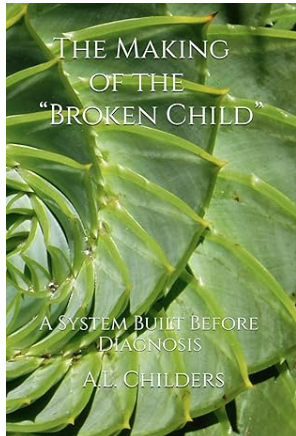






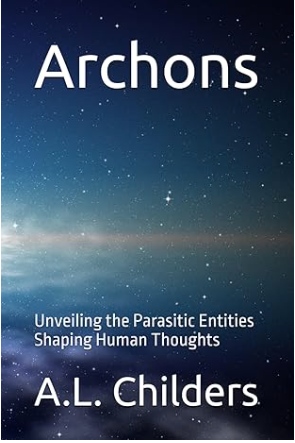




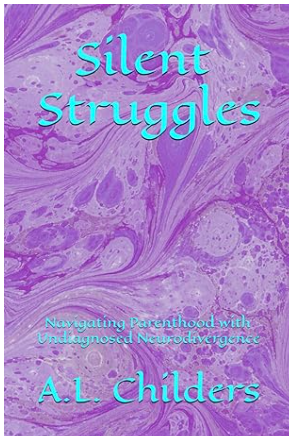


Leave a Reply