Did you know that it takes 26 seconds for the chemicals to enter into your bloodstream? Most commercial personal care products are full of endocrine disrupting chemicals that wreak havoc on our hormones. On average women use 9 personal care and cosmetic products per day and this can add up to a mixture up its about 126 different hormone disrupting chemicals and add this to the toxins you’re exposed to each day when you got out into the world. Over 1000 of these ingredients have already been banned in Europe but not here in the United States where our FDA has only banned 11 of those ingredients in our personal care products.
The real reality is we are damaging our DNA and we are changing our genetic makeup for future generations. There was a study a few years back that said the umbilical cord of an average American baby has over 200 known chemicals in it. Eighty percent of the common chemicals that are used daily in this country, we know almost nothing about. Our children are being born toxic and we have no idea if these toxins are already doing some sort of damage their brains, their immune system, their reproductive system, and any other developing organs.
Are we unknowingly setting ourselves up for failure in the womb, even before birth?
Scientists and researchers are concerned that many of these chemicals may be carcinogenic or wreak havoc with our hormones, our body’s regulating system.
Most products have a warning label that is typed in bold “Keep Out of Reach of Children”. As consumers, we believe that if our children don’t ingest these products they will not be harmed by them. This can be far from the truth. Think about other common methods of exposure are through the skin and our respiratory tract. WE are along with our children are often in contact with the chemical residues housecleaning products do leave behind, by crawling, lying and sitting on the freshly cleaned floor.
Scientists at Norway’s University of Bergen tracked 6,000 people, with an average age of 34 at the time of enrollment in the study, who used the cleaning products over a period of two decades, according to the research published in the American Thoracic Society’s American Journal of Respiratory and Critical Care Medicine.
We are creating a toxic shit storm within our very own bodies. The real reality is we are damaging our DNA and we are changing our genetic makeup for future generations. These chemicals in our body products, our food, our beverages, the vaccines and the pharmaceuticals create a breeding ground for sickness. Have you heard of gene mutation? It’s when the cells are changed by chemicals they are either damaged, lost or copied. These processed foods that are full of man-made chemicals, fluoridated municipal tap water, genetically modified foods, refined oils, herbicides like roundup, Artificial sweeteners, Vaccines and the yearly flu shot – often contain mercury, aluminum, formaldehyde and MSG, Pharmaceutical medications and a lot of the Pharmaceutical medications are loaded with fluoride, OTC (over-the-counter) medications for colds, allergies, headaches and fever – often contain heavy metal toxins, artificial sweeteners and toxic industrial-based food dyes. Let’s not forget to mention the over use of antibiotics, antacids, aspirin, and other nonsteroidal anti-inflammatory drugs (NSAIDS) which completely change the environment in our gut.
It’s not enough to be aware of all the outdoor chemicals that we are exposed to everyday but inside our homes we can have more power and control. We have to be more aware about using chemical cleaners, paints, glues, body lotions, toothpastes, underarm deodorants, hair products and pesticides. Instead start to begin to use products that don’t pollute our very own bodies. We must do our own research, make our own products or be a smarter shopper and start reading labels. I can’t stress this enough. We must take a stand for our health. Stop using commercial products that are laced with unknown and harmful body damaging products.
In my book, AWARENESS HAS MAGIC., you can also find many great recipes for alternative cleaning solutions, body lotions and anything for your house, mind or body.
According to a 2014 article in the journal Thyroid by the American Thyroid Association Task Force on Thyroid Hormone Replacement, these changes may include puffiness around the eyes or dry or coarse skin, for example.
The U.S. National Library of Medicine states that hypothyroidism can also cause symptoms like yellowish skin, skin that might seem thick and “doughy” with swelling, or dry or thinning hair. Many people struggle with weight gain, as well.
Homemade Deodorant
3 tbsp. virgin coconut oil
2 tbsp. shea butter
3 tbsp. baking soda
2 tbsp. cornstarch
5 drops essential oil of your choice
Mix baking soda and arrowroot together. Melt your coconut oil & shea butter in the microwave in a microwave-safe bowl. Mix all ingredients (the baking soda and arrowroot powder) with the oil. Pour into clean small mason jar. Add your essential oil to the mason jar; close with the lid. Give it a good shake to combine the essential oil with the other mixture. By doing it this way, you can still use that bowl to eat with. Once you mix that essential oil in the bowl, it can only be used for the purpose of making your deodorant. Everything you’ve used is edible except the essential oils. Let cool.
Sleepy time Goats Milk Bath 2 cups of powdered goat’s milk 2 cup of Epsom salt 1 cup of sea salt 2 cup of baking soda 10 drops of lavender essential oil Combine the dry ingredients and the lavender essential oil. Store in a closed container. When you are ready to take a bath add 1 cup of dry ingredients. (Kids can use up to 1/2 cup of the mixture). Bathe 3 times weekly, soaking for at least 12 minutes.
You can find several lines of natural, organic, phthalate- and chemical-free skin care products, including Rare Body line.
Some of the other popular organic skin care lines include:
Many popular brands of toothpaste contain a variety of chemicals, including triclosan, as well as thyroid-slowing fluoride, and the hormone-disruptor diethanolamine (DEA).
Natural Peppermint Toothpaste1/2 cup coconut oil3 Tablespoons of baking soda15 drops of peppermint food grade essential oilMelt to soften the coconut oil. Mix in other ingredients and stir well. Place your mixture into small glass jar. Allow it to cool completely. When ready to use just dip toothbrush in and scrape small amount onto bristles.
The FDA doesn’t regulate what ingredients go into makeup products or the labels that are placed on them. A lip gloss may be labeled “organic” or “all-natural,” but it could just be a marketing ploy. Manufacturers know that there is a higher demand for natural products these days, so they’ll do anything to convince consumers that what they’re selling is indeed natural. Sometimes these products only contain about 10 percent “natural” ingredients with the rest are those nasty ingredients that are full of toxins – toxins that could be linked to cancer and Alzheimer’s.
If you are needing to find a healthier alternative to Makeup Please look at my blog
Food is thy medicine, right? Actually, it can work one of two ways. Food can be thy medicine or food can be thy death. This book is a guide that will inform you from the perspective of a women. You will also be able to determine what areas in your life that may need a little bit of work and the skills needed to improve those issues along with some fabulous recipes to help get you started on how to eat KETO AIP. I will also help you understand how to fix your gut, strengthen your immunity and fight inflammation with an autoimmune approach. The Keto AIP removes all the common inflammatory food triggers that stimulate a possible autoimmune reaction in the body. We’re going to start resetting those adrenals, boosting that energy and doing a little booty kicking to those hormones that have decided to act like a wild college student and pull an all-nighter the day before final exams.
The Environmental Working Group maintains the helpful Skin Deep Cosmetics Database, rating the chemical content of thousands of different make-up, skin care, fragrances, hair, and oral care products.
The information and recipes contained in blog is based upon the research and the personal experiences of the author. It’s for entertainment purposes only. Every attempt has been made to provide accurate, up to date and reliable information. No warranties of any kind are expressed or implied. Readers acknowledge that the author is not engaging in the rendering of legal, financial, medical or professional advice. By reading this blog, the reader agrees that under no circumstance the author is not responsible for any loss, direct or indirect, which are incurred by using this information contained within this blog. Including but not limited to errors, omissions or inaccuracies. This blog is not intended as replacements from what your health care provider has suggested. The author is not responsible for any adverse effects or consequences resulting from the use of any of the suggestions, preparations or procedures discussed in this blog. All matters pertaining to your health should be supervised by a health care professional. I am not a doctor, or a medical professional. This blog is designed for as an educational and entertainment tool only. Please always check with your health practitioner before taking any vitamins, supplements, or herbs, as they may have side-effects, especially when combined with medications, alcohol, or other vitamins or supplements. Knowledge is power, educate yourself and find the answer to your health care needs. Wisdom is a wonderful thing to seek. I hope this blog will teach and encourage you to take leaps in your life to educate yourself for a happier & healthier life. You have to take ownership of your health. The highlighted links are affiliate links in my blogs.
References:
Aker A, Watkins D, Johns L, et al. Phenols and parabens in relation to reproductive and thyroid hormones in pregnant women. Environmental Research. 2016;151:30-37. doi:10.1016/j.envres.2016.07.002.
Koeppe E, Ferguson K, Colacino J, Meeker J. Relationship between urinary triclosan and paraben concentrations and serum thyroid measures in NHANES 2007–2008. Science of The Total Environment. 2013;445-446:299-305. doi:10.1016/j.scitotenv.2012.12.052.
Park C, Choi W, Hwang M, et al. Associations between urinary phthalate metabolites and bisphenol A levels, and serum thyroid hormones among the Korean adult population – Korean National Environmental Health Survey (KoNEHS) 2012–2014. Science of The Total Environment. 2017. doi:10.1016/j.scitotenv.2017.01.144.
Wang J, Pan L, Wu S, et al. Recent advances on endocrine disrupting effects of UV filters. International Journal of Environmental Research and Public Health. 2016;13(8):782. doi:10.3390/ijerph13080782.
Cold F, Health E, Disease H et al. Lipstick, Hair Dyes Raise Lupus Risk?. WebMD. 2017. Available at: http://www.webmd.com/lupus/news/20051117/lipstick-hair-dyes-raise-lupus-risk. Accessed June 29, 2017.
Wang J, Kay A, Fletcher J, Formica M, McAlindon T. Is lipstick associated with the development of systemic lupus erythematosus (SLE)?. Clinical Rheumatology. 2008;27(9):1183-1187. doi:10.1007/s10067-008-0937-6.
About the cover:
My first thought was…..
I constantly feel overweight, saggy and unattractive and my weight is nothing compared to Tess…
It suddenly makes me realize that often some of us are way too hard on ourselves.
And that I probably see myself as bigger than other people see me.
All I see when I look at Tess is confidence and a woman who feels secure about who she is.
I see a dynamic personality, power, an awesome spirit and a very exciting woman…
Good health or bad health …?
I think what makes you live longer is to be happy about who you are, no self hatred, no banging yourself over the head and be able to love yourself unconditionally….
Tess doesn’t inspire me to be a big girl like herself …
She inspires me to feel good about who I am and about the way I look….
I love attitude … I love HER attitude.
And btw: I never cared either what other people think about me or about my looks…
Its all about me and how I feel about me and my looks …
I am still gonna work on being in the shape I desire because it is important to ME.
But I am gonna be better at accepting myself as I am now because that ain’t that bad either.
You can read the full interview with Tess Holliday in the October 2018 issue of Cosmopolitan UK, out August 31.
We all have a finite amount of energy. This is how you invest it wisely.
There are three types of people. There are uplifting people, neutral people and not uplifting people. Let’s define what this is. An uplifting person, when you spend a few minutes with them you feel good about that time spent. A neutral person, when you spend a few minutes with them you feel the same. An not uplifting person, you spend a few minutes with them and you walk away feeling that was complete exhaustion.
We all get super busy in this thing called life. Sometimes we lose a little piece of ourselves traveling back in fourth. Most 30 day challenges require you to purchase a supplements, work out attire, a book or other items in order to be a part of it. You won’t find that here. Some 30 days challenges (mostly in regards to nutrition) tell you to avoid a certain foods or entire food groups. You wont find that with this 30 day challenge. No one can live off of cabbage soup are endless amounts of lemon water. Seriously, I’ve heard of all kinds of 30 days gimmicks that are really hard-to-do! I believe in the power of change. I also liked to be challenged in small ways that are attainable and be able to stick to these changes in my life. Trying a new idea each day isn’t that difficult. Allow this list to help you open up your mind to new possibilities and a new way of being. I’ve tried everything and this list seems to work for me. Honestly, after all, it takes approximately 30 days to break a bad habit and create new more positive change that can last.
Mindfulness Meditate for 10 Minutes per Day
Write down 10 things you’re truly grateful
Do something that calms you down for 10 minutes a day
Do something that makes you smile for 10 minutes per day
Get out in the sun for 20 minutes per day
Jump on a mini trampoline for 20 minutes
Try to get in 10,000 steps per day
Eat Breakfast
Start reading a new inspirational book
Make a homemade freshener
Call someone that you haven’t spoken to in awhile
Write down something sexy about yourself
Watch an old movie that made you laugh as a teenager
Spray your bed with a homemade lavender scented spray
Get your mind in a great place first, and it makes everything else much easier.
Each day people will offer you advice and their opinions but what you need to know is they can only understand from the paths that they have walked and their experiences up until that moment. This doesn’t make it wrong but you have to listen with open ears. Life is not a singular vision!
Try to seek a room full of “different” minded people, for no one grows when they sit in a room full of “like” minded ones! Most people have crippled themselves by their own limitations and try to impose that view on you. You will find that people are often unreasonable, irrational and self centered.
The good you do today, will often be forgotten. Do good anyways. Give the best you have, and it may never be enough but give your best anyways. What you may spend years creating others could destroy it overnight. keep in mind, it has always been between you and GOD. It was never between you and them anyways.
Do not undermine your worth by comparing yourself with others.
Be more concerned with your character than your reputation, because your character is what you really are, while your reputation is merely what others think you are.
You have to be a independent thinker. Think for yourself. It’s okay to listen to other peoples wisdom but keep in mind they are limited from their own experiences. You have to form your own opinions and ideals. This is a trait of a leader.
Question everything! Some people are very persuasive and have the uncanny ability to have you leaning toward their way of thinking.
Keep Integrity. Having a good strong quality of being honest along with having strong moral principles.
You are valuable. Value yourself enough to walk away from a bad situation, value yourself enough to walk away from a person who doesn’t love you the same.
Respect your body. Move your body and feed it good nourishment. What you put in to it and how you treat it will come back to you.
You are enough! There is only one you and you are very unique and wonderful. Embellish who you are.
Spend less than you earn. If you can’t pay cash for it then you don’t need it unless its a house or a car.
Don’t seek happiness through drugs, alcohol, sex and fake friends.
Life is short. Find what brings you joy in life. Make the most of your life by doing what you love and give it all you got.
Believe anything is possible.
.You are the creator of possibility in your life so, follow your dreams.
Kindness goes a long way.
You will fall. It’s how you get up that counts. Never give up.
No matter what happens good or bad life is about moving forward.
The world owes you nothing.
Hold fast to the adventure that life has to bring.
Being grateful will open your eyes and unlock many things in your life.
Don’t follow the crowd and never be afraid to be different and do what is right.
Don’t give your emotional power to someone else. Don’t let another steal your joy.
. Time is Precious. Be mindful of how you spend it. Where you spend it. Who you spend it with and how you waste it. It is one of the greatest gifts bestowed upon us and the greatest gift we can give another person.
Don’t ever go with the flow , be the flow.
Close your mouth and open your ears Better to listen, learn and hear.
Try to always be nice to others. You never know what kind of day they’re having. A smile is always a free thing to bestow upon another person.
Always speak words of good to yourself. Never speak negative or bad about yourself because your mind is listening.
Remember when you get married , your marrying not on that person but the entire family.
Enjoy every day as a gift and never let loved ones in doubt of how much they mean to you.
Not everyone you meet will like you. Who cares they weren’t your cup of tea anyways.
Try to be humble, kind, and confident in who you are.
Take no shit.
Never tell people about your lifestyle. There are certain details about your personality such as; your sex life, religious life, overcoming a bad habit, pretty much anything that might concern the world. People will hold things against you or use it against you. Sometimes its just not worth the emotional stress to tell people your business.
Never air out your family’s dirty laundry for the world to see. People will gossip and twist things you say. It really disrespectful and not to smart to let others know the conflicts that are within your family. It also devalues you, your family. The stories that you tell are usually passed on by the people you told to some other friends of theirs and this can make the issue worse if it gets back to the person in your family that you were talking about. If you have issues in your household its best to resolve them at home.
I want to thank you for reading my latest blog. Please let me know if you need any support with it.
Otherwise, are we friends on Facebook yet? If not let’s do that now, healing Hypothyroidism. I like to connect on a more personal level there and often; offer social media only products that can only be accessed on my page and share daily updates along with recipes. Remember sharing is caring. Please share and post a comment to this blog! I would love to hear from you. Sign up for my blogs @ thehypothyroidismchick.com . You can also Follow me on instagram @ Thyroidismchick or Follow me on twitter @Thyroidismchick.
In many of my books, you will find everything you need to know about healing your hypothyroidism. The guess work has been taken out. I can assure you that even in the toughest cases, you can heal your thyroid.
Your health doesn’t have to be a difficult situation but a positive realization that things need to change. This new lifestyle change has many parts to it and I hope you will embrace not only the physical but the spiritual awakening. Common food intolerances that are known to trigger inflammation are eliminated in this Keto AIP protocol are Nightshades, Eggs, Grains (gluten), Dairy, Legumes, Corn, Soy, Dairy and lectins.
Food is thy medicine, right? Actually, it can work one of two ways. Food can be thy medicine or food can be thy death. This book is a guide that will inform you from the perspective of a women. You will also be able to determine what areas in your life that may need a little bit of work and the skills needed to improve those issues along with some fabulous recipes to help get you started on how to eat KETO AIP. I will also help you understand how to fix your gut, strengthen your immunity and fight inflammation with an autoimmune approach. The Keto AIP removes all the common inflammatory food triggers that stimulate a possible autoimmune reaction in the body. We’re going to start resetting those adrenals, boosting that energy and doing a little booty kicking to those hormones that have decided to act like a wild college student and pull an all-nighter the day before final exams.
When it comes down to it, the proper diet for our thyroid is one that has balance. We need to constantly be incorporating a healthy amount of the three major sources of macronutrients:
Proteins
Fats
Healthy Carbohydrates
The mix here is important, and by purchasing my book A survivors cookbook guide to kicking hypothyroidism booty, I will show you exactly how and what you should be working each day into your diet so that you start healing your health. Break that cycle today, start eating to cater to your thyroid and replenish your life.
We need to be kind to ourselves. Give our bodies a fighting chance. If you constantly feed your body crap then you are making it susceptible to inflammation, virus’s and disease. I want to help you become successful in your healthy journey by applying the empowering techniques many of my blogs have to offer. This article has been written by a person who has had real struggles with a hypothyroidism but has worked through them. I am going to “keep it real” with you.
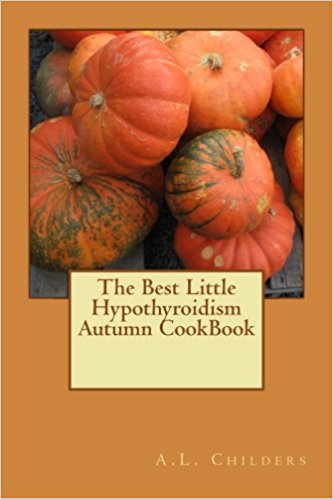
Finally a Holiday cookbook that will have you sincerely appreciating all the hard work that I put into creating it. This cookbook not only has recipes that caters to your hypothyroidism but the recipes are extremely easy to prepare while still being delicious as they promote your health, help you begin to heal, and you’re eating cleaner on top of it all. These recipes can be used year-round not only around the holidays and will be a great addition to your library. I hope you find this Holiday book a godsend to the particularly crazy holiday season. This book includes a good variety of recipes that I know you will find to be delicious, full of flavor, healthy and just perfect for your Thanksgiving and Christmas dinner table. From appetizers to main meals, side dishes and desserts these recipes are just wonderfully delicious. I am not kidding when I tell you that the recipe options in this book are endless and you won’t be disappointed! You will be able to find that perfect recipe in this book that makes your taste buds soar, fits your dietary needs and has your family bragging on your cooking skills. They may even think you secretly took lessons from Gordon Ramsay or Julia Childs
There’s nothing like the aroma of a home-cooked dinner welcoming you at the door. No time to be in the kitchen? The wonderful thing about a crock pot is you have little prep time. You won’t have to stand over a hot stove cooking your food and it’s perfect for those hectic days. We all want that convenience! Do you need foods that promote thyroid health? You can start today healing your body from the inside out. Over 101 wholesome and nourishing Hashimoto’s fighting recipes that will cater to your mind, body and soul. This helpful book will start to guide you in the right direction along with a step by step plan that is clear and doable.
It’s not about being skinny, it’s about energy, vitality & feeling good when you look in the mirror.
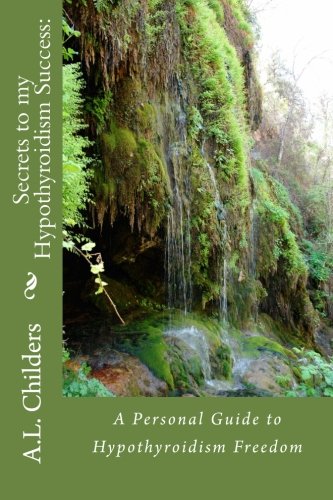
This book thanks everyone suffering from hypothyroidism and looking for answers. Hypothyroidism is the kind of disease that carries a bit of mystery with it. This book is not for readers looking for quick answers. There is not one size fits all. You have to be in charge of your health. I didn’t write this book to sell you any “snake oil” in a bottle. I’ve written this book to be an eye opener for you and to share with you what I have learned on my journey. The solutions in this book has helped so many people. There are many incredible holistic practitioners, authors and researchers with experience and expertise in this area. I’ve done my best to pull from all their expertise, as well as my own knowledge and clinical experience. I want to make it easy for you to find the answers quickly, all in the one place, because I’m all too familiar with that awful side effects of hypothyroidism. I certainly don’t want you to have to spend years finding solutions, like I did. I also what you to understand that there isn’t an easy “one pill” solution, but the “one pill” approach that our current medical system is using is NOT WORKING because the underlying cause for hypothyroidism is not being addressed. Get ready to go on a journey of discovery where you are going to learn how everything ties into one. A lack of knowledge is a lack of power.
Disclaimer
The information and recipes contained in blog is based upon the research and the personal experiences of the author. It’s for entertainment purposes only. Every attempt has been made to provide accurate, up to date and reliable information. No warranties of any kind are expressed or implied. Readers acknowledge that the author is not engaging in the rendering of legal, financial, medical or professional advice. By reading this blog, the reader agrees that under no circumstance the author is not responsible for any loss, direct or indirect, which are incurred by using this information contained within this blog. Including but not limited to errors, omissions or inaccuracies. This blog is not intended as replacements from what your health care provider has suggested. The author is not responsible for any adverse effects or consequences resulting from the use of any of the suggestions, preparations or procedures discussed in this blog. All matters pertaining to your health should be supervised by a health care professional. I am not a doctor, or a medical professional. This blog is designed for as an educational and entertainment tool only. Please always check with your health practitioner before taking any vitamins, supplements, or herbs, as they may have side-effects, especially when combined with medications, alcohol, or other vitamins or supplements. Knowledge is power, educate yourself and find the answer to your health care needs. Wisdom is a wonderful thing to seek. I hope this blog will teach and encourage you to take leaps in your life to educate yourself for a happier & healthier life. You have to take ownership of your health
I’m allergic to myself, in theory. Being diagnosed with Hypothyroidism and later Hashimoto’s hasn’t been a walk in the park. My entire body is at the mercy of my thyroid from weight loss to extreme fatigue. My body immune system is attacking my thyroid gland – as if it was foreign tissue and my immune systems ultimate goal is to eventually , completely destroy my thyroid gland.
Some days It seemed that I could muster up enough energy to take a shower, put on clean night clothes and lay back down in bed for the rest of the day watching Netflix on my days off from work.
I have tried it all from calorie counting, intermittent fasting, exercising every single day, not eating past a certain time, crash diets, starvation, low calorie diets and most importantly having unrealistic expectations.
I didn’t know that by eating a lower calorie diet this caused my body to become deficient in macro and micronutrients and inadvertently sending my body a message that I may be in famine therefore for my body to protect itself from dying it slowed down my metabolism in an effort to run on fewer calories to make sure that I didn’t starve. Which of course made my weight loss even harder and I was literally fighting against my own self.
Mentally I was exhausted from putting myself under so much pressure to be that thin girl again that I was before this disorder drastically changed my life. My weight seemed out of control and I was certainly struggling with it all.
When a person has hypothyroidism or Hashimoto’s losing weight isn’t about self control, hard work, or willpower it’s about self love, rest, addressing digestive issues ( leaky gut), finding out what nutritional deficiencies you may have, not punishing your body with to much exercise , fixing adrenal fatigue, avoiding Endocrine Disrupting Chemicals, adding needed supplements, addressing any food allergies, removing inflammatory foods, getting plenty of sleep, staying hydrated and eating real nutrient based foods that heal your body. You see our bodies need the proper nutrients to heal and thrive.
I stopped trying to lose weight and started to gain my health back by doing the needed things that above.
Let’s go over way you can start to regain your health back.
1.How do you avoid Endocrine Disrupting Chemicals?
Reduce Your Toxic Burden
These are commonly found in items like antibacterial soap, deodorant, lotions, and makeup. These things are poisonous. Your skin is the largest organ in the body. Whatever you put on your skin goes into your body. I can’t preach this enough. If you can’t eat it, then don’t apply it to your skin. I understand this might not be 100% doable but every little bit helps your body. Everyday we are exposed to a huge number of chemical toxins without our own doing. It’s in our water, the pollution in our air, the insecticides and herbicides that are is sprayed on our food and the chemicals that are spray on our lawns.
Environmental chemicals and toxins, pesticides, BPA, thyroid endocrine disruptors, iodine imbalance, other medications, fluoride, overuse of soy products, cigarette smoking, and gluten intolerance. All of these play a very important role in your thyroid health. A nonprofit group called Beyond Pesticides warns that some 60 percent of pesticides used today have been shown to affect the thyroid gland’s production of T3 and T4 hormones. Commercially available insecticides and fungicides have also been involved. Even dental x-rays have been linked to an increased risk of thyroid disorders.
Homemade Deodorant
3 tbsp virgin coconut oil
2 tbsp shea butter
3 tbsp baking soda
2 tbsp cornstarch
5 drops essential oil of your choice
Mix baking soda and arrowroot together. Melt your coconut oil & shea butter in the microwave in a microwave-safe bowl. Mix all ingredients (the baking soda and arrowroot powder) with the oil. Pour into clean small mason jar. Add your essential oil to the mason jar; close with the lid. Give it a good shake to combine the essential oil with the other mixture. By doing it this way, you can still use that bowl to eat with. Once you mix that essential oil in the bowl, it can only be used for the purpose of making your deodorant. Everything you’ve used is edible except the essential oils. Let cool.
Melt to soften the coconut oil. Mix in other ingredients and stir well. Place your mixture into small glass jar. Allow it to cool completely. When ready to use just dip toothbrush in and scrape small amount onto bristles.
** Start making your own all natural Cleaning Supplies.
Lets talk about doing that right now…
Here are several tips you can start doing today to ACTIVELY avoid these chemicals that are likely interfering with your thyroid function:
1. Stop Touching Receipts
Receipts have Bisphenol-A (a known thyroid blocker) that is absorbed through the skin whenever you touch one. From here on out ask the cashier to put the receipt in the bag.
2. Drink out of Glass Containers/Cups
Avoid plastic containers, Water bottles and Canned foods. These contain BPA and/or Aluminum.
3. Drink Filtered Water Only:
Get a reverse osmosis filter for your home if possible. But remember that ANY filter is better than no filter, so just get something.
4. Avoid Plastic Whenever Possible
This means plastic toys, food stored in plastic, food wrapped in plastic, etc. And never reheat or microwave food stored in plastic (this causes more chemicals to leach out).
5. Say No to Hand-me-Down Plastic Toys
Soft rubber manufactured before 2009 is made with Phthalates (another known thyroid blocker). This would be things like rubber duckies, not hard legos made of plastic.
6. Eat Organic Food and Grass-Fed Meats, if you Tolerate Dairy Make Sure it is Organic or Fermented
Or better yet just ditch the dairy because it’s probably causing inflammation in your body. But at least make sure to buy organic whenever you can.
7. Avoid Fragrance
If you see the word “fragrance” or “parfum” on the label, run the other way. This is code word for Phthalates.
8. Check your Cosmetics for Chemicals
Use the resource Skin Deep by the Environmental Working Group to grade your cosmetics based on how many hidden chemicals they have.
In my book Awareness has Magic, I will teach you have to how to blend oils and natural scents where you can make body butters, lip balms, rose water, body butters, anti-aging facial creams, shampoo’s, detox baths, Vanilla grapefruit linen spray, Kombucha deodorant, toothpastes, non-toxic cleaning recipes and many, many other wonderful things.
Not to mention YOU’LL ALSO LEARN ESSENTIAL OIL BLEND RECIPES. Awareness has Magic: Creating a Healthy Hypothyroidism Mind, body and Spirit Home life
1/2 teaspoon Maluka honey ( find maluka honey here)
2 drops of organic lemon essential oil ( find lemon essential oil here)
Directions
Place all ingredients in a glass jar. Bring a pot filled about 3-4 inches with water to a simmer. Put the jar, without its lid, in the pot, and let it sit there until the ingredients have melted. Stir occasionally. Once the mixture has melted and all is evenly combined, pour it into a small glass jar. Let it sit at room temperature until the cream hardens, close the jar’s lid, and store in a cool place. Apply morning and night after washing.
2.How do you practice self love when your body doesn’t love you back?
Start educating yourself about your disorder.
Practice healthy habits like eating nutrient based foods and exercising regularly
Making time to take care of yourself and do activities you enjoy — whether it’s doing yoga, meditating, gardening, reading a good book, or socializing with friends — this can help relieve stress associated with managing a chronic condition like hypothyroidism.
Practice positive self-talk. Be gentle and encouraging in your thoughts to yourself. Stop the self hatred. There is only one your and love who you are. If there is something about yourself you want to improve then great. Work on that.
Researchers at the Mayo Clinic found that positive thinking can lead to an optimistic outlook on life and has many health benefits, including decreased depression, better psychological and physical well-being, and improved coping skills in tough times.
Join a support group. Surround yourself with people who understand what you’re going through can help you that you are not alone and can help guard against feelings of isolation.
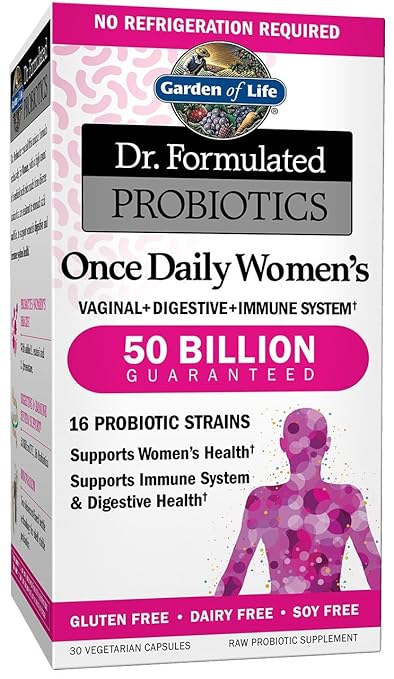
Probiotics can help to begin repairing the lining in your gut. This also aids in helping to balance your hormones. if someone has leaky gut syndrome it allows undigested food particles to leak through your gut into your bloodstream and in return creates disease-causing inflammation that will have a impact on your body — especially your thyroid glands where they are very susceptible to inflammation. Did you know that your gut is the largest component of your immune system? It introduces friendly bacteria into your digestive system that helps to keep illness’s at bay and they are rich in live bacteria that help us absorb nutrients along with maintain proper microbiome gut balance. Research has proven that gut health could affect inflammation, allergies and autoimmune disorders in the body as a whole. Around 1,000 different species of bugs live in your gut. Your gut has been linked to contributing to weight loss and for overall improvement of numerous symptoms, including depression, anxiety, brain fog, skin problems, hormonal issues, immune weaknesses, digestive problems, and fatigue.
Gut-Healing Vegetable Broth
12cups filtered water
1tbspcoconut oil
1red onion, peeled and cut in half
1garlic bulbsmashed
1chilli pepperroughly chopped
1thumb-sized piece ofgingerroughly chopped
2cups of watercress
3-4cupmixed chopped vegetables and peelingsI used carrot peelings, red cabbage, fresh mushrooms, leeks and celery
1/2cupdried shiitake mushrooms
1/4 of a cupdried wakame seaweed
1tbsppeppercorns
2tbspground turmeric
1tbsp organic apple cider vinegar
A bunch of fresh parsley
Simply add everything to a large pot. Bring to a boil then simmer, with the lid on, for about an hour.
Once everything has been cooked down, strain the liquid into a large bowl.
Natural Probiotics
There are different types of probiotics. Some are pills, powders, or capsules that contain billions of live bacteria and will help to replenish your microbiome. Fermented foods are more of a nature type of probiotic. They carry live bacteria plus many other crucial nutrients. Many cultures all around the world has its own recipes for fermented foods.
If you allergic to certain foods it is will involve your the immune system. Your know that your immune system controls how your body defends itself. Your body see’s inflammatory foods as invaders and will kick in your autoimmunity responses. For example if you have a food allergy to cow’s milk, your immune system will see cow’s milk as an invader. In-return your immune system overreacts by producing antibodies called Immunoglobulin E (IgE). These antibodies travel to cells that release chemicals, causing an allergic reaction to start fighting for your body. Being tested for food allergies seems to be easiest way to check to see if you have any food allergies so you can start avoiding these foods and help your immune system become strong again.
Avoiding Food Allergens*
Many people are unaware that certain foods are actually working against their bodies. You should see a specialist and be tested to ensure you have no food allergies. Your lymphatic system can also be affected by your gut. If your gut is inflamed and not healed this is taxing on your immune system which in return is taxing on your lymphatic system. Consider adding prebiotics and probiotics to help support gut health along with eating properly and avoiding these common food allergens. In this book, you will find all the recipes have been created and catered around these common food allergens along with being Keto. I’ve taken them out. After 1 month you can slowly add some back in and see how you react. This certainly wasn’t an easy task but one that I am most proud of.
Common food allergens that can contribute to an inflamed gut are:
Your adrenals produce over 50 hormones that tell almost every bodily function what they need to be doing. These hormones affect every function, organ and tissue in the body. Eating refined foods and sugars will cause a spike in your blood sugar levels, which in return cause the body to release insulin and as a result the adrenal glands will release more cortisol. When your adrenal glands are compromised this puts your body in a catabolic state. Which means your body is breaking down. Since your thyroid glands controls the metabolic activity of the body, it will attempt to slow down the catabolic state by slowing down your metabolism. Many of the foods that I had been eating blocked nutrients from being absorbed such as whole grain bread, beans and tofu/soy products. These foods also created inflammation in my digestive tract. When there is inflammation in the digestive system undigested proteins leak into the blood stream creating a heightened immune reaction that often exacerbates thyroid issues. I had to focus more on eating the most nutrient dense foods possible and find my trigger food sensitivities. lastly, eliminate all processed food, high carbohydrates, gluten, corn, soy and sugar, plan meals around protein and healthy fats then load up my plate with vegetables.
I had to start eating nutrient-dense foods that were easy to digest and have healing qualities such as
Coconut Flour, Almond Flour , hemp seeds and Chia seeds
ghee
bone broth
6.Reduce your inflammation
Chronic inflammation can spread and have more harmful effects than just one area in your body. Your body can experience things like higher blood pressure , allergies, create autoimmune issues, experience joint pain, cause heart problems, harmful swelling, bone loss, it can lower your iron levels and it just have a negative impact on your entire well-being. Did you know that chronic inflammation can also raise your reverse T3, which means this might be the reason why your hypothyroidism was created in the 1st place. We must get the inflammation under control. Cut out foods like gluten, sugar, refined carbs, fake foods, soy, and vegetable oils and add in fresh whole fruits, healthy fats and fiber. Start creating your own body lotions and cleaning supplies.
In all honesty, there is no one “best” way to lose weight — what works for you might not work for someone else. Understand that you’re worth more than others perception of you, and that weight is literally just a number. You are so much more than just a illness.
What tests should I have ran for my thyroid?
Basic Thyroid Panel:
1). TSH: for diagnosis of hypopituitary, NOT to diagnose or dose your hypothyroidism (unless it’s high). If you allow a doctor to diagnose or dose you by this lab test and range i.e. to say you are normal simply because it’s in range or below 10…you could still be hypothyroid.
2). Free T4 and Free T3 (note “FREE”–important since it measures what is unbound and available.)
3). Reverse T3: to be done at the same time you do the Free T3. Then calculate your ratio with the results and measurements.
4). Thyroid Antibodies: anti-TPO and TgAb will help diagnosis Hashimotos. You need BOTH, not just one of them. You can add TRAb and TSI for the Graves antibodies–some people have all three.
5). Four iron labs: Ferritin, % Saturation, TIBC and serum iron (sometimes the latter will just say Iron, or total iron). A high ferritin can also point to inflammation. Up to five days off iron supplements is necessary to see what your body is holding onto.
6). Adrenal Cortisol levels: Saliva, NOT blood. Blood is measuring both bound and unbound cortisol and does NOT give results you can go by. You’ll need to be off all cortisol-containing supplements for two weeks before testing.
7). B-12 and Folate
You NEED to have your Vitamins and MINERALS checked.
8). Magnesium and Potassium, plus Calcium, Sodium, Glucose, etc (All the latter are part of the Comprehensive Metabolic Profile–CMP blood test. You can also ask for the RBC (Red Blood Cell) versions of Mag. and Pot, which measures cellular levels. For potassium, make sure the rubber tourniquet is not left on more than 60 seconds, says this study. Also note that the Buccal Mg lab test is finally available and seems to be more correlated to cardiac health than RBC Mg, but is expensive and not always easy to get.) You will want to be off these mineral supplements for several days so you can measure what your body is hanging onto.
9). Vitamin D3 (25-hydroxyvitamin D lab test) and read why you may need another Vitamin D test.
10). Sex hormones: progesterone, estrogen, testosterone, etc. (If you are a woman who is still menstruating, the reproductive hormones should be tested 19 to 21 days past the first day of your last period)
11). MTHFR gene: if you have high levels of mercury, copper, lead, iron or B12 and/or a strong family history of cancer, heart disease, stroke, miscarriages, IBS. 60% of the population has a MTHFR mutation. It will help guide you in your treatment.
PLUS: others your doctor may recommend, including tests for Lyme disease, heavy metals, Candida, food sensitivity, etc.
Ultrasound of the thyroid gland
Our issues are H.A.T. – hormones, adrenals and thyroid. You MUST treat your adrenals before your thyroid meds will work. When one is out of balance, it can throw the others out of balance
**If your iron, ferritin, Vit D, Vit B12 are too low, you may have trouble with thyroid hormone replacement. They need to be in optimal ranges for your body to tolerate and utilize thyroid hormone properly.
***Low or high cortisol (adrenal hormone) can present a problem as well. Cortisol levels should be at the highest when you wake in the morning and gradually come down throughout the day, with the lowest level between 10 and midnight. A 8-9am and 4-5pm serum cortisol test is recommended. A 24 hour saliva cortisol test is best. Reproductive hormones also need to be balanced. Low cortisol is a sign of low T3.
10 Monitoring Tests You May Need if You Have Hypothyroidism To keep on top of other aspects of your health, consider talking with your doctor about these 10 tests, most of which use blood or urine samples:
1. Lipid panel. This test looks at the lipids, or fats, in your blood. People with hypothyroidism may have elevated total and LDL cholesterol levels. Total cholesterol, which includes your good HDL cholesterol, should be below 200 milligrams per deciliter (mg/dL) and LDL cholesterol below 130 mg/dL. If your cholesterol is high when you start thyroid treatment, your doctor might test again after thyroid hormone levels stabilize. “A lot of patients with high cholesterol can have their cholesterol reduced just by treating their thyroid,” says David Borenstein, MD, an integrative medicine physician in private practice at Manhattan Integrative Medicine in New York City.
2. Complete blood count (CBC).“With more severe hypothyroid disease, you are at risk for mild anemia and bleeding problems, and that can have an effect on clotting factors and platelets,” says Dr. Smallridge. A CBC examines five blood components with the following normal ranges:
Red blood cell count: 3.9-5.69 millions per cubic milliliter
Hemoglobin: 12.6-16.1 grams/dL
Hematocrit: 38-47.7 percent
White blood cell count: 3.3-8.7 thousands per cubic milliliter
Platelet count: 147-347 thousands per cubic milliliter
3. Liver enzyme exam. Liver function tests check on the health of this organ. Not only does the liver play a role in the chemical process that develops thyroid hormones, but untreated hypothyroidism can cause problems in liver function over time. Additionally, sometimes people with hypothyroidism also have liver problems that need attention. The results of a liver panel test can’t diagnose a condition, but the pattern of results along with symptoms will help your doctor decide on any next steps. This blood test can look at alanine aminotransferase(ALT), alkaline phosphatase (ALP), bilirubin, albumin, total protein, gamma-glutamyl transferase (GGT), lactate dehydrogenase, and prothrombin time.
4. Prolactin test. This hormone stimulates lactation, or breast milk — and people with hypothyroidism often have increased prolactin levels. Normal levels for women who are not pregnant are 0 to 20 nanograms per milliliter (ng/mL) and for men,0 to 15 ng/mL. Because galactorrhea (spontaneously producing breast milk)improves with thyroid treatment, your doctor might not test for this unless the problem persists.
5. Vitamin B12 test. Your doctor may test your levels of B12 and other B vitamins because they playa role in managing thyroid hormones, Dr. Borenstein says. B12 deficiency also can be related to anemia. Reference ranges can vary widely. Talk to your doctor about your lab results.
6. Vitamin D check. Early research has shown a correlation between hypothyroidism and vitamin D deficiency. The two conditions could be separate conditions occurring at the same time or contributing to one another — researchers don’t understand the relationship yet. However, your doctor might want to check on your vitamin D levels as well. A 25-hydroxyvitamin D level of 20 nanograms per deciliter or greater is necessary for skeletal health. Some doctors recommend a level of 20-40 nanograms per deciliter, while others recommend 60-70.
7. Sodium test. Sodium (salt)is essential to your body’s management of water or fluids. Normal sodium bloodt est results are 135 to 145 milliequivalents per liter (meq/L), but sodium levels might be lower than normal with hypothyroidism.
8. Magnesium check. People with hypothyroidism and certain other deficiencies might also have too little magnesium, an essential mineral. Normal blood test results are 1.8 to3.0 mg/dL.
9. C-reactive protein (CRP) test. This test measures inflammation in your body. Most people who are not fighting off an infection or living with an inflammatory condition have low levels of CRP. Increasing levels suggest increased inflammation in your body. An integrative medicine specialist might want to address overall inflammation with changes in diet and lifestyle in addition to thyroid treatment.
10. Sleep disorder testing. You also may need sleep testing in addition to lab tests. Sleep apnea and disordered sleep can result from hypothyroidism, says Claudia Cooke, MD, an integrative medicine specialist in private practice in New York City. This is because hypothyroidism can affect the tongue’s mobility, causing it to block breathing at night. A sleep study can help you find out if this is an issue by monitoring your sleep in a sleep lab or at home using portable equipment. This test could be warranted if you’ve had thyroid treatment and your TSH levels are acceptable and stable, yet you wake up tired, feel tired during the day, and your bed partner tells you that you’re snoring considerably.
When you go to the new doc take these with you:
A list of your FAMILY history (Mother, father, grand parents. If you have cousins with Autoimmune Diseases add them to the list)
A list of YOUR medical history
A list of what you are taking currently (take the bottles too)
A list of your symptoms, ALL of them A copy of your labs IF they are recent
A list of what you would like to talk about (that’s so you don’t forget)
A list of tests you would like done.
***** Keep these lists saved in your computer so you can easily update them. I suggest saving them with the DATE in the name of the file.
RE: MedicationsIAmTaking09.08.14.doc
FamilyHistory09.08.14.doc
MySymptoms09.08.14.doc
Call the new physicians office and be SURE they do FT3 before you even go. If they don’t, do not waste your money or co-pay.
I don’t know where to start.”
Hang in there. This wont happen overnight.
I know, there is so much information overload that most people are confused as to where to start. You can start by taking ownership of your health. I wanted you to understand or get a idea of how everything has a part to play in your body. I am on a path to help you, lead you and inform you through this terrible illness. Being diagnosed with hypothyroidism isn’t just here take this pill and it will fix your issues. Hypothyroidism has a root cause. Once you start addressing the root of your problems then your body can start healing itself. Your body is an awesome design but there is a complex balance between everything. It’s a domino affect. If you have something in your body that is overworked it will cause a major shift in your body. Don’t worry the good news is it can be healed.
I want to thank you for reading my latest blog. Please let me know if you need any support with it.
Otherwise, are we friends on Facebook yet? If not let’s do that now, healing Hypothyroidism. I like to connect on a more personal level there and often; offer social media only products that can only be accessed on my page and share daily updates along with recipes. Remember sharing is caring. Please share and post a comment to this blog! I would love to hear from you. Sign up for my blogs @ thehypothyroidismchick.com . You can also Follow me on instagram @ Thyroidismchick or Follow me on twitter @Thyroidismchick.
The information and recipes contained in blog is based upon the research and the personal experiences of the author. It’s for entertainment purposes only. Every attempt has been made to provide accurate, up to date and reliable information. No warranties of any kind are expressed or implied. Readers acknowledge that the author is not engaging in the rendering of legal, financial, medical or professional advice. By reading this blog, the reader agrees that under no circumstance the author is not responsible for any loss, direct or indirect, which are incurred by using this information contained within this blog. Including but not limited to errors, omissions or inaccuracies. This blog is not intended as replacements from what your health care provider has suggested. The author is not responsible for any adverse effects or consequences resulting from the use of any of the suggestions, preparations or procedures discussed in this blog. All matters pertaining to your health should be supervised by a health care professional. I am not a doctor, or a medical professional. This blog is designed for as an educational and entertainment tool only. Please always check with your health practitioner before taking any vitamins, supplements, or herbs, as they may have side-effects, especially when combined with medications, alcohol, or other vitamins or supplements. Knowledge is power, educate yourself and find the answer to your health care needs. Wisdom is a wonderful thing to seek. I hope this blog will teach and encourage you to take leaps in your life to educate yourself for a happier & healthier life. You have to take ownership of your health.
J. Karovičová, Milan Drdák, Gabriel Greif, & Hybenová E (1999). The choice of strains of Lactobacillus species for the lactic acid fermentation of vegetable juices. European Food Research and Technology 210(1):53-56. DOI: 10.1007/s002170050532
Quigley L, et al. (2011). Molecular approaches to analysing the microbial composition of raw milk and raw milk cheese. International Journal of Food Microbiology 150(2-3):81-94. PMID 21868118
Donovan SM & Shamir R (2014). Introduction to the yogurt in nutrition initiative and the First Global Summit on the health effects of yogurt. The American Journal of Clinical Nutrition 99(5 Suppl):1209S-1211S. PMID 24646825
Beermann C & Hartung J (2013). Physiological properties of milk ingredients released by fermentation. Food & Function 4(2):185-199. PMID 23111492
Hennessy AA, et al. (2012). The production of conjugated alpha-linolenic, gamma-linolenic and stearidonic acids by strains of bifidobacteria and propionibacteria. Lipids 47(3):313-327. PMID 22160449
Parvez S, Malik KA, Ah Kang S, & Kim HY (2006). Probiotics and their fermented food products are beneficial for health. Journal of Applied Microbiology 100(6):1171-1185. PMID 16696665
Padilla B, et al. (2012). Evaluation of oligosaccharide synthesis from lactose and lactulose using beta-galactosidases from Kluyveromyces isolated from artisanal cheeses. Journal of Agricultural and Food Chemistry 60(20):5134-5141. PMID 22559148
USDA ARS (2013). USDA national nutrient database for standard reference, release 26. Nutrient Data Laboratory homepage.
Wang H, Livingston KA, Fox CS, Meigs JB, & Jacques PF (2013). Yogurt consumption is associated with better diet quality and metabolic profile in American men and women. Nutrition Research 33(1):18-26. PMID 23351406
Adolfsson O, Meydani SN, & Russel RM (2004). Yogurt and gut function. The American Journal of Clinical Nutrition 80:245-256. PMID 15277142
Keszei AP, Schouten LJ, Goldbohm RA, & van den Brandt PA (2010). Dairy intake and the risk of bladder cancer in the Netherlands Cohort Study on Diet and Cancer. American Journal of Epidemiology 171(4):436-446. PMID 20042437
Sonestedt E, et al. (2011). Dairy products and its association with incidence of cardiovascular disease: the Malmo diet and cancer cohort. European journal of epidemiology 26(8):609-618. PMID 21660519
Adegboye AR, et al. (2012). Intake of dairy products in relation to periodontitis in older Danish adults. Nutrients 4(9):1219-1229. PMID 23112910
Siddappa V, Nanjegowda DK, & Viswanath P (2012). Occurrence of aflatoxin M(1) in some samples of UHT, raw & pasteurized milk from Indian states of Karnataka and Tamilnadu. Food and Chemical Toxicology 50(11):4158-4162. PMID 22939935
Prandini A, et al. (2009). On the occurrence of aflatoxin M1 in milk and dairy products. Food and Chemical Toxicology 47(5):984-991. PMID 18037552
Linares DM, Martin MC, Ladero V, Alvarez MA, & Fernandez M (2011). Biogenic amines in dairy products. Critical Reviews in Food Science and Nutrition 51(7):691-703. PMID 21793728
Redruello B, et al. (2013). A fast, reliable, ultra high performance liquid chromatography method for the simultaneous determination of amino acids, biogenic amines and ammonium ions in cheese, using diethyl ethoxymethylenemalonate as a derivatising agent. Food Chemistry 139(1-4):1029-1035. PMID 23561206
Bering S, et al. (2006). A lactic acid-fermented oat gruel increases non-haem iron absorption from a phytate-rich meal in healthy women of childbearing age. The British Journal of Nutrition 96(1):80-85. PMID 16869994
Proulx AK & Reddy MB (2007). Fermentation and lactic acid addition enhance iron bioavailability of maize. Journal of Agricultural and Food Chemistry 55(7):2749-2754. PMID 17355139
Scheers N, Rossander-Hulthen L, Torsdottir I, & Sandberg AS (2015). Increased iron bioavailability from lactic-fermented vegetables is likely an effect of promoting the formation of ferric iron (Fe). European Journal of Nutrition. PMID 25672527
Flint HJ (2012). The impact of nutrition on the human microbiome. Nutrition Reviews 70 Suppl 1:S10-13. PMID 22861801
Scott KP, Gratz SW, Sheridan PO, Flint HJ, & Duncan SH (2013). The influence of diet on the gut microbiota. Pharmacological Research: The Official Journal of the Italian Pharmacological Society 69(1):52-60. PMID 23147033
FAO/WHO (2001). Report on Joint FAO/WHO Expert Consultation on Evaluation of Health and Nutritional Properties of Probiotics in Food Including Powder Milk with Live Lactic Acid Bacteria.
Jalanka-Tuovinen J, et al. (2011). Intestinal microbiota in healthy adults: temporal analysis reveals individual and common core and relation to intestinal symptoms. PloS One 6(7):e23035. PMID 21829582
Reuter G (2001). The Lactobacillus and Bifidobacterium microflora of the human intestine: composition and succession. Current Issues in Intestinal Microbiology 2(2):43-53. PMID 11721280
Turroni F, et al. (2014). Molecular dialogue between the human gut microbiota and the host: a Lactobacillus and Bifidobacterium perspective. Cellular and Molecular Life Sciences: CMLS 71(2):183-203. PMID 23516017
Veiga P, et al. (2014). Changes of the human gut microbiome induced by a fermented milk product. Scientific Reports 4:6328. PMID 25209713
Round JL & Mazmanian SK (2009). The gut microbiota shapes intestinal immune responses during health and disease. Nature Reviews. Immunology 9(5):313-323. PMID 19343057
Champagne CP, Ross RP, Saarela M, Hansen KF, & Charalampopoulos D (2011). Recommendations for the viability assessment of probiotics as concentrated cultures and in food matrices. International Journal of Food Microbiology 149(3):185-193. PMID 21803436
Derrien M & van Hylckama Vlieg JE (2015). Fate, activity, and impact of ingested bacteria within the human gut microbiota. Trends in Microbiology 23(6):354-366. PMID 25840765
Lee YK, et al. (2000). Quantitative approach in the study of adhesion of lactic acid bacteria to intestinal cells and their competition with enterobacteria. Applied and Environmental Microbiology 66(9):3692-3697. PMID 10966378
Ouwehand AC, Tuomola EM, Lee YK, & Salminen S (2001). Microbial interactions to intestinal mucosal models. Methods in Enzymology 337:200-212. PMID 11398429
van Bokhorst-van de Veen H, et al. (2012). Modulation of Lactobacillus plantarum gastrointestinal robustness by fermentation conditions enables identification of bacterial robustness markers. PloS One 7(7):e39053. PMID 22802934
Marteau P, Minekus M, Havenaar R, & Huis in’t Veld JH (1997). Survival of lactic acid bacteria in a dynamic model of the stomach and small intestine: validation and the effects of bile. Journal of Dairy Science 80(6):1031-1037. PMID 9201571
van Bokhorst-van de Veen H, van Swam I, Wels M, Bron PA, & Kleerebezem M (2012). Congruent strain specific intestinal persistence of Lactobacillus plantarum in an intestine-mimicking in vitro system and in human volunteers. PloS One 7(9):e44588. PMID 22970257
Uyeno Y, Sekiguchi Y, & Kamagata Y (2008). Impact of consumption of probiotic lactobacilli-containing yogurt on microbial composition in human feces. International Journal of Food Microbiology 122(1-2):16-22. PMID 18077045
Saxelin M, et al. (2010). Persistence of probiotic strains in the gastrointestinal tract when administered as capsules, yoghurt, or cheese. International Journal of Food Microbiology 144(2):293-300. PMID 21074284
Lim SM & Im DS (2009). Screening and characterization of probiotic lactic acid bacteria isolated from Korean fermented foods. Journal of Microbiology and Biotechnology 19(2):178-186. PMID 19307768
Lee KE, Choi UH, & Ji GE (1996). Effect of kimchi in intake on the composition of human large intestinal bacteria. Korean J Food Sci Technol 28:981-986. Abstract
Vitetta L, Briskey D, Alford H, Hall S, & Coulson S (2014). Probiotics, prebiotics and the gastrointestinal tract in health and disease. Inflammopharmacology 22(3):135-154. PMID
Many people are unaware that certain foods are actually working against their bodies. If you are allergic to certain foods it will involve your immune system. The immune system controls how your body defends itself. Your body see’s inflammatory foods as invaders and will kick in autoimmunity responses. For example: If you have a food allergy to cow’s milk, your immune system will see cow’s milk as an invader. In an attempt to protect the body, the immune system will create antibodies called immunoglobulin E (IgE). These antibodies then cause certain cells to release chemicals (including histamine) into the bloodstream to defend against the allergen “invader.”
Food isn’t just fuel it also has a major impact on your life. The foods you consume is information that is being sent throughout your body and it will adjust accordingly to what is its being fed. Your GI tract doesn’t just digest and absorb food. You see the GI tract has it’s own little powerful city amongst itself. This independently working nervous system (aka the enteric nervous system) has neurotransmitters, hormones, chemical messengers, enzymes, and bacteria along with being the home to to 70 percent of your body’s entire immune system! The quality of food does matter. Your GI tract also is the boss of your metabolism which it tells your metabolism to burn or store body fat based on the quality of calories. When a person is constantly feeding their body a food that they have an allergy or sensitivity to this creates a constant inflammatory response that will disrupt your life in many ways. Listening to your body is a great way to see if your body is having reactions to food sensitivities or a allergy. This is a list of things that can be associated with having a food allergy.
chronic pain
arthritis
asthma
nutrient deficiencies
mood disorders
skin conditions
autoimmune disorders
cognitive disorders
learning disabilities
insomnia
weight gain
migraines
kidney and gallbladder problems
ADD/ADHD
narcolepsy
addiction
kidney problems
One thing we have learned is each of us are unique and have our very own biochemistry that sets us apart from everyone else. Although we might share the same common traits and perhaps the same overlapping metabolic tendencies. We can’t continue to say that one-size-fits-all when it comes to our very own unique body chemistry. There are over 7 billion people on this planet and we come in all different shapes, colors and sizes. With this being said wouldn’t you think the one-size-fits-all- approach to losing weight wouldn’t work since we are we are all unique.
Your body adapts to what your feeding it, the nutrients that are being supplied are being processed differently and are being sent to where its need. Just like a car, each item has its own function and you can’t run a car efficiently without every part working as it should. The proteins, fats, and carbs are all converted into fuel using many different metabolic processes.
This list of foods below can be disrupting your life and you are just unaware. Keeping a food journal will allow you to be able to keep track of how these foods affect your body once you start to reintroduce them after a 3 week grace period from them.
Here is the list of 12 Common Food Allergies soy, gluten/grains, Legumes, lectins, peanuts, nightshades, dairy, caffeine, corn, eggs, sugar + artificial sweeteners.
SOY
Soy not only disrupts hormones by mimicking estrogen in your body but it also causes inflammation, contributes to leaky gut syndrome and most likely has been genetically modified (GMO). Start reading your labels. You will be surprised how companies will sneak in soy.
Brilliant marketing campaigns have lead you to believe that soy products are healthy but in fact it’s completely the opposite. Soy products are not healthy foods. Eating soy frequently can potentially lead to numerous other health issues.
For centuries, Asian people have been consuming fermented soy products such as natto, tempeh, and soy sauce, and enjoying the health benefits. Fermented soy does not wreak havoc on your body like unfermented soy products do.
The issue with soy is most soy today contains something called phytoestrogens, and these phytoestrogens are estrogen mimickers in the body. And so, if you’re a male consuming extra estrogen, it’s going to give you more feminine characteristics.
If you’re a woman consuming foods that increase estrogen levels, it’s going to increase your risk of breast cancer, cervical cancer, PCOS (polycystic ovary syndrome) and other hormone imbalance-related disorders.
Many have felt as if they needed a diary substitute since they couldn’t tolerate dairy. Actually your body was doing you an even bigger favor.
For starters, some chemicals such as isoflavones, found in soy products like soy milk or edamame, can intercept your thyroid’s ability to make hormones if you’re not getting enough iodine.
Soybeans are one of the crops that are being genetically modified. Since 1997 GMO soybeans are being used in an increasing number of products.
Dr. Kaayla Daniel, author of The Whole Soy Story, points out thousands of studies linking soy to malnutrition, digestive distress, immune-system breakdown, thyroid dysfunction, cognitive decline, reproductive disorders and infertility—even cancer and heart disease. Here is just a sampling of the health effects that have been linked to soy consumption:
Breast cancer
Brain damage
Infant abnormalities
Thyroid disorders
Kidney stones
Immune system impairment
Severe, potentially fatal food allergies
Impaired fertility
Danger during pregnancy and nursing
Final thoughts on Soy: Soy is terrible – contains trypsin inhibitors, is a source of xenoestrogens, even if it’s organic, and if it’s GMO, it also comes with a lot of glyphosate and other pesticide residues. Avoid it like the black plague….
Caffeine
Caffeine adds stress to your adrenal glands and the endocrine system. Caffeine will stimulate you adrenals causing them to adrenaline and cortisol in the exact same way as they do during a ‘fight or flight’ reaction. Caffeine gives you a false boost in energy before the fall to fatigue.
Your thyroid is very sensitive to stimulants. It only confuses your already overworked system.
If you must have coffee, try to limit it to one cup of coffee a day.
As for caffeinated soda, this beverage is a loaded with empty calories, a crazy amount of sugar and then top if off with the caffeine. You can purchase soda water without sodium and squeeze a lemon or lime into it.
Dairy and Gluten
Most people don’t realize that they have a very common food allergies to gluten and dairy. A1 casein is a protein found in cow’s milk. The A1 casein and gluten both can cause Leaky Gut Syndrome. This will increase inflammation and tax your already low hormone producing thyroid gland. When you have a “Leaky gut” it allows particles to leak from your digestive tract and travel freely through your bloodstream. This puts your immune system on high alert to neutralize all of these threats. After a while of the constant abuse from your leaky gut and eventually puts your body in a state of chronic inflammation and next setting you on the path to develop an autoimmune disease where your immune system becomes so stressed and confused that it begins attacking your own tissue by mistake. So the next time you go to eat that cheeseburger keep in mind that since you have a leaky gut that was originally caused by gluten and dairy consumption, your willingly allowing their proteins to travel freely into your bloodstream, where they trigger an attack from your immune system. I use ghee for cooking very frequently. The clarifying process also removes casein. I also use coconut milk. In my research, these are a safer way to eat dairy if you must any type of raw dairy – milk, butter, cheese, cream, sour cream, cream cheese, ice cream, heavy cream, yogurt and any type of pasteurized grass-fed dairy of cream, butter, and ghee.
Gluten intolerance is pretty common than previously recognized. It’s a major trigger for autoimmune conditions. By removing wheat, barley, and rye products, as well as corn, oats, millet, and coffee you are allowing yourself to heal.
Nightshades
If you have an autoimmune disease, arthritis, gout, osteoporosis and ongoing inflammation eliminating nightshades can help you heal. Nightshades has Alkaloids, Calcitrol and high in lectins. Lectins are plants as a natural pesticide. It is a“sticky” molecules that tend to attach to the walls of the intestine and can exacerbate a leaky gut. Calcitriol is a hormone that signals your body that you need more calcium in your blood. Therefore your body starts to store calcium deposits in soft tissues, such as tendons and ligaments. Last but not least Alkaloids which cause stress and inflammation in your body.
Nightshades include:
Potatoes (not sweet potatoes or yams)
Tomatoes
Eggplant
All peppers (not peppercorn), including hot peppers, chili peppers, sweet peppers and paprika
Ashwaganda
Gogi berries
Cape gooseberries (not normal gooseberries)
Ground cherries
Sugar and Artificial sweeteners
Refined sugar doesn’t contain any nutritional value . You wont find any fiber, vitamins, minerals, antioxidants , water, fats or proteins but what you will find is inflammation, malnutrition, bad carbohydrates, metabolic syndrome, blood sugar spikes, leptin resistance AND obesity.
Did you know? According to the American Heart Association ( AHA), the maximum amount of sugar you should eat in a day is as follows:
Men: 150 calories per day ( 37.9 grams or 9 teaspoons)
Women: 100 calories per day ( 25 grams or 6 teaspoons)
Children 2-18 years old: 100 calories ( 25 grams or 6 teaspoons)
According to the National Cancer Institute and National Health and Nutrition Examination Survey, children as young as 1 to 3 years already exceed the daily recommendations and typically consume around 12 teaspoons of added sugar a day. By the time a child is 4 to 8 years old, his sugar intake soars to an average of 21 teaspoons a day.
The National Cancer Institute also found that 14- to 18-year-old children consume the most added sugar on a daily basis, averaging about 34.3 teaspoons. In general, the average American consumes about 355 calories of added sugar a day, or the equivalent of 22.2 teaspoons. That is about triple the recommended amount! A new study published in the Journal of Clinical Investigation states that an excess of sugar on our liver is making our bodies insulin resistance. and is the beginning stages of non alcoholic fatty liver disease.
The excess of sugar fools our metabolism into turning off our bodies appetite-control system. When this happens the body doesn’t stimulate insulin, which in turn fails to suppress ghrelin, or “the hunger hormone,” which then fails to stimulate leptin or “the satiety hormone.” This is what sets us up for insulin resistance, metabolic dysfunction, weight gain, abdominal obesity, decreased HDL and increased LDL, elevated blood sugar, elevated triglycerides, high blood pressure and more uric acid which place us in the risk factor for heart and kidney disease. All these things from the over consumption of sugar that is in processed foods.
Legumes, Lectin and peanuts.
Legumes contain lectins. Peanuts are a legume and it also carries aflatoxins which is a type of mold. In my book, Beyond the bite, I go into detail explaining why you should avoid Legumes, Lectin and peanuts.
List of legumes
Alfalfa
Asparagus bean
Asparagus pea
Baby lima bean
Black bean
Black-eyed pea
Black turtle bean
Boston bean
Boston navy bean
Broad bean
Cannellini bean
Chickpeas
Chili bean
Cranberry bean
Dwarf bean
Egyptian bean
Egyptian white broad bean
English bean
Fava bean
Fava coceira
Field pea
French green bean
Frijol bola roja
Frijole negro
Great northern bean
Green bean
Green and yellow peas
Kidney bean
Lentils
Lespedeza
Licorice
Lima bean
Madagascar bean
Mexican black bean
Mexican red bean
Molasses face bean
Mung bean
Mung pea
Mungo bean
Navy bean
Pea bean
Peanut
Peruvian bean
Pinto bean
Red bean
Red clover
Red eye bean
Red kidney bean
Rice bean
Runner bean
Scarlet runner bean
Small red bean
Snow pea
Southern pea
Sugar snap pea
Soybean
Wax bean
White vlover
White kidney bean
White pea bean
Corn
I bet you didn’t know that corn is a actually a grain that is full of Omega 6s that produce hormones that support inflammation. it is genetically modified food and continues to be re-engineered in more ways that we can imagine. Although corn doesn’t have gluten in it, it can still aggravate auto immune disorders. Corn contains lectins and we can’t digest it. Not to mention its loaded with pesticides.
Eggs
If you are allergic to eggs your immune system will overreact to the proteins found in eggs. Many people who are allergic to eggs react to the proteins in the egg whites, but others just simply can’t tolerate the proteins in the yolk. Each time a person with a egg intolerance eat an egg, the body thinks these proteins are harmful invaders.
Your immune system go to work defending your body from this “invader.” This causes an allergic reaction, and chemicals like histamine are released in the body. Did you know that the viruses for the flu vaccine are grown in chicken eggs.
The release of these chemicals can cause someone to have the following problems:
wheezing
trouble breathing
coughing
hoarseness
throat tightness
stomachache
vomiting
diarrhea
itchy, watery, or swollen eyes
hives
red spots
swelling
a drop in blood pressure
Sometimes we have to do a little pruning of the branches, in order for the tree to be healthy again. A number of things can be the reason why you have hormonal imbalances, food intolerances, thyroid issues, adrenal fatigue, weight gain, insomnia, personality changes, leaky gut, depression, an autoimmune disorder, chronic pain, no metabolism and low sex drive, bloating, anxiety, menstrual problems and infertility. It starts with becoming aware and how your health can be influenced by many different circumstances.
How would you define good health? Logically one would define good health as absence of a disease or following some sort of ground rules that avoid developing a disease. This book can help you begin to understand what a Keto Autoimmune protocol is and start guiding you in the redevelopment and healing of your body. You will begin to understand how to fix your gut, strengthen your immunity and fight inflammation with an autoimmune approach. The Keto AIP removes all the common inflammatory food triggers that stimulate a possible autoimmune reaction in the body. Along with helping to reset those adrenals, boosting that energy and doing a little ass kicking to those hormones that have decided to act like a wild college student and pull an all-nighter the day before final exams.
Your health doesn’t have to be a difficult situation but a positive realization that things need to change. This new lifestyle change has many parts to it and I hope you will embrace not only the physical but the spiritual awakening. Common food intolerances that are known to trigger inflammation are eliminated in this Keto AIP protocol are Nightshades, Eggs, Grains (gluten), Dairy, Legumes, Corn, Soy, Dairy and lectins.
Audrey Childers is a published author, blogger, freelance journalist and an entrepreneur with over a decade of experience in research and editorial writing. She is also the creator and founder of the website the hypothyroidismchick.com. Where you can find great tips on everyday living with hypothyroidism. She enjoys raising her children and being a voice for optimal human health and wellness. She is the published author of : A survivors cookbook guide to kicking hypothyroidism booty, Reset your Thyroid, The Ultimate guide to healing hypothyroidism and A survivors cookbook guide to kicking hypothyroidism booty: the slow cooker way. You can find all these books on Amazon. This blog may be re-posted freely with proper attribution, author bio, and this copyright statement.
Disclaimer
The information and recipes contained in blog is based upon the research and the personal experiences of the author. It’s for entertainment purposes only. Every attempt has been made to provide accurate, up to date and reliable information. No warranties of any kind are expressed or implied. Readers acknowledge that the author is not engaging in the rendering of legal, financial, medical or professional advice. By reading this blog, the reader agrees that under no circumstance the author is not responsible for any loss, direct or indirect, which are incurred by using this information contained within this blog. Including but not limited to errors, omissions or inaccuracies. This blog is not intended as replacements from what your health care provider has suggested. The author is not responsible for any adverse effects or consequences resulting from the use of any of the suggestions, preparations or procedures discussed in this blog. All matters pertaining to your health should be supervised by a health care professional. I am not a doctor, or a medical professional. This blog is designed for as an educational and entertainment tool only. Please always check with your health practitioner before taking any vitamins, supplements, or herbs, as they may have side-effects, especially when combined with medications, alcohol, or other vitamins or supplements. Knowledge is power, educate yourself and find the answer to your health care needs. Wisdom is a wonderful thing to seek. I hope this blog will teach and encourage you to take leaps in your life to educate yourself for a happier & healthier life. You have to take ownership of your health.
Your body is an awesome design but there is a complex balance between everything. It’s like a domino. One thing in your body that is overworked can cause a major shift in how things operate. Sometimes we have to do a little pruning of the branches, in order for the tree to be healthy again. There is not one size fits all.
See when your thyroid isn’t working properly it can wreck havoc on your life. Your thyroid is responsible for so many things. it regulates your metabolism, makes energy, adjusts your mood, helps you sleep, even helps aid in good digestion but your see this is where you come into play. Like anything else in life you get back what you give.
You must understand that your thyroid physiology is very complex and the treatment along with misdiagnosis is very common with hypothyroidism. Not everyone is the same. What has caused my hypothyroidism might not be what has caused yours.
In most cases, hypothyroidism is caused by a beginning rooted immune system issue. According to Dr. Datis Kharrazian, 90% of people with hypothyroidism have Hashimoto’s, an autoimmune hypothyroid condition, whereby the immune system attacks thyroid tissue. Therefore, to cure thyroid disease, or any autoimmune condition, you have to get to the source of the imbalance; focusing on suppression of symptoms with medication alone is simply barking up the wrong tree.
1. Fix your gut
Probiotics can help to begin repairing the lining in your gut. This also aids in helping to balance your hormones. if someone has leaky gut syndrome it allows undigested food particles to leak through your gut into your bloodstream and in return creates disease-causing inflammation that will have a impact on your body — especially your thyroid glands where they are very susceptible to inflammation. Did you know that your gut is the largest component of your immune system? It introduces friendly bacteria into your digestive system that helps to keep illness’s at bay and they are rich in live bacteria that help us absorb nutrients along with maintain proper microbiome gut balance. Research has proven that gut health could affect inflammation, allergies and autoimmune disorders in the body as a whole. Around 1,000 different species of bugs live in your gut. Your gut has been linked to contributing to weight loss and for overall improvement of numerous symptoms, including depression, anxiety, brain fog, skin problems, hormonal issues, immune weaknesses, digestive problems, and fatigue.
Gut-Healing Vegetable Broth
12cups filtered water
1tbspcoconut oil
1red onion, peeled and cut in half
1garlic bulbsmashed
1chilli pepperroughly chopped
1thumb-sized piece ofgingerroughly chopped
2cups of watercress
3-4cupmixed chopped vegetables and peelingsI used carrot peelings, red cabbage, fresh mushrooms, leeks and celery
1/2cupdried shiitake mushrooms
1/4 of a cupdried wakame seaweed
1tbsppeppercorns
2tbspground turmeric
1tbsp organic apple cider vinegar
A bunch of fresh parsley
Simply add everything to a large pot. Bring to a boil then simmer, with the lid on, for about an hour.
Once everything has been cooked down, strain the liquid into a large bowl.
Natural Probiotics
There are different types of probiotics. Some are pills, powders, or capsules that contain billions of live bacteria and will help to replenish your microbiome. Fermented foods are more of a nature type of probiotic. They carry live bacteria plus many other crucial nutrients. Many cultures all around the world has its own recipes for fermented foods.
A lack of long term sleep can raise cortisol levels. You should aim for 7–8 hours of sleep every night.
Here is a great article that I wrote on how to help with your sleep if you are having issues in this area: 11 Tips To Help You With Insomnia
3. Detox your lifestyle
We are creating a toxic shit storm within our very own bodies. I’m not speaking from a place of Prejudice or judgement because what you do with your life is entirely your call. The real reality is we are damaging our DNA and we are changing our genetic makeup for future generations. These chemicals in our food, beverages, vaccines and pharmaceuticals create a breeding ground for sickness. Have you heard of gene mutation? It’s when the cells are changed by chemicals they are either damaged, lost or copied. These processed foods that are full of man-made chemicals, fluoridated municipal tap water, genetically modified foods, Artificial sweeteners, Vaccines and the yearly flu shot – often contain mercury, aluminum, formaldehyde and MSG, Pharmaceutical medications and a lot of the Pharmaceutical medications are loaded with fluoride, OTC (over-the-counter) medications for colds, allergies, headaches and fever – often contain heavy metal toxins, artificial sweeteners and toxic industrial-based food dyes. All of this is what is keeping us sick and these corporations rich.
Did you know that most of these products we use every day contain toxic chemicals and has been linked to women’s health issues? They are hidden endocrine disruptors and are very tricky chemicals that play havoc on our bodies. “We are all routinely exposed to endocrine disruptors, and this has the potential to significantly harming our health.
4. Try Adaptogen Herbs
Adaptogen herbs are in a unique class of healing plants that promote hormone balance and help tp protect the body from a wide variety of diseases, including those caused by excess stress. They also boost your immune functions. Research shows that various adapotogens — such as ashwagandha, medicinal mushrooms, rhodiola and holy basil Studies show that holy basil can helps to regulate cortisol level, protect your organs and tissues against chemical stress from pollutants and heavy metals, which are other factors that can lead to hormone imbalance.— The unique healing herbs can—
Improve thyroid function
Lower cholesterol naturally
Reduce anxiety and depression
Reduce brain cell degeneration
Stabilize blood sugar and insulin levels
Support adrenal gland functions
** keep in mind that certain herbal supplements can affect thyroid function negatively, causing changes in your TSH, including guggul, tyrosine, kelp, bladderwrack supplements and products containing iodine, such as certain vitamins. So please beware and read labels.
5. Address Food sensitivities
Food allergies
If you allergic to certain foods it is will involve your the immune system. Your know that your immune system controls how your body defends itself. Your body see’s inflammatory foods as invaders and will kick in your autoimmunity responses. For example if you have a food allergy to cow’s milk, your immune system will see cow’s milk as an invader. In-return your immune system overreacts by producing antibodies called Immunoglobulin E (IgE). These antibodies travel to cells that release chemicals, causing an allergic reaction to start fighting for your body. Being tested for food allergies seems to be easiest way to check to see if you have any food allergies so you can start avoiding these foods and help your immune system become strong again.
Avoiding Food Allergens*
Many people are unaware that certain foods are actually working against their bodies. You should see a specialist and be tested to ensure you have no food allergies. Your lymphatic system can also be affected by your gut. If your gut is inflamed and not healed this is taxing on your immune system which in return is taxing on your lymphatic system. Consider adding prebiotics and probiotics to help support gut health along with eating properly and avoiding these common food allergens. In this book, you will find all the recipes have been created and catered around these common food allergens along with being Keto. I’ve taken them out. After 1 month you can slowly add some back in and see how you react. This certainly wasn’t an easy task but one that I am most proud of.
Common food allergens that can contribute to an inflamed gut are:
We are creating a perfect storm within our bodies. The less nutrients we consume, more toxins we add, create this world win of health issues. It’s sad that our western diet is made up of red meats, vegetable oils, white flour and sugar. Who would of thought that something so simple as eating has become so complicated. Food does matter. It talks to your DNA . Food can change your DNA!
For goodness sake please eat enough calories along with it being nutrient based! If your body is put in starvation mode it can cause metabolic damage over time(a reduction in what’s known as your basal metabolic rate). So if you are not eating enough calories your hypothalamus will tell your body to burn less over time thus causing metabolic damage.
The foods you eat have a major impact on autoimmune disease — It affects your gut health and along with increasing or decreasing the inflammation in your body. Unfortunately, our western world diet are full of foods that have a bad impact on both your gut and your inflammation. Start with eating whole foods that are anti-inflammatory. For instance, omega-3 wild fish, leafy greens and turmeric. If it was made in a lab , avoid it. Do a little research and you will find that our western diet that is made up of processed, fake foods, chemicals, sugar and corn oils are all highly flaming the fan of your inflammation. begin to start reading labels. You will soon discover that health foods such as low-fat and gluten-free packaged foods, which are often loaded with sugar, additives, and preservatives. Avoid Grains, dairy, legumes, eggs, corn, and soy which these foods are not the cornerstones to a healthy diet anymore they can contribute to a leaky gut and inflammation. Did you know that Gluten triggers the release of a chemical called zonulin, which tells the walls of your intestines to open up and by doing so this releases toxins into your bloodstream.
*Did you know that the over-consumption of soy products which contain high levels of isoflavones, can increase TSH ? Soy also can impede cell receptors and disrupt the feedback loop throughout your entire endocrine (hormonal) system.
*Gluten has a molecular composition of thyroid tissue. Those of us with Hashimoto’s, it’s simply a case of mistaken identity on our bodies. By eating gluten it increases the autoimmune attack on your thyroid.
*Eat cooked cruferious vegetables. Raw cruferious vegetables can enlarge the thyroid and reduce its responsiveness to TSH. Goitrogenic foods include turnips, Brussels sprouts, kohlrabi, radishes, cauliflower, rutabaga, cabbage and kale.
7.Reduce Your Toxic Burden
These are commonly found in items like antibacterial soap, deodorant, lotions, and makeup. These things are poisonous. Your skin is the largest organ in the body. Whatever you put on your skin goes into your body. I can’t preach this enough. If you can’t eat it, then don’t apply it to your skin. I understand this might not be 100% doable but every little bit helps your body. Everyday we are exposed to a huge number of chemical toxins without our own doing. It’s in our water, the pollution in our air, the insecticides and herbicides that are is sprayed on our food and the chemicals that are spray on our lawns.
Environmental chemicals and toxins, pesticides, BPA, thyroid endocrine disruptors, iodine imbalance, other medications, fluoride, overuse of soy products, cigarette smoking, and gluten intolerance. All of these play a very important role in your thyroid health. A nonprofit group called Beyond Pesticides warns that some 60 percent of pesticides used today have been shown to affect the thyroid gland’s production of T3 and T4 hormones. Commercially available insecticides and fungicides have also been involved. Even dental x-rays have been linked to an increased risk of thyroid disorders.
Homemade Deodorant
3 tbsp virgin coconut oil
2 tbsp shea butter
3 tbsp baking soda
2 tbsp cornstarch
5 drops essential oil of your choice
Mix baking soda and arrowroot together. Melt your coconut oil & shea butter in the microwave in a microwave-safe bowl. Mix all ingredients (the baking soda and arrowroot powder) with the oil. Pour into clean small mason jar. Add your essential oil to the mason jar; close with the lid. Give it a good shake to combine the essential oil with the other mixture. By doing it this way, you can still use that bowl to eat with. Once you mix that essential oil in the bowl, it can only be used for the purpose of making your deodorant. Everything you’ve used is edible except the essential oils. Let cool.
Melt to soften the coconut oil. Mix in other ingredients and stir well. Place your mixture into small glass jar. Allow it to cool completely. When ready to use just dip toothbrush in and scrape small amount onto bristles.
** Start making your own all natural Cleaning Supplies.
Believe it or not but high levels of stress can affect your thyroid. Stress has a negative influence on your body. When you become stressed it releases more of the stress hormone, cortisol, and cortisol is stored in your belly region. Elevated cortisol levels affects learning and memory, lower immune function and bone density, increase weight gain, blood pressure, cholesterol, heart disease and your thyroid gland. There are many ways one can become stressed Social stress, Physical stress and this includes to much exercising, emotional stress, stress of daily life, not getting enough sleep. Stress affects everyone differently and what may bother me might not bother you.
Many of us find ourselves in this cycle of so much responsibility that at times it seems impossible to manage. We are over worked and the chronic stress is breaking us down. Chronis stress keeps our cortisol levels elevated. If our cortisol levels are staying elevated, it begins to interfere with many other area’s of our body which are the immune system, digestion, sleep, and even the ability to produce other essential hormones such as estrogen, progesterone, testosterone, and YES you named it last but not least our THYROID which can cause an autoimmune reaction. Do you see the cycle?
We must try to begin to tackle our stress and start to manage it.
Stress not only effects your immune system but by revving up your immune system, it begins to produces a wave of inflammation.
Inflammation will cause damage to you entire body. Many things can be the reason for the rise in inflammation in your body such as trauma, infections, bacterial overgrowth syndromes and chronic pain syndromes.
Let’s face it your immune system needs a long vacation from all the stress you’ve put it through. Just enough for a fighting chance to get back on track.
Take a walk, read a book, take a relaxing Epsom salt bath, start a yoga class, meditate, walk your dog. The key is to figure out what works for you and relaxes you.
9. Address Chronic Candida
Hypothyroidism causes low body temps which allows fungal overgrowth. Get the temps up and the fungal/yeast will have nowhere to live.”
Our lives already seem to be on hold from our hypothyroidism. Did you know that an overload of Candida was picked up at birth or shortly thereafter? We were supposed to be getting good friendly bacteria from our mother’s at birth, but “our” mother’s had Candida overgrowth and unknowing passed it on to us. And over the years, our bodies has become more and more compromised. Your gut microbes could be dramatically affecting your thyroid health. There is a lot of misinformation and misunderstanding about Candida. Both from the medical profession and on the internet. It is easy to get fooled into thinking, as many sites will try to convince you, that all anyone needs to do is to take their product or buy their e-book. Of course, they will all have testimonies. What they don’t tell you in those testimonies is how the Candida came back — in a month or two or in six months. However long it took for the Candida to overgrow enough to start causing symptoms again. It is important to know that dealing with Candida is not an easy fix.
Start your day our with meditation and a grateful heart. There are many people who weren’t able to wake up and live another day. I can’t even begin to express the importance of the power of meditation has over the body. It’s been proven to lower your levels of cortisol which is also known as the stress hormone. I like to start my day off listening to mediation music to clear my head while I have my legs up against the wall using this yoga pose.
Legs up the wall pose will not only help with your thyroid functions but it also relieves back pain, helps with insomnia, improves posture, helps with anxiety, naturally adjusts your spine, improves your digestion and it starts a lymphatic circulation. Your lymphatic system doesn’t have a pump and relies on our movements and gravity to circulate lymph fluid where the toxins in this fluid can be eliminated from your body. If we sit all day the lymph fluid becomes stagnant and start to collect toxins. By simply reversing the flow of gravity in your legs, you begin to circulate the lymphatic fluid and encourage the body to start the elimination of toxins. Dry brushing also will simulate the lymphatic system and improve skin tone.
11. Always take your thyroid medications alone and wait 4 hours before taking any iron tablets, vitamins with iron and calcium supplements. never take it at the same time as you take your thyroid medication. Calcium and iron can disrupt the absorption of thyroid replacement. Allow two to four hours between the time you take your thyroid medication and your iron and calcium supplements.
12. Address nutritional deficiencies
Having nutritional deficiencies isnt the cause of hypothyridism but it certainly adds gas to the fire. When you are deficient it can aggravate the symptoms: vitamin D, iron, omega-3 fatty acids, selenium, zinc, copper, vitamin A, the B vitamins, and iodine.
Having nutritional deficiencies certainly adds gas to the fire. When you are deficient it can aggravate the symptoms: vitamin D, iron, omega-3 fatty acids, selenium, zinc, copper, vitamin A, the B vitamins, and iodine.
The most important thyroid nutrients and their doses (for adults) are zinc (30 mg/day), selenium (200 mcg/day), iodine (150 mcg), and iron (18 mg). The uber-cool thyroid pharmacist Izabella Wentz also suggests that low thiamine (vitamin B1) may be an issue for Hashimoto’s sufferers, and that supplementing this nutrient may be helpful and a th B-complex.
14. Start Supporting my Adrenal Glands
Your adrenals produce over 50 hormones that tell almost every bodily function what they need to be doing. These hormones affect every function, organ and tissue in the body. Eating refined foods and sugars will cause a spike in your blood sugar levels, which in return cause the body to release insulin and as a result the adrenal glands will release more cortisol. When your adrenal glands are compromised this puts your body in a catabolic state. Which means your body is breaking down. Since your thyroid glands controls the metabolic activity of the body, it will attempt to slow down the catabolic state by slowing down your metabolism. Many of the foods that I had been eating blocked nutrients from being absorbed such as whole grain bread, beans and tofu/soy products. These foods also created inflammation in my digestive tract. When there is inflammation in the digestive system undigested proteins leak into the blood stream creating a heightened immune reaction that often exacerbates thyroid issues. I had to focus more on eating the most nutrient dense foods possible and find my trigger food sensitivities. lastly, eliminate all processed food, high carbohydrates, gluten, corn, soy and sugar, plan meals around protein and healthy fats then load up my plate with vegetables.
I had to start eating nutrient-dense foods that were easy to digest and have healing qualities such as
Naturally rich in iodine as well as trace minerals, sea weed has long been considered a food that supports thyroid function. Iodine is critical to thyroid health and function. Without adequate dietary iodine, your body is unable to manufacture the thyroid hormones. Of course, excess intake of iodine-rich foods is also implicated in thyroid disease. Remember: moderation is the key, not excess.
16. Add Coconut Oil
Coconut oil also supports proper thyroid function as it slightly stimulates thyroid hormone production and the metabolism. Coconut oil may also help to reduce cholesterol in hypothyroid patients as thyroid suppression in and of itself raises blood cholesterol levels.
17. Add Shellfish
Shellfish, like sea vegetables, are naturally rich in iodine – the nutrient that is critically important to thyroid function as iodine molecules are used inthe production of thyroid hormones.
Try avoid Gluten-containing Grains, Unfermented Soy, Coffee, Raw Cruciferous Vegetables, millet, Soy and fermented soy products.
18. Leptin Resistance
You may of become leptin resistant. Leptin is the hormone that is produced by your fat cells and is commonly referred to as the “fat or obesity hormone”. You see when you are leptin resistant your brain thinks your body is in a state of starvation even though you might be overweight therefor your body is trying to stay alive by INCREASING your appetite and by lowering your metabolism.
This hormone’s job is to assist your body with its fat burning needs while increasing your metabolism when you have more than enough fat cells in your system.
19. Healing the Pituitary Gland and support the hypothalamus
The hypothalamus releases hormones that tell the pituitary to release hormones that stimulate the thyroid to release hormones. These hormones enter the bloodstream to boost metabolism within the body where required. The negative feedback loop we spoke of above is how hormones in the blood communicate to the brain. When the metabolism has been successfully increased to the desired state, hormones in the blood tell the hypothalamus to tell the pituitary to stop stimulating the thyroid gland.
( hypothalamus-a region of the forebrain below the thalamus that coordinates both the autonomic nervous system and the activity of the pituitary, controlling body temperature, thirst, hunger, and other homeostatic systems, and involved in sleep and emotional activity)
The hypothalamus is a part of the brain about the size of an almond, located below the thalamus, at the center for many critical bodily functions. The hypothalamus creates “releasing hormones” that stimulate or inhibit the secretion of pituitary hormones. The pituitary gland used to be considered the master gland, but now we know that the pituitary is receiving its orders from the hypothalamus’s hormones.)
Healthy fats, B vitamins, vitamin E, and glandular support are typically used to support the hypothalamus, but eliminating inflammation is key. This gland usually responds quickly to a inflammation fighting and nutrient based diet.
20. Detoxifying your Pineal Gland
Over time your pineal gland has had tiny phosphate crystals formed around it creating this hard shell where it has become calcified.
Fluoride, chlorine, lead, pesticides, synthetic calcium, artificial sweeteners, synthetic fragrances, and mercury, are well-known endocrine disruptors that can lead to pineal calcification. Eat organic produce (from small, responsible farms), and drink only clean, healthy drinking water. When drinking or cooking with tap water, use a filter that removes fluoride and chlorine. I know a whole house water filter might be out of he budget for most of us that is why I use a British Berkefeld. I also have a filter for my shower. Believe it or not we do breathe a lot of fluoride and chlorine and other chemicals into our lungs when we shower with tap water, and chemicals are absorbed through the skin.
Stop wearing sun glasses and chemically produced sunscreen. Your body & eyes need the natural sunlight. No, I am not saying go outside and look directly in the sun or lay out in your swimming trunks all day to get a tan. You can make homemade sunscreen or purchase many sunscreen that aren’t loaded with hormone disrupting and cancer causing chemicals.
Antioxidants are a big help to the pineal gland and the endocrine system as a whole. Try some Oregano oil which is a very powerful antioxidant. Neem oil also helps remove the harden shell from an existing calcification within the pineal gland. Raw apple cider vinegar is another natural detoxifier that can assist with decalcification of the pineal. Iodine is also imperative for strong pineal function, but supplementing with too much can cause problems as well.
Vitamin K2 is vital for our bodies ability to properly know what to do with calcium. K2 also helps remove calcification and puts that calcium to work elsewhere. Vitamin K2 deficiency is common in modern society and has been connected with a wide array of health ailments. K2 is the new D. Routine blood work can tell you if you are low on any nutrients.
Prunes, dried basil, parsley, , cucumbers, asparagus , sauerkraut, blueberries, Cruciferous veggies like Brussels sprouts, cabbage, broccoli, collard greens but remember if you have hypothyroidism eat these cruciferous veggies cooked and limit it to no more than 3x’s per week.
Boron, naturally present in beets, can also be taken in supplemental form and can help decalcify and remove fluoride from the gland.
Pineal Gland Smoothie
( you can also juice this recipe)
1/2 organic cucumber, washed, peeled, seeds removed and diced
2 prunes, make sure it doesn’t have any seeds
1/4 organic beet, washed, peeled and diced
handful of fresh parsley
1/4 cup of organic blueberries
small piece of ginger ( about the size of half your thumb) peeled
8oz of filtered water
ice ( optional )
Blend and drink, if you are juicing you might not need to add any water depending on your taste.
21. Reduce your inflammation
Chronic inflammation can spread and have more harmful effects than just one area in your body. Your body can experience things like higher blood pressure , allergies, create autoimmune issues, experience joint pain, cause heart problems, harmful swelling, bone loss, it can lower your iron levels and it just have a negative impact on your entire well-being. Did you know that chronic inflammation can also raise your reverse T3, which means this might be the reason why your hypothyroidism was created in the 1st place. We must get the inflammation under control. Cut out foods like gluten, sugar, refined carbs, fake foods, soy, and vegetable oils and add in fresh whole fruits, healthy fats and fiber. Start creating your own body lotions and cleaning supplies.
1). TSH: for diagnosis of hypopituitary, NOT to diagnose or dose your hypothyroidism (unless it’s high). If you allow a doctor to diagnose or dose you by this lab test and range i.e. to say you are normal simply because it’s in range or below 10…you could still be hypothyroid.
2). Free T4 and Free T3 (note “FREE”–important since it measures what is unbound and available.)
3). Reverse T3: to be done at the same time you do the Free T3. Then calculate your ratio with the results and measurements.
4). Thyroid Antibodies: anti-TPO and TgAb will help diagnosis Hashimotos. You need BOTH, not just one of them. You can add TRAb and TSI for the Graves antibodies–some people have all three.
5). Four iron labs: Ferritin, % Saturation, TIBC and serum iron (sometimes the latter will just say Iron, or total iron). A high ferritin can also point to inflammation. Up to five days off iron supplements is necessary to see what your body is holding onto.
6). Adrenal Cortisol levels: Saliva, NOT blood. Blood is measuring both bound and unbound cortisol and does NOT give results you can go by. You’ll need to be off all cortisol-containing supplements for two weeks before testing.
7). B-12 and Folate
You NEED to have your Vitamins and MINERALS checked.
8). Magnesium and Potassium, plus Calcium, Sodium, Glucose, etc (All the latter are part of the Comprehensive Metabolic Profile–CMP blood test. You can also ask for the RBC (Red Blood Cell) versions of Mag. and Pot, which measures cellular levels. For potassium, make sure the rubber tourniquet is not left on more than 60 seconds, says this study. Also note that the Buccal Mg lab test is finally available and seems to be more correlated to cardiac health than RBC Mg, but is expensive and not always easy to get.) You will want to be off these mineral supplements for several days so you can measure what your body is hanging onto.
9). Vitamin D3 (25-hydroxyvitamin D lab test) and read why you may need another Vitamin D test.
10). Sex hormones: progesterone, estrogen, testosterone, etc. (If you are a woman who is still menstruating, the reproductive hormones should be tested 19 to 21 days past the first day of your last period)
11). MTHFR gene: if you have high levels of mercury, copper, lead, iron or B12 and/or a strong family history of cancer, heart disease, stroke, miscarriages, IBS. 60% of the population has a MTHFR mutation. It will help guide you in your treatment.
PLUS: others your doctor may recommend, including tests for Lyme disease, heavy metals, Candida, food sensitivity, etc.
Ultrasound of the thyroid gland
Our issues are H.A.T. – hormones, adrenals and thyroid. You MUST treat your adrenals before your thyroid meds will work. When one is out of balance, it can throw the others out of balance
**If your iron, ferritin, Vit D, Vit B12 are too low, you may have trouble with thyroid hormone replacement. They need to be in optimal ranges for your body to tolerate and utilize thyroid hormone properly.
***Low or high cortisol (adrenal hormone) can present a problem as well. Cortisol levels should be at the highest when you wake in the morning and gradually come down throughout the day, with the lowest level between 10 and midnight. A 8-9am and 4-5pm serum cortisol test is recommended. A 24 hour saliva cortisol test is best. Reproductive hormones also need to be balanced. Low cortisol is a sign of low T3.
10 Monitoring Tests You May Need if You Have Hypothyroidism To keep on top of other aspects of your health, consider talking with your doctor about these 10 tests, most of which use blood or urine samples:
1. Lipid panel. This test looks at the lipids, or fats, in your blood. People with hypothyroidism may have elevated total and LDL cholesterol levels. Total cholesterol, which includes your good HDL cholesterol, should be below 200 milligrams per deciliter (mg/dL) and LDL cholesterol below 130 mg/dL. If your cholesterol is high when you start thyroid treatment, your doctor might test again after thyroid hormone levels stabilize. “A lot of patients with high cholesterol can have their cholesterol reduced just by treating their thyroid,” says David Borenstein, MD, an integrative medicine physician in private practice at Manhattan Integrative Medicine in New York City.
2. Complete blood count (CBC).“With more severe hypothyroid disease, you are at risk for mild anemia and bleeding problems, and that can have an effect on clotting factors and platelets,” says Dr. Smallridge. A CBC examines five blood components with the following normal ranges:
Red blood cell count: 3.9-5.69 millions per cubic milliliter
Hemoglobin: 12.6-16.1 grams/dL
Hematocrit: 38-47.7 percent
White blood cell count: 3.3-8.7 thousands per cubic milliliter
Platelet count: 147-347 thousands per cubic milliliter
3. Liver enzyme exam. Liver function tests check on the health of this organ. Not only does the liver play a role in the chemical process that develops thyroid hormones, but untreated hypothyroidism can cause problems in liver function over time. Additionally, sometimes people with hypothyroidism also have liver problems that need attention. The results of a liver panel test can’t diagnose a condition, but the pattern of results along with symptoms will help your doctor decide on any next steps. This blood test can look at alanine aminotransferase(ALT), alkaline phosphatase (ALP), bilirubin, albumin, total protein, gamma-glutamyl transferase (GGT), lactate dehydrogenase, and prothrombin time.
4. Prolactin test. This hormone stimulates lactation, or breast milk — and people with hypothyroidism often have increased prolactin levels. Normal levels for women who are not pregnant are 0 to 20 nanograms per milliliter (ng/mL) and for men,0 to 15 ng/mL. Because galactorrhea (spontaneously producing breast milk)improves with thyroid treatment, your doctor might not test for this unless the problem persists.
5. Vitamin B12 test. Your doctor may test your levels of B12 and other B vitamins because they playa role in managing thyroid hormones, Dr. Borenstein says. B12 deficiency also can be related to anemia. Reference ranges can vary widely. Talk to your doctor about your lab results.
6. Vitamin D check. Early research has shown a correlation between hypothyroidism and vitamin D deficiency. The two conditions could be separate conditions occurring at the same time or contributing to one another — researchers don’t understand the relationship yet. However, your doctor might want to check on your vitamin D levels as well. A 25-hydroxyvitamin D level of 20 nanograms per deciliter or greater is necessary for skeletal health. Some doctors recommend a level of 20-40 nanograms per deciliter, while others recommend 60-70.
7. Sodium test. Sodium (salt)is essential to your body’s management of water or fluids. Normal sodium bloodt est results are 135 to 145 milliequivalents per liter (meq/L), but sodium levels might be lower than normal with hypothyroidism.
8. Magnesium check. People with hypothyroidism and certain other deficiencies might also have too little magnesium, an essential mineral. Normal blood test results are 1.8 to3.0 mg/dL.
9. C-reactive protein (CRP) test. This test measures inflammation in your body. Most people who are not fighting off an infection or living with an inflammatory condition have low levels of CRP. Increasing levels suggest increased inflammation in your body. An integrative medicine specialist might want to address overall inflammation with changes in diet and lifestyle in addition to thyroid treatment.
10. Sleep disorder testing. You also may need sleep testing in addition to lab tests. Sleep apnea and disordered sleep can result from hypothyroidism, says Claudia Cooke, MD, an integrative medicine specialist in private practice in New York City. This is because hypothyroidism can affect the tongue’s mobility, causing it to block breathing at night. A sleep study can help you find out if this is an issue by monitoring your sleep in a sleep lab or at home using portable equipment. This test could be warranted if you’ve had thyroid treatment and your TSH levels are acceptable and stable, yet you wake up tired, feel tired during the day, and your bed partner tells you that you’re snoring considerably.
When you go to the new doc take these with you:
A list of your FAMILY history (Mother, father, grand parents. If you have cousins with Autoimmune Diseases add them to the list)
A list of YOUR medical history
A list of what you are taking currently (take the bottles too)
A list of your symptoms, ALL of them A copy of your labs IF they are recent
A list of what you would like to talk about (that’s so you don’t forget)
A list of tests you would like done.
***** Keep these lists saved in your computer so you can easily update them. I suggest saving them with the DATE in the name of the file.
RE: MedicationsIAmTaking09.08.14.doc
FamilyHistory09.08.14.doc
MySymptoms09.08.14.doc
Call the new physicians office and be SURE they do FT3 before you even go. If they don’t, do not waste your money or co-pay.
Audrey Childers is a published author, blogger, freelance journalist and an entrepreneur with over a decade of experience in research and editorial writing. She is also the creator and founder of the website the hypothyroidismchick.com. Where you can find great tips on everyday living with hypothyroidism. She enjoys raising her children and being a voice for optimal human health and wellness.
I want to thank you for reading my latest blog. Please let me know if you need any support with it.
In many of my books, you will find everything you need to know about healing your hypothyroidism. The guess work has been taken out. I can assure you that even in the toughest cases, you can heal your thyroid.
When it comes down to it, the proper diet for our thyroid is one that has balance. We need to constantly be incorporating a healthy amount of the three major sources of macronutrients:
Proteins
Fats
Healthy Carbohydrates
The mix here is important, and by purchasing my book A survivors cookbook guide to kicking hypothyroidism booty, I will show you exactly how and what you should be working each day into your diet so that you start healing your health. Break that cycle today, start eating to cater to your thyroid and replenish your life.
We need to be kind to ourselves. Give our bodies a fighting chance. If you constantly feed your body crap then you are making it susceptible to inflammation, virus’s and disease. I want to help you become successful in your healthy journey by applying the empowering techniques many of my blogs have to offer. This article has been written by a person who has had real struggles with a hypothyroidism but has worked through them. I am going to “keep it real” with you.
Finally a Holiday cookbook that will have you sincerely appreciating all the hard work that I put into creating it. This cookbook not only has recipes that caters to your hypothyroidism but the recipes are extremely easy to prepare while still being delicious as they promote your health, help you begin to heal, and you’re eating cleaner on top of it all. These recipes can be used year-round not only around the holidays and will be a great addition to your library. I hope you find this Holiday book a godsend to the particularly crazy holiday season. This book includes a good variety of recipes that I know you will find to be delicious, full of flavor, healthy and just perfect for your Thanksgiving and Christmas dinner table. From appetizers to main meals, side dishes and desserts these recipes are just wonderfully delicious. I am not kidding when I tell you that the recipe options in this book are endless and you won’t be disappointed! You will be able to find that perfect recipe in this book that makes your taste buds soar, fits your dietary needs and has your family bragging on your cooking skills. They may even think you secretly took lessons from Gordon Ramsay or Julia Childs
There’s nothing like the aroma of a home-cooked dinner welcoming you at the door. No time to be in the kitchen? The wonderful thing about a crock pot is you have little prep time. You won’t have to stand over a hot stove cooking your food and it’s perfect for those hectic days. We all want that convenience! Do you need foods that promote thyroid health? You can start today healing your body from the inside out. Over 101 wholesome and nourishing Hashimoto’s fighting recipes that will cater to your mind, body and soul. This helpful book will start to guide you in the right direction along with a step by step plan that is clear and doable.
It’s not about being skinny, it’s about energy, vitality & feeling good when you look in the mirror.
I wanted to create a user-friendly handbook to help anyone affected by this disorder. I’ve seen many doctors over the years and none offered me ideas on diet change. I’ve included recipes, ideas on solutions for a healthier home, what you should be eating and shouldn’t, how to shed those extra pounds, regain your self-confidence and vitality back into your life. I want you to feel strong, sexy, and beautiful. This is my heartfelt guide to you. Together, once again, you can start to gain that wonderful life that you deserve. I am a student in this thing called life. I want to be remembered as a pioneer who thought, imagined, and inspired. What we feel at times is the impossible or unthinkable. Life is a wonderful journey.
Do you need foods that promote your thyroid health? Let’s heal your body from the inside out. We’ve all heard that our gut is called the “second-brain”. Given how closely the two interact with each other one thing you may not realize is your emotions and weight gain can start in the gut. Your gut and digestion can also cause you to hold onto that excess weight and just feel lousy. I’ve included 101 hypothyroidism fighting recipes that cook themselves. Our main concern is kicking hypothyroidism’s booty. I hope this book inspires you to use your slow cooker more often and create your own new recipes. Let’s together shed those extra pounds, regain your self-confidence and vitality back into your life.
This is a 21-day Meal plan to reset your thyroid and jump start your weight loss journey. It is filled with 21 breakfast recipes, 21 lunch recipes and 21 dinner recipes. They are packed full of nutrients, healthy fats and proteins. All are easy to make and I’ve done all the thinking for you! All you have to do is prepare the foods and eat. It takes 21 days to form a new habit, it will most likely take that long for your mind and body to stop opposing your new lifestyle change. Three weeks really isn’t a very long time. If you find yourself in a rut and coming up with excuses. You can regain control by reminding yourself that you only have to do it for 21 days. Motivate yourself to exercise. Choose something you honestly like to do and won’t loathe at least 3 times a week. Create an exercise plan that seems easy to accomplish. (And, stick to it!) Give yourself a chance and commit to yourself to stay with the program for 21 days.
Hypothyroidism clarity is designed to help give you FREEDOM and EMPOWERMENT. I’m sharing the EXACT STEPS I’ve used to overcome my eating issues WITHOUT dieting. All the recipes are specially crafted to be easy, super delicious and they have been kid tested-mother approved. A family-friendly way to eat that your entire family will enjoy. This book contains wonderfully crafted hypothyroidism recipes for your home and body that will help transform you and your family’s life.
This book thanks everyone suffering from hypothyroidism and looking for answers. Hypothyroidism is the kind of disease that carries a bit of mystery with it. This book is not for readers looking for quick answers. There is not one size fits all. You have to be in charge of your health. I didn’t write this book to sell you any “snake oil” in a bottle. I’ve written this book to be an eye opener for you and to share with you what I have learned on my journey. The solutions in this book has helped so many people. There are many incredible holistic practitioners, authors and researchers with experience and expertise in this area. I’ve done my best to pull from all their expertise, as well as my own knowledge and clinical experience. I want to make it easy for you to find the answers quickly, all in the one place, because I’m all too familiar with that awful side effects of hypothyroidism. I certainly don’t want you to have to spend years finding solutions, like I did. I also what you to understand that there isn’t an easy “one pill” solution, but the “one pill” approach that our current medical system is using is NOT WORKING because the underlying cause for hypothyroidism is not being addressed. Get ready to go on a journey of discovery where you are going to learn how everything ties into one. A lack of knowledge is a lack of power.
The information and recipes contained in blog is based upon the research and the personal experiences of the author. It’s for entertainment purposes only. Every attempt has been made to provide accurate, up to date and reliable information. No warranties of any kind are expressed or implied. Readers acknowledge that the author is not engaging in the rendering of legal, financial, medical or professional advice. By reading this blog, the reader agrees that under no circumstance the author is not responsible for any loss, direct or indirect, which are incurred by using this information contained within this blog. Including but not limited to errors, omissions or inaccuracies. This blog is not intended as replacements from what your health care provider has suggested. The author is not responsible for any adverse effects or consequences resulting from the use of any of the suggestions, preparations or procedures discussed in this blog. All matters pertaining to your health should be supervised by a health care professional. I am not a doctor, or a medical professional. This blog is designed for as an educational and entertainment tool only. Please always check with your health practitioner before taking any vitamins, supplements, or herbs, as they may have side-effects, especially when combined with medications, alcohol, or other vitamins or supplements. Knowledge is power, educate yourself and find the answer to your health care needs. Wisdom is a wonderful thing to seek. I hope this blog will teach and encourage you to take leaps in your life to educate yourself for a happier & healthier life. You have to take ownership of your health.
References:
J. Karovičová, Milan Drdák, Gabriel Greif, & Hybenová E (1999). The choice of strains of Lactobacillus species for the lactic acid fermentation of vegetable juices. European Food Research and Technology 210(1):53-56. DOI: 10.1007/s002170050532
Quigley L, et al. (2011). Molecular approaches to analysing the microbial composition of raw milk and raw milk cheese. International Journal of Food Microbiology 150(2-3):81-94. PMID 21868118
Donovan SM & Shamir R (2014). Introduction to the yogurt in nutrition initiative and the First Global Summit on the health effects of yogurt. The American Journal of Clinical Nutrition 99(5 Suppl):1209S-1211S. PMID 24646825
Beermann C & Hartung J (2013). Physiological properties of milk ingredients released by fermentation. Food & Function 4(2):185-199. PMID 23111492
Hennessy AA, et al. (2012). The production of conjugated alpha-linolenic, gamma-linolenic and stearidonic acids by strains of bifidobacteria and propionibacteria. Lipids 47(3):313-327. PMID 22160449
Parvez S, Malik KA, Ah Kang S, & Kim HY (2006). Probiotics and their fermented food products are beneficial for health. Journal of Applied Microbiology 100(6):1171-1185. PMID 16696665
Padilla B, et al. (2012). Evaluation of oligosaccharide synthesis from lactose and lactulose using beta-galactosidases from Kluyveromyces isolated from artisanal cheeses. Journal of Agricultural and Food Chemistry 60(20):5134-5141. PMID 22559148
USDA ARS (2013). USDA national nutrient database for standard reference, release 26. Nutrient Data Laboratory homepage.
Wang H, Livingston KA, Fox CS, Meigs JB, & Jacques PF (2013). Yogurt consumption is associated with better diet quality and metabolic profile in American men and women. Nutrition Research 33(1):18-26. PMID 23351406
Adolfsson O, Meydani SN, & Russel RM (2004). Yogurt and gut function. The American Journal of Clinical Nutrition 80:245-256. PMID 15277142
Keszei AP, Schouten LJ, Goldbohm RA, & van den Brandt PA (2010). Dairy intake and the risk of bladder cancer in the Netherlands Cohort Study on Diet and Cancer. American Journal of Epidemiology 171(4):436-446. PMID 20042437
Sonestedt E, et al. (2011). Dairy products and its association with incidence of cardiovascular disease: the Malmo diet and cancer cohort. European journal of epidemiology 26(8):609-618. PMID 21660519
Adegboye AR, et al. (2012). Intake of dairy products in relation to periodontitis in older Danish adults. Nutrients 4(9):1219-1229. PMID 23112910
Siddappa V, Nanjegowda DK, & Viswanath P (2012). Occurrence of aflatoxin M(1) in some samples of UHT, raw & pasteurized milk from Indian states of Karnataka and Tamilnadu. Food and Chemical Toxicology 50(11):4158-4162. PMID 22939935
Prandini A, et al. (2009). On the occurrence of aflatoxin M1 in milk and dairy products. Food and Chemical Toxicology 47(5):984-991. PMID 18037552
Linares DM, Martin MC, Ladero V, Alvarez MA, & Fernandez M (2011). Biogenic amines in dairy products. Critical Reviews in Food Science and Nutrition 51(7):691-703. PMID 21793728
Redruello B, et al. (2013). A fast, reliable, ultra high performance liquid chromatography method for the simultaneous determination of amino acids, biogenic amines and ammonium ions in cheese, using diethyl ethoxymethylenemalonate as a derivatising agent. Food Chemistry 139(1-4):1029-1035. PMID 23561206
Bering S, et al. (2006). A lactic acid-fermented oat gruel increases non-haem iron absorption from a phytate-rich meal in healthy women of childbearing age. The British Journal of Nutrition 96(1):80-85. PMID 16869994
Proulx AK & Reddy MB (2007). Fermentation and lactic acid addition enhance iron bioavailability of maize. Journal of Agricultural and Food Chemistry 55(7):2749-2754. PMID 17355139
Scheers N, Rossander-Hulthen L, Torsdottir I, & Sandberg AS (2015). Increased iron bioavailability from lactic-fermented vegetables is likely an effect of promoting the formation of ferric iron (Fe). European Journal of Nutrition. PMID 25672527
Flint HJ (2012). The impact of nutrition on the human microbiome. Nutrition Reviews 70 Suppl 1:S10-13. PMID 22861801
Scott KP, Gratz SW, Sheridan PO, Flint HJ, & Duncan SH (2013). The influence of diet on the gut microbiota. Pharmacological Research: The Official Journal of the Italian Pharmacological Society 69(1):52-60. PMID 23147033
FAO/WHO (2001). Report on Joint FAO/WHO Expert Consultation on Evaluation of Health and Nutritional Properties of Probiotics in Food Including Powder Milk with Live Lactic Acid Bacteria.
Jalanka-Tuovinen J, et al. (2011). Intestinal microbiota in healthy adults: temporal analysis reveals individual and common core and relation to intestinal symptoms. PloS One 6(7):e23035. PMID 21829582
Reuter G (2001). The Lactobacillus and Bifidobacterium microflora of the human intestine: composition and succession. Current Issues in Intestinal Microbiology 2(2):43-53. PMID 11721280
Turroni F, et al. (2014). Molecular dialogue between the human gut microbiota and the host: a Lactobacillus and Bifidobacterium perspective. Cellular and Molecular Life Sciences: CMLS 71(2):183-203. PMID 23516017
Veiga P, et al. (2014). Changes of the human gut microbiome induced by a fermented milk product. Scientific Reports 4:6328. PMID 25209713
Round JL & Mazmanian SK (2009). The gut microbiota shapes intestinal immune responses during health and disease. Nature Reviews. Immunology 9(5):313-323. PMID 19343057
Champagne CP, Ross RP, Saarela M, Hansen KF, & Charalampopoulos D (2011). Recommendations for the viability assessment of probiotics as concentrated cultures and in food matrices. International Journal of Food Microbiology 149(3):185-193. PMID 21803436
Derrien M & van Hylckama Vlieg JE (2015). Fate, activity, and impact of ingested bacteria within the human gut microbiota. Trends in Microbiology 23(6):354-366. PMID 25840765
Lee YK, et al. (2000). Quantitative approach in the study of adhesion of lactic acid bacteria to intestinal cells and their competition with enterobacteria. Applied and Environmental Microbiology 66(9):3692-3697. PMID 10966378
Ouwehand AC, Tuomola EM, Lee YK, & Salminen S (2001). Microbial interactions to intestinal mucosal models. Methods in Enzymology 337:200-212. PMID 11398429
van Bokhorst-van de Veen H, et al. (2012). Modulation of Lactobacillus plantarum gastrointestinal robustness by fermentation conditions enables identification of bacterial robustness markers. PloS One 7(7):e39053. PMID 22802934
Marteau P, Minekus M, Havenaar R, & Huis in’t Veld JH (1997). Survival of lactic acid bacteria in a dynamic model of the stomach and small intestine: validation and the effects of bile. Journal of Dairy Science 80(6):1031-1037. PMID 9201571
van Bokhorst-van de Veen H, van Swam I, Wels M, Bron PA, & Kleerebezem M (2012). Congruent strain specific intestinal persistence of Lactobacillus plantarum in an intestine-mimicking in vitro system and in human volunteers. PloS One 7(9):e44588. PMID 22970257
Uyeno Y, Sekiguchi Y, & Kamagata Y (2008). Impact of consumption of probiotic lactobacilli-containing yogurt on microbial composition in human feces. International Journal of Food Microbiology 122(1-2):16-22. PMID 18077045
Saxelin M, et al. (2010). Persistence of probiotic strains in the gastrointestinal tract when administered as capsules, yoghurt, or cheese. International Journal of Food Microbiology 144(2):293-300. PMID 21074284
Lim SM & Im DS (2009). Screening and characterization of probiotic lactic acid bacteria isolated from Korean fermented foods. Journal of Microbiology and Biotechnology 19(2):178-186. PMID 19307768
Lee KE, Choi UH, & Ji GE (1996). Effect of kimchi in intake on the composition of human large intestinal bacteria. Korean J Food Sci Technol 28:981-986. Abstract
Vitetta L, Briskey D, Alford H, Hall S, & Coulson S (2014). Probiotics, prebiotics and the gastrointestinal tract in health and disease. Inflammopharmacology 22(3):135-154. PMID 24633989
Kirjavainen PV, Arvola T, Salminen SJ, & Isolauri E (2002). Aberrant composition of gut microbiota of allergic infants: a target of bifidobacterial therapy at weaning? Gut 51(1):51-55. PMID 12077091
Hattori K, et al. (2003). [Effects of administration of bifidobacteria on fecal microflora and clinical symptoms in infants with atopic dermatitis]. Arerugi = [Allergy] 52(1):20-30. PMID 12598719
Isolauri E, Arvola T, Sutas Y, Moilanen E, & Salminen S (2000). Probiotics in the management of atopic eczema. Clinical and Experimental Allergy: Journal of the British Society for Allergy and Clinical Immunology 30(11):1604-1610. PMID 11069570
Neish AS, et al. (2000). Prokaryotic regulation of epithelial responses by inhibition of IkappaB-alpha ubiquitination. Science 289(5484):1560-1563. PMID 10968793
Schiffrin EJ, Brassart D, Servin AL, Rochat F, & Donnet-Hughes A (1997). Immune modulation of blood leukocytes in humans by lactic acid bacteria: criteria for strain selection. The American Journal of Clinical Nutrition 66(2):515S-520S. PMID 9250141
Lee YK & Puong KY (2002). Competition for adhesion between probiotics and human gastrointestinal pathogens in the presence of carbohydrate. The British Journal of Nutrition 88 Suppl 1:S101-108. PMID 12215184
Creagh EM & O’Neill LA (2006). TLRs, NLRs and RLRs: a trinity of pathogen sensors that co-operate in innate immunity. Trends in Immunology 27(8):352-357. PMID 16807108
Hughes DT & Sperandio V (2008). Inter-kingdom signalling: communication between bacteria and their hosts. Nature Reviews. Microbiology 6(2):111-120. PMID 18197168
Botic T, Klingberg TD, Weingartl H, & Cencic A (2007). A novel eukaryotic cell culture model to study antiviral activity of potential probiotic bacteria. International Journal of Food Microbiology 115(2):227-234. PMID 17261339
Juntunen M, Kirjavainen PV, Ouwehand AC, Salminen SJ, & Isolauri E (2001). Adherence of probiotic bacteria to human intestinal mucus in healthy infants and during rotavirus infection. Clinical and Diagnostic Laboratory Immunology 8(2):293-296. PMID 11238211
Resta-Lenert S & Barrett KE (2003). Live probiotics protect intestinal epithelial cells from the effects of infection with enteroinvasive Escherichia coli (EIEC). Gut 52(7):988-997. PMID 12801956
Banasaz M, Norin E, Holma R, & Midtvedt T (2002). Increased enterocyte production in gnotobiotic rats mono-associated with Lactobacillus rhamnosus GG. Applied and Environmental Microbiology 68(6):3031-3034. PMID 12039764
Deplancke B & Gaskins HR (2001). Microbial modulation of innate defense: goblet cells and the intestinal mucus layer. The American Journal of Clinical Nutrition 73(6):1131S-1141S. PMID 11393191
Otte JM & Podolsky DK (2004). Functional modulation of enterocytes by gram-positive and gram-negative microorganisms. American Journal of Physiology. Gastrointestinal and Liver Physiology 286(4):G613-626. PMID 15010363
O’Shea EF, et al. (2009). Characterization of enterocin- and salivaricin-producing lactic acid bacteria from the mammalian gastrointestinal tract. FEMS Microbiology Letters 291(1):24-34. PMID 19076236
Pridmore RD, Pittet AC, Praplan F, & Cavadini C (2008). Hydrogen peroxide production by Lactobacillus johnsonii NCC 533 and its role in anti-Salmonella activity. FEMS Microbiology Letters 283(2):210-215. PMID 18435747
Heller L (2009). Danisco breaks down probiotics market. (Nutra Ingredients, USA).
Cook MT, Tzortzis G, Charalampopoulos D, & Khutoryanskiy VV (2012). Microencapsulation of probiotics for gastrointestinal delivery. Journal of Controlled Release: Official Journal of the Controlled Release Society 162(1):56-67. PMID 22698940
Oliveira RP, et al. (2009). Effect of different prebiotics on the fermentation kinetics, probiotic survival and fatty acids profiles in nonfat symbiotic fermented milk. International Journal of Food Microbiology 128(3):467-472. PMID 19000641
Reid G (2008). How science will help shape future clinical applications of probiotics. Clinical Infectious Diseases: An Official Publication of the Infectious Diseases Society of America 46 Suppl 2:S62-66; discussion S144-151. PMID 18181725
Govender M, et al. (2014). A review of the advancements in probiotic delivery: Conventional vs. non-conventional formulations for intestinal flora supplementation. AAPS PharmSciTech 15(1):29-43. PMID 24222267
Herbel SR, et al. (2013). Species-specific quantification of probiotic lactobacilli in yoghurt by quantitative real-time PCR. Journal of Applied Microbiology 115(6):1402-1410. PMID 24024971
Dunlap BS, Yu H, & Elitsur Y (2009). The probiotic content of commercial yogurts in West Virginia. Clinical Pediatrics 48(5):522-527. PMID 19246412
Park KY, Jeong JK, Lee YE, & Daily JW, 3rd (2014). Health benefits of kimchi (Korean fermented vegetables) as a probiotic food. Journal of Medicinal Food 17(1):6-20. PMID 24456350
Lee D, Kim S, Cho J, & Kim J (2008). Microbial population dynamics and temperature changes during fermentation of kimjang kimchi. Journal of Microbiology 46(5):590-593. PMID 18974963
Lee JS, et al. (2005). Analysis of kimchi microflora using denaturing gradient gel electrophoresis. International Journal of Food Microbiology 102(2):143-150. PMID 15992614
Kim M & Chun J (2005). Bacterial community structure in kimchi, a Korean fermented vegetable food, as revealed by 16S rRNA gene analysis. International Journal of Food Microbiology 103(1):91-96. PMID 16084269
Lee J, Hwang KT, Heo MS, Lee JH, & Park KY (2005). Resistance of Lactobacillus plantarum KCTC 3099 from Kimchi to oxidative stress. Journal of Medicinal Food 8(3):299-304. PMID 16176138
Lee JH, Kweon DH, & Lee SC (2006). Isolation and characterization of an immunopotentiating factor from Lactobacillus plantarum in kimchi: assessment of immunostimulatory activities. . Food Sci Biotechnol 15:877-883. Abstract
Hur HJ, Lee KW, & Lee HJ (2004). Production of nitric oxide, tumor necrosis factor-alpha and interleukin-6 by RAW264.7 macrophage cells treated with lactic acid bacteria isolated from kimchi. BioFactors 21(1-4):123-125. PMID 15630182
Jang SE, et al. (2013). Lactobacillus plantarum HY7712 ameliorates cyclophosphamide-induced immunosuppression in mice. Journal of microbiology and biotechnology 23(3):414-421. PMID 23462016
Chae OW, Shin KS, Chung H, & Choe TB (1998). Immunostimulation effects of mice fed with cell lysate of Lactobacillus plantarum isolated from kimchi. Korean J Biotech Bioeng 13:424-430. Article
Kim NH, et al. (2008). Lipid profile lowering effect of Soypro fermented with lactic acid bacteria isolated from Kimchi in high-fat diet-induced obese rats. BioFactors 33(1):49-60. PMID 19276536
Kwon JY, Cheigh HS, & Song YO (2004). Weight reduction and lipid lowering effects of kimchi lactic acid powder in rats fed high fat diets. Korean J Food Sci Technol 36:1014-1019. Article
Ahn DK, Han TW, Shin HY, Jin IN, & Ghim SY (2003). Diversity and antibacterial activity of lactic acid bacteria isolated from kimchi. Korean J Microbiol Biotechnol 31:191-196. Abstract
Tang, M., Ponsonby, A-L., Orsini, F., Tey, D., Robinson, M., Su, E. L., Licciardi, P., Burks, W., and Donath, S., (2015). Administration of a probiotic with peanut oral immunotherapy: A randomized trial. The Journal of Allergy and Clinical Immunology. 135 (3): 737-44.PMID 25592987
Battcock, M & Azam-Ali, S 1998, ‘Fermented fruits and vegetables: A global perspective’, FAO Agricultural Services Bulletin, no. 134, viewed 18 July 2016, <http://www.fao.org/docrep/x0560e/x0560e00.htm#con>
Kechagia, M Basoulis, D SKonstantopoulou, S Dimitriadi, D Gyftopoulou, K Skarmoutsou, K and Fakiri, EM 2013, Health Benefits of Probiotics: A Review, ISRN Nutrition, vol. 2013, Article ID 481651
Selhub, EM, Logan, AC, & Bested, AC 2014, ‘Fermented foods, microbiota, and mental health: ancient practice meets nutritional psychiatry’, Journal of Physiological Anthropology.
Derrien M & van Hylckama Vlieg JE 2015, ‘Fate, activity, and impact of ingested bacteria within the human gut microbiota’, Trends in Microbiology,23, no. 6, pp354-366.
den Besten, G, van Eunen, K, Groen, AK, Venema, K, Reijngoud, D, & Bakker, BM 2013, ‘The role of short-chain fatty acids in the interplay between diet, gut microbiota, and host energy metabolism’, Journal Of Lipid Research, vol. 54, no. 9, pp. 2325-2340.Farnworth ER (2008). Handbook of Fermented Functional Foods (CRC Press, Boca Raton, FL, USA). ISBN 9781420053265
Rolle R & Satin M (2002). Basic requirements for the transfer of fermentation technologies to developing countries. International Journal of Food Microbiology 75(3):181-187. PMID
Food is thy medicine, right? Actually, it can work one of two ways. Food can be thy medicine or food can be thy death. This book is a guide that will inform you from the perspective of a women. You will also be able to determine what areas in your life that may need a little bit of work and the skills needed to improve those issues along with some fabulous recipes to help get you started on how to eat KETO AIP. I will also help you understand how to fix your gut, strengthen your immunity and fight inflammation with an autoimmune approach. The Keto AIP removes all the common inflammatory food triggers that stimulate a possible autoimmune reaction in the body. We’re going to start resetting those adrenals, boosting that energy and doing a little booty kicking to those hormones that have decided to act like a wild college student and pull an all-nighter the day before final exams.
Sometimes we have to do a little pruning of the branches, in order for the tree to be healthy again. A number of things can be the reason why you have hormonal imbalances, food intolerances, thyroid issues, adrenal fatigue, weight gain, insomnia, personality changes, leaky gut, depression, an autoimmune disorder, chronic pain, no metabolism and low sex drive, bloating, anxiety, menstrual problems and infertility. It starts with becoming aware and how your health can be influenced by many different circumstances.
How would you define good health? Logically one would define good health as absence of a disease or following some sort of ground rules that avoid developing a disease. This book can help you begin to understand what a Keto Autoimmune protocol is and start guiding you in the redevelopment and healing of your body. You will begin to understand how to fix your gut, strengthen your immunity and fight inflammation with an autoimmune approach. The Keto AIP removes all the common inflammatory food triggers that stimulate a possible autoimmune reaction in the body. Along with helping to reset those adrenals, boosting that energy and doing a little ass kicking to those hormones that have decided to act like a wild college student and pull an all-nighter the day before final exams.
Your health doesn’t have to be a difficult situation but a positive realization that things need to change. This new lifestyle change has many parts to it and I hope you will embrace not only the physical but the spiritual awakening. Common food intolerances that are known to trigger inflammation are eliminated in this Keto AIP protocol are Nightshades, Eggs, Grains (gluten), Dairy, Legumes, Corn, Soy, Dairy and lectins.
The information and recipes contained in blog is based upon the research and the personal experiences of the author. It’s for entertainment purposes only. Every attempt has been made to provide accurate, up to date and reliable information. No warranties of any kind are expressed or implied. Readers acknowledge that the author is not engaging in the rendering of legal, financial, medical or professional advice. By reading this blog, the reader agrees that under no circumstance the author is not responsible for any loss, direct or indirect, which are incurred by using this information contained within this blog. Including but not limited to errors, omissions or inaccuracies. This blog is not intended as replacements from what your health care provider has suggested. The author is not responsible for any adverse effects or consequences resulting from the use of any of the suggestions, preparations or procedures discussed in this blog. All matters pertaining to your health should be supervised by a health care professional. I am not a doctor, or a medical professional. This blog is designed for as an educational and entertainment tool only. Please always check with your health practitioner before taking any vitamins, supplements, or herbs, as they may have side-effects, especially when combined with medications, alcohol, or other vitamins or supplements. Knowledge is power, educate yourself and find the answer to your health care needs. Wisdom is a wonderful thing to seek. I hope this blog will teach and encourage you to take leaps in your life to educate yourself for a happier & healthier life. You have to take ownership of your health.

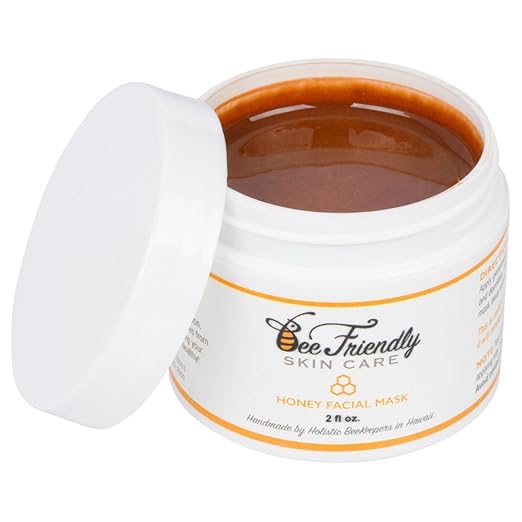
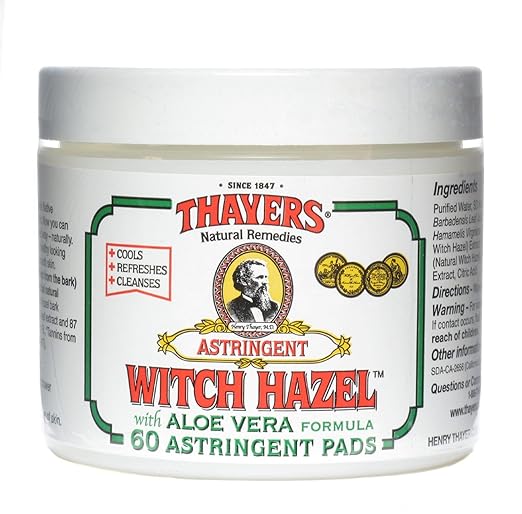






/https%3A%2F%2Fblueprint-api-production.s3.amazonaws.com%2Fuploads%2Fcard%2Fimage%2F837114%2F21adc97e-1d3a-493a-bf38-395b267a539a.jpg)