Before winter became decorative, it was demanding.
It did not arrive with twinkling lights or the promise of cheer. It came with weight. With a darkness that lingered at the edges of daylight and pressed itself into the corners of the mind. It came with cold that did not merely chill the skin but seeped inward, settling into joints, lungs, and thought alike. Food stores thinned. Candles burned shorter. Silence, once comforting, grew louder — and in that silence, the mind, if left untended, could wander into fear just as easily as the body could wander into danger.
Winter did not ask whether one felt ready.
It asked whether one was.
And so, winter asked something of people.
Not politely — but persistently.
It asked for preparation. It asked for memory. It asked for ritual. It asked for community.
And when those answers were not given, winter took its payment anyway.
Long before psychology named the nervous system or mapped the pathways of fear and reassurance, people understood something elemental: the human mind could fracture under prolonged cold, darkness, and isolation. Spirits dimmed as quickly as hearth fires. Children, sensing uncertainty, required structure. Adults, facing scarcity and mortality, required meaning. Communities, pressed inward by snow and storm, required reminders of who they were to one another when survival ceased to be effortless.
So stories became tools.
Not entertainment — instruction wrapped in wonder.
They were spoken aloud when the wind rattled shutters and the scent of smoke clung to woolen clothes drying near the fire. They were told by elders whose voices carried the grain of winters survived, whose hands bore the quiet testimony of work finished before the cold arrived. These stories were passed not to frighten, but to focus — to anchor the mind when the world grew hostile.
A cat that punished the unprepared, its eyes glowing beyond the threshold, reminding families that warmth was earned long before it was worn. A wanderer who tested hospitality, arriving hungry and cold to see whether kindness remained when abundance did not. A bell that rang when people forgot one another, its sound cutting through snow and complacency alike. A candle lit for the dead, so grief would not turn feral in the dark.
These were not fantasies. They were psychological anchors.
Fear, when shaped into story, became manageable. Consequence, when personified, became memorable. Hope, when ritualized, became repeatable. Folklore taught the mind how to endure when the environment turned against it — how to regulate emotion, reinforce behavior, and preserve cohesion without written rules or formal theory.
Children learned without lectures. Adults remembered without being confronted.
And the stories worked — because they survived.
This story comes from an old winter folk belief once shared around fires and candlelight. Families told these stories long ago to teach kindness, care, and preparation during the darkest months of the year.
These are traditional winter folk beliefs retold for modern readers. The core legends predate 1900 and were passed down through oral tradition.
The stories in this collection are not modern inventions. They are retellings of traditional winter folk beliefs — passed down through oral tradition long before the 1900s, when survival depended on memory, ritual, and shared wisdom.
To dismiss these tales as superstition is to misunderstand their purpose. They were never meant to explain the world; they were meant to steady the mind within it. They functioned as early psychology — regulating fear, reinforcing social bonds, and offering the nervous system something solid to hold when uncertainty pressed in from all sides.
Even now, when homes are warm and shelves are full, winter still asks its questions.
We feel them when the days shorten and the year closes in on itself. We inventory what we finished and what we avoided. We seek light instinctively — candles, trees, fires, songs — repeating rituals we barely remember choosing. We gather when we can, and ache when we cannot, because the mind still fears abandonment in the dark.
The modern mind is not as different as we pretend.
It still needs rhythm. It still responds to story. It still requires meaning when control slips away.
Folklore did not disappear because it was childish. It faded because comfort made us forget why it existed. But the instinct remains — resurfacing every December, disguised as tradition, nostalgia, or an unexplainable pull toward old stories told slowly, by firelight.
Winter once asked the human mind to stay awake, stay connected, and stay prepared.
The stories were the answers.
About the Author
A.L. Childers is a writer and cultural preservationist whose work explores folklore, memory, and the psychological wisdom embedded in pre-industrial traditions. With a voice rooted in old-world storytelling and modern reflection, she writes to honor the stories that once kept communities steady through darkness, scarcity, and silence.
Disclaimer
This chapter is a literary retelling and interpretive exploration of traditional winter folk beliefs. While grounded in documented oral traditions and historical practices predating the 1900s, it is presented for educational, cultural, and artistic purposes. Variations of folklore exist across regions and eras.
References & Resources
• Simpson, Jacqueline & Roud, Steve – A Dictionary of English Folklore • Hutton, Ronald – The Stations of the Sun • Eliade, Mircea – Myth and Reality • Dundes, Alan – Interpreting Folklore • Frazer, James George – The Golden Bough • Scandinavian Yule and Solstice oral traditions (pre-industrial Europe)
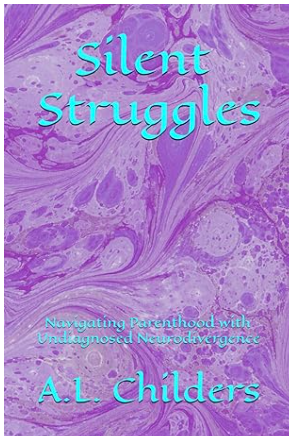
Motherhood is often painted as a joyful, fulfilling experience, but there’s an unspoken reality many of us live with daily: the challenge of parenting while managing undiagnosed neurodivergence, such as autism, OCD, anxiety, or ADHD. It’s a reality filled with guilt, overstimulation, and the constant feeling that you’re failing as a parent—no matter how hard you try. I’ve struggled with this myself, and it’s time we talk about it.
The Undiagnosed Generation
So many of us grew up in households where our parents were likely neurodivergent but never diagnosed. They couldn’t teach us how to manage emotions, overstimulation, or executive dysfunction because they didn’t know how to manage their own. This has led to a generation of parents who are now realizing that they, too, might be living with undiagnosed autism or ADHD, and we’re trying to break that cycle with our own children.
Our brains are wired differently, and while that brings creativity and unique problem-solving skills, it also means overstimulation can feel unbearable. The sound of toys clattering, the chaos of after-school activities, and the endless barrage of “Mom, can I…?” leaves us frayed, emotionally raw, and constantly in fight-or-flight mode. It’s not rage—it’s survival.
The Impact of Overstimulation
For me, the hardest part is explaining to my children that what looks like anger is really just me being overwhelmed and overstimulated. Parenting requires so much flexibility, yet my brain craves structure and routine. When things deviate from that, I spiral. I’ve taught my children to recognize when they feel overstimulated, encouraging them to take a step back and find a quiet space. But it doesn’t erase the guilt that weighs on me when I can’t do the same for myself. I apologize, I say, “You deserve better,” but the shame is still there.
And then there’s the additional layer of OCD and anxiety. I like things in their place, organized, clean. When my home feels overcrowded, it disrupts my entire sense of well-being. Unfortunately, my husband and I don’t see eye-to-eye on this. He tends to accumulate things—sometimes it feels like he’s hoarding—and I respond by throwing things away when he won’t put them where they belong. This constant battle only fuels my anxiety, and the result is a house that feels like a battleground.
The Science Behind It All
Neurodivergence isn’t just a matter of behavior; it’s deeply rooted in the way our brains process information. ADHD, for instance, affects the brain’s executive functioning, which includes working memory, emotional regulation, and impulse control. Autism can make sensory input overwhelming, leading to meltdowns or shutdowns when things become too much.
Research shows that environmental toxins and food additives can exacerbate these symptoms. Many of the foods we consume daily contain additives, preservatives, and chemicals that disrupt brain function, especially in neurodivergent individuals. Studies have linked artificial dyes and high-sugar diets to worsening ADHD symptoms . The prevalence of toxic chemicals in our environment also plays a role, with increasing evidence that exposure to heavy metals like lead and mercury can contribute to neurological issues .
It’s not just in what we eat but in the very air we breathe. Our government, through lax regulation of industrial pollution and food safety standards, positions us in a toxic environment that worsens these conditions without offering meaningful support. Neurodivergent parents, who are already struggling to meet the needs of their children, are left to fend for themselves in a system that barely acknowledges their challenges.
Perimenopause and Parenthood
On top of everything, perimenopause has brought a new layer of emotional upheaval to my life. Mood swings, irritability, and fatigue now combine with the overstimulation of daily parenting. The hormonal changes of perimenopause can mimic or exacerbate symptoms of neurodivergence, leaving many of us feeling even more out of control. The overlap is under-researched, but there’s a growing recognition that these issues are deeply intertwined.
Breaking the Cycle for Our Children
Despite all the chaos, I am determined to break this cycle for my children. I’ve taught them to recognize their own needs and emotions, to express when they’re feeling overwhelmed, and to step away when necessary. When I lose my temper, I always apologize and explain that it’s not their fault—that I’m the one who needs to manage my emotions better. The mom guilt is real, and it’s heavy, but the love I have for them pushes me to keep going.
Parenting isn’t one-size-fits-all, and it doesn’t come with a manual. For those of us navigating neurodivergence, it’s about finding ways to cope, learning to forgive ourselves, and striving to be better, even when the world around us feels unbearable. We are the children of undiagnosed parents, but we can choose to do better for our own kids.
Final Thoughts
If you’re a parent struggling with undiagnosed autism, ADHD, OCD, or anxiety, know that you’re not alone. This journey is hard, and the shame can be suffocating, but we are all doing the best we can with the tools we have. It’s time to break the silence and talk about the realities of neurodivergence in motherhood—without judgment or shame. Let’s start the conversation.
Pillaged and Poisoned: America’s Health in Crisis – A deep dive into how our toxic food system is failing us and what we can do about it.
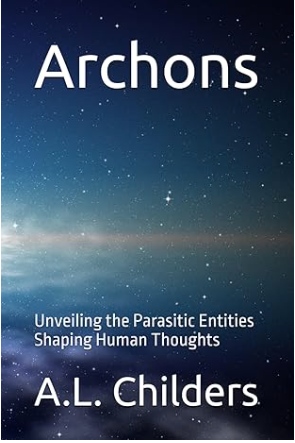
Archons: Unveiling the Parasitic Entities Shaping Human Thoughts – Explore the hidden forces influencing human behavior and society.
Bloodline of the Forsaken – A supernatural thriller about a woman discovering her powerful, ancient lineage while battling unseen forces.
For more of my books, visit my author page on Amazon or consider donating to support my ongoing work in health, wellness, and personal development. Together, we can build a better future—one story at a time.
In the realm of literature, few authors possess the power to challenge societal norms and break down stereotypes like A.L. Childers. Through her unique storytelling abilities, she has managed to leave a lasting legacy that has not only inspired her readers but also transformed the way we perceive the world.
A.L. Childers’ journey from poverty to success serves as a testament to the transformative power of writing. By overcoming adversity through her craft, she has become a beacon of hope for those facing similar challenges. Her ability to draw inspiration from small-town life has given her a unique perspective on writing, allowing her to create stories that resonate with readers from all walks of life.
Childers’ story is one of triumph over adversity. Raised in poverty, she faced numerous challenges that could have hindered her dreams. However, she discovered solace in writing, using it as a means to overcome her circumstances. By sharing her personal journey, Childers inspires others to rise above their own obstacles and unlock their true potential.
Writing, for Childers, is a powerful tool for connection. She explores human relationships in literature and delves into the intricacies of human emotions and experiences. Her stories serve as a bridge, connecting people from different walks of life, fostering empathy, and promoting understanding. In a world that often feels fragmented, Childers’ writing reminds us of our shared humanity.
A.L. Childers’ impact on breaking stereotypes through storytelling is a testament to her exceptional talent and unwavering dedication to her craft. Through her journey from poverty to success, her unique perspective on small-town life, her exploration of human relationships, her journey toward self-expression, and her ability to challenge societal norms, she has left an indelible mark on the literary world. Her work serves as an inspiration for aspiring writers, a source of connection for readers, and a catalyst for change in society. A.L. Childers’ legacy will continue to shape the future of literature, reminding us of the power of storytelling to break down barriers and create a more inclusive world.
Brilliantly written, startling, truthful, and utterly original. This is A.L. Childers at her absolute best. She sets an exciting new level of awareness for humanity. Unforgettable books that help you find that lost piece of yourself.
Being Human doesn’t make you weak, it makes you a warrior!
A.L. Childers
Discover the incredible breadth of work by Audrey Childers, a prolific author who has written over 200 books across a variety of genres. From engaging coloring books and insightful self-help guides to captivating fantasy novels and thoughtful journals, Audrey’s collection truly offers something for everyone in the family.
Her dedication to health and wellness, highlighted through her work as the creator of TheHypothyroidismChick.com, complements her diverse literary contributions. Audrey has spent more than a decade mastering the art of research and editorial writing, making her an authoritative voice across multiple fields.
Click on the “About the Author” link to explore the full range of Audrey Childers’ incredible works and discover your next favorite book!
About Me
Hello, I’m Audrey Childers, the heart and mind behind this blog, where I explore thought-provoking topics that challenge societal norms, expose hidden truths, and dive into the mysteries of our world. From historical analysis and government control to supernatural phenomena and personal stories, my blog is a space for deep thinkers, seekers of truth, and anyone who enjoys reading content that goes beyond the surface.
As a passionate writer with over 200 books across various genres, my mission is to educate, entertain, and inspire. But running a blog requires time, energy, and resources. That’s why I’ve decided to offer my readers the opportunity to support my work through Patreon. By becoming a patron, you’re not just helping to keep this blog alive—you’re helping me dedicate more time to creating exclusive content, ensuring higher-quality posts, and even allowing me to advertise and promote my best-selling books to a wider audience.
Why Support Me?
Your support will allow me to:
Cover the basic hosting costs of maintaining the blog, ensuring that it’s always accessible and that I can keep publishing thought-provoking content for you.
Dedicate more time to producing high-quality blog posts, exclusive newsletters, and insightful videos.
Promote my best-selling books, which delve even deeper into the topics I write about, helping to spread the knowledge and engage with more readers.
By reaching these goals, I’ll be able to provide more frequent content, introduce exclusive insights for my patrons, and significantly enhance the quality of the materials you receive.
What You Get
In return for your support, you’ll gain access to a variety of perks based on the membership level you choose. Whether it’s early access to blog posts, behind-the-scenes looks at my writing process, exclusive content, or even voting on future blog topics, I aim to create a closer, more engaging relationship with you, my valued supporters.
Membership Model: Monthly Subscription
I’ve chosen the Monthly Subscription model to provide ongoing value and support. With this model, you’ll be able to subscribe at different levels, depending on how much you’d like to contribute. This steady support allows me to plan ahead, create more engaging content, and ensure the blog continues to grow.
If you’ve enjoyed my writings and would like to support future content, you can help keep my blog and books alive with a donation. Whether it’s $1 or any amount you feel inspired to give, your support means the world to me. You can donate through Venmo at @Audrey-Childers-4 or via Cash App at $abbigailChilders. Every contribution helps fuel the passion behind my work, and I truly appreciate your generosity! Thank you for being part of this journey.
Get ready to dive into the vibrant and eclectic world of Audrey Childers, the author who’s written something for absolutely everyone! With over 200 books under her belt—ranging from playful coloring books to thought-provoking self-help guides, spellbinding fantasy novels, and everything in between—Audrey has crafted a literary collection for every age and stage of life.
As the creative force behind TheHypothyroidismChick.com, she’s also a passionate advocate for health and wellness, sharing her own tips and insights on living well with hypothyroidism. But Audrey doesn’t stop there. She’s a mom, a voice for optimal human health, a blogger, a freelance journalist, and an entrepreneur who’s spent over a decade fine-tuning her craft in research and editorial writing.
Want to uncover her latest bestsellers? Some of her most popular works include “A Survivor’s Cookbook Guide to Kicking Hypothyroidism Booty,” “Reset Your Thyroid,” and the biting satire, “The Plague of Overeducated Dumb People.” But there’s so much more! Click the many links “About the Author” to check out her incredible range of books—you won’t regret it!
Throughout history, unseen forces known as Archons have manipulated humanity’s collective consciousness, perpetuating a cycle of control and suppression. These parasitic entities have cunningly exploited our vulnerabilities, feeding off our fears, doubts, and insecurities. As a result, we have been unwittingly enslaved to their agenda, disconnected from our true potential as human beings.
But there is hope. In “Archons: Unveiling the Parasitic Entities Shaping Human Thoughts,” A.L. Childers takes you on a riveting journey through extensive research and historical analysis to uncover the profound influence of Archons on human society. This meticulously researched book delves into ancient texts, historical events, and contemporary practices to reveal how these entities have shaped our world.
Drawing from years of dedicated study, Childers provides compelling evidence of Archonic manipulation throughout history. From the fall of the Roman Republic to the modern-day influence of media and technology, this book uncovers the hidden forces that have steered human affairs. By understanding the nature of these parasitic entities, we can begin to break free from their grip.
To liberate ourselves from Archonic influence, we must first recognize their presence in our lives. We must question the thoughts and beliefs that have been implanted within us, discerning between genuine inspiration and Archonic manipulation. By cultivating awareness, we can begin to dismantle their control over our minds and emotions.
Springtime Bug Safari Coloring Book by A.L. Childers
Dive into a World of Color and Creativity!
Embark on a delightful journey through a whimsical world where the bugs buzz with excitement and await your child’s creative touch! Springtime Bug Safari, crafted by the imaginative A.L. Childers, offers a collection of simple yet engaging coloring pages filled with friendly insects sporting big, expressive eyes.
From the dancing dragonflies to the gentle grasshoppers, each page invites young artists to bring these scenes to life with vibrant hues. This coloring book is perfect for kids who love nature and creativity, providing hours of fun and relaxation.
Why Your Little Artist Will Love This Book:
Fun and Easy Designs: Each page features cute, cartoon-style bugs that are easy to color for children.
Boosts Creativity: Encourages the development of fine motor skills and sparks imagination with every color they choose.
Makes a Great Gift: Ideal for birthdays, holidays, or as a wonderful surprise for those rainy days indoors.
Get ready to color your way through spring with the Springtime Bug Safari Coloring Book. It’s more than just a coloring book—it’s an adventure!
Grab your copy today and watch your child’s creativity take flight!
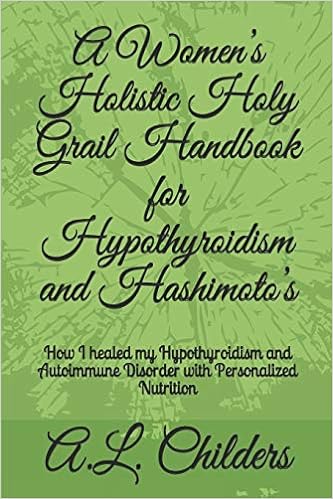
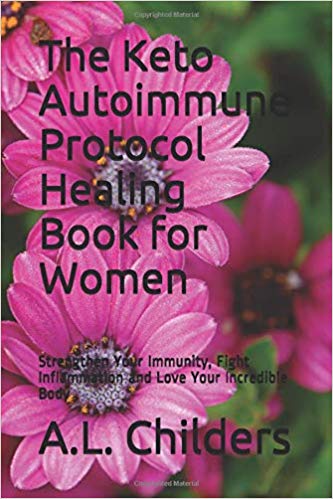
Food is thy medicine, right? Actually it can work one of two ways. Food can be thy medicine or food can be thy death. This book is a guide that will inform you from the perspective of a women. You will also be able to determine what areas in your life that may need a little bit of work and the skills needed to improve those issues along with some fabulous recipes to help get you started on how to eat KETO AIP. I will also help you understand how to fix your gut, strengthen your immunity and fight inflammation with an autoimmune approach. The Keto AIP removes all the common inflammatory food triggers that stimulate a possible autoimmune reaction in the body. We’re going to start resetting those adrenals, boosting that energy and doing a little booty kicking to those hormones that have decided to act like a wild college student and pull an all-nighter the day before final exams.
Food is thy medicine, right? Actually, it can work one of two ways. Food can be thy medicine or food can be thy death. This book is a guide that will inform you from the perspective of a women. You will also be able to determine what areas in your life that may need a little bit of work and the skills needed to improve those issues along with some fabulous recipes to help get you started on how to eat KETO AIP. I will also help you understand how to fix your gut, strengthen your immunity and fight inflammation with an autoimmune approach. The Keto AIP removes all the common inflammatory food triggers that stimulate a possible autoimmune reaction in the body. We’re going to start resetting those adrenals, boosting that energy and doing a little booty kicking to those hormones that have decided to act like a wild college student and pull an all-nighter the day before final exams.
The information and recipes contained in blog is based upon the research and the personal experiences of the author. It’s for entertainment purposes only. Every attempt has been made to provide accurate, up to date and reliable information. No warranties of any kind are expressed or implied. Readers acknowledge that the author is not engaging in the rendering of legal, financial, medical or professional advice. By reading this blog, the reader agrees that under no circumstance the author is not responsible for any loss, direct or indirect, which are incurred by using this information contained within this blog. Including but not limited to errors, omissions or inaccuracies. This blog is not intended as replacements from what your health care provider has suggested. The author is not responsible for any adverse effects or consequences resulting from the use of any of the suggestions, preparations or procedures discussed in this blog. All matters pertaining to your health should be supervised by a health care professional. I am not a doctor, or a medical professional. This blog is designed for as an educational and entertainment tool only. Please always check with your health practitioner before taking any vitamins, supplements, or herbs, as they may have side-effects, especially when combined with medications, alcohol, or other vitamins or supplements. Knowledge is power, educate yourself and find the answer to your health care needs. Wisdom is a wonderful thing to seek. I hope this blog will teach and encourage you to take leaps in your life to educate yourself for a happier & healthier life. You have to take ownership of your health. The highlighted links are affiliate links in my blogs.
This site is designed for educational purposes only and is not engaged in rendering medical advice, legal advice, or professional services. If you feel that you have a medical problem, you should seek the advice of your physician or health care practitioner. For additional information, please see Our full disclosure, terms of use, and privacy policy.



Leave a Reply