Tag Archives: holidays

What Winter Once Asked of the Human Mind

A Fireside Chapter

Before winter became decorative, it was demanding.

It did not arrive with twinkling lights or the promise of cheer. It came with weight. With a darkness that lingered at the edges of daylight and pressed itself into the corners of the mind. It came with cold that did not merely chill the skin but seeped inward, settling into joints, lungs, and thought alike. Food stores thinned. Candles burned shorter. Silence, once comforting, grew louder — and in that silence, the mind, if left untended, could wander into fear just as easily as the body could wander into danger.

Winter did not ask whether one felt ready.

It asked whether one was.

And so, winter asked something of people.

Not politely — but persistently.

It asked for preparation.
It asked for memory.
It asked for ritual.
It asked for community.

And when those answers were not given, winter took its payment anyway.

Long before psychology named the nervous system or mapped the pathways of fear and reassurance, people understood something elemental: the human mind could fracture under prolonged cold, darkness, and isolation. Spirits dimmed as quickly as hearth fires. Children, sensing uncertainty, required structure. Adults, facing scarcity and mortality, required meaning. Communities, pressed inward by snow and storm, required reminders of who they were to one another when survival ceased to be effortless.

So stories became tools.

Not entertainment — instruction wrapped in wonder.

They were spoken aloud when the wind rattled shutters and the scent of smoke clung to woolen clothes drying near the fire. They were told by elders whose voices carried the grain of winters survived, whose hands bore the quiet testimony of work finished before the cold arrived. These stories were passed not to frighten, but to focus — to anchor the mind when the world grew hostile.

A cat that punished the unprepared, its eyes glowing beyond the threshold, reminding families that warmth was earned long before it was worn.
A wanderer who tested hospitality, arriving hungry and cold to see whether kindness remained when abundance did not.
A bell that rang when people forgot one another, its sound cutting through snow and complacency alike.
A candle lit for the dead, so grief would not turn feral in the dark.

These were not fantasies.
They were psychological anchors.

Fear, when shaped into story, became manageable. Consequence, when personified, became memorable. Hope, when ritualized, became repeatable. Folklore taught the mind how to endure when the environment turned against it — how to regulate emotion, reinforce behavior, and preserve cohesion without written rules or formal theory.

Children learned without lectures.
Adults remembered without being confronted.

And the stories worked — because they survived.

This story comes from an old winter folk belief once shared around fires and candlelight. Families told these stories long ago to teach kindness, care, and preparation during the darkest months of the year.

These are traditional winter folk beliefs retold for modern readers.
The core legends predate 1900 and were passed down through oral tradition.

The stories in this collection are not modern inventions. They are retellings of traditional winter folk beliefs — passed down through oral tradition long before the 1900s, when survival depended on memory, ritual, and shared wisdom.

To dismiss these tales as superstition is to misunderstand their purpose. They were never meant to explain the world; they were meant to steady the mind within it. They functioned as early psychology — regulating fear, reinforcing social bonds, and offering the nervous system something solid to hold when uncertainty pressed in from all sides.

Even now, when homes are warm and shelves are full, winter still asks its questions.

We feel them when the days shorten and the year closes in on itself. We inventory what we finished and what we avoided. We seek light instinctively — candles, trees, fires, songs — repeating rituals we barely remember choosing. We gather when we can, and ache when we cannot, because the mind still fears abandonment in the dark.

The modern mind is not as different as we pretend.

It still needs rhythm.
It still responds to story.
It still requires meaning when control slips away.

Folklore did not disappear because it was childish. It faded because comfort made us forget why it existed. But the instinct remains — resurfacing every December, disguised as tradition, nostalgia, or an unexplainable pull toward old stories told slowly, by firelight.

Winter once asked the human mind to stay awake, stay connected, and stay prepared.

The stories were the answers.


About the Author

A.L. Childers is a writer and cultural preservationist whose work explores folklore, memory, and the psychological wisdom embedded in pre-industrial traditions. With a voice rooted in old-world storytelling and modern reflection, she writes to honor the stories that once kept communities steady through darkness, scarcity, and silence.


Disclaimer

This chapter is a literary retelling and interpretive exploration of traditional winter folk beliefs. While grounded in documented oral traditions and historical practices predating the 1900s, it is presented for educational, cultural, and artistic purposes. Variations of folklore exist across regions and eras.


References & Resources

• Simpson, Jacqueline & Roud, Steve – A Dictionary of English Folklore
• Hutton, Ronald – The Stations of the Sun
• Eliade, Mircea – Myth and Reality
• Dundes, Alan – Interpreting Folklore
• Frazer, James George – The Golden Bough
• Scandinavian Yule and Solstice oral traditions (pre-industrial Europe)


The Yule Cat: A Winter Tale of Wool, Worth, and Watching Eyes

There are winters that arrive politely, knocking before they enter, and then there are winters that descend without apology — the kind that sharpen the air, hush the earth, and remind humanity that comfort is earned, not promised. In Iceland, when the snow begins to stitch the land into silence and daylight thins to a pale memory, the elders say the Yule Cat wakes.

Not stretches.
Not stirs.
Wakes.

You can feel it before you ever see it — a pressure in the cold itself, as though the darkness has weight. The wind carries a faint scent of iron and wool, raw and unfinished, mingled with pine smoke curling from chimneys where families huddle close. Somewhere beyond the last lantern-lit window, something larger than any house moves across the frozen countryside, its paws silent, its breath slow and patient.

They call it JólakötturinnThe Yule Cat.

By the time the snow crunches beneath its step, Christmas Eve has arrived.

The Yule Cat is not merely black; it is winter-black — the deep, swallowing shade of a night with no moon, fur dusted with snowflakes that cling like stars. Its eyes glow not with rage, but with judgment, old and unblinking. This is no wild beast of hunger alone. This is a creature born of necessity, woven from folklore, labor, and survival itself.

In the old days — before supermarkets and soft excess — wool was life. Autumn meant shearing, carding, spinning. Fingers cracked from cold. Shoulders ached from long days bent over work that never seemed finished. Children learned early that warmth was not gifted; it was made. Socks stitched by candlelight. Coats passed down and mended again and again. To finish your wool before Christmas was not tradition — it was protection.

And those who did not?

The Yule Cat knew.

They say it prowled past farms and villages, its massive tail sweeping snow into whispering drifts. It peered through windows fogged with breath and hope. Inside, laughter might ring, bread might bake, bells might sing — but the Cat did not care for songs. It looked only at what you wore.

New clothes meant effort.
Effort meant survival.
And survival meant you belonged among the living.

The Cat’s presence was felt in the skin first — a prickle along the arms, the sudden awareness of bare ankles or thin sleeves. The sound came next: a low vibration, like a distant purr carried through ice and bone. Not threatening. Assessing.

Those who had done their part felt the warmth of wool hug closer, as though the garments themselves stood witness on their behalf. Those who had not — well, the stories grow quieter there, as if even memory refuses to linger too long.

Parents whispered the tale not to frighten, but to prepare. Children learned that diligence was a kindness to oneself. The Yule Cat was not cruel — it was honest. Winter does not spare the unready. Neither does life.

Even now, long after factories replaced spinning wheels and store-bought coats hang heavy in closets, something of the Yule Cat remains. You feel it when the year turns cold and you take stock of what you’ve finished — and what you’ve avoided. When the holidays arrive and demand reflection, not just celebration. When the dark presses close and asks, quietly but firmly: Did you do the work that mattered?

The Yule Cat still walks in these moments.

Not as a beast in the snow, but as a presence in the conscience. A reminder that comfort is built. That warmth comes from effort. That preparation is love wearing practical clothes.

And if, on some winter night, you swear you see golden eyes glinting just beyond the porch light — do not panic. Simply look down at what you’re wearing. Look at what you’ve made of the year behind you.

The Cat has always been watching.
Not to punish.
But to remind us that survival, dignity, and warmth have always belonged to those willing to finish what the cold demands.


About the Author

A.L. Childers is a storyteller drawn to forgotten folklore, hidden histories, and the quiet truths buried beneath tradition. With a voice that blends old-world atmosphere and modern reflection, she writes to preserve the stories meant to prepare us — not scare us — for the darker seasons of life. Her work explores myth, memory, survival, and the unseen rules that once kept communities alive through long winters and longer nights.


Disclaimer

This story is a creative interpretation of traditional Icelandic folklore. While inspired by historical legend, it is written for educational and artistic purposes and should not be considered a literal account. Cultural myths vary by region and era, and this retelling honors the spirit rather than strict historical record.


A Small Light in the Darkest Winter — And Why We Still Need Christmas Magic

The Lamp of Christmas Eve

There’s something strange that happens every December.

Not the shopping, not the lights, not the frantic countdown to the 25th.

I’m talking about the quiet hours — the ones nobody posts on Instagram.

The moments when the world feels heavier than usual…
When the cold settles deeper…
When memories drift in like snowflakes — soft, beautiful, and sometimes painful.

It’s during these small, unguarded moments that I’ve always noticed something miraculous:

We start looking for light again.

Not the kind that twinkles on trees,
but the kind that warms the heart.
The kind that reminds you you’re not alone.
The kind that shows up unexpectedly, like a lantern glowing in a long-forgotten window.

Every year around this time, I find myself thinking about:

✨ the people who carry invisible burdens
✨ the children who wonder why the world feels so big
✨ the adults who are still healing from winters long past
✨ the quiet souls who show up for others
✨ the tiny moments of kindness that change everything

And somewhere in these reflections, a story found me.

Not a preachy story.
Not a perfect story.
But a gentle, human, hopeful story — the kind that feels like warm hands wrapped around a mug of cocoa on a cold night.

A story about a mysterious lamp that glows only for hearts in need…
A town stitched by grief and hope…
And a reminder that small lights matter more in dark seasons.

I won’t spoil it here — you know I’m not that kind of blogger. 😉
But if you’ve ever:

  • Felt the holidays were bittersweet
  • Missed someone you loved
  • Wondered if your kindness still mattered
  • Needed a soft place to land
  • Or wished Christmas could feel magical again

…then this little winter tale might find you at the right time too.

No pressure. No push.
You know me — I don’t like to shove books down anyone’s throat every time I write.

But if your heart is craving something gentle this season,
I’ll just leave this small light here:

👉 “The Lamp of Christmas Eve” by A.L. Childers

Sometimes one quiet story is enough to remind us:

Even in the coldest winters, light finds its way back.
And so do we.


A heartfelt winter reflection about finding hope in dark seasons, the quiet magic of Christmas, and the small lights that guide us. Includes a gentle introduction to The Lamp of Christmas Eve, a feel-good magical realism holiday story.


🎃 “Holy, Haunted, or Hypocritical?” — The True Story Behind Halloween and What Every Religion Doesn’t Want You to Know

By A.L. Childers


Every October, doorbells ring, pumpkins glow, and the air hums with childlike excitement. But beneath the candy and costumes lies a much darker, older heartbeat—a festival born in fire, fear, and faith.

Halloween didn’t begin with plastic spiders and pumpkin-spice lattes. Its roots reach back over 2,000 years to the ancient Celts, who celebrated Samhain—a time when the veil between the living and the dead was believed to thin. On that night, spirits roamed freely, and villagers lit bonfires and wore animal skins to confuse wandering souls.

Centuries later, when Rome conquered Celtic lands, it absorbed the festival into its own traditions. The Romans honored Pomona, goddess of fruit and trees (yes, that’s why we bob for apples). But when Christianity spread, the Church performed one of history’s greatest rebrands—turning Samhain into All Hallows’ Eve, the night before All Saints’ Day. What had once been a festival of ghosts and fire became a “holy vigil.”

Except…it never really stopped being both.


👻 A Festival of Contradictions

Halloween today is celebrated across the world: from the U.S. and U.K. to Japan, the Philippines, and beyond. Children dress as superheroes, adults as villains, and the world spends billions chasing a thrill that began as a fear.

But beneath the sugar high and glowing jack-o’-lanterns lies a conflict that spans centuries and faiths. Nearly every major religion has, at one time or another, condemned the very practices Halloween celebrates—yet millions of their followers still celebrate it.

Let’s lift the veil and face the ghosts of hypocrisy.


✝️ Christianity: A Holy Day Turned Haunted

The Christian Bible doesn’t mention Halloween, but it leaves little doubt about dabbling in the supernatural. Leviticus 19:31 warns:

“Do not turn to mediums or seek out spiritists, for you will be defiled by them.”

And Deuteronomy 18:10-12 declares:

“Let no one be found among you who practices divination… or consults the dead. Anyone who does these things is detestable to the Lord.”

Yet, paradoxically, it was the Christian Church that took Samhain and made it “holy,” transforming pagan rites into All Hallows’ Eve. Today, churches host “trunk-or-treat” events and “harvest festivals”—while many still condemn Halloween’s darkness.

It’s history’s most spiritual case of “do as I say, not as I did.”


☪️ Islam: The Night Faith Forbids

In Islam, the issue is clear. Halloween’s fascination with ghosts and witches stands at odds with Tawheed—the absolute oneness of God. The Qur’an (2:102) warns against sorcery and magic:

“They learned what harmed them and did not benefit them.”

Islamic scholars argue that honoring or imitating pagan rituals resembles shirk—the greatest sin, associating partners with God. For many Muslims, Halloween isn’t a harmless holiday; it’s a spiritual red flag.

Still, in multicultural societies, some Muslims allow children to enjoy Halloween’s secular aspects, emphasizing fun over faith. Yet even then, the warning stands: beware the appearance of darkness, lest it enter unseen.


✡️ Judaism: When the Torah Meets Trick-or-Treat

In Jewish tradition, the afterlife exists, but the living are forbidden from contacting it. The Torah (Deuteronomy 18:11) says:

“There shall not be found among you… one who inquires of the dead.”

Leviticus 20:27 adds:

“A man or woman who has a ghost or familiar spirit shall surely be put to death.”

Halloween’s ghosts and séances fall squarely into what Judaism calls nichush (divination) and ov (necromancy)—both forbidden.

Yet many Jewish families in Western countries participate anyway, treating Halloween as cultural, not spiritual. It’s candy without the creed—a secular exception in a sacred system.


🕉️ Hinduism: When Karma Meets the Unseen

Hinduism openly acknowledges spirits (bhūtas and pretas) but discourages invoking them. The Bhagavad Gita 9:25 warns:

“Those who worship ghosts and spirits will take birth among such beings.”

Hindu tradition reserves ancestor-honoring for Pitru Paksha, a solemn fortnight of remembrance—not a night of horror masks and mock ghosts. Yet in India’s cities and across the diaspora, Halloween parties have become trendy, showing that even the most spiritual cultures can’t resist Western spectacle.

To many Hindu teachers, the problem isn’t celebration—it’s vibration. To celebrate darkness is to invite it.


☸️ Buddhism: Detachment from Darkness

Buddhist texts like the Āṭānāṭiya Sutta teach protection from malevolent spirits through chanting—not through imitation or fear. Halloween’s obsession with fright, gore, and ego is the antithesis of mindfulness.

Still, across Japan and Thailand, Buddhist communities host costume parades that blend Western fun with Eastern reverence for ancestors. The message is simple: face the darkness, but don’t become it.


⚖️ The Great Spiritual Irony

From the Bible to the Qur’an, from the Torah to the Bhagavad Gita, and even through Buddhist sutras—each sacred text warns against glorifying death, spirits, or divination.

And yet, on one night each year, the world dresses up in defiance of those very teachings. Christians light pumpkins, Muslims hand out candy, Jews carve ghosts, Hindus dance in monster masks, and Buddhists meditate under paper skeletons.

Halloween has become the ultimate mirror—reflecting not evil, but our human desire to flirt with it safely.


💀 Bridging the Veil Between Research and Revelation

Historically, Halloween is a masterclass in cultural adaptation: a pagan ritual reborn through Christian branding, exported by Western commerce, and adopted by almost every major faith—despite their own prohibitions.

Spiritually, it’s a reminder that what we fear, we also imitate. The veil between worlds isn’t just about ghosts—it’s the thin line between belief and behavior, between what we preach and what we practice.

And that’s what makes Halloween so haunting: not the ghosts in the graveyard, but the contradictions in our souls.


⚠️ Disclaimer

This blog blends verified historical research with cultural analysis and religious reference. Scriptural citations are provided for context only and are not theological instruction. Interpretations vary among denominations and traditions.


✍️ About the Author

A.L. Childers is an author who explores the sacred, the secret, and the supernatural. Her works uncover how history, faith, and hidden forces shape the world we think we know. From haunted Appalachia to ancient gods and corporate empires, she bridges the veil between research and revelation.

Her acclaimed works include:

Discover more haunting truths at TheHypothyroidismChick.com, where belief meets evidence and the veil never fully closes.

🎃 The Real History of Halloween: From Ancient Spirits to Modern Conflicts

Who celebrates it, why it began, and how religion made it their own (even when their own scriptures say otherwise)

By A.L. Childers


Halloween has always been more than candy and costumes. Beneath the pumpkins and porch lights hides one of the oldest and most misunderstood festivals on earth — a night born from fire, fear, and faith. Its story begins long before trick-or-treaters and haunted houses ever existed.

Over two thousand years ago, the Celts celebrated Samhain, a sacred festival marking the end of the harvest and the start of winter. October 31st wasn’t just another day on the calendar — it was the moment the veil between the living and the dead was said to thin. During Samhain, bonfires burned on hilltops to ward off spirits, and people disguised themselves in animal skins so wandering ghosts wouldn’t recognize them. It was both reverent and terrifying — the living preparing to greet the season of death.

When Rome conquered Celtic lands, they layered their own rituals on top of Samhain. The Romans honored Pomona, the goddess of fruit and trees — perhaps the reason we still bob for apples today. But centuries later, the Church added another layer. As Christianity spread through Europe, Pope Gregory III designated November 1st as All Saints’ DayAll Hallows — to honor saints and martyrs. The evening before became known as All Hallows’ Eve, and eventually, Halloween.

It was clever cultural blending: take a pagan night of spirits and rename it something holy. The result? A global mash-up of ancient superstition and church tradition that people still can’t quite define.


👻 Who Celebrates Halloween Today

Halloween has outgrown its Celtic cradle. It’s celebrated in the United States, Canada, Ireland, the UK, Australia, and increasingly around the world — often as a secular holiday more about sugar than spirits.
Kids dress up as superheroes and vampires, adults throw parties, pumpkins get carved, and homes become haunted displays of creativity. But while most people treat it as harmless fun, every piece of Halloween still carries an echo of its past — a past tied to death, magic, and the afterlife.

Even the word “trick-or-treat” comes from a much older Christian custom called “souling,” when children would visit homes on All Souls’ Day, offering prayers for the dead in exchange for food. The masks? Those came straight from Samhain, when disguises protected the living from angry spirits.

In short: our candy-coated modern version is a remix of pagan ritual, Roman tradition, and Christian adaptation.


✝️ Christianity’s Complicated Relationship with Halloween

For centuries, Christians have argued over whether Halloween is a harmless cultural event or a celebration of darkness. Many church leaders condemn it outright. In the Bible, passages like Leviticus 19:31 (“Do not turn to mediums or seek out spiritists”) and Deuteronomy 18:10–12 (“Let no one be found among you who practices divination… for anyone who does these things is detestable to the Lord”) are often cited as proof that dabbling in ghostly themes breaks God’s commands.

And yet — Christians were also the ones who absorbed Samhain into All Hallows’ Eve. The Church took an existing festival about spirits and repackaged it into one about saints, turning a pagan ritual into a “holy day.” The irony? Many Christians still celebrate Halloween with costumes and candy while condemning its roots — a double standard born of history’s strange blending of faith and folklore.

Some denominations replace it with harvest festivals or “trunk-or-treat” events to make it more family-friendly and less “spiritual.” But the truth remains: Halloween’s blood runs deep through the soil of pre-Christian Europe.


☪️ Islam: Rejecting the Pagan Past

In Islam, Halloween is widely discouraged. Muslim scholars argue that it glorifies superstition and magic, both of which contradict the core tenet of Tawheed — the oneness of God.
The Qur’an, Surah Al-Baqarah 2:102, warns against sorcery and seeking power through unseen spirits, describing how people “learned magic… that causes separation between a man and his wife.”
Celebrating a day centered on ghosts and witches, scholars say, resembles shirk — associating others with God.

While some Muslims living in the West may allow children to join trick-or-treating as a cultural activity, most religious authorities see it as a ritual best avoided. In essence: when the candy runs low, the commandment stands firm — avoid what even looks like the occult.


✡️ Judaism: Between the Living and the Law

Judaism acknowledges the reality of souls and the afterlife but strictly forbids communicating with them. The Torah, Deuteronomy 18:11, warns: “There shall not be found among you… one who inquires of the dead.”
In Leviticus 20:27, those who “have a ghost or familiar spirit” are condemned.

Despite that, Jewish communities living in secular countries often participate in Halloween in a non-religious way — costumes, candy, and fun — while others avoid it completely, citing the prohibition of nichush (divination) and ov (mediumship).
The paradox is clear: while the Torah bans necromancy, many still carve pumpkins with smiles and celebrate the very night their ancestors were told to avoid.


🕉️ Hinduism: Ghosts, Karma, and Caution

In Hinduism, the concept of spirits (bhūtas and pretas) is well-known, and many texts acknowledge their presence in the unseen realms. But honoring or calling on them is not encouraged. The Bhagavad Gita 9:25 says:

“Those who worship ghosts and spirits will take birth among such beings; those who worship Me will live with Me.”

For Hindus, celebrating a day of the dead could be seen as attracting lower energies. Festivals like Pitru Paksha already exist to honor ancestors in a sacred, disciplined way — not through costumes and fright.
Still, in modern India, Westernized youth sometimes host “Halloween parties,” viewing it as entertainment rather than religion. But scripturally speaking, worshiping or celebrating spirits is ashubh — inauspicious and spiritually unwise.


☸️ Buddhism: Mindfulness Over Mayhem

Buddhism takes a more philosophical view. Spirits exist, but they are considered part of the cycle of suffering — beings trapped between realms due to attachment or desire. The Āṭānāṭiya Sutta in the Digha Nikāya offers protection from harmful spirits, teaching monks to chant verses for safety, not to invite the dead in for candy.

In general, Buddhists focus on mindfulness and compassion, not fear or superstition. While Halloween isn’t condemned outright, indulging in fear, horror, or obsession with death is seen as a distraction from enlightenment.
Still, in Japan and parts of Southeast Asia, Buddhist communities host colorful costume events influenced by Western Halloween — proof that even spiritual detachment can’t fully resist the fun.


⚖️ The Double Standard: When Faith Meets Festivity

Here’s the uncomfortable truth: nearly every major religion — Christianity, Islam, Judaism, Hinduism, Buddhism — contains scriptures warning against spirit-worship, necromancy, or idolatry.
Yet Halloween continues to thrive across those same faiths, repackaged as “cultural fun.”
The ancient Celtic festival that once honored spirits of the dead has become a global industry worth billions. But beneath the masks, each faith wrestles with the same question:
Can you celebrate darkness without inviting it in?


💀 So, Should You Celebrate?

That depends on your belief system, your intentions, and your comfort with the past.
If you see Halloween as harmless fun — dress up, enjoy it, eat the candy.
If you see it as spiritual hypocrisy — maybe skip it, or transform it into something light-filled and meaningful.
As the Celts once believed, this time of year the veil thins. Whether that’s metaphorical or mystical depends on you.


⚠️ Disclaimer

This article explores Halloween through a cultural and historical lens. Religious texts are quoted for context, not for judgment. Interpretations vary among traditions. Always consult your own faith leaders or personal conscience for guidance.


✍️ About the Author

A.L. Childers writes at the crossroads of history, spirituality, and shadow. Her work explores how ancient customs and modern beliefs intertwine — exposing the strange beauty and contradictions of human faith.

Her spooky-historical titles include:

Discover more at TheHypothyroidismChick.com, where A.L. bridges the veil between research and revelation.

history of Halloween, origins of Halloween, Samhain, Celtic festival, All Hallows Eve, Christian view of Halloween, Islam Halloween ruling, Jewish perspective on Halloween, Hindu ghosts and spirits, Buddhist view on Halloween, religions that celebrate Halloween, Halloween and the Bible, Halloween and the Quran, Halloween and other faiths, A.L. Childers

🎃 September: The True Halloween Eve 🕯️👻

For some of us, September doesn’t feel like back-to-school or fall harvest season. Nope. September is really one thing: Halloween Eve.

From the first whiff of pumpkin spice to the cool, crisp air, September feels like the opening act to October’s grand finale. We start decorating, stockpiling candy, and streaming horror classics. It’s as if the whole month is a runway, and Halloween is the big show.


🍂 Why Does September Feel Like Halloween Eve?

  1. Seasonal Shift
    The autumn equinox (September 22–23) marks the balance between light and dark — exactly the kind of cosmic moment that gives Halloween its mystical energy.
  2. Folklore & Harvest
    Ancient Celts celebrated harvest festivals like Mabon in September, honoring the cycle of death and rebirth. These rituals became precursors to Samhain (the root of Halloween).
  3. Cultural Countdown
    Stores fill with costumes, candy, and jack-o’-lanterns the moment September arrives. It’s impossible not to feel the creeping presence of Halloween.
  4. Psychology of Anticipation
    Studies show we get joy from anticipation. Decorating and celebrating early gives our brains a dopamine hit — and for Halloween lovers, September is the start of the party.

👻 Examples of September as Halloween Eve

  • TV & Movies: Networks launch “31 Days of Halloween” marathons in late September. Streaming platforms drop new horror releases to build hype.
  • Pumpkin Spice Season: From lattes to candles, cinnamon and clove scents hit shelves by Labor Day.
  • Decorations: Big-box stores roll out skeletons, haunted inflatables, and orange lights weeks before October.
  • Communities: Haunted attractions and pumpkin patches often open in mid-to-late September.

📚 References & Resources

  • Ronald Hutton, The Stations of the Sun: A History of the Ritual Year in Britain (Oxford University Press).
  • Nicholas Rogers, Halloween: From Pagan Ritual to Party Night.
  • Psychology Today, “The Power of Anticipation.”
  • History.com, “Halloween 2023.”

🔑 SEO Keywords

  • September Halloween Eve
  • Halloween season starts in September
  • Why Halloween starts in September
  • September spooky season
  • Halloween anticipation psychology
  • Fall folklore and Halloween
  • Mabon and Samhain history
  • Early Halloween decorations
  • Halloween countdown September

✍️ About the Author

A.L. Childers is a multi-genre author and blogger who thrives on exploring folklore, seasonal traditions, and the hidden meanings behind everyday celebrations. With a love for crisp fall nights and spooky vibes, she believes Halloween isn’t a day — it’s a season.


⚖️ Disclaimer

This blog is for informational and entertainment purposes only. Historical references are drawn from folklore, cultural traditions, and published sources. Readers are encouraged to celebrate in the way that feels best to them.

🎃 “68 Days to Spooktacular Thrills: The Ultimate Halloween Countdown You Can’t Miss!”

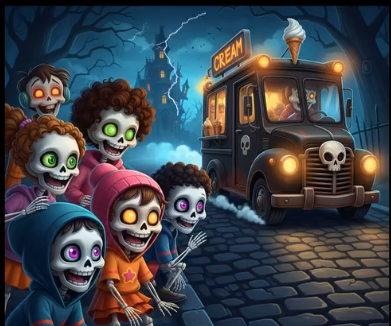
Halloween isn’t just a holiday—it’s a season. From bobbing for apples to haunted ice cream trucks that could give you chills just by rolling down your street, the countdown to October 31st is officially on. With only 68 days left until Halloween, it’s time to embrace the ghosts, goblins, skeletons, and pumpkins that make this season magical.


🕸️ Why the Countdown Matters

Halloween builds anticipation like no other holiday. The decorations go up earlier each year, the spooky memes take over social media, and families start planning costumes and parties weeks (sometimes months) in advance.

Think about it—kids are already imagining their favorite characters, adults are secretly planning group costumes, and candy aisles are screaming our names. The countdown creates that eerie but exciting energy that makes every day closer to Halloween feel like its own mini celebration.


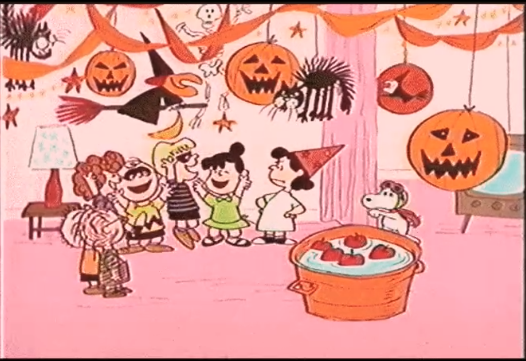
🍎 Classic Halloween Nostalgia

The first image reminds us of the timeless Halloween traditions:

  • Jack-o’-lanterns glowing in the corners
  • Bobbing for apples (a throwback that deserves a comeback!)
  • Paper bats, witches, and hanging decorations straight out of a childhood memory

These moments remind us that Halloween is as much about nostalgia as it is about scares.


👻 Modern Frights with a Twist

Fast-forward to today’s imagination and you’ve got scenes like zombie kids running toward a haunted ice cream truck. Creepy? Yes. Fun? Absolutely. These darker twists on childhood staples are what make modern Halloween imagery so addictive—half scare, half laugh, and 100% unforgettable.


🧡 Getting Ready for Halloween 2025

With 68 days left, here are some quick ways to get in the spooky spirit:

  • Start your costume planning now (the best finds sell out fast).
  • Test-drive some DIY decorations for your porch.
  • Host a mini movie marathon with classics like It’s the Great Pumpkin, Charlie Brown and modern hits like Hocus Pocus 2.
  • Don’t forget to stock up on candy before the shelves are bare!

🎃 Final Thoughts

Halloween is more than a date on the calendar—it’s a whole vibe. From the retro Peanuts party scene to the eerie skull-faced kids craving spooky ice cream, it’s about blending the sweet with the scary. With only 68 days left, the countdown is on—so light those candles, dust off the cobwebs, and get ready for a Halloween to remember.


✍️ About the Author

This blog was written by A.L. Childers, author, blogger, and lifelong lover of all things spooky and nostalgic. Known for weaving history, folklore, and modern culture into her writing, she brings a unique mix of storytelling and insight that captures the spirit of every season.


⚠️ Disclaimer

This blog is for entertainment and informational purposes only. All countdowns, images, and ideas shared are meant to inspire Halloween fun and creativity. Any resemblance to real haunted ice cream trucks is purely coincidental… or is it? 🎃👻


✨ Suggested SEO Keywords: Halloween 2025 countdown, spooky season ideas, nostalgic Halloween, Halloween party planning, creepy Halloween fun, 68 days until Halloween

Chapter 2: Winter Solstice Celebrations: Delving into the Pagan Roots of Christmas

The Winter Solstice and its Significance in Pagan Traditions

The winter solstice, also known as Yule, holds a significant place in pagan traditions and is deeply rooted in ancient beliefs and customs. As Christians, it is crucial for us to understand the origins of this celebration and how it has influenced our modern holiday traditions.

In pagan traditions, the winter solstice marks the longest night of the year and the rebirth of the sun. It symbolizes hope, renewal, and the triumph of light over darkness. Many of the customs associated with the winter solstice have found their way into our Christmas celebrations.

One of the most recognizable pagan customs is the use of evergreen trees. Pagans believed that evergreen trees had special powers as they remained green throughout the winter when other trees shed their leaves. The practice of decorating evergreen trees with lights and ornaments can be traced back to pagan rituals honoring the sun god.

The Yule log is another pagan tradition that has been incorporated into Christmas celebrations. Pagans would bring a large log into their homes and burn it for twelve days to symbolize the lengthening of daylight. This practice is mirrored in the twelve days of Christmas.

Additionally, the exchange of gifts during Christmas can be linked to the Roman festival of Saturnalia, which coincided with the winter solstice. During this festival, gifts were exchanged as a symbol of goodwill and generosity.

Understanding the pagan origins of these traditions does not diminish the significance of Christmas for Christians. Instead, it allows us to appreciate the rich tapestry of history that has contributed to our modern holiday celebrations. It reminds us that Christianity has a long history of incorporating and transforming pagan customs to align with our beliefs.

By exploring the pagan roots of the winter solstice, we can deepen our understanding of the holiday season and engage in meaningful conversations with others who may not share our beliefs. We can also reflect on the true meaning of Christmas and the light that Jesus brings into our lives during the darkest time of the year.

In conclusion, the winter solstice holds great significance in pagan traditions and has influenced our modern holiday celebrations. As Christians, it is important to acknowledge and understand the pagan origins of these customs, as it allows us to appreciate the broader cultural and historical context of our traditions. By understanding the pagan roots of the winter solstice, we can enrich our own faith and engage in meaningful dialogue with others.

Tracing the Evolution of Christmas from Pagan Festivals

The fascinating journey of Christmas and uncover its hidden pagan origins. As Christians, it is essential to understand the historical context of our holiday traditions, especially when they intertwine with ancient pagan festivals. By exploring the roots of Christmas, we can gain a deeper appreciation for its true meaning and purpose.

Winter Solstice Celebrations: Delve into the pagan roots of Christmas and explore traditional rituals and customs associated with the winter solstice. Discover how early Christians strategically aligned the birth of Jesus with this pre-existing festival, in order to attract and convert pagans to Christianity. By understanding the significance of the winter solstice, we can better comprehend why Christmas falls on December 25th.

Samhain Traditions: Explore the pagan origins of Halloween and discover ancient practices associated with this festival of the dead. Understand how early Christians incorporated elements of Samhain into All Hallows’ Eve, transforming it into a time to honor saints and martyrs. By tracing the evolution of Halloween, we can celebrate it in a way that aligns with our Christian faith.

May Day Festivities: Uncover the pagan origins of May Day and explore traditional celebrations such as maypole dancing and flower crowning. Learn how early Christians adapted these customs to honor Mary, the mother of Jesus. By understanding the connection between May Day and Christianity, we can participate in these festivities with a renewed sense of purpose.

Harvest Festivals: Dive into the pagan roots of Thanksgiving and explore ancient harvest festivals that celebrated the abundance of the land. Discover how early Christians transformed these pagan rituals into a time of gratitude and thanksgiving to God. By tracing the evolution of Thanksgiving, we can fully embrace the spirit of this holiday as followers of Christ.

Beltane Rituals: Discover the pagan origins of May 1st and explore ancient fertility rituals and traditions associated with Beltane. Understand how early Christians reinterpreted these rituals to emphasize the gift of life through Christ. By exploring the pagan roots of Beltane, we can appreciate the Christian message of hope and renewal during this time.

By unraveling the hidden pagan origins of American holiday traditions, we can celebrate Christmas and other festivals with a renewed sense of faith and understanding. Let us embrace these traditions, not as remnants of ancient paganism, but as opportunities to celebrate our Christian faith and share the love of Christ with others.

Traditional Rituals and Customs Associated with the Winter Solstice

The pagan roots of Christmas and explore the traditional rituals and customs associated with the winter solstice. As Christians, it is important for us to understand the origins of our holiday traditions and how they have been influenced by ancient pagan festivals.

The winter solstice, also known as Yule, marks the shortest day and longest night of the year. This astronomical event has been observed and celebrated by various cultures for centuries. One of the most significant pagan customs associated with the winter solstice is the lighting of candles or bonfires to symbolize the return of light and hope during the darkest time of the year. This tradition has been incorporated into our modern Christmas celebrations through the lighting of Advent candles.

Another ancient ritual associated with the winter solstice is the decoration of evergreen trees. Pagan cultures believed that evergreen trees symbolized eternal life and rebirth. The practice of bringing evergreen trees into our homes during Christmas originates from this pagan belief. Today, we decorate these trees with lights, ornaments, and garlands to celebrate the birth of Jesus Christ.

Furthermore, the exchange of gifts during Christmas can be traced back to ancient Roman festivals like Saturnalia and the gift-giving traditions of the Norse god Odin. These pagan customs were later assimilated into Christian celebrations of the birth of Jesus, emphasizing the act of giving and sharing.

While it is important to acknowledge the pagan origins of these traditions, as Christians, we can also view them through a different lens. We can see how these ancient practices, which celebrated the return of light and life, can be seen as symbols of the birth of Jesus, the true light of the world.

By understanding the pagan roots of our holiday traditions, we can appreciate their rich history and cultural significance. We can also use this knowledge to deepen our faith and find ways to incorporate meaningful Christian symbolism into our celebrations.

In the next chapters, we will continue to explore the pagan origins of other American holiday traditions, such as Halloween, Thanksgiving, and Easter. By uncovering these hidden connections, we can gain a deeper understanding of our own traditions and strengthen our Christian faith.

Disclaimer

The information and recipes contained in blog is based upon the research and the personal experiences of the author. It’s for entertainment purposes only. Every attempt has been made to provide accurate, up to date and reliable information. No warranties of any kind are expressed or implied. Readers acknowledge that the author is not engaging in the rendering of legal, financial, medical or professional advice. By reading this blog, the reader agrees that under no circumstance the author is not responsible for any loss, direct or indirect, which are incurred by using this information contained within this blog. Including but not limited to errors, omissions or inaccuracies. This blog is not intended as replacements from what your health care provider has suggested.  The author is not responsible for any adverse effects or consequences resulting from the use of any of the suggestions, preparations or procedures discussed in this blog. All matters pertaining to your health should be supervised by a health care professional. I am not a doctor, or a medical professional. This blog is designed for as an educational and entertainment tool only. Please always check with your health practitioner before taking any vitamins, supplements, or herbs, as they may have side-effects, especially when combined with medications, alcohol, or other vitamins or supplements.  Knowledge is power, educate yourself and find the answer to your health care needs. Wisdom is a wonderful thing to seek.  I hope this blog will teach and encourage you to take leaps in your life to educate yourself for a happier & healthier life. You have to take ownership of your health. The highlighted links are affiliate links in my blogs.

This site is designed for educational purposes only and is not engaged in rendering medical advice, legal advice, or professional services. If you feel that you have a medical problem, you should seek the advice of your physician or health care practitioner. For additional information, please see Our full disclosure, terms of use, and privacy policy.

Our full disclosure, terms of use, and privacy policy. | thehypothyroidismchick