Let’s face it—being a work-from-home health insurance agent comes with its own set of unique perks and challenges. While we get to skip the long commute and wear comfy slippers during client calls, tax season has a way of making even the most seasoned agents break out in a cold sweat. But here’s the good news: Uncle Sam may take a chunk of our income, but he’s also left us plenty of ways to save.
If you’re like me, you want to keep as much of your hard-earned money as possible while still playing by the rules. So, let’s dive into the deductions you can claim, keep more money in your pocket, and maybe even stay in the lowest tax bracket. (Who doesn’t want to brag about that?)
The Magic of the Home Office Deduction
First things first—your home office is a goldmine for tax deductions. If you have a space in your house that you use exclusively for work (and no, your bed doesn’t count, no matter how many emails you send from it), you can deduct a portion of your home expenses.
There are two ways to calculate this:
The Simplified Method: You get $5 per square foot of your office, up to 300 square feet.
The Actual Expense Method: You deduct a percentage of your rent/mortgage, utilities, and maintenance based on the size of your office.
Pro tip: If you’re using the fancy coffee mugs in your office, make sure they’re business-related. It’s all about the details!
Stocking Your Office Without Stocking Your Tax Bill
Let’s talk supplies. From pens to printers, everything you use to keep your business running can be deducted. Invest in quality equipment, whether it’s a dual monitor for client presentations or a new chair that won’t break your back.
And don’t forget about software. CRMs, cloud storage, and even that Zoom subscription you use for client calls? They all count. (If only we could deduct the awkward silences during video calls, right?)
Staying Connected: Internet and Phone Bills
Your internet and phone are lifelines to your clients—and to your deductions. Calculate the percentage of time you use these services for work and write that off. If you’re on the phone with clients more than your family, it’s time to let the IRS know.
Market Like a Pro
Every penny you spend on marketing—whether it’s a slick website, Google Ads, or those business cards you forgot to hand out at a networking event—is deductible. Remember, the more you promote yourself, the more clients you can reach, and the more you can save come tax season.
Travel and Mileage: Your Car is a Tax-Saving Machine
Do you drive to meet clients or attend conferences? Keep track of your mileage because every mile adds up. The IRS even gives you a standard rate per mile (65.5 cents in 2023). Just make sure to track your trips with a mileage log or app.
Professional Development: Sharpen Your Skills, Lower Your Taxes
Did you take a course to add another certification to your arsenal? That’s deductible! Whether it’s Medicare Advantage, life insurance, or something else, any training that helps you grow your business can be claimed.
Books, webinars, and trade publications? Add them to the list. Because let’s be real—knowledge is power, and tax savings are the cherry on top.
Insurance Agents Need Insurance Too
If you pay for liability insurance or Errors & Omissions (E&O) coverage, you can deduct those expenses. And if you’re self-employed, don’t forget your health insurance premiums. The IRS gives self-employed folks a break here, so take advantage of it.
Don’t Forget the Small Stuff
Gifts: Small tokens of appreciation for clients (up to $25 per person per year) can be deducted.
Bank Fees: If you have a business bank account or use payment processors like PayPal or Stripe, those fees are deductible.
Home Repairs: Did you fix that squeaky door in your office or add better lighting for Zoom calls? Deduct it!
How to Stay Organized and Stress-Free
Keep Records Like a Pro: Receipts, invoices, and bank statements are your best friends.
Use Accounting Software: QuickBooks, Wave, or similar platforms can help track expenses and simplify your life.
Hire a Tax Professional: If you’re overwhelmed, a tax expert can help you maximize deductions and keep you compliant.
What’s Next? Diversify Your Portfolio
The healthcare landscape is always changing, so it’s smart to explore additional certifications. Consider adding Medicare Advantage, life insurance, or property and casualty insurance to your offerings. These areas not only provide new income streams but also offer flexibility to balance work and family time.
My Final Word
Being a work-from-home health insurance agent means wearing many hats—advisor, marketer, accountant, and maybe even your household chef in between calls. But with careful planning and a little humor, you can maximize your savings, keep more of what you earn, and thrive in this ever-changing industry.
Remember, I’m here to help, whether you need guidance on insurance, want to brainstorm deductions, or just need a laugh after a long day.
Here’s to a profitable and tax-savvy future! Cheers!
Disclaimer
The information provided in this blog is for general informational and educational purposes only. It reflects the personal opinions and professional experiences of Audrey Childers, a licensed health insurance agent. While every effort has been made to ensure the accuracy and reliability of the information shared, it is not intended as specific legal, financial, tax, or professional advice.
Tax laws, insurance policies, and regulations are subject to change and may vary based on your location or individual circumstances. Readers are encouraged to consult with a qualified tax professional, accountant, or legal advisor for advice tailored to their specific needs.
Audrey Childers and associated parties are not responsible for any errors, omissions, or actions taken based on the content of this blog. All decisions regarding taxes, deductions, or financial planning should be made after consulting with a licensed professional.
When people talk about taxation, you’ll often hear the phrase “taxation is theft.” But let’s be clear—it’s not theft; it’s extortion. The government doesn’t just ask for your money—they take it. And if you don’t give it to them, the consequences are severe. In fact, you could lose everything, whether through prison or forfeiture of your assets. In the land of the free, that doesn’t sound very liberating, does it?
The Boston Tea Party: The Birth of a Tax Revolt
It all started back in 1773, long before taxes became the complex machine they are today. Colonists in America were fed up with being taxed by a government thousands of miles away in Britain. Specifically, they were enraged by the Tea Act, which allowed the British East India Company to sell tea at a lower price but still keep the tax on it. This led to the famous Boston Tea Party, where protestors dumped 342 chests of British tea into the Boston Harbor. This was the beginning of America’s deep-seated disdain for taxes. Ironically, this fight for “taxation with representation” was only the start.
The Rise of Federal Income Tax: The Civil War Era
While early American taxes were primarily excise taxes on goods like whiskey, it wasn’t until the Civil War that the federal government began to impose income taxes. In 1861, Congress passed the Revenue Act, instituting a federal income tax to help cover the enormous costs of the war. It was a short-lived measure, but it set the stage for what would later become the federal income tax system. Though repealed in 1872, the groundwork had been laid.
1913: The Birth of the Modern Income Tax System
Fast forward to 1913, when the 16th Amendment was ratified, officially giving Congress the power to tax income. This wasn’t just a temporary wartime measure—it became a permanent fixture in American life. The justification was simple: the government needed money to run its operations, and what better way than to take it directly from the wages of its citizens?
This marked the beginning of the modern tax system as we know it, but it didn’t stop there. The federal government expanded its tax-collecting reach, and over the years, taxes became more comprehensive, complex, and inescapable.
Taxed on Everything: The Death by a Thousand Cuts
Today, we are taxed on everything. It’s not just your income that gets hit; it’s your house, car, and food. Here’s how taxes have expanded:
Property Taxes: Even if you own your home outright, you are still required to pay property taxes. Miss a payment, and the government can seize your home. You never truly “own” your property.
Sales Taxes: Every time you purchase something, from groceries to gasoline, you are taxed. Some states have higher sales taxes than others, but there’s no escaping it.
Income Taxes: A significant portion of your paycheck is taken before you even get it. Federal and state governments siphon off a chunk, and if you’re self-employed, you’re responsible for paying even more through self-employment taxes.
Estate Taxes: When you die, your estate is taxed before your heirs can inherit it. This is often called the “death tax,” as it essentially taxes your wealth, even in death.
What Happens If You Don’t Pay?
Let’s not forget the harsh reality of non-payment. If you don’t pay your taxes, the government can garnish your wages, seize your property, and even throw you in jail. It’s not a voluntary system—it’s compulsory, enforced through penalties and imprisonment. This isn’t freedom; it’s extortion with a legal stamp of approval.
How Much Do We Really Pay?
According to recent estimates, Americans pay about 30% to 40% of their income in taxes when you add up federal, state, and local taxes. In some cases, people pay more than half of their earnings to the government. On top of that, we pay for everything else—healthcare, education, and infrastructure—through additional taxes and fees. It’s a vicious cycle of giving, and the return feels minimal compared to the ever-increasing cost of living.
The Illusion of Ownership
In reality, we own nothing. Your home, your car, your income—they are all subject to taxation. Fail to pay those taxes, and the government will take what’s yours. We live under the illusion that we are free and own our assets, but the truth is, the government has a claim on everything we have worked hard to build.
The Future of Taxation: A Glimpse Ahead
Looking at the historical timeline, taxation has only grown more invasive and more complex. What started as a rebellion against unfair taxation has transformed into a system that taxes nearly every aspect of our lives. What will the future hold? More taxes on digital transactions, carbon emissions, and perhaps even the air we breathe? The possibilities are endless—and frightening.
Conclusion: Taxation is Extortion, Not Freedom
As we reflect on the long, winding history of taxation in America, one thing becomes clear: we are not as free as we think. Taxes have evolved from a necessary evil to a form of legalized extortion. And while it’s important to fund essential services, we must ask ourselves—at what cost? If the consequence of not paying taxes is imprisonment or asset seizure, how free are we really?
The next time you get your paycheck and see how much has been taken out, or when you receive your property tax bill, remember—you don’t truly own anything. You’re just renting it from the government.
By tracing the history of taxes, we can see that the system is designed to control and extract. The Boston Tea Party was just the beginning, and now, we are taxed to death. It’s time we rethink our relationship with taxation and demand more accountability from those who enforce it.
About the Author
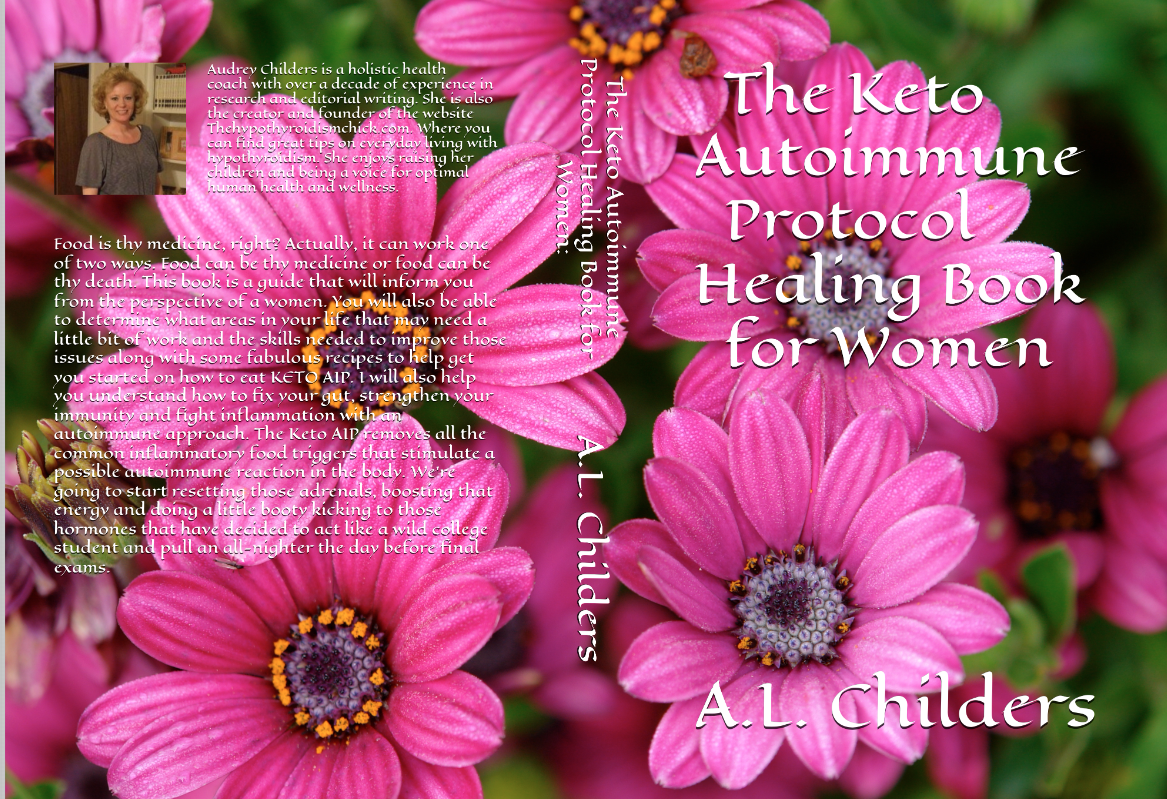
A.L. Childers is a wellness advocate, thyroid warrior, and the author behind multiple best-selling books on hypothyroidism. After years of battling thyroid issues herself, she dedicated her life to sharing practical tips, delicious recipes, and lifestyle changes that truly work. Through her books and blog, she aims to empower others to take control of their health and kick hypothyroidism’s booty—one meal at a time. You can find her books on Amazon and connect with her on social media for daily tips and thyroid-friendly recipes.
Visit my About the author to explore more books that can support your health journey, and don’t forget to sign up for my newsletter for exclusive tips and updates!
Recommended Reading
For those interested in diving deeper into wellness, managing thyroid health, and understanding the importance of holistic nutrition, I recommend the following books:
Take the first step to a healthier you. Get your copy now and transform your thyroid health for good.
A.L. Childers is a passionate advocate for health, wellness, and personal empowerment, drawing from her own experiences as a researcher, journalist, and someone who has personally navigated the challenges of thyroid disorders and autoimmune conditions. With over 200 books to her name, A.L. Childers has written extensively on topics ranging from holistic healing, autoimmune wellness, and thyroid health to more creative and lighthearted topics like children’s coloring books and cookbooks for pets. Her diverse range of expertise and unique perspective resonates deeply with readers seeking practical, actionable advice to improve their lives.
A.L. Childers’s books stand out because they offer more than just information—they provide a compassionate, relatable voice that empowers readers to take control of their health, happiness, and future. Each book is crafted with care, backed by research, and filled with personal insights, making complex topics easy to understand and apply. Whether you’re struggling with a chronic condition or simply seeking better health and vitality, her books are designed to guide you toward transformation and wellness.
Why should you purchase one of her books? Because they are not only educational, but also transformative. With A.L. Childers’s guidance, you can heal your body, strengthen your immune system, and rediscover your energy—all while feeling supported by someone who truly understands the journey.
Take action now—explore A.L. Childers’s collection and start your journey to better health and wellness today!
If you’ve enjoyed my writings and would like to support future content, you can help keep my blog and books alive with a donation. Whether it’s $1 or any amount you feel inspired to give, your support means the world to me. You can donate through Venmo at @Audrey-Childers-4 or via Cash App at $abbigailChilders. Every contribution helps fuel the passion behind my work, and I truly appreciate your generosity! Thank you for being part of this journey.
Get ready to dive into the vibrant and eclectic world of Audrey Childers, the author who’s written something for absolutely everyone! With over 200 books under her belt—ranging from playful coloring books to thought-provoking self-help guides, spellbinding fantasy novels, and everything in between—Audrey has crafted a literary collection for every age and stage of life.
As the creative force behind TheHypothyroidismChick.com, she’s also a passionate advocate for health and wellness, sharing her own tips and insights on living well with hypothyroidism. But Audrey doesn’t stop there. She’s a mom, a voice for optimal human health, a blogger, a freelance journalist, and an entrepreneur who’s spent over a decade fine-tuning her craft in research and editorial writing.
Want to uncover her latest bestsellers? Some of her most popular works include “A Survivor’s Cookbook Guide to Kicking Hypothyroidism Booty,” “Reset Your Thyroid,” and the biting satire, “The Plague of Overeducated Dumb People.” But there’s so much more! Click the many links “About the Author” to check out her incredible range of books—you won’t regret it!
Keywords:
Hypothyroidism cookbook
Fall recipes for thyroid health
Thyroid-friendly recipes
Hypothyroidism diet recipes
Thyroid healing recipes
Autumn comfort food
Gluten-free fall recipes
Low-inflammatory diet
Hypothyroidism diet for beginners
Easy thyroid recipes
Healthy fall dishes
Hashimoto’s recipes
Thyroid-friendly substitutions
Seasonal recipes for hypothyroidism
Hashtags:
#HypothyroidismDiet
#ThyroidHealth
#HypothyroidismRecipes
#ThyroidHealing
#FallRecipes
#HealthyCooking
#ThyroidSupport
#HashimotosDiet
#GlutenFreeRecipes
#FallComfortFood
#ThyroidFriendly
#AutoimmuneWellness
#HealingWithFood
#ThyroidCare
#HealthyEating
#NourishYourThyroid
Disclaimer
The information and recipes contained in blog is based upon the research and the personal experiences of the author. It’s for entertainment purposes only. Every attempt has been made to provide accurate, up to date and reliable information. No warranties of any kind are expressed or implied. Readers acknowledge that the author is not engaging in the rendering of legal, financial, medical or professional advice. By reading this blog, the reader agrees that under no circumstance the author is not responsible for any loss, direct or indirect, which are incurred by using this information contained within this blog. Including but not limited to errors, omissions or inaccuracies. This blog is not intended as replacements from what your health care provider has suggested. The author is not responsible for any adverse effects or consequences resulting from the use of any of the suggestions, preparations or procedures discussed in this blog. All matters pertaining to your health should be supervised by a health care professional. I am not a doctor, or a medical professional. This blog is designed for as an educational and entertainment tool only. Please always check with your health practitioner before taking any vitamins, supplements, or herbs, as they may have side-effects, especially when combined with medications, alcohol, or other vitamins or supplements. Knowledge is power, educate yourself and find the answer to your health care needs. Wisdom is a wonderful thing to seek. I hope this blog will teach and encourage you to take leaps in your life to educate yourself for a happier & healthier life. You have to take ownership of your health. The highlighted links are affiliate links in my blogs.
This site is designed for educational purposes only and is not engaged in rendering medical advice, legal advice, or professional services. If you feel that you have a medical problem, you should seek the advice of your physician or health care practitioner. For additional information, please see Our full disclosure, terms of use, and privacy policy.
In the annals of American history, 1871 stands out as a pivotal year that has been shrouded in mystery and obscured from public knowledge. Much like Vatican City and the City of London, Washington, D.C. holds a unique status—operating as a sovereign entity separate from the nation it resides within. This article delves into the implications of the Organic Act of 1871, which established Washington, D.C. as a distinct corporate entity, and explores the broader significance of this transformation.
The Sovereign City-States: Vatican City, The City of London, and Washington, D.C.
To understand the significance of the Organic Act of 1871, it is essential first to recognize the unique statuses of Vatican City, the City of London, and Washington, D.C. These entities function as independent city-states with their own governments, separate from the nations that surround them.
Vatican City: Enslaved within Rome, Vatican City boasts its own police force, political structure, and governance. It operates as the religious hub of the Catholic Church, wielding significant influence over its global congregation.
The City of London: Nestled within the larger city of London, this financial district possesses its own flag, crest, police force, ceremonial armed forces, and mayor. It serves as a global banking powerhouse, independent of the UK’s national policies.
Washington, D.C.: Unlike the states within the United States that have their own constitutions and flags, Washington, D.C. operates under a unique framework. Despite being the epicenter of American political power, it is not a state but a separate corporate entity with its own set of laws, police force, and mayor.
The Organic Act of 1871: A Transformative Legislation
The Organic Act of 1871 marked a turning point in American history. Passed during a time of national turmoil and economic vulnerability following the Civil War, this legislation established the District of Columbia as a separate entity. The U.S. was struggling with bankruptcy, and the London bankers, including the infamous Rothschild family, saw an opportunity to exert their influence.
The Deal with the Bankers: In an effort to stabilize the nation’s finances, Congress struck a deal with these powerful bankers. This agreement allowed for the creation of a 10-mile square parcel of land known as the District of Columbia. This district would function as a corporation, operating outside the original Constitution of the United States.
Subtle but Significant Changes: The act subtly altered the Constitution, changing the title from “The Constitution for the United States for America” to “the Constitution of the United States of America.” Though seemingly minor, these changes had profound implications, allowing for the creation of a corporate government distinct from the constitutional republic initially envisioned by the Founding Fathers.
The Implications of Corporate Governance
The establishment of Washington, D.C. as a corporate entity had far-reaching consequences. The new structure allowed for the passage of the 16th Amendment, enabling the federal government to tax individual income irrespective of state populations. This paved the way for the creation of the Federal Reserve in 1913, a private corporation controlling the nation’s monetary policy, yet not a government institution.
The Federal Reserve and Income Tax: The Federal Reserve’s creation centralized control over the nation’s economy, requiring citizens to surrender their gold and silver to the government. Social Security numbers were introduced in 1935, further cementing the government’s control over individual finances. Since the 1950s, personal income taxes have become the primary revenue source for the federal government, solidifying the notion of the U.S. as a corporation with its citizens as employees.
The Dollar and Gold Standard: President Richard Nixon’s decision in 1971 to sever the dollar’s connection to the gold standard further compounded the nation’s economic woes. The purchasing power of the dollar declined while federal and consumer debt soared, illustrating the long-term impacts of the decisions made in 1871.
Who Benefits from the Act of 1871?
The beneficiaries of the Organic Act of 1871 are evident. The London bankers who orchestrated the deal with Congress reaped significant profits, continuing to influence American politics and economy. The Federal Reserve, serving no genuine function beyond eroding the purchasing power of American workers, operates under the guise of a governmental institution while funneling wealth to its private, non-American owners.
The average U.S. citizen or the bankers who incorporated the United States? And they have been buying politicians ever since. The same Federal Reserve, which serves absolutely no real function except for stealing the purchasing power of your 60-hour work week and then redistributing those funds to destroy your rights and enslave you on your own soil. Hey, just like they did back in Babylon. It’s the same folks using the same debt slavery system, time after time. When will we learn that debt with interest is a system of perpetual debt and is intended to be passed on to the people beneath until the debt gap consumes all who owe the debt?
A Call to Awareness and Action
This was never taught to me in school. As Americans, it is so important that we not let this information die with our generation. One of the most important lessons you can teach your children is how to obtain their own freedom and identify when their freedoms are being taken from them and how to demand those personal freedoms and liberties back instead of waiting around for a hero in the form of a politician who will represent them to offer solutions. Politicians are selling socialism and communism. The future seems so bleak. The future will always be bleak if you are a debt slave. Before your foot even touches this earth, you are scanned into a system as an employee of this corporation, which does not care about you one bit.
The United States is still a great country, but it has its problems. You can riot, loot, and protest all you want, but until the Federal Reserve is ended or the Act of 1871 is torn into a thousand pieces and thrown into the wind, until the IRS is abolished, and until we move back to the gold standard, we have no chance of experiencing true freedom. As Americans, it is crucial to understand the historical context and implications of the Organic Act of 1871. This knowledge is not merely academic but vital for recognizing the erosion of freedoms and the perpetual debt slavery system that mirrors ancient Babylon. Teaching future generations about these realities and advocating for the abolition of the Federal Reserve and the return to a gold standard are steps toward reclaiming personal and national sovereignty.
Only by acknowledging and confronting the hidden history of 1871 can we hope to restore the vision of the Founding Fathers and secure a brighter future for all Americans.
“Old Mother Hubbard” is a charming nursery rhyme that recounts the whimsical adventures of an old woman and her dog. The rhyme goes:
Mother Hubbard
Went to the cupboard,
To give the poor dog a bone;
But when she came there,
The cupboard was bare,
And so the poor dog had none.
Children picture a kind-hearted old woman who, despite her best efforts, finds her cupboard empty when she tries to feed her beloved dog. The story continues with a series of humorous and fanciful events, adding to the delight and charm of this classic nursery rhyme. However, beneath this light-hearted tale lies a deeper, darker truth that resonates with the experiences of many Americans today.
The Dark Truth Behind “Old Mother Hubbard”
While the rhyme appears to be a simple tale of an old woman and her dog, it may also reflect the grim realities of poverty and hunger. One interpretation suggests that “Old Mother Hubbard” is a commentary on the widespread poverty and destitution experienced by many during the 18th and 19th centuries. The empty cupboard symbolizes the lack of resources and food, a common plight for the poor. The rhyme’s whimsical tone belies the harsh truth of starvation and the struggles of those who lived in extreme poverty. The image of the “poor dog” further emphasizes the desperation of the situation, highlighting the lack of basic necessities.
Another theory ties the rhyme to political and religious satire. It has been suggested that “Old Mother Hubbard” may represent the clergy or the government, and the “dog” symbolizes the people. The empty cupboard reflects the neglect and failure of those in power to provide for the needs of the populace. The rhyme could be seen as a critique of the inadequate social support systems and the indifference of those in authority to the suffering of the common people.
Drawing Parallels: The Modern American Experience
Just as “Old Mother Hubbard” masks a history of poverty and neglect, the modern American taxpayer faces an economic landscape where the government’s reach is ever-present, and the burden of taxation weighs heavily on the lower and middle classes. In America, the common person is taxed on nearly everything—income, property, sales, and even inheritance. These taxes, much like the empty cupboard in the rhyme, often leave individuals and families struggling to make ends meet.
The government, through its various agencies and policies, rules the lower and middle classes, creating a situation where economic stability is difficult to achieve. The constant demand for revenue to support public services and other expenditures places a heavy burden on the working class, much like the bare cupboard of Old Mother Hubbard.
Historical Echoes: Economic Burden and Social Neglect
The analogy between the empty cupboard in the rhyme and the modern economic environment is striking. Just as the cupboard eventually ends up empty, many Americans find themselves facing economic instability as taxes and cost-of-living expenses rise. The government’s control over financial aspects creates a situation where the lower and middle classes are perpetually at risk of falling into financial despair.
Consider the impact of open borders and the allocation of resources to immigrants, which, while intended to provide humanitarian aid, add to the financial strain on taxpayers. The government’s continued financial aid to foreign nations, such as the billions sent to Ukraine, further amplifies this frustration. Many Americans are left wondering why their hard-earned money is being used to support initiatives abroad while they struggle to afford basic necessities at home.
History and Authors
The earliest recorded version of “Old Mother Hubbard” was published in 1805 by Sarah Catherine Martin in a book titled The Comic Adventures of Old Mother Hubbard and Her Dog. The rhyme quickly gained popularity and has since become a staple of nursery rhymes. While Sarah Catherine Martin is credited with the publication, the origins of the story may be older, stemming from oral traditions and folk tales. The rhyme’s enduring appeal lies in its simple yet captivating narrative and the relatable struggles of its characters.
A Reflection for Modern Americans
So, next time you recite “Old Mother Hubbard,” consider the layers of history and social commentary hidden within its lines. Behind the amusing tale of an old woman and her dog lies a reflection on poverty, social neglect, and the resilience of the human spirit in the face of hardship. Much like the rhyme’s cupboard, the financial resources of many Americans are often left bare by the weight of taxation and economic policy. Recognizing this parallel can help us understand the deeper implications of our tax system and the governmental control that affects our everyday lives.
As Americans, we must remain vigilant and informed about the forces that shape our economic landscape. The lessons embedded in “Old Mother Hubbard” serve as a poignant reminder of the delicate balance between stability and collapse, urging us to advocate for a fairer and more equitable system for all.
“Rock-a-Bye Baby” is a classic lullaby that has been sung to countless children to soothe them to sleep. Its gentle melody and calming lyrics evoke images of a peaceful baby cradled in a tree, gently swaying with the breeze. The lullaby goes:
vbnetCopy codeRock-a-bye baby, on the treetop,
When the wind blows, the cradle will rock,
When the bough breaks, the cradle will fall,
And down will come baby, cradle and all.
It’s easy to picture a serene scene: a quiet, star-lit night, a soft wind rustling through the leaves, and a baby sleeping soundly in a cradle made of sturdy branches. This lullaby is a staple in bedtime routines, designed to lull little ones into dreamland.
Dark Truth
Now, let’s delve into the unsettling backstory of “Rock-a-Bye Baby.” Far from being a simple lullaby, this rhyme has darker connotations that might make you think twice about its soothing nature.
The origins of “Rock-a-Bye Baby” are murky, but one popular theory ties it to the early American settlers. According to this version, the rhyme was inspired by Native American practices of placing babies in birch-bark cradles, which were suspended from tree branches to be rocked by the wind. While this might sound charming, the rhyme’s darker side emerges with the imagery of the cradle falling.
Another interpretation links the lullaby to the tumultuous political climate of 17th-century England, specifically the Glorious Revolution of 1688. In this context, “Rock-a-Bye Baby” is thought to be a commentary on the fall of King James II. The “baby” symbolizes the heir to the throne, and the “wind” and “bough” represent the political forces that led to the king’s downfall. The cradle crashing to the ground reflects the precariousness and ultimate collapse of James’s reign.
Imagine the anxiety and uncertainty of those times, where the stability of the monarchy was as fragile as a cradle hanging from a tree. The lullaby becomes a metaphor for political upheaval and the unpredictable nature of power and leadership.
History and Authors
The earliest known publication of “Rock-a-Bye Baby” appeared in Mother Goose’s Melody in 1765, but the rhyme likely circulated orally for many years before that. Its authorship remains anonymous, typical of many traditional nursery rhymes that have been shaped by generations of singers and storytellers.
Despite its dark undertones, “Rock-a-Bye Baby” has endured as a beloved lullaby, soothing children to sleep while carrying echoes of historical events and cultural practices. Its persistence speaks to the universal need for comfort and the timeless nature of music as a tool for expressing complex emotions.
So, next time you sing “Rock-a-Bye Baby,” remember the layers of history and meaning hidden within its gentle melody. Behind the sweet lullaby lies a tale of fragility, political intrigue, and the delicate balance between safety and peril.
Children’s laughter fills the air as they gleefully sing and play, imagining the grand old bridge in a gentle state of disrepair. It’s all fun and games, right? But what if I told you that the seemingly innocent nursery rhyme “London Bridge is Falling Down” holds a dark truth that resonates deeply with the history and current experiences of the American people?
The Dark Truth Behind the Rhyme
Hold on to your hats, because the real story behind “London Bridge is Falling Down” plunges us into the murky waters of history. This rhyme, while seemingly innocent, is believed to reference numerous disasters and reconstructions of the actual London Bridge, including chilling methods reportedly used to ensure its stability.
The earliest versions of the bridge date back to Roman times, but the most infamous stories arise from the medieval era. One particularly dark theory suggests that children were buried alive in the foundations of the bridge as a form of human sacrifice. This gruesome practice was believed to ensure that the bridge would remain standing, as the spirits of the sacrificed children would protect it from collapse. Imagine the fear and horror of medieval Londoners, who lived in a world where human sacrifices were a desperate attempt to appease the gods or secure a stable structure. The idea of innocent lives being entombed within the stone and mortar of the bridge casts a dark shadow over the playful rhyme.
Another interpretation connects the rhyme to the repeated Viking attacks on London, specifically the destruction caused by Olaf II of Norway in the early 11th century. His forces reportedly pulled down the bridge as part of their invasion, leading to the depiction of the bridge falling down.
So, while children merrily chant about London Bridge, they are unknowingly recounting tales of destruction, death, and historical turmoil. The rhyme becomes a haunting echo of a time when fear and superstition ruled the day, and the foundations of society were as unstable as the bridges they built.
Drawing Parallels: The American Experience
Now, let’s draw a parallel to the American experience. Just as “London Bridge is Falling Down” masks a history of sacrifice and turmoil, the modern American taxpayer faces a reality where the government imposes burdens that can feel just as oppressive.
In America, the common person is taxed on nearly everything – income, property, sales, and even inheritance. These taxes, like the wool tax in medieval England, often seem to benefit the wealthy and powerful while placing a heavy burden on the working class. The constant demand for revenue to support various governmental expenditures leaves many Americans struggling to afford basic necessities.
Historical Echoes: Human Sacrifice and Economic Burden
Just as medieval Londoners faced the fear of human sacrifices to maintain their bridge, modern Americans confront the economic sacrifices demanded by an ever-expanding government. The open borders and allocation of resources to immigrants, while noble in intent, add to the financial strain on taxpayers. The government’s continued financial aid to foreign nations, such as the billions sent to Ukraine, further amplifies this frustration, especially when many Americans are homeless and hungry.
The common American, much like the “little boy who lives down the lane” in “Baa Baa Black Sheep,” works tirelessly, only to see their hard-earned money lining the pockets of the rich and powerful. The nursery rhyme serves as a subtle protest against unfair taxation, a whisper of dissent cleverly masked as a children’s song. This reflects the broader economic oppression and exploitation that many feel today.
History and Authors
The first recorded version of “London Bridge is Falling Down” dates back to the 17th century, but references to the bridge and its troubles are much older. The rhyme was first published in the form we recognize today in the 1850s, but it likely existed in oral tradition long before then. The authorship of the rhyme is anonymous, as with many nursery rhymes that have been passed down through generations. Its endurance is a testament to its catchy melody and the universal fascination with tales of construction and collapse.
London Bridge itself has undergone numerous reconstructions over the centuries, each iteration facing its own set of challenges. From the Roman bridge to the medieval stone structure, and the more modern versions, London Bridge has been a central part of the city’s history. The current bridge, completed in 1973, stands as a symbol of resilience and renewal.
A Reflection for Modern Americans
The next time you hear children singing “London Bridge is Falling Down,” remember the layers of history embedded in those simple words. The rhyme is not just a game but a narrative of human sacrifice, invasion, and the relentless march of time. Similarly, the modern American taxpayer’s struggle is a reflection of economic burdens and systemic challenges.
Both the rhyme and the American experience remind us that history has a way of repeating itself, often in surprising and sobering ways. As we navigate our own economic and social landscapes, let’s remain vigilant and aware of the forces shaping our lives, much like the medieval Londoners who faced their own daunting challenges.