(A Tale of Scent, Science, and a Curious Lamp That Saved the City Air)
Step inside a fog-kissed Dickensian tale of alchemy and air purification. Learn how to craft 5 non-toxic Lamp Berger recipes, understand safety tips, and rediscover the forgotten art of clean, chemical-free home fragrance.
⭐ The Tale Begins…
London, dear reader, is a city forever haunted by fog — creeping along cobblestones, curling through alleyways, wrapping itself around chimney stacks until even the moon seems unsure of her place in the heavens.
On a night such as this, a small lamp flickered in the window of Miss Adelaide Carroway, a woman of peculiar wisdom and spotless housekeeping. Passersby often paused, wondering how her humble rooms smelled perpetually of fresh morning air while the rest of London stank of coal smoke and wet wool.
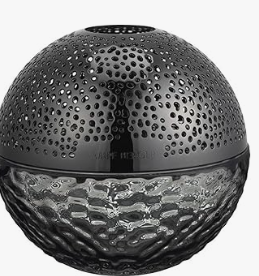
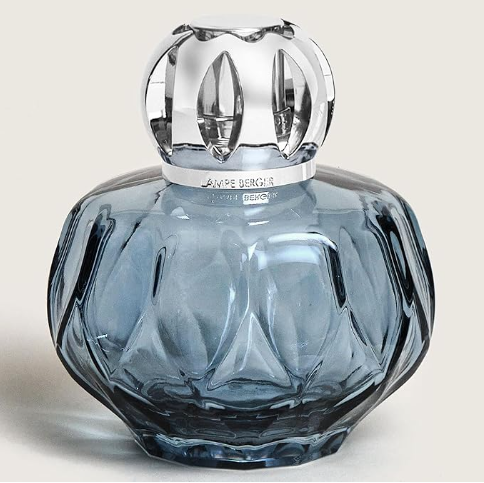
The secret, whispered only among the cleverest of housekeepers, was a small French invention newly arrived across the Channel: the Lamp Berger, a vessel that consumed unpleasant air rather than merely disguising it. Miss Adelaide, being both prudent and a lover of animals, refused to trust the heavy chemical fragrances offered by vendors at the market.
Instead, she mastered the art of clean-air alchemy — crafting her own fuels, gentle enough for her aging dog, her rheumatic aunt, and the delicate sparrow that often perched on her sill.
Tonight, dear reader, she teaches you.
⭐ THE BASE ELIXIR
Every alchemist must begin with purity.
9 oz 90–91% isopropyl alcohol
1 oz distilled water
Shake gently — even Miss Adelaide treated this step with reverence.
⭐ PET-SAFE NOTES (Adelaide Would Insist!)
Use only light oils — never the heavy, medicinal kind.
Ventilate the room.
Keep sessions to 20–30 minutes.
When in doubt: choose unscented fuel.
Now let us follow Miss Adelaide into her workshop…
⭐ FIVE NON-TOXIC RECIPES FROM ADELAIDE’S LEDGER
1️⃣ London Fog Lifter
Made for mornings when even the curtains feel heavy.
Ingredients:
9 oz alcohol
1 oz water
2 drops lavender
2 drops lemon
Instructions:
Blend base.
Add oils.
Shake three times (Adelaide swore this mattered).
Rest 6 hours.
Soft, bright, and cleansing.
2️⃣ Thames-Side Hearth
A warm, riverbank comfort.
Ingredients:
9 oz alcohol
1 oz water
3 drops vanilla
1 drop cedarwood
Instructions:
Combine base.
Add oils.
Shake until the scent settles.
Smells like safety.
3️⃣ Midnight Quill & Ink
A scent for writers, dreamers, and restless minds.
Ingredients:
9 oz alcohol
1 oz water
2 drops bergamot
1 drop sandalwood
1 drop chamomile
Instructions:
Mix carefully.
Shake with intention.
Allow to steep 12 hours.
Imagine Dickens hunched over his desk — this is that scent.
4️⃣ Cobblestone Clean Breeze
Made to erase the odor of wet coats and weary travelers.
Ingredients:
9 oz alcohol
1 oz water
2 drops rosemary
2 drops orange
Instructions:
Prepare base.
Add oils.
Shake lightly.
Crisp, tidy, fresh.
5️⃣ Adelaide’s Secret (Unscented Purifier)
The one she used most.
Ingredients:
9 oz alcohol
1 oz water
Instructions:
Mix.
Shake.
Use confidently in any room, with any pet, at any hour.
No scent — only clean, new air.
⭐ REFERENCES & RESOURCES
Archives on Lampe Berger history (French perfuming journals)
Essential oil safety data from Tisserand Institute
Indoor air safety documentation (Poison Control & EPA)
Use essential oils lightly. Consult a veterinarian for sensitive pets. This guide is for educational purposes only; always operate catalytic lamps responsibly.
⭐ ABOUT THE AUTHOR
A.L. Childers, a modern chronicler of home alchemy and clean living, blends old-world storytelling with practical wisdom. Her guides revive the forgotten art of non-toxic fragrance and the elegance of mindful homemaking in a chaotic world.
Books That Support Thyroid, Feminine Energy & Ancestral Healing
(A Dickensian Tale of Fresh Air, Fragrance, and the Modern Home)
Discover 5 non-toxic Lamp Berger recipes, pet-safe scent blends, and a Dickens-inspired tale on clean living and gentle fragrance. Learn how to use catalytic lamps properly, craft safe homemade fuels, and refresh your home without chemicals.
⭐ The Story Begins…
In every age, my dear reader, there are two things a household must tend to: It’s peace and its air.
One must cultivate the first with attention to character, and the second with a gentle hand and a bit of alchemical wisdom. For even the grandest Victorian parlour could be rendered unpleasant by the lingering odor of a damp overcoat, a pot of cabbage stew, or Uncle Henry’s fondness for aromatic tobacco.
And so it was, in the late 19th century, that a humble Parisian pharmacist named Maurice Berger created a small lamp with an extraordinary purpose: not to perfume the home, but to purify it. This curious device — the Lamp Berger — used a catalytic stone that, once ignited, devoured unpleasant airs with astonishing efficiency.
Time has carried this invention far from its modest beginnings. Today, its beauty remains, but its fuels — often thick with chemicals and mystery ingredients — do not always honor the sensitive lungs of infants, elders, or the cherished pets who curl like commas at the edges of our lives.
Thus we return to simple matters, to pure blends, to homemade recipes that would earn a nod from Mr. Berger himself.
Come, let us mix, stir, and restore the old magic with new intention.
⭐ HOW TO USE A LAMP BERGER PROPERLY
Before we begin our scentwork, a few rules — for rules prevent calamity:
Fill the lamp halfway — never brim-full.
Let the wick soak exactly 20 minutes.
Light the stone; allow it to burn 2 minutes.
Blow it out gently.
Allow the catalytic reaction to run 15–30 minutes only.
Snuff with the heavy cap — as ceremoniously as closing a novel.
⭐ PET SAFETY: A NOTE OF COMPASSION
Cats and small pets possess delicate constitutions. As such:
Never operate the lamp in a closed, unventilated room.
And remember: sometimes the best fragrance is pure, clean air.
Now, let us proceed to our blends…
⭐ THE BASE FORMULA FOR ALL RECIPES
A simple elixir of cleanliness:
90% isopropyl alcohol (91% is acceptable)
10% distilled water
Example:
9 oz alcohol
1 oz water
Shake gently, like turning the first page of a new chapter.
⭐ FIVE NON-TOXIC RECIPES FOR A GENTLER HOME
1️⃣ Victorian Lavender & Earl Grey Mist
A scent worthy of a London salon at tea time.
Ingredients:
9 oz alcohol
1 oz water
5 drops lavender
2 drops bergamot
Instructions:
Mix alcohol + water.
Add oils one at a time.
Shake gently.
Let steep 12 hours for a refined finish.
A soft, respectable fragrance — neither boastful nor shy.
2️⃣ Sweet Parlour Vanilla Cream
A comfort reminiscent of warm pudding and kind company.
Ingredients:
9 oz alcohol
1 oz water
4 drops vanilla
Instructions:
Combine.
Shake lightly.
Allow to rest at room temperature.
Ideal for winter evenings when the wind scolds the windowpanes.
3️⃣ Herbal Housekeeper’s Fresh Air Blend
A clean, botanical whisper.
Ingredients:
9 oz alcohol
1 oz water
2 drops rosemary
2 drops chamomile
Instructions:
Mix base.
Add oils.
Shake with purpose.
Fresh as linens hung in the countryside sun.
4️⃣ Crisp Morning Orchard
Light, citrus-kissed, and bright.
Ingredients:
9 oz alcohol
1 oz water
3 drops sweet orange
1 drop lemon
Instructions:
Mix.
Shake.
Use sparingly — citrus grows bold quickly.
5️⃣ Sandalwood Drawing Room Blend
Calm, grounding, and refined.
Ingredients:
9 oz alcohol
1 oz water
2 drops sandalwood
1 drop cedarwood
Instructions:
Prepare base.
Add essential oils.
Shake.
Rest 6–12 hours.
A scent that would impress the sternest Victorian patriarch.
⭐ REFERENCES & RESOURCES
Maison Berger official documentation
EPA Indoor Air Quality reports
Tisserand Institute essential oil safety
Veterinary sources on pet sensitivity to fragrances
Historical fragrance lamp archives
⭐ DISCLAIMER
This guide is for educational purposes. Always use essential oils sparingly, especially around pets. Consult a veterinarian if your household includes sensitive animals.
⭐ ABOUT THE AUTHOR
A.L. Childers is a bestselling author, researcher, and lover of old-world charm. She teaches modern homes how to reclaim the simple elegance of clean air, non-toxic living, and intentional fragrance — without endangering pets or health.
Books That Support Thyroid, Feminine Energy & Ancestral Healing
There are, dear reader, moments in life when a room feels heavy with yesterday’s woes — the lingering trace of supper, the musty sigh of a closed window, or the faint whisper of a pet who believes every couch was made expressly for them.
And in such moments, one longs not for the harsh perfumes of the marketplace, but for clean air — honest, gentle, and free from the tyranny of chemical contrivances.
It was in the late 19th century, in the grand and gas-lit city of Paris, that pharmacist Maurice Berger devised a curious little vessel — a lamp that did not merely mask odors, but sought to destroy them. Hospitals praised it. Aristocrats adored it. And thus the Lampe Berger made its elegant entrance into the parlors of Europe.
But as fate would have it — and as all Childers tales must remind us — progress is a double-edged sword. The modern Lamp Berger fuels of today often come laced with synthetic fragrances and volatile compounds whose intentions, though pleasant, may not always align with the delicate lungs of infants, the sensitive noses of cats, or the respiratory peace of asthmatic souls.
And so, dear reader, we return to simpler things.
To the non-toxic arts. To the clean-air alchemy. To the gentle recipes one can craft at home, with clarity of conscience and kindness toward both man and beast.
Below, you shall find ten such blends, each one simple, pure, and designed for the Lamp Berger and its kin — just as Mr. Berger himself might have appreciated, had he known how complicated fragrances would become in our modern age.
But first — let us examine how to use such a lamp properly, and how to keep one’s household safe.
⭐ IS LAMP BERGER SAFE FOR PETS?
The answer — like most things — lies in moderation, intention, and ingredients.
✔ What is generally safe:
Using non-toxic alcohol-based fuels
Using very light essential oils (2–10 drops max per 10 oz)
Using unscented fuel around sensitive pets
Using the lamp for 30 minutes only per session
⚠ What requires caution:
Cats, whose livers cannot process many essential oils
Birds (avoid scented blends entirely)
Pets with asthma
Using strong oils like eucalyptus, tea tree, peppermint, or thick fragrance oils
⭐ Best practice:
If your household includes sensitive pets → use unscented OR very lightly scented blends, and always ventilate.
⭐ HOW TO USE A LAMP BERGER PROPERLY
Whether Victorian or modern, the technique remains timeless:
Fill the lamp ½–⅔ with your homemade fuel.
Insert the wick and let it soak 20 minutes.
Light the stone for 2 minutes.
Blow out the flame — the catalyst will now purify the air.
Allow it to run 15–30 minutes (no more; it’s powerful).
Extinguish with the cap.
A little goes a very long way.
⭐ THE MASTER BASE FORMULA
For every recipe:
90% isopropyl alcohol (or 91%)
10% distilled water
This creates clean combustion without clogging the catalytic stone.
Example:
9 oz alcohol
1 oz water
⭐ TEN NON-TOXIC SIGNATURE SCENT RECIPES
(Hand-crafted for humans, pets, and peace of mind)
1️⃣ Unscented Purity Blend (Pet-Safest)
9 oz isopropyl alcohol
1 oz distilled water No fragrance added → Removes odors without adding scent. Safe for all pets.
2️⃣ Lavender Whisper
9 oz alcohol
1 oz water
6 drops lavender oil → Calming, light, and gentle.
3️⃣ Citrus Morning Light
9 oz alcohol
1 oz water
3 drops lemon
3 drops sweet orange → Clean, bright, perfect for kitchens. (Avoid around birds.)
4️⃣ Vanilla Hearth
9 oz alcohol
1 oz water
3 drops vanilla essential oil OR pure vanilla extract → Warm, comforting, not overpowering.
5️⃣ Rose Tea Parlour
9 oz alcohol
1 oz water
4 drops rose
2 drops bergamot → Floral, refined, Victorian.
6️⃣ Winter Orchard
9 oz alcohol
1 oz water
2 drops clove
1 drop cinnamon leaf oil
2 drops orange oil → Gentle holiday vibe without harshness.
Veterinary Journals on Essential Oil Sensitivities in Cats
“Fragrance Lamp History” – Perfumer’s Archive
Journal of Hospital Infection – Early Use of Flameless Catalytic Lamps
Aromatherapy Safety Data – Tisserand Institute
⭐ DISCLAIMER
This guide is for educational purposes only. Always consult your veterinarian before using scented products around animals. Essential oils should be used sparingly, and never ingested by pets. A.L. Childers and this publication do not assume responsibility for improper use of catalytic lamps or oils.
⭐ ABOUT THE AUTHOR
A.L. Childers is a bestselling author, health researcher, and creator of TheHypothyroidismChick.com. After healing her own hypothyroidism and transforming her home into a sanctuary of clean living, she now teaches readers how to reclaim their health, environment, and peace of mind — one story, recipe, or reform at a time. She lives in Charlotte, NC with her family, her books, and a fierce commitment to clean air and truth-telling.
Books That Support Thyroid, Feminine Energy & Ancestral Healing
Feeling tired, swollen, bloated, puffy, or chronically sick? Your lymphatic system may be blocked. Learn the signs, causes, and simple daily habits that support lymphatic drainage and natural healing.
There’s a kind of sickness nobody talks about — not doctors, not specialists, not the people who stamp your lab work “normal” when you clearly don’t feel normal.
It’s the sickness of:
✔ waking up puffy ✔ feeling swollen in your face ✔ having “tired eyes” no matter how you sleep ✔ holding water weight for no reason ✔ being exhausted without explanation ✔ feeling heavy, foggy, or sluggish ✔ catching every cold ✔ feeling inflamed after eating ✔ gaining weight in places you never used to
If any of that hits home, there’s a reason:
Your lymphatic system is blocked.
And when the lymphatic system slows down — your entire body starts whispering (or screaming):
“Help me.”
But don’t worry… once you understand it, you can fix it.
🔥 What Is the Lymphatic System (And Why Your Doctor Never Mentioned It)?
Your lymphatic system is the drainage system of the body.
A blocked lymphatic system is the real reason so many women feel puffy, swollen, tired, and inflamed.
And here’s the kicker:
The lymphatic system has no pump. YOU must move it.
🔥 Symptoms of a Sluggish Lymphatic System
If you check more than 5 of these, this blog is about YOU:
✔ Puffy face in the morning ✔ Under-eye bags ✔ Swollen hands/feet ✔ Swollen lymph nodes ✔ Cellulite worsening ✔ Ring marks on your fingers ✔ Belly bloating ✔ Brain fog ✔ Tired all the time ✔ Ear congestion ✔ Breast tenderness ✔ Random itchy skin ✔ Acne on jawline ✔ Neck stiffness ✔ Feeling “stuck” internally ✔ Slow weight loss ✔ Feeling heavy/foggy
Women with hypothyroidism and Hashimoto’s struggle with lymphatic drainage MORE than anyone else.
Why?
Because hypothyroidism slows EVERYTHING:
digestion
immunity
circulation
detox pathways
lymphatic flow
No one teaches this… but once you understand it, everything makes sense.
🔥 The #1 Cause of Lymph Blockage: A Sluggish Thyroid
Your thyroid is your metabolic engine. Your lymphatic system is your drainage system.
If the engine slows down… so does the drainage.
And the result is the “Hypothyroid Puffy Look” that women talk about but never fully understand:
swollen eyes
tired face
double chin for no reason
soft swollen belly
arms that feel “full”
legs that feel tight or congested
bloating that comes out of nowhere
It’s not fat. It’s fluid.
Your lymphatic system is begging for help.
🔥 So How Do You Unblock the Lymphatic System?
Here Are the 12 Daily Habits That FIX It**
No supplements. No expensive detox teas. Just real, honest, ancestral medicine.
✨ 1. Hot Water + Lemon Every Morning
The simplest lymph mover on Earth.
Warms the organs. Flushes toxins. Kickstarts drainage.
✨ 2. Dry Brushing (2 Minutes a Day)
Upward strokes toward the heart. Your skin is your largest detox organ.
Every book is built on real experience, real healing, and real results.
✨ Disclaimer
This article is for educational purposes only and is not medical advice. Always consult a healthcare provider. I am not a doctor — I am a researcher, survivor, and writer sharing the tools that saved my own life.
✨ About the Author — A.L. Childers
A.L. Childers is a bestselling author, investigative wellness researcher, and creator of TheHypothyroidismChick.com. After years of misdiagnosis and chronic illness, she reversed her symptoms using natural detox, ancestral practices, and thyroid-focused nutrition. Today she writes books, guides, and healing resources for women across the world.
Americans love their beer. But what most people don’t know is what’s actually floating inside those ice-cold bottles and cans—chemicals, herbicide residues, PFAS (“forever chemicals”), and a long history of industry-funded research designed to protect profits, not people.
Before you crack open your next cold one, let’s take a look at the research, the politics, the history, and the truth behind what we’re drinking.
Why This Matters
Beer isn’t just hops, water, barley, and yeast anymore.
Modern brewing—especially in mass production—can involve:
contaminated water supplies
grains sprayed with herbicides
brewing additives
filtration chemicals
packaging contamination
and “acceptable levels” of toxins that look very different depending on who paid for the study
So if you’re wondering, “Is my beer slowly poisoning me?” — here’s what the evidence says.
What Independent Tests Have Found (and Why They Don’t All Agree)
Herbicides (Glyphosate)
A U.S. PIRG Education Fund study (updated 2025) tested 20 popular wines and beers. Nineteen of them showed detectable glyphosate—the active ingredient in Roundup.
One beer (Peak Organic) showed none detected.
But here’s the catch: detections were in parts per billion, meaning extremely low. Low doesn’t mean zero. And it definitely doesn’t mean harmless when exposure is cumulative.
PFAS (“Forever Chemicals”)
A 2025 study using EPA Method 533 found PFAS in about 95% of tested beers, directly mirroring the PFAS levels in the local water supplies where each beer was brewed.
Translation: The water matters more than the brand name. If the city water is contaminated, the beer likely is too.
Industry Bias
Historically, food and beverage research has leaned toward whoever writes the check. The alcohol industry has a long record of:
ghostwriting scientific papers
pressuring universities
downplaying risk
funding “safety studies” that magically find no danger
So, yes—read results carefully. And follow the independent labs, not the PR departments.
Which Beers Have the Most Chemical Risk?
Let’s break it down:
Highest Glyphosate Likelihood
any beer made from non-organic barley or wheat
large-scale commercial farms using traditional herbicide programs
(That’s most mainstream American beers.)
Highest PFAS Likelihood
beers brewed in cities with known water contamination
large facilities that rely on municipal water rather than filtered or reverse-osmosis systems
This means the same beer brand brewed in different cities may have different PFAS levels.
Beers With More Additives
High-flavor beers (seltzers, “dessert stouts,” fruit-flavored lagers) may contain:
artificial flavoring chemicals
stabilizers
colorants
sweeteners
These aren’t usually dangerous, but they’re not “just beer.”
So…What’s the Safest Beer to Drink?
There is no “perfect” beer—but there are smarter choices:
✔️ Certified Organic Beers
No glyphosate is allowed at the farm level (though drift can still occur). Organic breweries often have stricter water treatment too.
✔️ Breweries Using Reverse Osmosis + Carbon Filtration
This is key for PFAS reduction.
✔️ Simple, low-ingredient lagers
(Think: fewer flavor chemicals, fewer adjuncts.)
✔️ Beers that have tested clean in the past
Peak Organic tested with “none detected” glyphosate in PIRG’s 2019 panel.
✔️ Local craft breweries that publish water data
This is becoming more common and is one of the best green flags.
How Beer Has Changed Over the Centuries
1. Ancient Sumer (3000 BCE): The First Brews
No hops
Brewed from “beer bread”
Thick, cloudy, nutritious
Mini Recipe: Barley beer bread + water + date syrup → wild fermentation → drink through a reed straw.
2. Medieval Europe: Gruit → Hops
Herbal mixes (gruit)
Eventually replaced by hops for preservation
3. 1516 Reinheitsgebot (Germany)
Beer must contain only barley, water, hops (yeast recognized later)
Clean, simple brewing
Mini Recipe: 100% malted barley, noble hops, cool fermentation, long cold storage.
4. 1800s America: Adjunct Lagers
Corn and rice added
Made beer lighter and clearer
Still the foundation of many U.S. beers today
Mini Recipe: 60–70% barley malt + 30–40% cooked corn or rice + light hops.
5. Modern Beer: Additives, Flavors & High-Tech Brewing
Flavor syrups
Fruit purees
Dessert emulsions
Stabilizers
Artificial colors
Water chemistry manipulation
Shelf-life extenders
Beer has evolved from 4 ingredients to potentially dozens.
Who Owns America’s Most Popular Beers?
Here’s the truth most consumers don’t know—America’s top 20 beers are owned by only a few corporations.
AB InBev (Anheuser-Busch)
Bud Light
Budweiser
Michelob Ultra
Busch
Natural Light
Stella Artois
Molson Coors
Coors Light
Coors Banquet
Miller Lite
Miller High Life
Keystone
Blue Moon
Constellation Brands (U.S. rights)
Modelo Especial
Corona
Pacifico
Victoria
Heineken
Heineken
Dos Equis
Diageo
Guinness
Boston Beer Company
Sam Adams
Yuengling
Yuengling Lager
When Did These Beers First Hit the Market? (Fun Facts)
Budweiser (1876)
Coors (1873)
Miller Lite (1975)
Coors Light (1980s)
Natural Light (1977)
Michelob Ultra (2002)
Guinness (1759 brewery)
Sam Adams (1984)
Modelo (1925)
Corona (1925)
Stella Artois (brand roots 1366, name in 1926)
Some brands changed names, merged with other companies, or were bought out completely—nearly all roads now lead to a handful of billion-dollar corporations.
Final Verdict: Is Your Favorite Beer Poisoning You?
Here’s the honest, evidence-based answer:
Your beer isn’t likely killing you today… but some of the chemicals inside could harm you over time.
The biggest problem isn’t any one brand. It’s the system:
contaminated water
glyphosate-sprayed grains
PFAS infrastructure
industry-funded research
weak ingredient transparency laws
So drink what you want—just drink smarter.
Disclaimer
This blog is for informational purposes only and does not provide medical, health, or legal advice. Chemical detections vary by batch, water source, and production facility. Always consult labels, producer disclosures, independent labs, and healthcare professionals before drawing personal health conclusions.
This article is informational and educational. It does not provide medical or legal advice. Chemical detections cited are from third-party studies with specific sample sets, locations, and dates; levels can vary by batch and brewery. Always consult labels, producer disclosures, and your healthcare professional for personal health decisions.
About the Author
A.L. Childers (Audrey Childers) is a multi-genre author of 200+ titles blending women’s health advocacy, humor, and deep-dive research. Her mission is to help women navigating hypothyroidism, Hashimoto’s, perimenopause/menopause, and everything in between make informed choices—without fear-mongering. Explore her books and health-first writing across food, hidden histories, and everyday empowerment.
Find her books on Amazon under A.L. Childers Visit her blog: TheHypothyroidismChick.com
It Wasn’t Just the Air Fresheners, Y’all We survived lawn darts, metal monkey bars, and powdered milk—but no one warned us about endocrine disruptors in our shampoo. Gen Xers grew up tough, but even we weren’t ready for what came next: PFAS, phthalates, xenoestrogens, and microplastics in places they were never meant to be.
Now we’re trying to heal decades of toxic exposure without losing our minds or our savings. If you’ve got joint pain, hormone chaos, mystery weight gain, or thyroid flare-ups, it’s not just “getting older.” It’s time to detox with wisdom, wit, and a little Gen X grit.
Why Gen X Is Waking Up Now We didn’t grow up in a “clean living” culture. We grew up in a “use Windex on everything and drink from the hose” culture. But now?
Our hormones are on a rollercoaster
Our hair is falling out
Our kids have food allergies we never heard of
And suddenly, we’re realizing clean living isn’t a trend—it’s survival.
Step 1: Detox Your Water, Not Your Wallet Tap water today often contains PFAS, heavy metals, chlorine, and even trace pharmaceuticals. Start small:
Use a Brita or PUR if that’s what the budget allows
Upgrade to a Berkey or reverse osmosis when you can
Avoid bottled water in plastic (hello, microplastics!)
Step 2: Say Goodbye to Fake Fragrances If your lotion, laundry detergent, or plug-in air freshener lists “fragrance” without details, you’re likely getting a dose of hormone-disrupting phthalates.
Switch to fragrance-free or essential oil-based products
Use baking soda and vinegar for household cleaning
Your house should smell like peace—not chemical peaches
Step 3: The Label Reading Revolution We used to shop by price. Now? We shop like detectives.
Avoid ingredients you can’t pronounce (Google is your BFF)
Look out for parabens, sulfates, and dyes in personal care
Ditch plastics with BPA and switch to glass or stainless steel
Step 4: Clean Eating on a Gen X Budget We remember when $5 could feed a family. Now that it barely buys lettuce, try these:
Buy in bulk: beans, rice, oats, frozen veggies
Shop Aldi, local farmers markets, and discount stores
Cook at home (your Crock-Pot is your 80s bestie reborn)
Step 5: Protect Your Peace, Too Clean living isn’t just physical—it’s mental.
Unplug from doomscrolling and toxic people
Spend time outdoors and move your body
Meditate, pray, or just breathe deep like it’s 1987 and you’re hiding in your room from your siblings
Resources & References:
EWG.org: Environmental Working Group product ratings
MadeSafe.org: Product safety certifications
NIEHS.nih.gov: Research on endocrine disruptors
About the Author: A.L. Childers is a Southern-rooted truth-teller, bestselling author, and lifelong survivor of both government cheese and thyroid dysfunction. She writes with humor, heart, and a heavy dose of “bless your heart but here’s the truth.”
It Wasn’t a Diet—It Was Just Being Broke: A Gen X Survival Memoir
From Tap Water to Thyroid Wreckage: What’s Really Making Us Gain Weight
Silent Struggles: Navigating Parenthood with Undiagnosed Neurodivergence
Disclaimer: This blog is for informational and entertainment purposes only and is not medical advice. Always consult your trusted healthcare provider before making major lifestyle changes.
🔑 SEO Hashtags: #GenXCleanLiving #ThyroidHealthAwareness #HormonalWeightGain #ToxinsInFoodAndWater #EndocrineDisruptors
🎯 Search Keywords: “Clean living tips for Gen X” “Affordable detox tips” “PFAS in water solutions” “Endocrine disruptor detox” “Non-toxic living for beginners”
Introduction If you’re living with hypothyroidism, chances are you’ve felt the frustration of losing hair, dealing with thinning patches, or watching your once-shiny strands turn dry and lifeless. You’re not alone. Thyroid imbalances can affect nearly every part of your body—and your hair is often one of the first places to show signs of distress.
But before you reach for expensive treatments or harsh chemical shampoos, there’s a natural solution that might already be in your kitchen: onions.
Yes, onions. They’ve been used in traditional remedies for centuries and are now backed by science for their hair-strengthening powers. Combined with a few soothing, thyroid-friendly ingredients, you can create a DIY onion shampoo that helps stimulate growth, reduce shedding, and bring your hair back to life—without toxic chemicals or a big price tag.
🧬 Why Hypothyroidism Affects Your Hair
People with underactive thyroids often experience:
Hair thinning or diffuse hair loss
Slowed hair growth
Dry, brittle strands that break easily
Thinning eyebrows and eyelashes
These symptoms occur due to hormonal imbalances—specifically low T3 and T4—which regulate the body’s metabolism and directly affect the hair growth cycle.
When thyroid hormones are out of balance, your body may pause hair growth and shift into a “shedding” mode. Blood circulation to the scalp also decreases, leading to nutrient deprivation and weaker hair follicles.
🧅 The Power of Onion for Thyroid-Related Hair Issues
Onions are a natural source of sulfur, a mineral essential to the formation of keratin, the structural protein that makes up your hair. According to a study in the Journal of Dermatology, applying onion juice to the scalp twice daily for six weeks led to significant hair regrowth in participants with alopecia.
Why it works for hypothyroid hair loss:
Boosts blood circulation to sluggish follicles
Increases collagen production, supporting follicle health
Antioxidants fight inflammation, calming the scalp
Natural antibacterial properties help keep the scalp clean and healthy
🌿 Other Ingredients That Help
Castile Soap: A gentle, chemical-free cleanser made from olive or coconut oil. Perfect for sensitive scalps prone to dryness or irritation.
Rose Water: Helps balance pH, moisturize, and reduce inflammation. Bonus: it smells amazing and tones down any onion aroma.
Jasmine Water: Promotes relaxation and scalp stimulation—both important when stress and hormonal imbalance trigger hair fall.
Chamomile Oil: Soothes irritated skin and adds softness and shine to dull, dry hair.
In a clean bowl, mix all ingredients until well blended.
Store in a small pump or squeeze bottle.
Shake before each use.
Wet your hair, apply to scalp, and massage gently for 2–3 minutes.
Rinse thoroughly and condition if needed.
💡 TIP: Use 2–3 times a week. For best results, stay consistent.
🌸 Does It Smell Like Onions?
Surprisingly, no—not if you use dried onion powder and balance it with rose water or essential oils. The natural floral scents overpower the pungent notes, leaving your hair smelling light and fresh.
💰 Cost-Friendly Wellness
Unlike commercial shampoos for hair loss—which can cost $20–$50 a bottle—this recipe costs just a few dollars to make using easily available ingredients.
No preservatives. No artificial colors. No parabens. No sulfates. Just results.
✅ Benefits for Hypothyroid Hair
Stimulates dormant follicles
Reduces inflammation and dandruff
Adds natural shine and moisture
Helps regulate scalp’s natural oil production
Non-toxic, thyroid-safe, and free of endocrine disruptors
⚠️ Disclaimer
This blog is meant for educational purposes only. While natural remedies can support wellness, they are not a substitute for medical care. Always consult with your doctor or endocrinologist before adding new treatments to your regimen, especially if you are taking thyroid medication. Perform a patch test to ensure no allergic reactions occur.
💛 Final Thoughts
Living with hypothyroidism can be overwhelming, but small, consistent steps like using nourishing, thyroid-safe hair products can go a long way in restoring confidence and comfort. This DIY onion shampoo is more than a beauty routine—it’s a reminder that your healing can begin at home, naturally, and on your own terms.
Give your hair the love it deserves—and let nature do the rest. 🌿
Reset Your Thyroid: 21-Day Meal Plan to Reset Your Thyroid A comprehensive guide providing a structured meal plan aimed at supporting thyroid health over three weeks.
Secrets to My Hypothyroidism Success: A Personal Guide to Hypothyroidism Freedom Childers shares her personal journey and strategies that helped her manage hypothyroidism effectively.
Hypothyroidism: The Beginner’s Guide: How to Stop Surviving and Start Thriving An introductory book for those newly diagnosed, offering foundational knowledge and practical tips.
A Survivor’s Cookbook Guide to Kicking Hypothyroidism’s Booty, The Slow Cooker Way: 101 Wholesome Nourishing Hypothyroidism Recipes A collection of slow cooker recipes tailored for individuals managing hypothyroidism, focusing on nutrition and convenience.
The Keto Autoimmune Protocol Healing Book for Women: Strengthen Your Immunity, Fight Inflammation, and Love Your Incredible Body Combining ketogenic principles with autoimmune protocol strategies, this book aims to help women address inflammation and support thyroid health.
🛒 Where to Purchase
Amazon: All of A.L. Childers’ books are available on her Amazon Author Page, offering both Kindle and paperback formats.
These resources provide valuable information and practical tools for those seeking to manage hypothyroidism through informed dietary and lifestyle choices.
Introduction Have you ever wished for longer, thicker, healthier hair without shelling out money on overpriced “miracle” products filled with chemicals you can’t pronounce? Nature has already given us the answer—onions. Yes, humble onions, when combined with a few other gentle, botanical ingredients, create a powerful hair elixir that promotes growth, soothes the scalp, and adds shine—all without the harsh side effects of synthetic shampoos.
Let’s explore why this DIY onion shampoo works, how to make it using affordable ingredients, and the many benefits it brings to your scalp and strands.
🌿 Why Onion Shampoo Works
Scientific studies have shown that onions are rich in sulfur, a key component that helps in the formation of keratin, the protein that makes up our hair. According to a study published in the Journal of Dermatology, onion juice significantly promotes hair regrowth, especially in people experiencing patchy hair loss (alopecia areata).
But there’s more. Onions contain:
Antioxidants that protect the hair from oxidative stress
Anti-inflammatory properties that calm the scalp
Sulfur compounds that improve collagen production, boosting hair structure and strength
Pair that with the gentle cleansing power of Castile soap and the nourishing benefits of rose water, jasmine water, and chamomile oil, and you’ve got a natural hair care routine that’s gentle yet effective.
🌸 Benefits of Each Ingredient
🔴 Dried Onion Powder
Boosts collagen production
Strengthens follicles
Increases blood circulation in the scalp
🧼 Liquid Castile Soap
Non-toxic, plant-based cleanser
Free from sulfates and synthetic additives
Gentle on sensitive scalps
🌹 Rose Water
Hydrates and balances scalp pH
Reduces dandruff and itchiness
Light floral scent masks any onion smell
🌼 Jasmine Water
Antibacterial and anti-inflammatory
Promotes hair growth
Luxurious natural scent
🌾 Chamomile Oil
Soothes scalp irritation
Adds shine and softness
Protects hair from environmental stressors
💧Will My Hair Smell Like Onions?
Here’s the good news—no, not if you make it right. When using dried onion powder instead of fresh onion juice, the smell is significantly milder. Combine that with fragrant floral waters and essential oils, and your shampoo will smell more like a botanical garden than a soup pot.
🧴5 Easy DIY Onion Shampoo Recipes
Each of these recipes is simple, affordable, and adjustable based on what you have at home.
1. Classic Growth Blend
Ingredients:
¼ cup liquid Castile soap
2 tbsp dried onion powder
3 tbsp rose water
5 drops chamomile essential oil
Instructions: Mix all ingredients in a clean bowl. Stir well until smooth. Store in a clean pump bottle. Use 2-3 times per week.
2. Jasmine Calm & Shine Shampoo
Ingredients:
¼ cup liquid Castile soap
2 tbsp dried onion powder
3 tbsp jasmine water
4 drops lavender essential oil (optional)
Instructions: Follow the same method—mix thoroughly and store. Lavender adds extra calmness for sensitive scalps.
3. Minty Refresh Shampoo
Ingredients:
¼ cup liquid Castile soap
2 tbsp onion powder
2 tbsp rose water
1 tbsp aloe vera gel
5 drops peppermint essential oil
Instructions: This one is great for hot climates and itchy scalps. Aloe cools and hydrates while peppermint refreshes and stimulates blood flow.
4. Strength & Shine Combo
Ingredients:
¼ cup Castile soap
2 tbsp onion powder
1 tbsp apple cider vinegar
2 tbsp rose water
5 drops rosemary essential oil
Instructions: Apple cider vinegar restores pH and fights buildup. Use only twice weekly to avoid over-drying.
5. Anti-Dandruff Herbal Shampoo
Ingredients:
¼ cup Castile soap
2 tbsp onion powder
2 tbsp jasmine water
½ tsp neem powder (optional)
5 drops tea tree oil
Instructions: Neem and tea tree are natural antifungals—perfect for flaky scalps.
🧼 How to Use Your DIY Shampoo
Shake well before each use.
Wet your hair and apply the shampoo to your scalp.
Massage gently for 2-3 minutes.
Rinse thoroughly.
Follow with a light conditioner or apple cider vinegar rinse if desired.
⏳ Shelf Life & Storage Tips
Store in a cool, dark place in an airtight container.
Use within 2-3 weeks for maximum freshness.
Always use clean hands or tools to avoid contamination.
⚠️ Disclaimer
This blog is for educational and informational purposes only. The recipes and tips shared are based on traditional practices, scientific studies, and anecdotal experiences. Always perform a patch test before using new ingredients to check for allergies or sensitivities. If you have any medical or dermatological conditions, consult with a qualified healthcare provider before using new hair treatments.
🌱 Final Thoughts
In a world where many hair care products are filled with mystery chemicals and long lists of preservatives, going back to nature just makes sense. DIY onion shampoo offers a gentle, effective, and budget-friendly way to support your hair’s health without the side effects. Plus, there’s something empowering about mixing up your own formula and knowing exactly what’s going on your scalp.
Ready to get started? Choose your favorite recipe and let your hair soak in the goodness!
✍️ About the Author
A.L. Childers is a nationally recognized writer, author, and health advocate whose work blends science, soul, and storytelling. From exploring neurodivergence and natural healing to decoding modern culture, Audrey brings warmth, wisdom, and realness to every word. She’s the founder of TheHypothyroidismChick.com and has authored over 25 books, including Silent Struggles, Roots to Health, and The Hidden Empire.
Whether you’re looking to improve your mental health, connect with your child, or rediscover your joy, A.L. Childers will remind you that healing is possible—and your story matters.
We all love to smell good. There’s nothing quite like the confidence boost that comes from wearing a pleasant fragrance. Whether it’s a favorite perfume, body mist, or scented lotion, these products can make us feel attractive and memorable. However, the synthetic fragrances we use daily could be causing more harm than we realize, particularly for those with thyroid issues.
The Hidden Risks of Synthetic Fragrances
Many beauty products we use on our skin and hair contain artificial fragrances. While the FDA requires brands to list ingredients on labels, there’s a significant loophole allowing manufacturers to hide chemicals under the term “fragrance.” This broad term can include harmful substances like benzene, styrene, phthalates, and petroleum derivatives. These chemicals can disrupt our hormones, contributing to thyroid problems and other health issues.
The Connection Between Fragrances and Thyroid Health
Your thyroid gland produces hormones that regulate metabolism and affect every cell in your body. Synthetic fragrances can interfere with these hormones, leading to or exacerbating thyroid issues. Studies have shown that exposure to certain chemicals in fragrances, such as benzene and styrene, is linked to thyroid cancer and other serious health conditions.
Making the Switch to Natural Fragrances
Switching to natural fragrances can be a healthier choice for those with thyroid concerns. Coconut oil is an excellent base for homemade perfumes, and you can create body mists by combining filtered water with essential oils. Here are some easy and delightful recipes to get you started:
Solid Perfume and Lotion Bar
Ingredients:
2 tablespoons almond oil
2 tablespoons beeswax
2-4 drops jasmine essential oil
2 drops clove essential oil
2 drops vanilla extract
Instructions:
Pour the almond oil into a small container.
Slowly heat the beeswax in a double boiler until melted.
Combine the melted beeswax with the almond oil and quickly transfer to a clean container.
Let the mixture harden (place in the freezer to speed up the process).
To apply, rub with your finger to soften slightly and apply to the skin.
Perfume Recipe #1
Ingredients:
1/4 cup almond oil (walnut or jojoba oil can also be used)
1/2 to 1 teaspoon vanilla extract or vanilla essential oil
2-3 drops clove oil
A small spray bottle
Instructions:
Combine all ingredients, except for the clove oil, and pour into a small spray bottle.
If the vanilla scent isn’t strong enough, add more vanilla extract or essential oil.
Add the clove oil last, as it can easily overpower other scents.
Shake well before each use.
Natural SPF Coconut Body Oil
Ingredients:
1/4 cup unrefined coconut oil (SPF 8) or almond oil (SPF 5)
1/4 cup avocado oil (SPF 15)
1/2 teaspoon vanilla essential oil
1/2 teaspoon jasmine essential oil
1 teaspoon carrot seed oil (SPF 40) or red raspberry seed oil (SPF 30)
Instructions:
Melt the coconut oil and avocado oil together over low heat.
Allow the mixture to cool briefly.
Add the essential oils and carrot seed or red raspberry seed oil.
Stir to combine and transfer to a mason jar with a sealable lid.
Taking a Stand for Your Health
Switching to natural, homemade fragrances is a simple yet powerful way to protect your thyroid health and overall well-being. By avoiding synthetic chemicals, you reduce the risk of hormone disruption and support your body’s natural functions.
About the Author
Audrey Childers is a published author, blogger, freelance journalist, and entrepreneur with over a decade of experience in research and editorial writing. She is the creator and founder of The Hypothyroidism Chick, a website dedicated to providing tips for living with hypothyroidism. Audrey’s books, available on Amazon, include “A Survivor’s Cookbook Guide to Kicking Hypothyroidism Booty,” “Reset Your Thyroid,” “Hypothyroidism Clarity,” and more. For more information and resources, visit The Hypothyroidism Chick.
Disclaimer: The information and recipes in this blog are based on the author’s research and personal experiences and are for entertainment purposes only. They should not replace professional medical advice. Always consult a healthcare provider for diagnosis and treatment of any medical conditions. The author is not responsible for any loss incurred from using the information provided. This blog is designed as an educational and entertainment tool only.
Eyebrows are one of women’s most prominent facial features because of the many functions they perform. They help accentuate the eyes, shape the face, and play a powerful role in communication.
As we get older, gray hairs and crow’s feet aren’t the only thing we have to look forward to . Our eye brows can show signs of aging, too.
This seems to happened so gradual that you barely even notice it happening. Skimpy eyes brows seem make us look older that what we are and our faces look undefined and tired.
I’ve never been blessed with thick full eyebrows. But in the last few years around the age of 40, I noticed them thinning and by age 48 they were practically non-existent. So, I decided to go on a quest to research why and possible solutions.
During my research I found out there are many reasons that could possibly play a part. For example abrupt hormone changes like postpartum and menopause. Another common one is it a symptom of a thyroid deficiency. Nutritional deficiencies can cause sparse brows. Genetics may also dictate the age you’ll start to notice a change to your brows.
A 2011 study on Science Direct, a platform for peer-reviewed research, found that a lack of vitamin A can hinder the production of sebum, which is essential for moisturizing hair and promoting its growth.
Overgrooming could also make all of these worse. “We also see thinning eyebrows, especially in women, as a result of too much tweezing or waxing earlier in life. If the hair follicles suffer trauma and die out as a result, a permanent thinning of the eyebrows can occur,” says New York City–based board-certified dermatologist Judith Hellman, M.D.
So, what is going on? Just as the hair follicles on your scalp grow thinner and finer hair as you get older, so too, can the follicles above your eyes, said dermatologist Dr Sejal Shah, a fellow of the American Academy of Dermatology
Actually, eyebrow hair loss is a fairly common occurrence. It can be due to any number of reasons, ranging from hormonal changes or nutritional deficiencies to an infection, skin condition, stress, or even an overactive immune system that’s attacking the hair follicles. This type of hair loss has a number of different possible treatments, depending on the cause.
Getting to the Source of Eyebrow Hair Loss
Specific causes for eyebrow hair loss include:
Alopecia areata – The same autoimmune disease that is oftentimes responsible for scalp hair loss can also affect your eyebrows. In this case, your immune system mistakenly targets and attacks your eyebrow follicles, thereby slowing or halting eyebrow hair production.
Nutritional deficiencies – Your body requires a healthy balance of carbohydrates, proteins, fats, amino acids, vitamins, and minerals. Since some of these nutrients sustain and influence hair growth, a lack in any of them could result in hair loss. For example, a deficiency of vitamins C, E, B-12, D, iron, cysteine, and/or omega-3 fatty acids could trigger hair loss, including in the eyebrows.
Dermatitis – Skin conditions, such as eczema and psoriasis, can interfere with proper hair growth. Any type of dermatitis can block hair from growing hair follicles normally.
Thyroid disease – The thyroid gland, located in the front of the neck, produces hormones that regulate your metabolism. When it produces too much or too little of a hormone, your body’s normal processes – including hair growth – can be disrupted.
Excessive stress or anxiety – Psychological issues are known to contribute to eyebrow hair loss. If you have recently experienced a traumatic event or major lifestyle change, this may be the root cause.
Telogen effluvium (TE) – This refers to a temporary, but dramatic, loss of hair that happens when your normal hair growth cycle is interrupted. This can be due to stress, changes in your diet, medications, hormonal or other changes in your body chemistry.
Overplucking – This practice creates minor trauma to the follicle, which can result in the hair no longer growing in that spot.
Scar tissue – can be the result of trauma, burns (chemical or thermal) and skin conditions typically involving problems with the immune system attacking the body’s own tissues.
Aging – Generally starting in our 40s, as levels of estrogen in women and testosterone in men dwindle, both genders may start to experience thinning of hair on the scalp and in the eyebrows.
Chemotherapy – Chemo is specifically designed to affect all rapidly dividing cells, including hair follicles. Therefore, chemotherapy can stifle hair production in the brows.
So what’s a 40+ women to do about disappearing eyebrow dilemma? How can she bring her face back to life?
There are certainly a ton of products on the market and online tutorials.
1. Take care when waxing, plucking, and threading.
“The trauma inflicted on hair follicles during waxing, tweezing, and threading can lead to permanent follicular damage,” explains Dr. Umar. “Women who grew up in the height of the ’90s overplucked, pencil-thin brow trend have begun to notice the difficulty in growing thicker eyebrows after years of this habit.”
2. Fake fuller brows with finesse.
“The biggest mistake I see is people being too heavy handed with their eyebrow products,” says Megan Studabaker, a registered nurse and owner of Finespun Brow Design in Scottsdale, Arizona. “I recommend applying products in hair-like strokes, versus just filling in with powder because it often gets smeared and messy which isn’t achieving the polished look you are going for.”
She recommends using a tinted eyebrow gel as a finishing step. “It’s relatively foolproof and comes in a tube like mascara,” Studabaker says. “Brush your hairs into shape to keep them in place and you can achieve more definition by choosing a gel with a tint.”
3. Try microblading for a more permanent solution.
Microblading is a semipermanent way to fill in brows that looks more natural than permanent makeup or tattooing. “Microblading differs from tattooing and the traditional form of permanent makeup in that it is typically done by hand versus a machine and doesn’t go as deep into the skin,” explains Studabaker. “In the past, tattooing and traditional permanent makeup usually resulted in a solid line and the color could change significantly with time.”
The process takes about two hours to complete, but you’ll need to go in for a touch up about once a year after the initial appointment (and possibly a second follow-up). Microblading costs between $500 and $1,000, and the results should last for one to three years. Your natural brow hair will continue to grow, but you likely won’t need to get waxed as often. “Most people find their regular maintenance decreased because they have the shape they want after microblading,” Studabaker says.
Sign up for our Hypothyroidism Healthy Beauty newsletter
Easy and totally doable skin-care advice, the best beauty product recommendations, and more, straight to your inbox.
As a independent blogger and freelance journalist, I fight for truth that holds power of knowledge that is just not optional but It is essential.
Like many informational organizations, Thehypothyroidisimchick.com has been significantly impacted by the pandemic. I rely to an ever greater extent on our readers, both for the moral force to continue doing journalism at a time like this and for the financial strength to facilitate that reporting.
I believe every one of us deserves equal access to fact-based news and analysis. I have decided to always keep Thehypothyroidismchick journalism free for all readers, regardless of where they live or what they can afford to pay. This is made possible thanks to the support we receive from readers across America and the world.
As our business model comes under even greater pressure, we’d love your help so that we can carry on our essential work.
If you can, support Thehypothyroidismchick.com from as little as $1 – and it only takes a minute. Thank you.
Support Thehypothyroidismchick.com
Supporting Thehypothyroidismchick.com
As a independent blogger and freelance journalist, I fight for truth that holds power of knowledge that is just not optional but It is essential.
Like many informational organizations, Thehypothyroidisimchick.com has been significantly impacted by the pandemic. I rely to an ever greater extent on our readers, both for the moral force to continue doing journalism at a time like this and for the financial strength to facilitate that reporting.
I believe every one of us deserves equal access to fact-based news and analysis. I have decided to always keep Thehypothyroidismchick journalism free for all readers, regardless of where they live or what they can afford to pay. This is made possible thanks to the support we receive from readers across America and the world.
As our business model comes under even greater pressure, we’d love your help so that we can carry on our essential work.
If you can, support Thehypothyroidismchick.com from as little as $1 – and it only takes a minute. Thank you.
Support Thehypothyroidismchick.com
$1.00
I don’t know where to start
Hang in there. This wont happen overnight.
I know, there is so much information overload that most people are confused as to where to start. You can start by taking ownership of your health. I wanted you to understand or get a idea of how everything has a part to play in your body. I am on a path to help you, lead you and inform you through this terrible illness. Being diagnosed with hypothyroidism isn’t just here take this pill and it will fix your issues. Hypothyroidism has a root cause. Once you start addressing the root of your problems then your body can start healing itself. Your body is an awesome design but there is a complex balance between everything. It’s a domino affect. If you have something in your body that is overworked it will cause a major shift in your body. Don’t worry the good news is it can be healed.
Sometimes we have to do a little pruning of the branches, in order for the tree to be healthy again. A number of things can be the reason why you have hormonal imbalances, food intolerances, thyroid issues, adrenal fatigue, weight gain, insomnia, personality changes, leaky gut, depression, an autoimmune disorder, chronic pain, no metabolism and low sex drive, bloating, anxiety, menstrual problems and infertility. It starts with becoming aware and how your health can be influenced by many different circumstances. How would you define good health? Logically one would define good health as absence of a disease or following some sort of ground rules that avoid developing a disease. This book can help you begin to understand what a Keto Autoimmune protocol is and start guiding you in the redevelopment and healing of your body. You will begin to understand how to fix your gut, strengthen your immunity and fight inflammation with an autoimmune approach. The Keto AIP removes all the common inflammatory food triggers that stimulate a possible autoimmune reaction in the body. Along with helping to reset those adrenals, boosting that energy and doing a little ass kicking to those hormones that have decided to act like a wild college student and pull an all-nighter the day before final exams. Your health doesn’t have to be a difficult situation but a positive realization that things need to change. This new lifestyle change has many parts to it and I hope you will embrace not only the physical but the spiritual awakening. Common food intolerances that are known to trigger inflammation are eliminated in this Keto AIP protocol are Nightshades, Eggs, Grains (gluten), Dairy, Legumes, Corn, Soy, Dairy and lectins.
The information and recipes contained in blog is based upon the research and the personal experiences of the author. It’s for entertainment purposes only. Every attempt has been made to provide accurate, up to date and reliable information. No warranties of any kind are expressed or implied. Readers acknowledge that the author is not engaging in the rendering of legal, financial, medical or professional advice. By reading this blog, the reader agrees that under no circumstance the author is not responsible for any loss, direct or indirect, which are incurred by using this information contained within this blog. Including but not limited to errors, omissions or inaccuracies. This blog is not intended as replacements from what your health care provider has suggested. The author is not responsible for any adverse effects or consequences resulting from the use of any of the suggestions, preparations or procedures discussed in this blog. All matters pertaining to your health should be supervised by a health care professional. I am not a doctor, or a medical professional. This blog is designed for as an educational and entertainment tool only. Please always check with your health practitioner before taking any vitamins, supplements, or herbs, as they may have side-effects, especially when combined with medications, alcohol, or other vitamins or supplements. Knowledge is power, educate yourself and find the answer to your health care needs. Wisdom is a wonderful thing to seek. I hope this blog will teach and encourage you to take leaps in your life to educate yourself for a happier & healthier life. You have to take ownership of your health.